(A review and some handy tips)
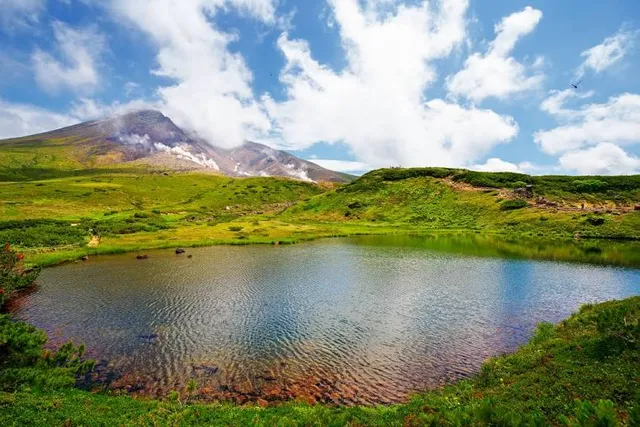
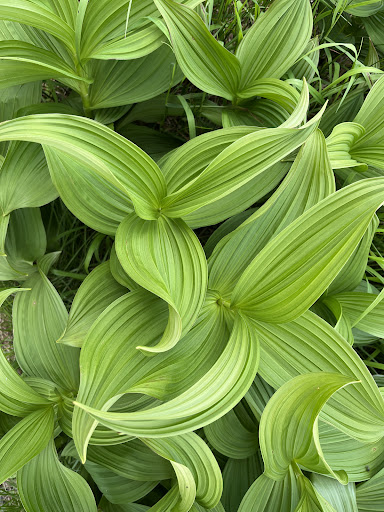
Daisetsuzan in July - August is a wonderland. Think the Shire, Rohan, Mordor and Fangorn all rolled into one, but with almost no species recognisable to those coming from where we've come from (Europe).
In these two months, everything is alive and in bloom - in the low plateaus, you'll pass through ecocline after ecocline, and be surrounded by birdsong. It's easy to see where the inspiration came from for the mountain-flower-garden-door in Miyazaki's Howl's Moving Castle...
I hear it's also spectacular in winter too.
For us, this was/is easily one of the most beautiful places we've ever had the privilege to go.
Some handy tips...
Bears:
You can rent bear spray inexpensively from Asahikawa Ride (with various possibly pickup locations) if you book the night before. You can also hire it from Sounkyo Visitor Center on the day. Otherwise, you can pick it up from almost any big hardware store, but it'll cost you about $100. You're very unlikely to even see a bear, especially if you're going on any of the more commonly walked routes, but it's not impossible. If you're new to bear safety, then firstly know that the ideal is to avoid ever encountering one, so make plenty of noise as you move around (singing, talking loudly, clapping etc.) and any bears nearby will generally stay away. In case of the worst though, check out WikiHow's "How to Survive a Bear Attack" article. Also, note that the bear bell is not necessarily enough anymore - as accelerating climate breakdown reduces the availability of food in the forests, more bears are learning to recognise humans as potential food, and attacks against humans are now on the rise.
Maps:
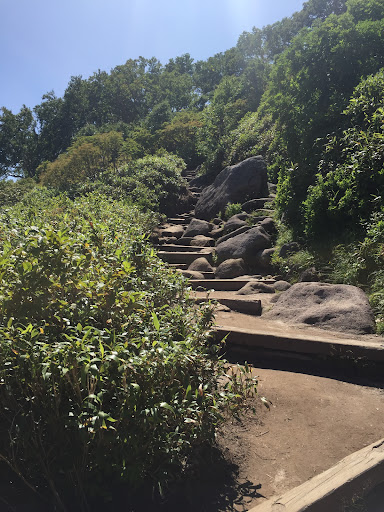
Unlike in most parts of the world (and perhaps especially if you're going in summer) the trails are marked very clearly, and often with ropes either side. Normally, I'd find this off-putting and limiting, but somehow the landscape is so glorious, that we didn't even think about being funnelled most of the time. Still, fog can make navigation difficult, so bring a decent GPS system as a back-up (a phone with downloaded maps showing footpaths should be plenty).
Speed:
If you're fit and healthy, then you'll likely find yourself taking 40-50% less time than predicted by most Japanese maps. Many of the people hiking these trails are slower moving, older folks. If you've done plenty of hiking, and you're spritely then - for example - the Sugatami Station - Mt. Asahi - Nakadake Hot Spring - Sugatami Station loop is easily doable in 5 hours.
Water:
Bring plenty of water in summer - it's not a good idea to drink from the mountain streams unless you have a way to sterilise the water, due to a nasty parasite that enters streams via fox poo.
Friendliness:
Obvious to experienced hikers, but say hello to everyone - everyone is friendly in the hills - help to keep...
Read more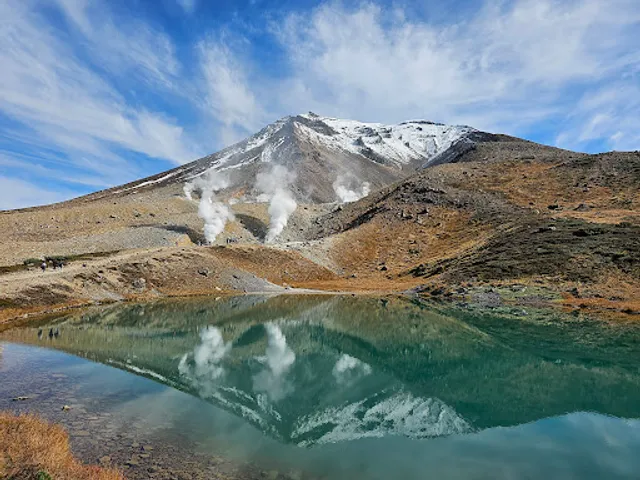
 Learn more insights from Wanderboat AI.