Located on the Noto Peninsula, Sojiji Temple (總持寺, Sōjiji) was once one of the most important temples of Zen Buddhism in all of Japan until its fortunes declined.
Sojiji Temple was founded in 1321, and received imperial support from the Emperor Go-Daigo. Alongside with Eiheiji Temple in Fukui Prefecture, Sojiji was one of the two head temples of the Soto sect, one of the two main sects of Zen Buddhism, and at one point oversaw more than 16,000 temples across the country. In 1898 Sojiji suffered a great fire and its functions as head temple were transferred to the Sojiji Temple in Yokohama. Some buildings did survive, though, and many of those that were destroyed were rebuilt.
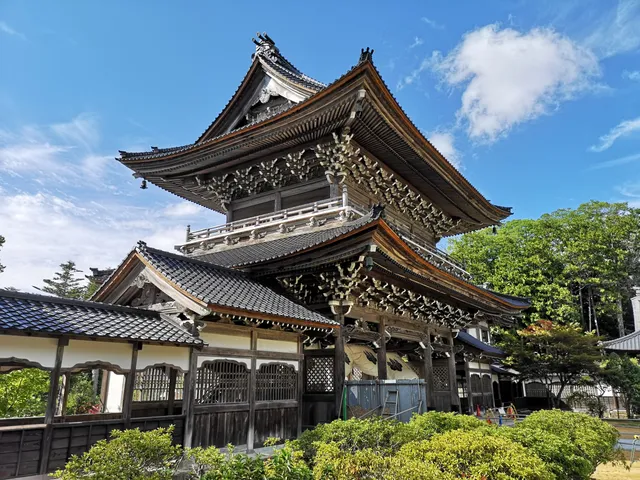
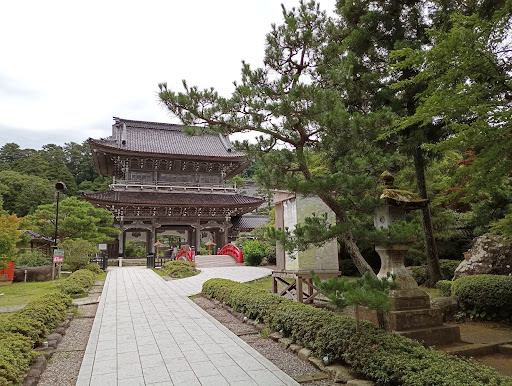
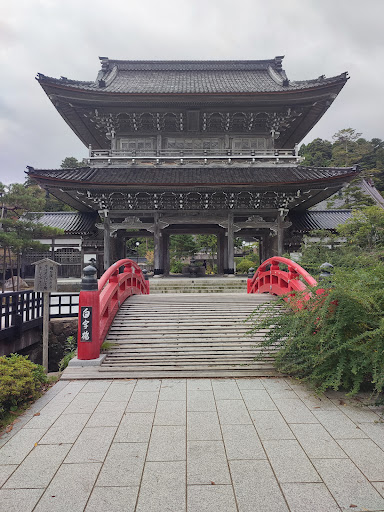
The Kyozo Sutra Repository Upon entering the temple grounds, visitors will pass by the Kyozo, a repository for Buddhist scripture. Afterwards, visitors cross the Hakuji Bridge which leads to the Sanmon Gate, the temple's main gate. The Sanmon Gate stands roughly 17 meters high and dates back to 1932.
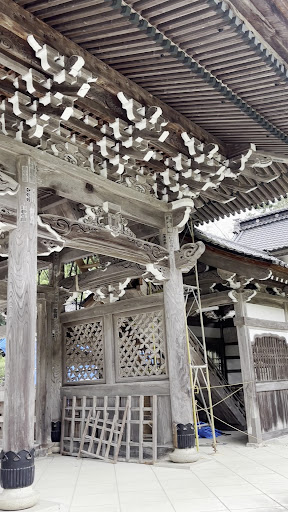
After passing the gate, visitors enter the temple's main area, whose buildings encircle an inner courtyard with a small pond and some garden space. A circular route then leads through the various main buildings, including the Butsuden, the temple's main hall, and the Sodo, a meditation hall, both of which were built in the early 20th century. Another important building along the way is the Hatto, whose main object of worship is a statue of the...
Read moreGraceful buildings and attractive landscaping
In May 2018 there was still a big project going on here to renovate some of the main parts of the temple. Notwithstanding that, it is a beautiful spot, with graceful buildings and attractive landscaping in a fairly out-of-the-way location on the Noto Peninsula. Certainly worth an hour if you are traveling in the area. Not too crowded when we were there...
Read moreAmazing temple that is significant and major for a particular Buddhist sect, on the same level as Kiyomizudera Temple in Kyoto. The site is huge and extensive and it seems like sections of it was rebuilt after razed. The exterior carvings of the main hall are a sight to behold. The main gate is also very imposing with a small red...
Read more