HTML SitemapExplore

Jhargram Palace Heritage — Attraction in West Bengal

Name
Jhargram Palace Heritage
Description
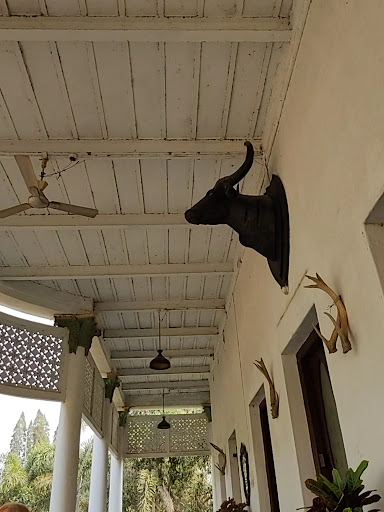
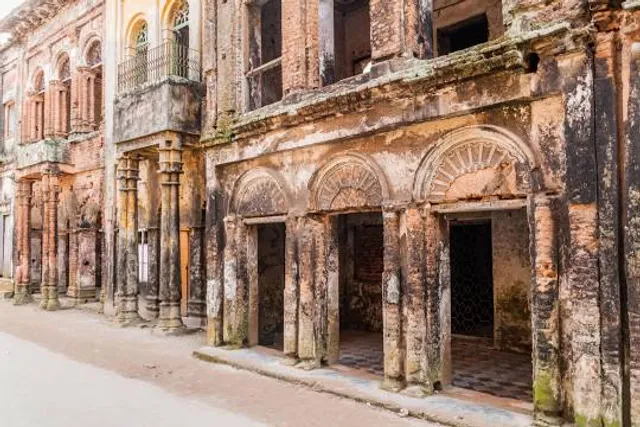
The Jhargram Raj Palace is the current residence of the Malla Deb Royal family. Situated in Jhargram district, West Bengal. About 14 rooms on the ground floor have been converted into a Heritage Hotel run by the family.
Nearby attractions
Nearby restaurants
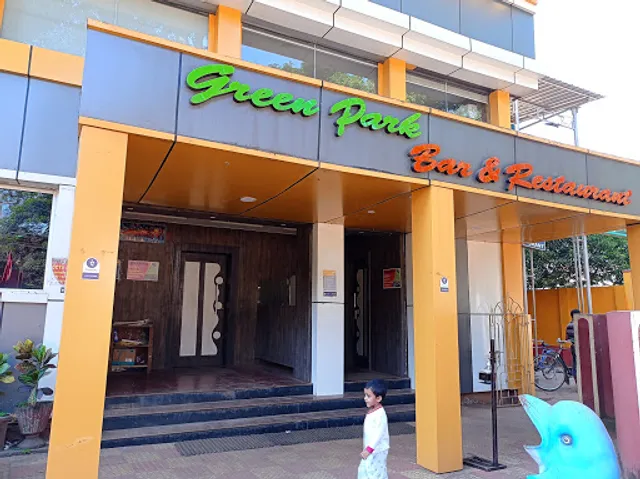
Hotel Malladev Green Park Bar & Restaurants | Bar Cum Restaurant| Family Restaurant in Jhargram
State Highway 5, Old Jhargram, Jhargram, West Bengal 721507, India
Nearby local services
Nearby hotels
Subarnarekha Inn
Kali Mandir more, near Consumer Office & Samsan, Shaltala, Raghunathpur, Jhargram, West Bengal 721507, India
Banpalashi Inn
behind KKI School, Raghunathpur, Jhargram, West Bengal 721507, India
Related posts
Keywords
Jhargram Palace Heritage tourism.Jhargram Palace Heritage hotels.Jhargram Palace Heritage bed and breakfast. flights to Jhargram Palace Heritage.Jhargram Palace Heritage attractions.Jhargram Palace Heritage restaurants.Jhargram Palace Heritage local services.Jhargram Palace Heritage travel.Jhargram Palace Heritage travel guide.Jhargram Palace Heritage travel blog.Jhargram Palace Heritage pictures.Jhargram Palace Heritage photos.Jhargram Palace Heritage travel tips.Jhargram Palace Heritage maps.Jhargram Palace Heritage things to do.
Jhargram Palace Heritage things to do, attractions, restaurants, events info and trip planning
Jhargram Palace Heritage
IndiaWest BengalJhargram Palace Heritage

Basic Info

Jhargram Palace Heritage

Old Jhargram, Jhargram, West Bengal 721507, India
4.0(1.2K)
Open 24 hours
Save
spot

Ratings & Description

Info

The Jhargram Raj Palace is the current residence of the Malla Deb Royal family. Situated in Jhargram district, West Bengal. About 14 rooms on the ground floor have been converted into a Heritage Hotel run by the family.

Cultural
Family friendly
attractions: , restaurants: Hotel Malladev Green Park Bar & Restaurants | Bar Cum Restaurant| Family Restaurant in Jhargram, local businesses:
logoLearn more insights from Wanderboat AI.
Phone
+91 62940 24319
Website
jhargrampalaceheritage.com

Plan your stay

hotel
Pet-friendly Hotels in West Bengal
Find a cozy hotel nearby and make it a full experience.
hotel
Affordable Hotels in West Bengal
Find a cozy hotel nearby and make it a full experience.
hotel
The Coolest Hotels You Haven't Heard Of (Yet)
Find a cozy hotel nearby and make it a full experience.
hotel
Trending Stays Worth the Hype in West Bengal
Find a cozy hotel nearby and make it a full experience.

Reviews

Nearby restaurants of Jhargram Palace Heritage

Hotel Malladev Green Park Bar & Restaurants | Bar Cum Restaurant| Family Restaurant in Jhargram

Hotel Malladev Green Park Bar & Restaurants | Bar Cum Restaurant| Family Restaurant in Jhargram

Hotel Malladev Green Park Bar & Restaurants | Bar Cum Restaurant| Family Restaurant in Jhargram

3.9

(1.0K)

Open until 11:30 PM
Click for details
Get the Appoverlay
Get the AppOne tap to find yournext favorite spots!
Wanderboat LogoWanderboat

Your everyday Al companion for getaway ideas

CompanyAbout Us
InformationAI Trip PlannerSitemap
SocialXInstagramTiktokLinkedin
LegalTerms of ServicePrivacy Policy

Get the app

Š 2025 Wanderboat. All rights reserved.

Posts

sourik007sourik007
The Jhargram Raj Palace (Jhargram Royal Palace) is the current residence of the Malla Deb Royal family. Situated in Jhargram District in the State of West Bengal, INDIA. About 10 rooms plus three dormitories on the ground floor have been converted into a Heritage Hotel run by the family. Jhargram Raj was a feudatory kingdom which occupied a position in Bengal province of British India. The kingdom came into being during the later part of the 16th century when Raja Man Singh of Amer was appointed the Dewan of Bengal, Bihar and Orissa by Mughal Emeror Akbar the Great. Legend says that around 1592 CE, Man Singh had come to conquer Bengal on behest of the Mughals from Rajputana (Rajasthan) to expand the Empire to Eastern India. He appointed one of his loyal Generals in the army, Shri Sarveshwar Singh, to defeat the local rulers of the region known as Jungle Mahal. The area belonged to the Mal kings, who were ancient warriors and a powerful dynasty in the eastern part of India since the time of the Mauryas and the Guptas. Sarveshwar Singh, together with the Rajput military and cavalry, invaded the deep forest and vanquished the Mal rulers. In order to commemorate this victory he adopted the surname, Malla Dev which became part of the name and style of his descendants. Hence as a royal tradition every year an idol of Mal Raja is made and slain on the day of Vijayadashami. After the campaign, Raja Man Singh decided to return to Rajputana and granted Mansabdari (tributary vassal kingdom) of the entire Jungle Mahal region to Sarveshwar Singh as a reward. The Rajas ruled their dominions and estates from present day Jhargram Palace, they had 8 sardars under the system and one Sub Zamindar of Beliaberah. Indra Puja, Dol Purnima and Durga Puja were the main festivals of the Kingdom. Indra Puja was the festival celebrated with great pomp and splendor as here Lord Idra was worshipped for good rainfall, harvest of crops and prosperity of the kingdom. The festival used to stretch for about a week and a famous Ind Mela (Fair) was organized. On the last day of the festival the Raja made a public appearance as he was carried in a Golden palanquin to the Maha Sabha (public gathering) where he used to interact with his pupils and the Modouls (Village Subedars) and after his kind consent the Artha Mantri (Finance Minister) used to declared the economic budget followed by the new barter system for goods and services. The festivals and rituals of Indra Puja and Durga Puja are still organized and performed by the Royal Family. Between 1741-1751, the Raja of Jhargram fought three successful battles against the Maratha invasion alongside the Raja of Bishnupur and the Nawab of Bengal and consolidated control over the kingdom making himself a dominant king in the western part of Bengal. He unified all Rajput kingdoms in Bengal against the campaign of Marathas who were much imperialists as guerilla bandits knows as Bargi in Bengal. They were much interested in capturing booty than territory, specializing in lighting raids of frequently devastating violence. During the reign of the 12th Raja Shyam Sundar Malla Dev, several administrative innovations were introduced which initiated growth of wealth and prosperity of his kingdom. But as a king he also became involved in conflicts with his neighbors, including the Maharaja of Mayurbhanj which ended with Jhargram signing a treaty, as per which he had to surrender the territory of Gopiballavpur to Mayurbhanj. Raja Sir Narasingha Malla Dev, the last titular king of Jhargram, is considered the father of modern Jhargram. He also founded several schools, colleges and hospitals for the welfare of the pupils and was conferred with Officer of British Empire and Knight of British Empire, granted the King George V Silver Jubilee Medal, served as a member of the Legislative Council of Bengal and also a member of Parliament-Lok Sabha after India attained independence. His beneficiaries ranged from the Kolkata Bangiya Sahitya Parishad to New Delhi Kali Bari, making him the single largest land donor in Bengal.
Your browser does not support the video tag.
Chayan GangulyChayan Ganguly
Majestic palace.. People with reservation can access and visit the property.. Otherwise you can hav a look from the outside..
Arpan MazumderArpan Mazumder
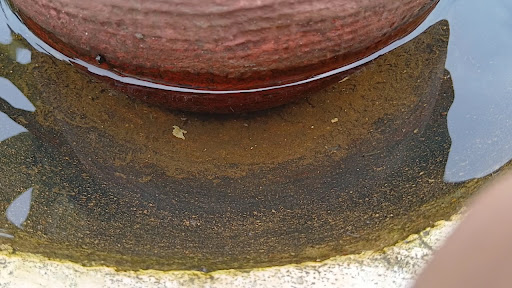
A chronicle of an extremely distasteful experience: Stay at Jhargram Rajbari – Heritage (not to be confused with the Jhargram Rajbari Tourist Complex) We opted for a serene getaway at what was advertised as the ‘Heritage Jhargram Rajbari’. Unfortunately, our experience turned out to be far from pleasant, resembling a near-traumatic ordeal rather than a relaxing retreat. Some of the issues we encountered, which may help you steer clear of this property and save yourself a fee of INR 5,000 plus taxes per night. Room conditions: Upon entering our assigned rooms (M1, M3, M4), we were struck by their stark contrast to the bright, inviting images showcased on the official website. Instead of the promised antique furnishings and sunlit spaces, we found dark, musty rooms with an overwhelming odour of dampness and mold. The wall paints were peeling. The furniture (especially the bed) was made of cheap materials. The floors were filthy, stained, and seemingly untouched by cleaning. The doormats were equally grim, leaving our feet dirtier after use. When we raised these concerns, the staff offered a superficial cleaning service that did little to address the issues. Stained bed sheets were another problem, requiring multiple follow-ups for a change. Inadequate amenities: The dining hall fans were non-functional. The liquid soap at the wash basin was so diluted it felt like plain water from the tap. The toiletries were minimal—just a small bar of soap and shampoo sachets. Thankfully, we brought our own towels, as we were reluctant to use those provided. Health hazards and staff negligence: The rooms already had occupants. Mice. Scampering all around and making dramatic exits when pursued. When we informed the management, the first reaction of the manager was “He He! Ki aar kora jabe, Sir!”, which literally translates to “What else can be done!”. Such a careless, callous response from the management stands testimony to the deplorable condition of the property and its management. When the staff shifted the furniture around, we discovered mice droppings hidden beneath them! I am sure many would not believe such an allegation. So, I have provided visual proof. I can assure you no Photoshop was used. Within the premises, there are several decorative pieces shaped like flat bowls, which have turned into breeding grounds for mosquitoes. The videos will show the larvae swimming about in the rainwater collected within those structures. Badly maintained premises: Despite the presence of huge trees and an impressive variety of plants, the overall look of the landscape of the whole premises is marred by uncontrolled vegetation. The main gate of the complex is often left unattended, which provides ample opportunity for trespassing, and leaves the guests with the feeling of ‘zero security’. We ourselves had to get out of the car and open and close the gate at least thrice during our 2-day stay. Unprofessional management: But you know what? These were not even close to the worst thing about the property. What really surprised, and kind of angered us (and many other boarders) was the behaviour of the management. The first rule of the hospitality sector is to behave nicely with the customer. Ideally, hotel staff should maintain a professional demeanor and provide courteous service. They should be proactive in identifying and addressing guests’ needs before they ask for assistance. Treating all guests with respect during interactions fosters a positive environment. The current staff members seem to be completely unaware of any of these aspects. Throughout our stay, they failed to acknowledge their shortcomings or offer any apologies for the numerous issues we faced. There was no proactive effort to resolve our complaints, nor even a simple assurance that our concerns would be addressed.
See more posts
See more posts
hotel
Find your stay

Pet-friendly Hotels in West Bengal

Find a cozy hotel nearby and make it a full experience.

The Jhargram Raj Palace (Jhargram Royal Palace) is the current residence of the Malla Deb Royal family. Situated in Jhargram District in the State of West Bengal, INDIA. About 10 rooms plus three dormitories on the ground floor have been converted into a Heritage Hotel run by the family. Jhargram Raj was a feudatory kingdom which occupied a position in Bengal province of British India. The kingdom came into being during the later part of the 16th century when Raja Man Singh of Amer was appointed the Dewan of Bengal, Bihar and Orissa by Mughal Emeror Akbar the Great. Legend says that around 1592 CE, Man Singh had come to conquer Bengal on behest of the Mughals from Rajputana (Rajasthan) to expand the Empire to Eastern India. He appointed one of his loyal Generals in the army, Shri Sarveshwar Singh, to defeat the local rulers of the region known as Jungle Mahal. The area belonged to the Mal kings, who were ancient warriors and a powerful dynasty in the eastern part of India since the time of the Mauryas and the Guptas. Sarveshwar Singh, together with the Rajput military and cavalry, invaded the deep forest and vanquished the Mal rulers. In order to commemorate this victory he adopted the surname, Malla Dev which became part of the name and style of his descendants. Hence as a royal tradition every year an idol of Mal Raja is made and slain on the day of Vijayadashami. After the campaign, Raja Man Singh decided to return to Rajputana and granted Mansabdari (tributary vassal kingdom) of the entire Jungle Mahal region to Sarveshwar Singh as a reward. The Rajas ruled their dominions and estates from present day Jhargram Palace, they had 8 sardars under the system and one Sub Zamindar of Beliaberah. Indra Puja, Dol Purnima and Durga Puja were the main festivals of the Kingdom. Indra Puja was the festival celebrated with great pomp and splendor as here Lord Idra was worshipped for good rainfall, harvest of crops and prosperity of the kingdom. The festival used to stretch for about a week and a famous Ind Mela (Fair) was organized. On the last day of the festival the Raja made a public appearance as he was carried in a Golden palanquin to the Maha Sabha (public gathering) where he used to interact with his pupils and the Modouls (Village Subedars) and after his kind consent the Artha Mantri (Finance Minister) used to declared the economic budget followed by the new barter system for goods and services. The festivals and rituals of Indra Puja and Durga Puja are still organized and performed by the Royal Family. Between 1741-1751, the Raja of Jhargram fought three successful battles against the Maratha invasion alongside the Raja of Bishnupur and the Nawab of Bengal and consolidated control over the kingdom making himself a dominant king in the western part of Bengal. He unified all Rajput kingdoms in Bengal against the campaign of Marathas who were much imperialists as guerilla bandits knows as Bargi in Bengal. They were much interested in capturing booty than territory, specializing in lighting raids of frequently devastating violence. During the reign of the 12th Raja Shyam Sundar Malla Dev, several administrative innovations were introduced which initiated growth of wealth and prosperity of his kingdom. But as a king he also became involved in conflicts with his neighbors, including the Maharaja of Mayurbhanj which ended with Jhargram signing a treaty, as per which he had to surrender the territory of Gopiballavpur to Mayurbhanj. Raja Sir Narasingha Malla Dev, the last titular king of Jhargram, is considered the father of modern Jhargram. He also founded several schools, colleges and hospitals for the welfare of the pupils and was conferred with Officer of British Empire and Knight of British Empire, granted the King George V Silver Jubilee Medal, served as a member of the Legislative Council of Bengal and also a member of Parliament-Lok Sabha after India attained independence. His beneficiaries ranged from the Kolkata Bangiya Sahitya Parishad to New Delhi Kali Bari, making him the single largest land donor in Bengal.
sourik007

sourik007

hotel
Find your stay

Affordable Hotels in West Bengal

Find a cozy hotel nearby and make it a full experience.

Get the Appoverlay
Get the AppOne tap to find yournext favorite spots!
Majestic palace.. People with reservation can access and visit the property.. Otherwise you can hav a look from the outside..
Chayan Ganguly

Chayan Ganguly

hotel
Find your stay

The Coolest Hotels You Haven't Heard Of (Yet)

Find a cozy hotel nearby and make it a full experience.

hotel
Find your stay

Trending Stays Worth the Hype in West Bengal

Find a cozy hotel nearby and make it a full experience.

A chronicle of an extremely distasteful experience: Stay at Jhargram Rajbari – Heritage (not to be confused with the Jhargram Rajbari Tourist Complex) We opted for a serene getaway at what was advertised as the ‘Heritage Jhargram Rajbari’. Unfortunately, our experience turned out to be far from pleasant, resembling a near-traumatic ordeal rather than a relaxing retreat. Some of the issues we encountered, which may help you steer clear of this property and save yourself a fee of INR 5,000 plus taxes per night. Room conditions: Upon entering our assigned rooms (M1, M3, M4), we were struck by their stark contrast to the bright, inviting images showcased on the official website. Instead of the promised antique furnishings and sunlit spaces, we found dark, musty rooms with an overwhelming odour of dampness and mold. The wall paints were peeling. The furniture (especially the bed) was made of cheap materials. The floors were filthy, stained, and seemingly untouched by cleaning. The doormats were equally grim, leaving our feet dirtier after use. When we raised these concerns, the staff offered a superficial cleaning service that did little to address the issues. Stained bed sheets were another problem, requiring multiple follow-ups for a change. Inadequate amenities: The dining hall fans were non-functional. The liquid soap at the wash basin was so diluted it felt like plain water from the tap. The toiletries were minimal—just a small bar of soap and shampoo sachets. Thankfully, we brought our own towels, as we were reluctant to use those provided. Health hazards and staff negligence: The rooms already had occupants. Mice. Scampering all around and making dramatic exits when pursued. When we informed the management, the first reaction of the manager was “He He! Ki aar kora jabe, Sir!”, which literally translates to “What else can be done!”. Such a careless, callous response from the management stands testimony to the deplorable condition of the property and its management. When the staff shifted the furniture around, we discovered mice droppings hidden beneath them! I am sure many would not believe such an allegation. So, I have provided visual proof. I can assure you no Photoshop was used. Within the premises, there are several decorative pieces shaped like flat bowls, which have turned into breeding grounds for mosquitoes. The videos will show the larvae swimming about in the rainwater collected within those structures. Badly maintained premises: Despite the presence of huge trees and an impressive variety of plants, the overall look of the landscape of the whole premises is marred by uncontrolled vegetation. The main gate of the complex is often left unattended, which provides ample opportunity for trespassing, and leaves the guests with the feeling of ‘zero security’. We ourselves had to get out of the car and open and close the gate at least thrice during our 2-day stay. Unprofessional management: But you know what? These were not even close to the worst thing about the property. What really surprised, and kind of angered us (and many other boarders) was the behaviour of the management. The first rule of the hospitality sector is to behave nicely with the customer. Ideally, hotel staff should maintain a professional demeanor and provide courteous service. They should be proactive in identifying and addressing guests’ needs before they ask for assistance. Treating all guests with respect during interactions fosters a positive environment. The current staff members seem to be completely unaware of any of these aspects. Throughout our stay, they failed to acknowledge their shortcomings or offer any apologies for the numerous issues we faced. There was no proactive effort to resolve our complaints, nor even a simple assurance that our concerns would be addressed.
Arpan Mazumder

Arpan Mazumder

See more posts
See more posts

Reviews of Jhargram Palace Heritage

4.0
(1,178)
avatar
5.0
5y

The Jhargram Raj Palace (Jhargram Royal Palace) is the current residence of the Malla Deb Royal family. Situated in Jhargram District in the State of West Bengal, INDIA. About 10 rooms plus three dormitories on the ground floor have been converted into a Heritage Hotel run by the family.

Jhargram Raj was a feudatory kingdom which occupied a position in Bengal province of British India. The kingdom came into being during the later part of the 16th century when Raja Man Singh of Amer was appointed the Dewan of Bengal, Bihar and Orissa by Mughal Emeror Akbar the Great. Legend says that around 1592 CE, Man Singh had come to conquer Bengal on behest of the Mughals from Rajputana (Rajasthan) to expand the Empire to Eastern India. He appointed one of his loyal Generals in the army, Shri Sarveshwar Singh, to defeat the local rulers of the region known as Jungle Mahal. The area belonged to the Mal kings, who were ancient warriors and a powerful dynasty in the eastern part of India since the time of the Mauryas and the Guptas.

Sarveshwar Singh, together with the Rajput military and cavalry, invaded the deep forest and vanquished the Mal rulers. In order to commemorate this victory he adopted the surname, Malla Dev which became part of the name and style of his descendants. Hence as a royal tradition every year an idol of Mal Raja is made and slain on the day of Vijayadashami. After the campaign, Raja Man Singh decided to return to Rajputana and granted Mansabdari (tributary vassal kingdom) of the entire Jungle Mahal region to Sarveshwar Singh as a reward. The Rajas ruled their dominions and estates from present day Jhargram Palace, they had 8 sardars under the system and one Sub Zamindar of Beliaberah.

Indra Puja, Dol Purnima and Durga Puja were the main festivals of the Kingdom. Indra Puja was the festival celebrated with great pomp and splendor as here Lord Idra was worshipped for good rainfall, harvest of crops and prosperity of the kingdom. The festival used to stretch for about a week and a famous Ind Mela (Fair) was organized. On the last day of the festival the Raja made a public appearance as he was carried in a Golden palanquin to the Maha Sabha (public gathering) where he used to interact with his pupils and the Modouls (Village Subedars) and after his kind consent the Artha Mantri (Finance Minister) used to declared the economic budget followed by the new barter system for goods and services. The festivals and rituals of Indra Puja and Durga Puja are still organized and performed by the Royal Family.

Between 1741-1751, the Raja of Jhargram fought three successful battles against the Maratha invasion alongside the Raja of Bishnupur and the Nawab of Bengal and consolidated control over the kingdom making himself a dominant king in the western part of Bengal. He unified all Rajput kingdoms in Bengal against the campaign of Marathas who were much imperialists as guerilla bandits knows as Bargi in Bengal. They were much interested in capturing booty than territory, specializing in lighting raids of frequently devastating violence. During the reign of the 12th Raja Shyam Sundar Malla Dev, several administrative innovations were introduced which initiated growth of wealth and prosperity of his kingdom. But as a king he also became involved in conflicts with his neighbors, including the Maharaja of Mayurbhanj which ended with Jhargram signing a treaty, as per which he had to surrender the territory of Gopiballavpur to Mayurbhanj.

Raja Sir Narasingha Malla Dev, the last titular king of Jhargram, is considered the father of modern Jhargram. He also founded several schools, colleges and hospitals for the welfare of the pupils and was conferred with Officer of British Empire and Knight of British Empire, granted the King George V Silver Jubilee Medal, served as a member of the Legislative Council of Bengal and also a member of Parliament-Lok Sabha after India attained independence. His beneficiaries ranged from the Kolkata Bangiya Sahitya Parishad to New Delhi Kali Bari, making him the single largest land...

   Read more

avatar
4.0
1y

We opted for a serene getaway at what was advertised as the ‘Heritage Jhargram Rajbari’. Unfortunately, our experience turned out to be far from pleasant, resembling a near-traumatic ordeal rather than a relaxing retreat.||||Some of the issues we encountered, which may help you steer clear of this property and save yourself a fee of INR 5,000 plus taxes per night.||||Room conditions: Upon entering our assigned rooms (M1, M3, M4), we were struck by their stark contrast to the bright, inviting images showcased on the official website. Instead of the promised antique furnishings and sunlit spaces, we found dark, musty rooms with an overwhelming odour of dampness and mold. The wall paints were peeling. The furniture (especially the bed) was made of cheap materials. The floors were filthy, stained, and seemingly untouched by cleaning. The doormats were equally grim, leaving our feet dirtier after use. When we raised these concerns, the staff offered a superficial cleaning service that did little to address the issues. Stained bed sheets were another problem, requiring multiple follow-ups for a change.||||Inadequate amenities: The dining hall fans were non-functional. The liquid soap at the wash basin was so diluted it felt like plain water from the tap. The toiletries were minimal—just a small bar of soap and shampoo sachets. Thankfully, we brought our own towels, as we were reluctant to use those provided.||||Health hazards and staff negligence: The rooms already had occupants. Mice. Scampering all around and making dramatic exits when pursued. When we informed the management, the first reaction of the manager was “He He! Ki aar kora jabe, Sir!”, which literally translates to “What else can be done!”. Such a careless, callous response from the management stands testimony to the deplorable condition of the property and its management. When the staff shifted the furniture around, we discovered mice droppings hidden beneath them! I am sure many would not believe such an allegation. So, I have provided visual proof. I can assure you no Photoshop was used. Within the premises, there are several decorative pieces shaped like flat bowls, which have turned into breeding grounds for mosquitoes. ||||Badly maintained premises: Despite the presence of huge trees and an impressive variety of plants, the overall look of the landscape of the whole premises is marred by uncontrolled vegetation. The main gate of the complex is often left unattended, which provides ample opportunity for trespassing, and leaves the guests with the feeling of ‘zero security’. We ourselves had to get out of the car and open and close the gate at least thrice during our 2-day stay.||||Unprofessional management: But you know what? These were not even close to the worst thing about the property. What really surprised, and kind of angered us (and many other boarders) was the behaviour of the management. The first rule of the hospitality sector is to behave nicely with the customer. Ideally, hotel staff should maintain a professional demeanor and provide courteous service. They should be proactive in identifying and addressing guests’ needs before they ask for assistance. Treating all guests with respect during interactions fosters a positive environment. The current staff members seem to be completely unaware of any of these aspects. Throughout our stay, they failed to acknowledge their shortcomings or offer any apologies for the numerous issues we faced. There was no proactive effort to resolve our complaints, nor even a simple assurance that our concerns would be addressed.||||In summary, our experience at Jhargram Rajbari – Heritage was marked by substandard accommodations, inadequate amenities, health hazards, and unprofessional service. I hope this account serves as a cautionary tale for future travelers considering...

   Read more
avatar
4.0
1y

We opted for a serene getaway at what was advertised as the ‘Heritage Jhargram Rajbari’. Unfortunately, our experience turned out to be far from pleasant, resembling a near-traumatic ordeal rather than a relaxing retreat.||||Some of the issues we encountered, which may help you steer clear of this property and save yourself a fee of INR 5,000 plus taxes per night.||||Room conditions: Upon entering our assigned rooms (M1, M3, M4), we were struck by their stark contrast to the bright, inviting images showcased on the official website. Instead of the promised antique furnishings and sunlit spaces, we found dark, musty rooms with an overwhelming odour of dampness and mold. The wall paints were peeling. The furniture (especially the bed) was made of cheap materials. The floors were filthy, stained, and seemingly untouched by cleaning. The doormats were equally grim, leaving our feet dirtier after use. When we raised these concerns, the staff offered a superficial cleaning service that did little to address the issues. Stained bed sheets were another problem, requiring multiple follow-ups for a change.||||Inadequate amenities: The dining hall fans were non-functional. The liquid soap at the wash basin was so diluted it felt like plain water from the tap. The toiletries were minimal—just a small bar of soap and shampoo sachets. Thankfully, we brought our own towels, as we were reluctant to use those provided.||||Health hazards and staff negligence: The rooms already had occupants. Mice. Scampering all around and making dramatic exits when pursued. When we informed the management, the first reaction of the manager was “He He! Ki aar kora jabe, Sir!”, which literally translates to “What else can be done!”. Such a careless, callous response from the management stands testimony to the deplorable condition of the property and its management. When the staff shifted the furniture around, we discovered mice droppings hidden beneath them! I am sure many would not believe such an allegation. So, I have provided visual proof. I can assure you no Photoshop was used. Within the premises, there are several decorative pieces shaped like flat bowls, which have turned into breeding grounds for mosquitoes. ||||Badly maintained premises: Despite the presence of huge trees and an impressive variety of plants, the overall look of the landscape of the whole premises is marred by uncontrolled vegetation. The main gate of the complex is often left unattended, which provides ample opportunity for trespassing, and leaves the guests with the feeling of ‘zero security’. We ourselves had to get out of the car and open and close the gate at least thrice during our 2-day stay.||||Unprofessional management: But you know what? These were not even close to the worst thing about the property. What really surprised, and kind of angered us (and many other boarders) was the behaviour of the management. The first rule of the hospitality sector is to behave nicely with the customer. Ideally, hotel staff should maintain a professional demeanor and provide courteous service. They should be proactive in identifying and addressing guests’ needs before they ask for assistance. Treating all guests with respect during interactions fosters a positive environment. The current staff members seem to be completely unaware of any of these aspects. Throughout our stay, they failed to acknowledge their shortcomings or offer any apologies for the numerous issues we faced. There was no proactive effort to resolve our complaints, nor even a simple assurance that our concerns would be addressed.||||In summary, our experience at Jhargram Rajbari – Heritage was marked by substandard accommodations, inadequate amenities, health hazards, and unprofessional service. I hope this account serves as a cautionary tale for future travelers considering...

   Read more
Page 1 of 7
Previous
Next