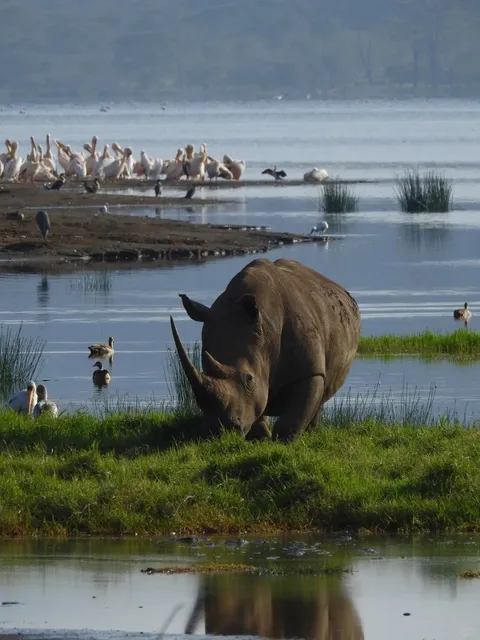
Lake Nakuru in Nakuru, Kenya, is a captivating destination renowned for its breathtaking spectacle of millions of beautiful flamingos. Designated as a World Heritage site, this natural wonder attracts visitors from around the globe seeking a unique and awe-inspiring experience. Having had the pleasure of visiting Lake Nakuru with both family and friends, I can attest to the enchanting beauty and the lasting memories it creates.
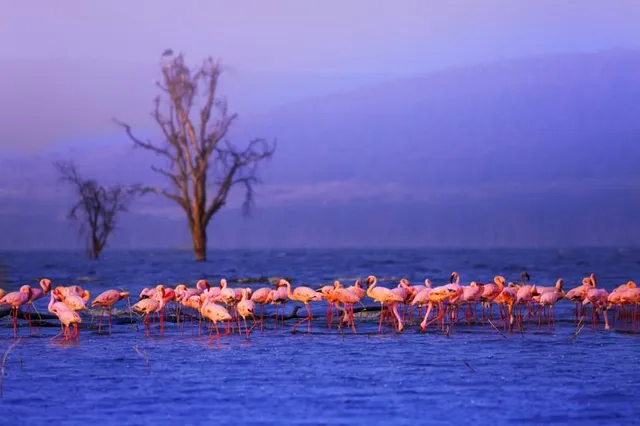
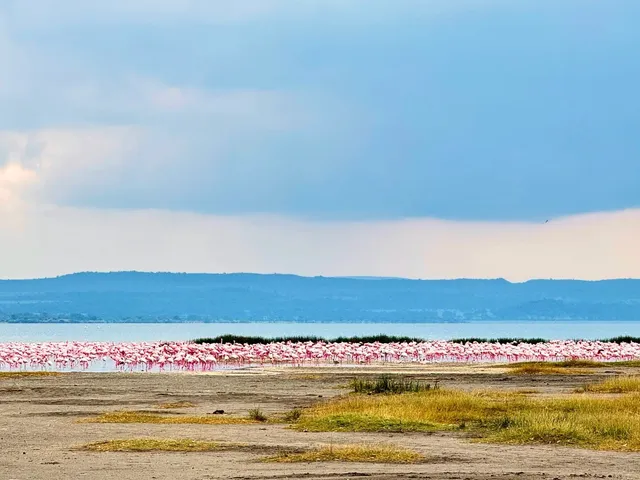
The sheer number of flamingos that grace the lake's shores is nothing short of mesmerizing. The vibrant pink hues of these graceful birds create a stunning contrast against the backdrop of the lake's azure waters. It's a sight that leaves a lasting impression and provides a perfect opportunity for photography enthusiasts to capture the ethereal beauty of nature.
The decision to declare Lake Nakuru as a World Heritage site is a testament to its ecological significance and the need for its preservation. The lake is not only a haven for flamingos but also serves as a vital habitat for various other bird species. The delicate balance of the ecosystem here is a testament to the importance of conservation efforts, and the designation adds a layer of global recognition to the area.
What sets Lake Nakuru apart is not just the spectacle of flamingos but also the diverse range of wildlife that calls this area home. The Lake Nakuru National Park, surrounding the lake, is a sanctuary for a rich variety of fauna, including rhinos, lions, giraffes, and numerous species of birds. Exploring the park is like embarking on a safari adventure, offering a chance to witness the wonders of the African wilderness in close proximity.
The experience of visiting Lake Nakuru is not limited to its wildlife alone; the surrounding landscapes are equally captivating. The picturesque views of the lake against the backdrop of rolling hills create a scenic panorama that is postcard-perfect. The combination of natural beauty and the serene ambiance makes it an ideal destination for those seeking both adventure and tranquility.
My visit to Lake Nakuru was enhanced by the well-maintained facilities and infrastructure in the area. The park provides well-marked trails and viewing points, ensuring that visitors can explore the beauty of the surroundings safely. Additionally, the presence of knowledgeable guides adds an educational element to the visit, allowing guests to learn more about the flora, fauna, and the conservation efforts in place.
For those seeking an immersive experience, there are camping facilities available within the park. Spending a night under the vast African sky, surrounded by the sounds of nature, adds an extra layer of authenticity to the visit. It's an opportunity to connect with the environment on a deeper level and appreciate the significance of preserving such natural wonders for future generations.
Beyond the natural attractions, Lake Nakuru also offers a glimpse into the local culture and way of life. The nearby town of Nakuru provides a chance to explore the vibrant markets, taste local cuisine, and interact with the friendly residents. This cultural exchange enriches the overall travel experience and adds a dimension of authenticity to the journey.
In conclusion, Lake Nakuru in Kenya is a destination that captivates the senses and leaves an indelible mark on all who visit. From the mesmerizing flocks of flamingos to the diverse wildlife and picturesque landscapes, every aspect of this World Heritage site contributes to a truly unforgettable experience. Whether you are a nature enthusiast, a wildlife lover, or someone seeking a serene retreat, Lake Nakuru has something magical to offer. It's a testament to the beauty of our planet and the importance of preserving these natural wonders for...
Read moreToday had two outings... one catching the morning shift of animals on the plains of the Lake Nakuru Reserve... followed by an encore to see the evening shift. There's a number of ways of ranking animal life... their attractiveness... their boldness... their intelligence... etc. After the first 5 hours of looking into all the nooks and crannies at Nakuru, the clearest differentiator between the animals is their levels of energy.
Let's start at the laziest. Without doubt, this position goes to the lion... not even close. We enquired of every vehicle we passed, if they knew where the lions were located on this day. One driver said it was the same spot they had occupied for the last 3 days. We made our way around to the location... easy to locate because there was a queue of 3 other tourist Jeeps all trying to get the best photo shot. Two lumps lay immobilised in deep shade... only the occasional twitch of an ear indicated that this lump was alive. We waited and waited for these comatosed giants to gain some life force and do something... anything! A baboon sitting in a tree along a river gully thought it his civic duty to raise the alarm for his fellow travellers... and started a raucous yelping. This din annoyed the lumps... they slowly raised themselves to seating positions... and we were rewarded with the sight of two large male lions... staring in the direction of the noise. Their curiosity lasted a full 5 seconds before they collapsed once more into their sleeping repose. After 3 days, the lions must be getting a little peckish... and their lunchtime snack was just about done... a herd of buffalo... with a good sprinkling of young calfs... located 100 metres away on the other side of the road.
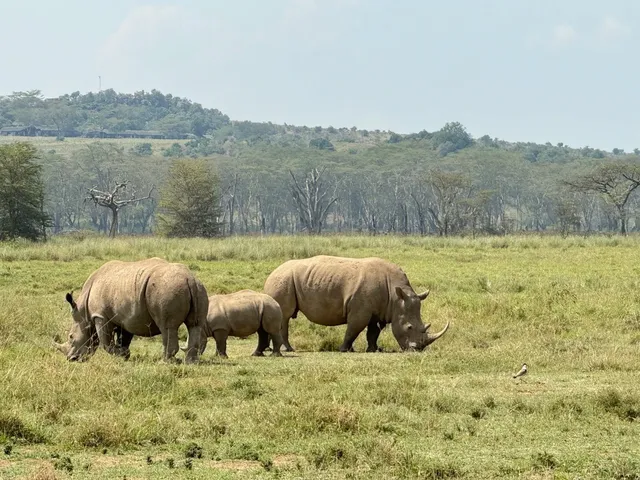
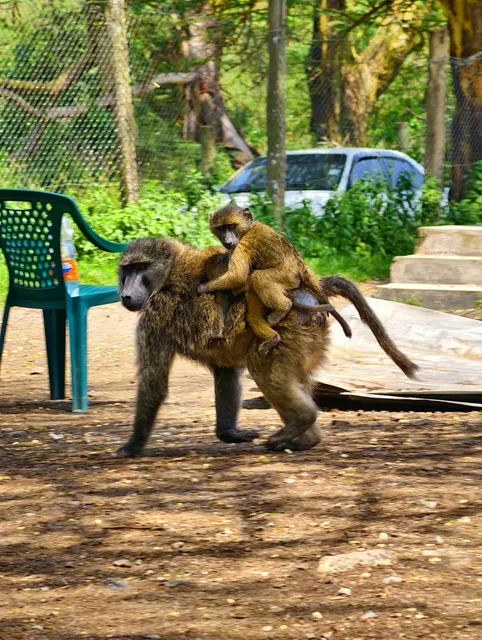
The award for the friendliest animal goes to the baboon. We had reached the extremity of our afternoon safari... heading back to camp... feeling very pleased with ourselves... having just sighted the rarest of animals in the park... the black rhinoceros. There are only 6 of them spread over the 150,000 square kilometres of the park... they are a cautious (and violent) animal that lives their lives hiding in the bushes. We saw it at a distance of over 200 meters... but a sighting is a sighting... right?
5 minutes down the road, we entered a bush area and encountered another group of baboons. One juvenile started to put on quite a show. He was doing standing jumps... and twisting his jump into a circle... completing the movements with some dramatic hand gestures. After attracting attention he upped his dramatic impact by attacking a junior playmate. We stopped our jeep to see how all this would end. Out of the corner of our eyes, we saw an older juvenile male running down the slope... and jumped from the bank onto the framework supporting the pop-up roof of our jeep... just where Joye had been standing a moment before. He then jumped across the back seat in front of Harry. By then all our passengers had time to react. The driver accelerated the jeep... all of us human passengers started yelling at the baboon and poking him with our hands. You've all heard of the dog who caught the car and didn't know what to do next. This poor baboon seemed to have that experience. He gave us a quick look of great disappointment... clearly he expected a warmer welcome... but he decided to cut his losses and jump down from the jeep. If I had his email address I'd drop him a line and apologise for our lack of hospitality.
Our holiday continues to deliver unexpected...
Read moreSituated in the heart of Kenya’s Great Rift Valley, Lake Nakuru is a breathtaking natural wonder that captivates visitors with its stunning landscapes, diverse wildlife, and serene ambiance.
This alkaline lake, surrounded by lush woodlands and rolling hills, is part of the Lake Nakuru National Park, a protected area renowned for its ecological significance and abundant wildlife.
The lake itself is a shimmering expanse of water that changes hues throughout the day, reflecting the sky’s moods and the surrounding greenery, creating a picturesque setting that feels almost otherworldly.
One of the most remarkable features of Lake Nakuru is its status as a birdwatcher’s paradise. The lake is famously known for its vast flocks of flamingos, which gather along its shores in dazzling pink masses, creating a spectacle that is both mesmerizing and unforgettable. These elegant birds, along with numerous other species such as pelicans, cormorants, and herons, thrive in the lake’s nutrient-rich waters, making it a haven for avian enthusiasts. The sight of thousands of flamingos wading in the shallow waters, their reflections mirrored on the lake’s surface, is nothing but a magical view.
Beyond its avian attractions, Lake Nakuru National Park is home to an impressive array of wildlife. The park’s diverse habitats, ranging from savannahs to dense forests, support a variety of animals, including rhinos, lions, leopards, giraffes, zebras, and buffaloes. The park is particularly celebrated for its successful conservation efforts, especially in protecting both black and white rhinos, making it one of the best places in Kenya to see these majestic creatures up close.
The presence of predators and herbivores in such close proximity adds an element of excitement to any visit, as the park’s ecosystems are alive with the drama of the natural world.
The landscapes surrounding Lake Nakuru are equally enchanting. The park’s terrain is dotted with acacia trees, euphorbia forests, and rocky outcrops, providing a scenic backdrop for game drives and nature walks.
The Baboon Cliff viewpoint offers a panoramic vista of the lake and its surroundings, allowing visitors to take in the full splendor of the area. The tranquil atmosphere, punctuated by the calls of birds and the rustling of leaves, makes it an ideal destination for those seeking a peaceful retreat in nature.
Lake Nakuru is not just a visual delight but also holds cultural and ecological significance. The lake and its surrounding ecosystems play a vital role in supporting local communities and maintaining the region’s biodiversity.
Efforts to preserve this delicate environment are evident in the park’s well-maintained facilities and the commitment of its staff to sustainable tourism practices.
Visitors are encouraged to respect the natural habitat and contribute to its conservation, ensuring that future generations can continue to enjoy this remarkable destination.
In summary, Lake Nakuru is a gem of Kenya’s natural heritage, offering a harmonious blend of scenic beauty, wildlife diversity, and ecological importance. Whether you’re marveling at the pink hues of flamingos, tracking rhinos through the bush, or simply soaking in the serene landscapes, a visit to Lake Nakuru is an experience that leaves a lasting impression. It is a place where nature’s wonders unfold in every direction, inviting you to connect with the wild and appreciate the delicate balance of life in one of Africa’s most...
Read more