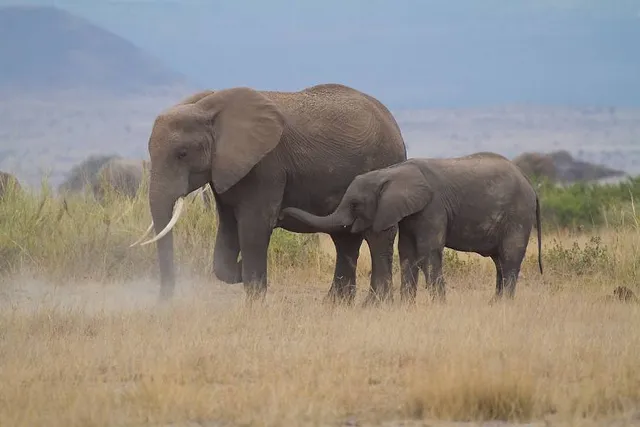
Amboseli National Park is a crown jewel of Kenya's wildlife destinations, offering an exceptional safari experience that I frequently share with my clients. Nestled at the foot of the majestic Mount Kilimanjaro, Amboseli boasts breathtaking views of Africaβs tallest peak, making it a paradise for photographers and nature lovers alike.
The park is renowned for its thriving elephant population, and visitors are often treated to the sight of these magnificent creatures roaming freely against the stunning backdrop of snow-capped Kilimanjaro. In addition to elephants, Amboseli is home to a diverse range of wildlife, including lions, cheetahs, giraffes, and over 400 bird species. The parkβs landscape is varied, featuring expansive savannahs, lush swamps, acacia woodlands, and shimmering salt pans that change with the seasons, offering something new on every visit.
My clients love the unique cultural experiences available here. Visits to the nearby Maasai villages provide an opportunity to learn about the traditions and lifestyle of the Maasai people, adding a rich cultural dimension to the wildlife adventure.
One of the best parts of Amboseli is the intimacy of the safari experience. Compared to some of the larger parks, Amboseli feels more accessible, allowing guests to get up close to wildlife without the crowds. Whether it's an early morning game drive or a sunset tour, every moment in Amboseli feels personal and awe-inspiring.
For accommodations, the park offers a range of choices, from luxury lodges with panoramic views to cozy tented camps that blend comfort with nature. The guides I work with in Amboseli are highly experienced, ensuring my clients not only see the Big Five but also understand the intricate ecosystem of the park.
Amboseli is particularly suitable for families, couples, and first-time safari-goers. It offers a perfect mix of adventure, relaxation, and cultural immersion, making every trip memorable. Many clients leave feeling a deep connection to nature, eager to return for another safari in this gem of Kenya.
In summary, Amboseli National Park offers a quintessential Kenyan safari experience, combining spectacular scenery, diverse wildlife, and cultural richness. It never fails to impress my clients, and I take pride in crafting unforgettable journeys to this beautiful...
Β Β Β Read moreAmboseli National Park in Kenya Amboseli National Park is a protected wildlife area in southern Kenya, famous for its vast elephant herds and breathtaking views of Mount Kilimanjaro in Tanzania. The park features open plains, swamps, and a dry lakebed, creating diverse habitats that attract wildlife like lions, cheetahs, giraffes, and numerous bird species. Visitors can enjoy close-up encounters with animals, especially elephants, and often witness stunning photographic opportunities with the iconic mountain as a backdrop. Amboseli National Park stands as a renowned wildlife conservation area, enticing visitors with its stunning rich biodiversity and stunning landscapes. It is a home to iconic wildlife, hosting four members of the Big Five, from lions to the graceful zebras and countless number of bird species in its swamps and wetlands. Amboseli is celebrated for its exceptional opportunities for close encounters with free-roaming members of the Big Five. The park is a home to large numbers of African elephants, creating the perfect opportunity for an up close view of up to fifty herds of elephants in one safari, making it a prime destination for both photographers and wildlife enthusiasts. Entry fee for non- resident is USD 60 per adult. There is also an entry fee for the vehicle and depending on the number of seats. There are several places to stay in the Amboseli ecosystem with several lodges and camps. Other attractions of the park includes opportunities to meet the Maasai people and also offers spectacular views of Mount Kilimanjaro, the highest free-standing mountain in the world. But depending on the season and weather, she may hide behind...
Β Β Β Read moreIf youβre trying to see elephants and hundreds of them, look no further. This arid plain fed by the water of Kilimanjaro makes for an exceptional habitat to see them. A few hours after sunrise they often are moving in big family troops from the east of the park into the Central Park where the water is. Birding is good around the lakes and swampy zones with many different types of cranes, storks, and small shorebirds. Large flocks of flamingos can be found on the shores of the primary persistent lake. I visited in the dry season of February and animals were still way to spot.
Roads are full of safari vehicles which is a blessing and a curse. I donβt know how a park like this would function without the revenue they bring in and the vehicles keep people and animals separated in a way that is safe for both. At times, when 20 vehicles are trying to crowd around a cheetah in the sun it feels odd partly due to the cheetahβs indifference and the crowdβs thirst to watch its every action, but if this strange relationship is what maintains this place so these organisms can exist within the world of Homo economesis than so be it. This is not to make it sound like this is some sort to zoo carved by roads. A good majority of the space has no roads, so animals can find places where they need not interact with humans.
I sometimes wonder if the animals have stories that map the changes of humans; imagine the stories elephants may have of the omnivorous naked primate that once ran the plains and now only can be found on the wide and worn dirt paths in the belly of awkward aluminum beasts that...
Β Β Β Read more