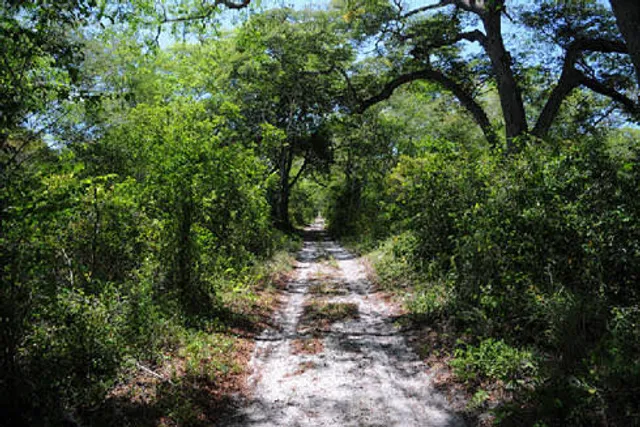
The dense wilds of luxuriant trees and droves of animals is also characterized by spills of sunlight and exotic sounds. Arabuko Sokoke Forest is East Africa's biggest surviving indigenous coastal forest. The thick foliage is an alluring shelter to a vast number of rare species of butterflies, birds, amphibians and plants. The forest ecology holds more than 260 species of birds, including several threatened and endangered species such as the Clarke's weaver spotted ground thrush. The green haze is the home to the rare golden-rumped elephant shrew, Ader's duiker and bushy-tailed mongoose. Going through Arabuko–Sokoke is like travelling back to the earliest beginnings of the world, when foliage ruled in utter silence.The stillness is welcoming and people of different walks of life visit the forest for research and retreat.It is here I penned these lines:
Arabuko, the butterflies’ majesty The home of Sokoke Scops, Owls, Sokoke Pipit and East coast Akalat The home of Amani Sunbird and Spotted Ground Thrush The home of Aders duiker, Sokoke Mongoose, and Golden rumped elephant shrew The home of Boomslang, Green Mamba, Rock Python and Forest Cobra The home of Sand Lizard and Day Geullo The nest of Sokoke Pipit, Carkes weaver, Fischers and Turaco The enraptured beauty Beneath the pearly purple...
Read moreArabuko-Sokoke is known for its extraordinary biodiversity. It is a hotspot for birdwatching, with over 250 species of birds, including several rare and endemic species, such as the Sokoke Pipit. The forest also supports a rich variety of mammals, reptiles, and plants, many of which are found nowhere else in the world.
Today, Arabuko-Sokoke Forest is not only a vital conservation area but also a popular eco-tourism destination. Visitors can explore its trails, enjoy birdwatching, and learn about the forest’s rich natural history. It is considered one of the most important tropical forests in East Africa for biodiversity...
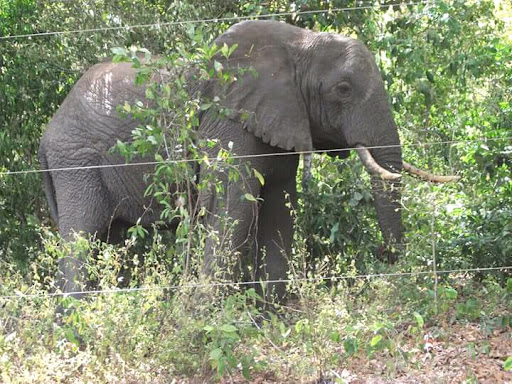
Read moreThe forest itself is beautiful, with many different plant species to see. I did not see any animals except for birds because to see the elephants, one has to come with a car. Otherwise it is not possible. Our guide, rafiki, really needs to improve his English. Furthermore he repeated the same thing over and over again and only knew the botanical names of the trees, not the English ones. He believes in witchcraft and wanted to make us believe it too. He told us some things but could not answer most of our questions. Going without a guide is possible but not recommended because one can...
Read more