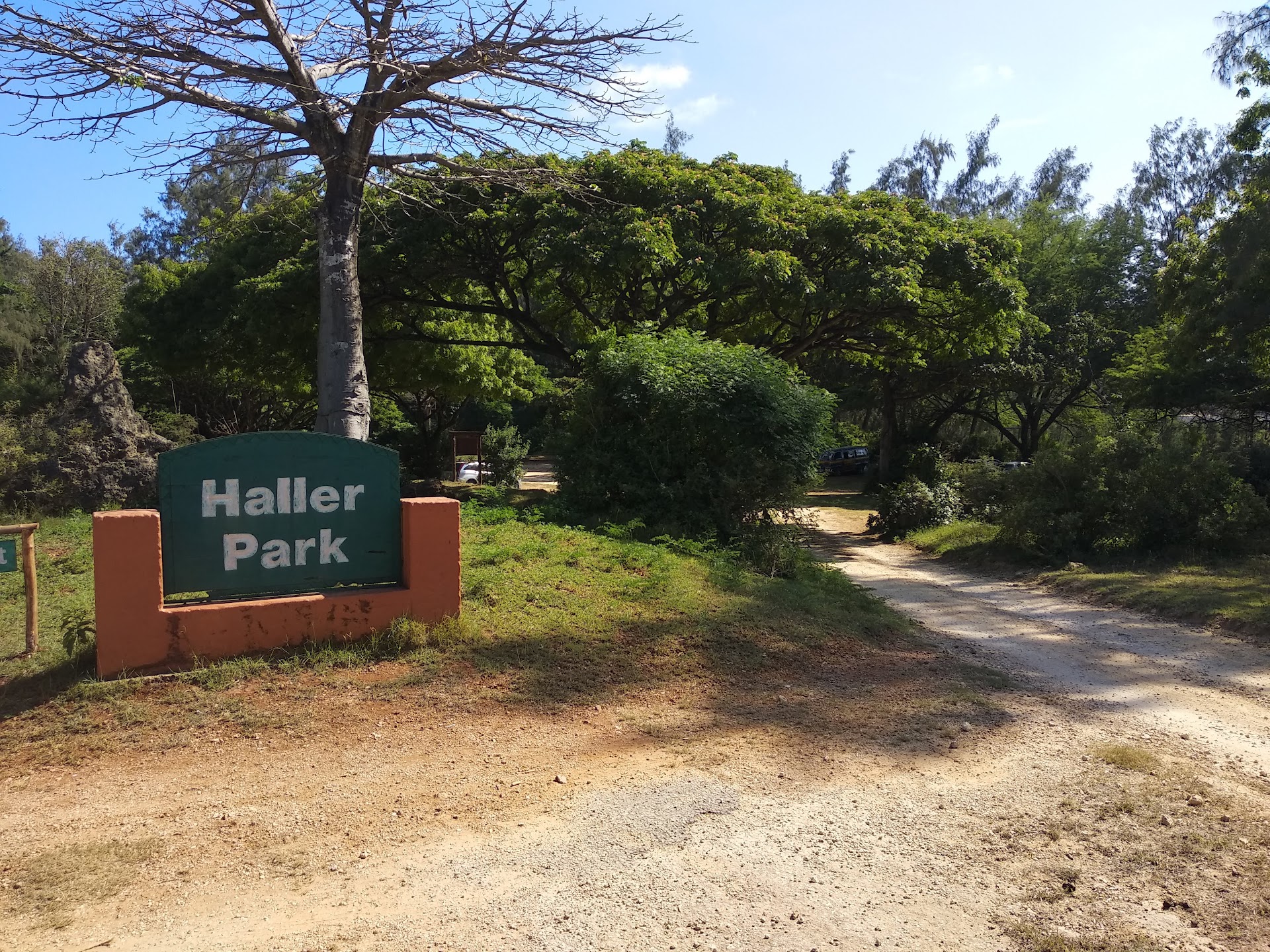
It is a nature park located along Mombasa-Malindi Road in Majengo. The park was established in 1971 after transforming one of Bamburi Cement’s abandoned quarries into an ecological area. It is owned by Lafarge Eco Systems, a subsidiary of Bamburi Cement Limited.
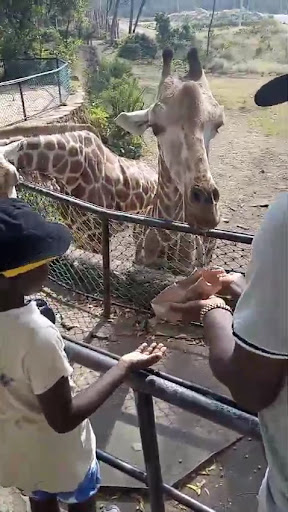
Haller Park is home to a wide variety of wildlife. This includes hippos, fish, giraffes, crocodiles, buffalos, giant Aldabra tortoise, birds, Oryx and Elands. It also has a Butterfly Pavilion – a facility that was established in 1998 to promote the recovery of butterflies that were lost as a result of mining. The pavilion hosts more than 16 species of butterflies.
The park is open from 8 am to 5 pm every weekday with half days on Saturdays and closed on Sundays.
History The Bamburi Portland Cement Company opened a limestone quarry just outside Mombasa in 1954. By 1971, the quarry had left an ugly gaping hole on the scenery of Mombasa, which concerned the management of the company. They decided then to try an experiment to reclaim the land and restore it back into an ecological wilderness. In 1983, the now commercially exhausted quarry, still left a scar on the landscape and the experiment continued.
Findings found that the coastal limestone quarry, formed by ancient corals, is not a good substrate for growing new plants. Another problem encountered, was the water table. Being coastal, the water table is tidal, making the water very brackish. Finding plants that can survive poor soil and salty water was a challenge. Dr Haller, after spending many hours on the dusty floor of the quarry, found only a few ferns growing there.
The first task then, was to find pioneer plants that could withstand the limestone desert, brackish water and poor soil. They must also be able to survive the harsh African sun. Twenty-six varieties of saplings were planted. Only three survived. Between 1971 and 1974, they planted some 12,000 tree saplings. After ten months of steady growth, some of the trees were looking decidedly unhealthy.
After studying healthy trees in another environment, Dr. Haller found a solution - soil nitrates and microorganisms were missing from the near sterile soil. He inoculated the soil, fixed the atmospheric nitrogen, and the trees started to look healthier.
They transplanted young tree saplings from government forests into the quarry. To avoid monoculture planting different types of trees were needed but consideration or their best use needed to be take into account too; timber for construction, poles or fence posts and for charcoal production later.
Some 25 different kinds of trees, so far, have been planted and tested; eucalyptus, neem, algaroba, pinus, baobab, coconut, date palms, banana and mango trees to name a few. Dr Rene meticulously observed nature’s reactions and immediately applied appropriate measures that helped the reforestation process.
Some of the trees are evergreen and shed their needles. These needles were difficult to break down, by the microorganisms, due to their high tannin content. Which caused the establishment of new growth to be slow too as the humus was not adequate.
A lucky incident solved this problem, when the red-legged Mombasa trains (Epibolus pulchripes) happily started to feed on the dry needles. The compost bacteria in the millipedes’ droppings converted the needles into the needed humus. These useful animals, collected from coastal bushes, were an instant success as the millipedes multiplied fast in the young forest. The leaf litter slowly reduced and a layer of humus thickened underneath.
The millipedes had found a land of milk and honey having the forest floor for them only but this happy state of affairs did not last long. Soon they became part of the food chain too, as white tailed mongooses and civets started eating millipedes as they came in the forest...
Read moreHaller Park, located in Mombasa, Kenya, is a stunning and diverse nature park that offers a delightful experience for visitors of all ages. Formerly known as Bamburi Nature Trail, this ecological haven has been transformed from a disused limestone quarry into a thriving ecosystem, making it a prime example of successful environmental conservation and rehabilitation.
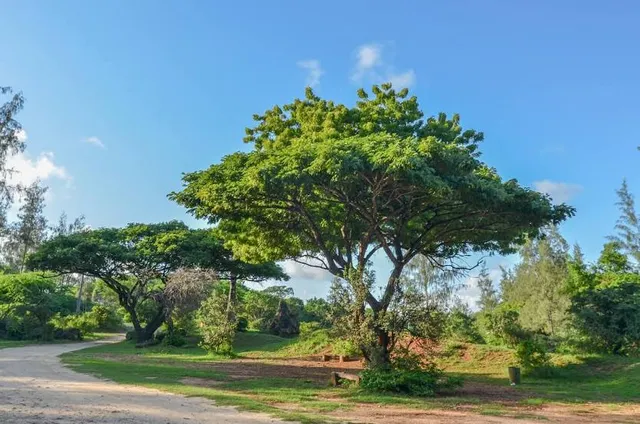
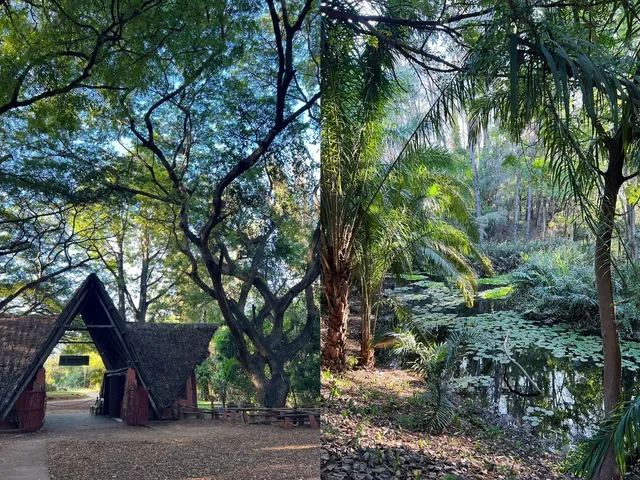
As you step into Haller Park, you'll be greeted by a lush landscape teeming with a rich variety of flora and fauna. The park is home to an array of indigenous plants, including towering trees, vibrant flowers, and other botanical wonders. Its diverse wildlife population is equally captivating, featuring giraffes, hippos, crocodiles, and a multitude of bird species, providing ample opportunities for wildlife enthusiasts and nature lovers to observe and appreciate the beauty of Kenya's natural world.
One of the highlights of a visit to Haller Park is the chance to engage in up-close animal encounters. The park offers guided tours and feeding experiences, allowing guests to interact with some of the resident animals under the supervision of knowledgeable guides. These encounters provide a unique and educational experience, especially for families and children.
Moreover, Haller Park promotes environmental awareness and education through its various conservation initiatives and informative exhibits. Visitors can learn about the park's history, its conservation efforts, and the importance of sustainable practices for the well-being of our planet.
The park's well-maintained walking trails and picnic areas make it an excellent place for leisurely strolls, peaceful contemplation, and enjoyable picnics amidst the picturesque surroundings. Additionally, the on-site amenities, including a gift shop and a restaurant, ensure that guests have a comfortable and enjoyable visit.
In conclusion, Haller Park is a must-visit destination for anyone seeking to experience the beauty of nature, support conservation efforts, and create lasting memories with family and friends. With its captivating blend of wildlife, greenery, and educational opportunities, this remarkable park promises an enriching and unforgettable experience for all who venture within its...
Read moreI am writing to highlight Haller Park in Mombasa for negligible, cramped and unsanitary conditions for some of the animals. I went there at the beginning of this week and although I believe some of the animals are treated well others are living in bad facilities. The park looks run down and outdated and I am skeptical as to where the money for the entrance fee is going and if it is actually being spent for the animals because on my bank statement ( when I paid by card) it is coming up as Lafarge Eco Systems. The main crocodile pond is cramped with too many crocodiles and not enough space for them. The yellow crocodiles are being kept even worse. They have very small concrete pens with water that smells stagnant and no greenery with not enough space to swim properly or move around. The water doesn't seem to be changed anywhere and there seems to be no drainage system. I don't know why the animals are being kept next to what looks like an industrial site with lorries.There is one lone warthog being kept by himself in the animal orphanage which is not right because they like to hang around in groups and I don't believe he is being cared for properly. He needs some company. The reptile house is in decay with the snakes being kept in small concrete enclosures without enough space or greenery or entertainment. The butterflies in the 🦋 pavilion are non existent.One of the giant tortoises who I found wandering about in an area that had rubbish lying around sounds sick ( from his breathing) and needs a vet. This whole place needs a revamp and alot of it needs to be knocked down to give the animals alot more space and a nice quality of life. The nature itself is nice but the animals need to be able to enjoy it. They are not pieces of art to be viewed but sentient creatures that need to live comfortable and fulfilling lives like most people. Funds need to be spent improving this place asap.I have informed Kenya Wildlife...
Read more