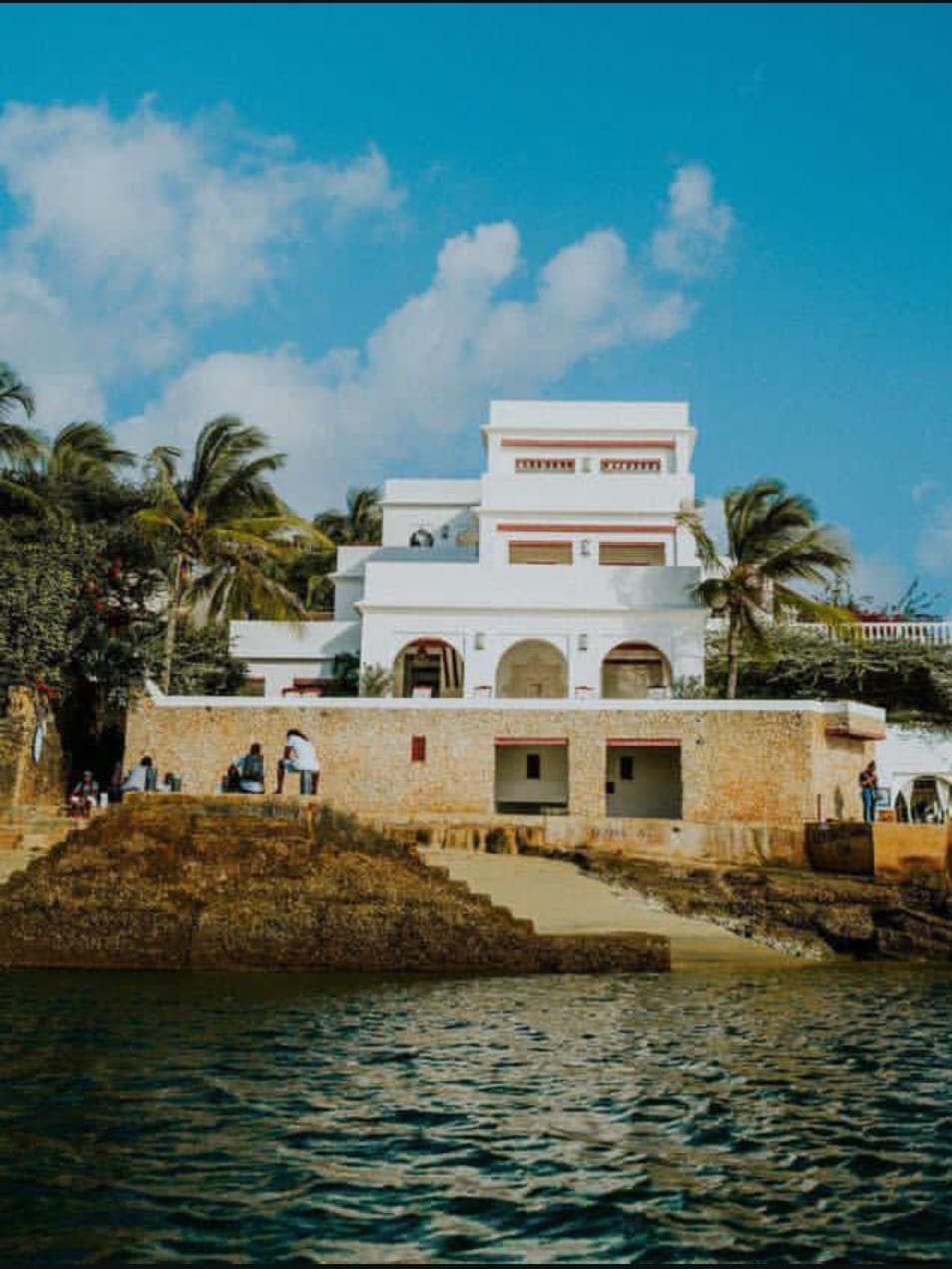
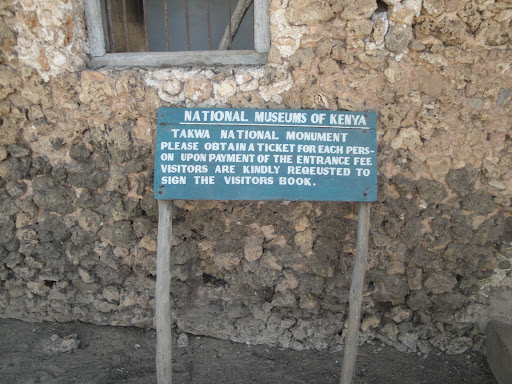
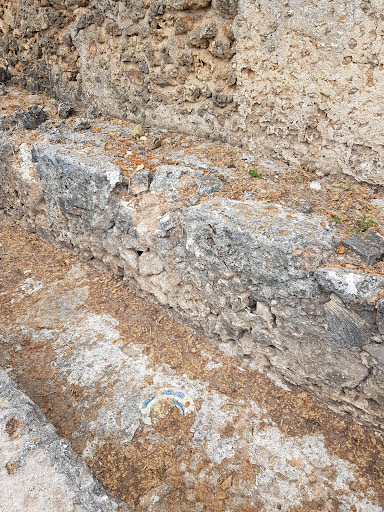
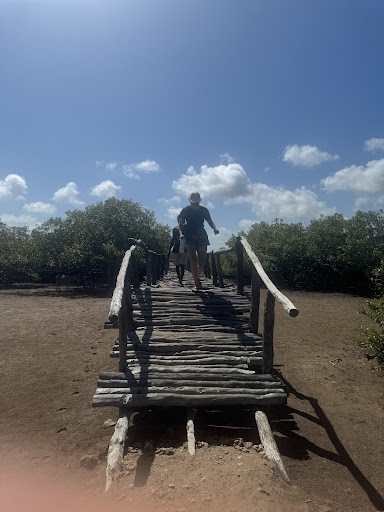
Arguably the best kept ruin in the Lamu archipelago, Takwa emerges when you hit land deep in the Manda Creek. The NMK office is housed in a restored ruin that was once inhabited by the Bajun (a tribe that emerged from the intermarriage of Arab, Portuguese and Chinese sailors with local bantu tribes (Pokomo, Orma,...). The ruins are in a much better state than Siyu or Shanga in neighbouring Pate Island, with swept streets, intact walls, no undergrowth, and with a knowledgable guide to boot. The boardwalk leading from the creek to the ruins needs some work though. Come here to learn about and see Swahili culture in its heyday, with grand mosques and Swahili house architecture that looks North, to Mecca. Despite the love needed to add some signage and labels of the different surving structures and rooms, a trip to Takwa is one to do. If you're lucky to leave there at closing time, be sure to catch the golden hour and setting sun on your way back along the...
   Read moreTakwa ruins is rich in history. It was a thriving 16th century Swahili town that was abandoned after its water turned salty. It is 30 minutes away from Lamu Island on Manda Island and is accessible by boat. The best time to visit the ruins is during high tide since the water levels tend to fall in the mangroves leading to the island. Charges are shs. 100 for locals which caters for the guide who takes you round giving you a history of the place. The main highlights of Takwa ruins are the mosque, the town wall, the well that was abandoned and a baobab tree that is estimated to be over...
   Read moreAnother ancient 15th century Swahili settlement along the Kenyan Coast that was abandoned in the 17th century due to wars and scarcity of potable water. It was gazetted as a national monument in 1982. The ruins are located on Manda island and can be accessed by boat from Lamu island. It is easier to access the ruins during high tides. It is a fairly deserted place with some interesting ruins and artefacts that, unfortunately, have not been well preserved by the concerned...
   Read more