Meru National Park, located in eastern Kenya near the equator, offers a lesser-known but immensely rewarding safari experience. Its map paints a picture of wild, untamed beauty—an intricate mosaic of rivers, forests, and open plains that together form one of Kenya’s most diverse and scenically rich protected areas. Unlike the more commercialized parks, Meru is remote, relatively quiet, and strikingly wild, and the map reflects this with its balance of natural features and minimal infrastructure.
The most striking element on the map is the network of 13 rivers and streams that crisscross the park. These are clearly marked and give shape to the terrain, sustaining lush gallery forests and marshes even in the dry season. The Tana River, Kenya’s longest, forms the park’s southern boundary, and along with the Rojewero and Ura Rivers, it creates natural corridors that draw wildlife year-round. These waterways are highlighted with blue channels and are vital lifelines for the park’s ecosystem.
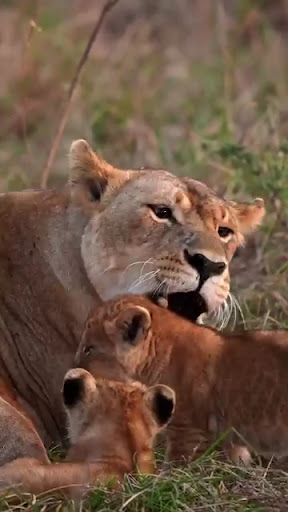
Topographically, the map shows the park as a rolling landscape that rises gently from the lowlands toward the northwest. The elevation and vegetative zones are subtly illustrated with variations in shading, which help to distinguish between acacia-dotted savannahs, dense riverine forests, and open plains. This variety in habitats is key to Meru’s incredible biodiversity, which includes elephants, buffalos, lions, leopards, Grevy’s zebras, and reticulated giraffes—all reflected in the ecosystem layout on the map.
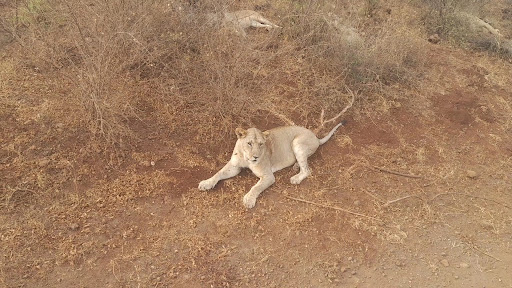
One of the park’s central features—both on the ground and on the map—is Elsa’s Kopje, a rocky hill near the park’s western boundary. Marked prominently, it’s named after Elsa the lioness, made famous by Joy and George Adamson’s “Born Free” story. The surrounding zone is dotted with luxury lodges and ranger posts, and its elevated position offers views of the surrounding plains, a detail the map successfully conveys through topographical relief lines.
Roads and tracks are drawn thin and sparse, accurately reflecting the park’s semi-wilderness character. These routes, mostly unpaved, connect various viewpoints, campsites, and ranger stations such as Murera Gate, Ura Gate, and Bisanadi Gate. The Murera Gate is the main entry point and is well-linked to nearby Meru town. The roads are navigable in dry conditions but often require 4x4 vehicles—something the map’s road texture subtly hints at.
The map includes ranger stations, picnic sites, and designated campsites, helping self-drive visitors and guided tours plan their stops. Notably, the map shows Meru’s connection to adjacent reserves such as Bisanadi National Reserve, allowing a sense of the broader ecosystem. This is important for understanding the park’s conservation role as part of a greater wildlife corridor.
Wildlife concentrations are often near river bends and forest fringes, and while the map doesn’t explicitly label animal territories, it gives enough environmental detail to help experienced travelers predict likely viewing areas. The absence of large clusters of facilities or dense infrastructure shows Meru’s commitment to low-impact, eco-sensitive tourism.
In conclusion, the map of Meru National Park does more than guide—it introduces the visitor to a remote, pristine wilderness teeming with life and history. It’s a map of subtle complexity: tracing rivers, hills, and tracks through one of East Africa’s most authentic safari landscapes. Whether you're chasing the legacy of Elsa the lioness or simply seeking solitude far from the usual tourist trail, this map provides the ideal foundation for a raw and unforgettable journey through...
Read more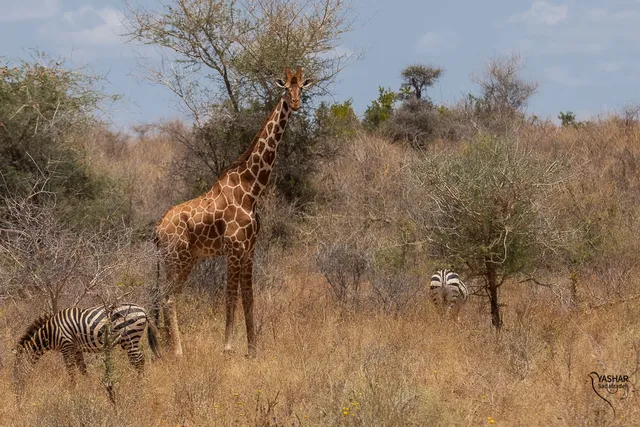

 Learn more insights from Wanderboat AI.