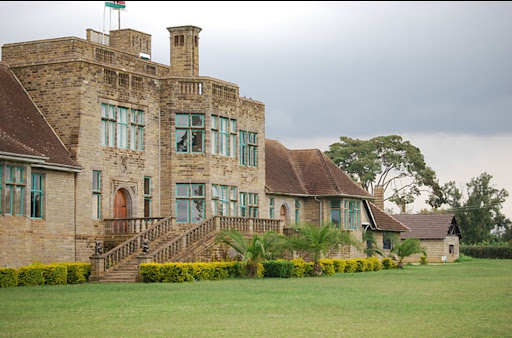
Nakuru is a city in the Rift Valley region of Kenya, situated to the northwest of Nairobi, the capital of the country. It serves as the administrative and economic center of Nakuru County. Here is a description of Nakuru:
Location and Geography:
Nakuru is located along the eastern edge of the Rift Valley and is known for its picturesque setting. The city lies adjacent to Lake Nakuru, a famous alkaline lake known for its abundance of flamingos and other bird species. The region surrounding Nakuru features rolling hills and scenic landscapes.
Economic Significance:
Nakuru plays a crucial role in Kenya's economy, particularly in agriculture and tourism. The fertile lands around the city support farming activities, including the cultivation of flowers, vegetables, and fruits. The agricultural sector contributes significantly to the city's economic growth.
Tourism:
Lake Nakuru National Park, located near the city, is a major tourist attraction. The park is renowned for its diverse wildlife, including rhinos, lions, giraffes, and numerous bird species. The annual migration of flamingos to Lake Nakuru adds to the allure of the area. Additionally, Nakuru has other attractions like Menengai Crater and Hyrax Hill Prehistoric Site.
Urban Development:
Nakuru has experienced urban development over the years, with a mix of modern infrastructure and historical sites. The city center features commercial establishments, government offices, and educational institutions.
Education:
Nakuru is home to several educational institutions, including Egerton University, which originated from Lord Egerton's agricultural school. The presence of academic institutions contributes to the city's vibrant intellectual atmosphere.
Cultural Diversity:
The city is characterized by a diverse population, representing various ethnic groups. This diversity is reflected in the cultural events, traditions, and culinary offerings within Nakuru.
Overall, Nakuru is a city known for its natural beauty, economic significance, and cultural richness, making it an integral part of Kenya's landscape.
Lord Egerton could refer to several individuals, but one notable figure is likely to be Lord Maurice Egerton, a British peer who lived during the late 19th and early 20th centuries. Lord Egerton was known for his philanthropy and involvement in agricultural development in Kenya.
Lord Maurice Egerton, the 4th Baron Egerton of Tatton, inherited significant land in Kenya. In the early 20th century, he dedicated a portion of his estate in Nakuru, Kenya, for the establishment of an agricultural school known as Egerton Farm School. This school later evolved into Egerton University, one of Kenya's prominent institutions of higher learning.
Lord Egerton's contributions to agricultural education and development left a lasting impact on Kenya. Egerton University, named in his honor, continues to be a key player in agricultural research and education...
Read more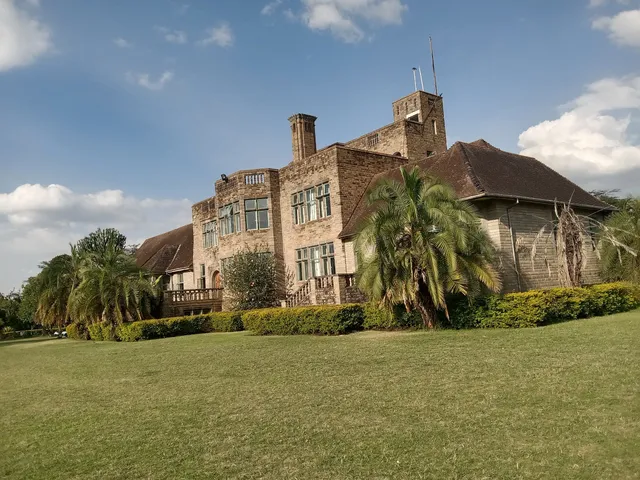
 Learn more insights from Wanderboat AI.