HTML SitemapExplore
Find Things to DoFind The Best Restaurants

Patriarchate of Peć (monastery) — Attraction in District of Peja

Name
Patriarchate of Peć (monastery)
Description
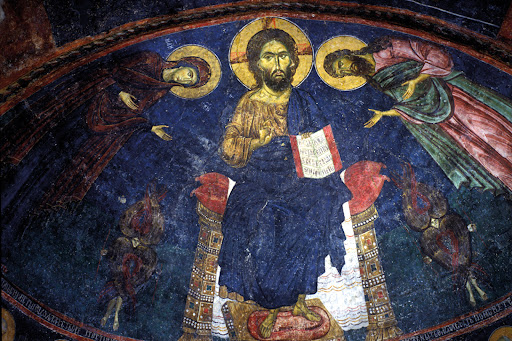
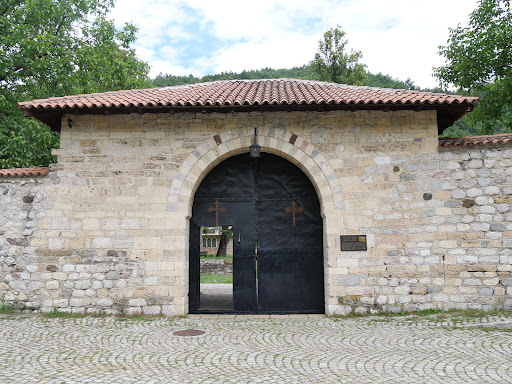
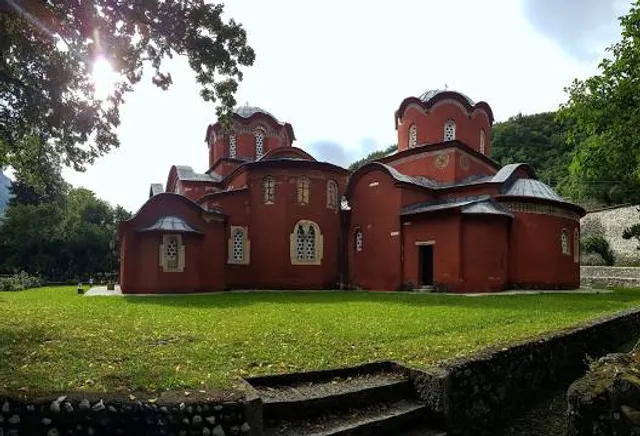
The Patriarchate of Peć Monastery or the Patriarchal Monastery of Peć, is a medieval Serbian Orthodox monastery located near the city of Peja, Kosovo. Built in the 13th century, it became the residence of Serbian Archbishops.
Nearby attractions
Nearby restaurants
Nearby hotels
Related posts
Keywords
Patriarchate of Peć (monastery) tourism.Patriarchate of Peć (monastery) hotels.Patriarchate of Peć (monastery) bed and breakfast. flights to Patriarchate of Peć (monastery).Patriarchate of Peć (monastery) attractions.Patriarchate of Peć (monastery) restaurants.Patriarchate of Peć (monastery) travel.Patriarchate of Peć (monastery) travel guide.Patriarchate of Peć (monastery) travel blog.Patriarchate of Peć (monastery) pictures.Patriarchate of Peć (monastery) photos.Patriarchate of Peć (monastery) travel tips.Patriarchate of Peć (monastery) maps.Patriarchate of Peć (monastery) things to do.
Patriarchate of Peć (monastery) things to do, attractions, restaurants, events info and trip planning
Patriarchate of Peć (monastery)
KosovoDistrict of PejaPatriarchate of Peć (monastery)

Basic Info

Patriarchate of Peć (monastery)

30000 Patrijasiska ulica, Pejë 30000
4.9(523)
Closed
Save
spot

Ratings & Description

Info

The Patriarchate of Peć Monastery or the Patriarchal Monastery of Peć, is a medieval Serbian Orthodox monastery located near the city of Peja, Kosovo. Built in the 13th century, it became the residence of Serbian Archbishops.

Cultural
Scenic
Accessibility
attractions: , restaurants:
logoLearn more insights from Wanderboat AI.
Phone
+383 38 431 799
Website
eparhija-prizren.com
Open hoursSee all hours
Sun9:30 AM - 5 PMClosed

Plan your stay

hotel
Pet-friendly Hotels in District of Peja
Find a cozy hotel nearby and make it a full experience.
hotel
Affordable Hotels in District of Peja
Find a cozy hotel nearby and make it a full experience.
hotel
The Coolest Hotels You Haven't Heard Of (Yet)
Find a cozy hotel nearby and make it a full experience.
hotel
Trending Stays Worth the Hype in District of Peja
Find a cozy hotel nearby and make it a full experience.

Reviews

Get the Appoverlay
Get the AppOne tap to find yournext favorite spots!
Wanderboat LogoWanderboat

Your everyday Al companion for getaway ideas

CompanyAbout Us
InformationAI Trip PlannerSitemap
SocialXInstagramTiktokLinkedin
LegalTerms of ServicePrivacy Policy

Get the app

© 2025 Wanderboat. All rights reserved.

Reviews of Patriarchate of Peć (monastery)

4.9
(523)
avatar
5.0
6y

Patriarchal Monastery of Peć, is a medieval Serbian Orthodox monastery located near the city of Peć, in Kosovo, it is situated by the Peć Bistrica, at the entrance of the Rugova Canyon. Built in the 13th century, it became the residence of Serbian Archbishops. It was expanded during the 14th century, and in 1346, when the Serbian Patriarchate of Peć was created, the Monastery became the seat of Serbian Patriarchs. Monastery complex consists of several churches, and during medieval and early modern times it was also used as mausoleum of Serbian archbishops and patriarchs. The Church of the Holy Apostles of Pec Patriarchate was built by Archbishop Arsenije I /St. Sava’s successor/ in the third decade of the 13th century, when the Bishopric seat was transferred from Zica Monastery to Pec, the mountainous hermitage at the edge of the fertile Metohija plateau. The Church of the Holy Apostles is the oldest church within the Pec Patriarchate monastic complex, planned and built according to the plans of Saint Sava and fresco-painted in 1250. Holy Apostles Church of Pec Patriarchate is unique combination of Rashka school and the Serbian-Byzantine style of architecture, constructed almost exclusively of stone and plastered. When built, the Church of the Holy Apostles was plastered and painted in dark red color /cherry-red/, likewise the Zica Monastery. In the complex of the latter Patriarchate of Pec, northward, the adjacent Church of St. Demetrius was built by Archbishop Nikodim in 1320, while Archbishop Danilo II built the churches of the Holy Archangels dedicated to Virgin Hodegetrios and the small Church of St. Nichola’s on its southern side. A morus nigra tree, 750-years-old, is preserved in the monastery yard, called Šam-dud, planted by Archbishop Sava II between 1263 and 1272. Almost all walls of the monastery are painted in frescoes of great artistic and historical value. The frescoes of the Holy Apostles Church date from different periods, but entire history of the styles of medieval wall painting can be seen on the walls of the Pec churches. The earliest frescoes of the Holy Apostles Church of Pec Patriarchate are in the sanctuary and the area beneath the dome and date from the middle of the 13th century. Those frescoes of the Saint Apostles Church of Pec Patriarchate, characterized by monumental quality and predominantly dark colors may be ranked among the most important achievements of the Serbian painting of the 13th century. The whole Patriarchate of Pec used to be girdled with a wall strengthened with five towers, one of the donjon additionally fortified. Of some monastic facilities, only foundations have survived. The residence at the back of the churchyard were set on fire by Albanian terrorists in 1981; the restoration begun in 1983 when the new residential quarters were erected and the reconstruction works in the northeastern part of the yard were completed in 1991. The Treasury of the Patriarchate of Pec was one of the richest treasuries in the Serbian medieval state. In spite of the unfortunate loss of most of the precious pieces, there is the oldest Cyrillic book of whole Balkans – the “Octoich Petoglasnika”, completed in Cetinje at the beginning of 1494 as the superb example of hand-written books. Today, the The Pec Patriarchate is still one of the most important Serbian Orthodox centers in the region with the sisterhood of 24 nuns. Since 2006 the Pec Patriarchate was accorded protected status as the part of UNESCO cultural Heritage of exceptional...

   Read more
avatar
5.0
1y

At the eastern end of the Rugova Gorge, where the Bistrica River flows into the Dukagjini Plain, is the Peć Patriarchate, the spiritual seat of the Serbian nation and also the mausoleum of the Serbian archbishops and patriarchs. The monastery complex includes four churches, of which the first church, dedicated to the Apostles, was built at the beginning of the 13th century by Archbishop Arsenije I. In 1291, the Serbian church seat moved permanently to the Peć Monastery. In 1324 the Church of St. Demetrius was built and in 1337 the Church of the Holy Mother of God Hodegetria and the Church of St. Nicholas followed. In 1346, the Archbishop of Peć was elevated to Patriarch by King Dušan, making the Serbian Orthodox Church fully autocephalous (independent). Under threat from the Ottomans, the monastery was abandoned in 1463, but in 1557 the Patriarchate of Peć was restored by Grand Vizier Mehmet Sokolli. Many of the current frescoes were painted in the 17th century, including by the famous painters Georgije Mitrofanović and Radul. From the beginning of the 18th century, the influence of the Phanariotes (influential Greek Orthodox families) increased and after Serbs were excluded from the office of patriarch, the Patriarchate of Peć was dissolved in 1766. It was not until 1913 that an archiepiscopal see returned to the monastery. After WWI and the formation of the kingdom of Serbs, Croats and Slovenians, the Serbian Patriarchate is renewed and the primatial seat returns to the Monastery of Peć. The monastery has been on the UNESCO World Heritage List since 2006. Unfortunately, due to the current political climate, the monastery has to be protected by KFOR troops or the Kosovo Police. Nevertheless, the monastery is a beautiful historical and cultural...

   Read more
avatar
5.0
5y

ПЕЋКА ПАТРИЈАРШИЈА је манастирски комплекс код Пећи, на улазу реке Пећке Бистрице у Руговску клисуру. Грађен је од треће деценије XIII века до средине XIV века, а састоји се од главне цркве Св. Апостола, уз коју је са северне стране сазидана црква Св. Димитрија, а са јужне Богородичина црква са црквицом Св. Николе - као и заједничке спољне припрате на западној страни. Средином XIII века, из Жиче је у цркву Св. Апостола премештено седиште српске архиепископије, која је 1346. године уздигнута на ранг патријаршије. После пада Смедерева (1459) и смрти патријарха Арсенија II (1463), патријаршија је била укинута, а њено подручје потчињено Охридској архиепископији. Приликом обнављања Пећке патријаршије 1557. године, велику улогу је имао Мехмед-паша Соколовић, турски велики везир, родом Србин из Старог Влаха. Његов брат Макарије постао је први патријарх обновљене патријаршије (1557-1574). Обнова Пећке патријаршије, духовног и културног средишта српских крајева под турском влашћу, имала је далекосежан значај. За оживљавање градитељске, сликарске и књижевне делатности, обнављање и изградњу храмова, развој живописа и иконописа, осим Макарија Соколовића, нарочито је заслужан Пајсије Јањевац (патријарх 1614-1647). Пећка патријаршија је страдала за време аустро-турског рата крајем XVII века, када су ове области напустили многи Срби, па и патријарх Арсеније III Чарнојевић, а 1776. Турци су је потчинили Цариградској патријаршији. Будуће седиште архиепископије и патријаршије, цркву Св. Апостола, подигао је архиепископ Арсеније I, у другој половини XIII века. Једнобродна поткуполна грађевина, у рашком стилу, има троделну апсиду и попречни брод, те издужен правоугаони простор засведен полуобличастим сводом. Фасада је некад била омалтерисана и обојена црвено попут Жиче, која је служила као градитељски узор. Најстарије фреске потичу из средине XIII века и убрајају се међу најлепше у тадашњем српском сликарству. Бочну цркву Св. Димитрија, складну грађевину основе у облику сажетог уписаног крста са полукружном апсидом и великом осмостраном куполом, те фасадом од наизменичних редова камена и опеке, подигао је, између 1321. и 1324. архиепископ Никодим. Фреске обухватају циклус из живота Св. Димитрија, васељенске саборе и два српска сабора: Св. Саве и Стефана Дечанског. У доба патријарха Пајсија, 1619-1620, поједине фреске обновио је истакнути српски сликар из Хиландара, Георгије Митрофановић. Ктитор Богородичине цркве, саграђене уз јужни зид главног храма око 1330. године био је архиепископ Данило Други. У цркви сличног облика као што је она Св. Димитрија на северној страни, добро су очуване фреске мање даровитих сликара настале око 1337. године. Међу њима истиче се ктиторски портрет Данила II с моделом храма, кога пророк Данило приводи Богородици са Христом. До Богородичине цркве, с јужне стране, Данило II је саградио и црквицу Св. Николе, једнобродну грађевину од камена и опеке. Исти ктитор је око 1337. подигао испред све три цркве пространу отворену припрату са високим звоником, који није сачуван. Патријарх Макарије морао је 1561. да зазида отворе како би обезбедио конструкцију, али је тиме овај првобитни трем са двојним луковима изгубио много од лепоте због које је био слављен. Од малобројних преосталих фресака из времена градње у југоисточном делу, заслужује пажњу Лоза Немањића са двадесетак портрета од Немање до цара Душана. У црквама Пећке патријаршије, која је била маузолеј српских архиепископа и патријарха, сачувано је више мермерних саркофага, од којих су неки знатне уметничке вредности. У ризници, која је била веома богата, чувају се рукописне књиге, иконе и дела примењене уметности од XIV...

   Read more

Page 1 of 7
Previous
Next

Posts

Your browser does not support the video tag.
teetravels_teetravels_
I came to Kosovo with no expectations but it has really surprised me! Amazing hiking, charming cities and the kindest locals 💛 Kosovo is the second youngest country in the world, only getting its independence in 2008😱🇽🇰 I visited Prishtina, Peja and Prizren. Here are my recommendations 👇🏻 📌PRISHTINA: 👉🏻The National University (coolest uni building ever?!) 👉🏻Bill Clinton Statue 👉🏻Cathedral of St Mother Teresa 👉🏻New Born Monument 📌PEJA: 👉🏻Peja Bazar 👉🏻Rugova Canyon 👉🏻Livhadi Sakes Trail 👉🏻Monastery of Pec 👉🏻Lake Lequinat 📌PRIZREN: 👉🏻Hike up to the fortress (great viewpoint at sunset) 👉🏻Walk round the old town 👉🏻Sinan Pasha Mosque 👉🏻Albanian league of Prizren Where would you visit first?👇🏻
Jovan Hadzi-RisticJovan Hadzi-Ristic
Patriarchal Monastery of Peć, is a medieval Serbian Orthodox monastery located near the city of Peć, in Kosovo, it is situated by the Peć Bistrica, at the entrance of the Rugova Canyon. Built in the 13th century, it became the residence of Serbian Archbishops. It was expanded during the 14th century, and in 1346, when the Serbian Patriarchate of Peć was created, the Monastery became the seat of Serbian Patriarchs. Monastery complex consists of several churches, and during medieval and early modern times it was also used as mausoleum of Serbian archbishops and patriarchs. The Church of the Holy Apostles of Pec Patriarchate was built by Archbishop Arsenije I /St. Sava’s successor/ in the third decade of the 13th century, when the Bishopric seat was transferred from Zica Monastery to Pec, the mountainous hermitage at the edge of the fertile Metohija plateau. The Church of the Holy Apostles is the oldest church within the Pec Patriarchate monastic complex, planned and built according to the plans of Saint Sava and fresco-painted in 1250. Holy Apostles Church of Pec Patriarchate is unique combination of Rashka school and the Serbian-Byzantine style of architecture, constructed almost exclusively of stone and plastered. When built, the Church of the Holy Apostles was plastered and painted in dark red color /cherry-red/, likewise the Zica Monastery. In the complex of the latter Patriarchate of Pec, northward, the adjacent Church of St. Demetrius was built by Archbishop Nikodim in 1320, while Archbishop Danilo II built the churches of the Holy Archangels dedicated to Virgin Hodegetrios and the small Church of St. Nichola’s on its southern side. A morus nigra tree, 750-years-old, is preserved in the monastery yard, called Šam-dud, planted by Archbishop Sava II between 1263 and 1272. Almost all walls of the monastery are painted in frescoes of great artistic and historical value. The frescoes of the Holy Apostles Church date from different periods, but entire history of the styles of medieval wall painting can be seen on the walls of the Pec churches. The earliest frescoes of the Holy Apostles Church of Pec Patriarchate are in the sanctuary and the area beneath the dome and date from the middle of the 13th century. Those frescoes of the Saint Apostles Church of Pec Patriarchate, characterized by monumental quality and predominantly dark colors may be ranked among the most important achievements of the Serbian painting of the 13th century. The whole Patriarchate of Pec used to be girdled with a wall strengthened with five towers, one of the donjon additionally fortified. Of some monastic facilities, only foundations have survived. The residence at the back of the churchyard were set on fire by Albanian terrorists in 1981; the restoration begun in 1983 when the new residential quarters were erected and the reconstruction works in the northeastern part of the yard were completed in 1991. The Treasury of the Patriarchate of Pec was one of the richest treasuries in the Serbian medieval state. In spite of the unfortunate loss of most of the precious pieces, there is the oldest Cyrillic book of whole Balkans – the “Octoich Petoglasnika”, completed in Cetinje at the beginning of 1494 as the superb example of hand-written books. Today, the The Pec Patriarchate is still one of the most important Serbian Orthodox centers in the region with the sisterhood of 24 nuns. Since 2006 the Pec Patriarchate was accorded protected status as the part of UNESCO cultural Heritage of exceptional importance in danger.
KoenKoen
At the eastern end of the Rugova Gorge, where the Bistrica River flows into the Dukagjini Plain, is the Peć Patriarchate, the spiritual seat of the Serbian nation and also the mausoleum of the Serbian archbishops and patriarchs. The monastery complex includes four churches, of which the first church, dedicated to the Apostles, was built at the beginning of the 13th century by Archbishop Arsenije I. In 1291, the Serbian church seat moved permanently to the Peć Monastery. In 1324 the Church of St. Demetrius was built and in 1337 the Church of the Holy Mother of God Hodegetria and the Church of St. Nicholas followed. In 1346, the Archbishop of Peć was elevated to Patriarch by King Dušan, making the Serbian Orthodox Church fully autocephalous (independent). Under threat from the Ottomans, the monastery was abandoned in 1463, but in 1557 the Patriarchate of Peć was restored by Grand Vizier Mehmet Sokolli. Many of the current frescoes were painted in the 17th century, including by the famous painters Georgije Mitrofanović and Radul. From the beginning of the 18th century, the influence of the Phanariotes (influential Greek Orthodox families) increased and after Serbs were excluded from the office of patriarch, the Patriarchate of Peć was dissolved in 1766. It was not until 1913 that an archiepiscopal see returned to the monastery. After WWI and the formation of the kingdom of Serbs, Croats and Slovenians, the Serbian Patriarchate is renewed and the primatial seat returns to the Monastery of Peć. The monastery has been on the UNESCO World Heritage List since 2006. Unfortunately, due to the current political climate, the monastery has to be protected by KFOR troops or the Kosovo Police. Nevertheless, the monastery is a beautiful historical and cultural destination.
See more posts
See more posts
hotel
Find your stay

Pet-friendly Hotels in District of Peja

Find a cozy hotel nearby and make it a full experience.

I came to Kosovo with no expectations but it has really surprised me! Amazing hiking, charming cities and the kindest locals 💛 Kosovo is the second youngest country in the world, only getting its independence in 2008😱🇽🇰 I visited Prishtina, Peja and Prizren. Here are my recommendations 👇🏻 📌PRISHTINA: 👉🏻The National University (coolest uni building ever?!) 👉🏻Bill Clinton Statue 👉🏻Cathedral of St Mother Teresa 👉🏻New Born Monument 📌PEJA: 👉🏻Peja Bazar 👉🏻Rugova Canyon 👉🏻Livhadi Sakes Trail 👉🏻Monastery of Pec 👉🏻Lake Lequinat 📌PRIZREN: 👉🏻Hike up to the fortress (great viewpoint at sunset) 👉🏻Walk round the old town 👉🏻Sinan Pasha Mosque 👉🏻Albanian league of Prizren Where would you visit first?👇🏻
teetravels_

teetravels_

hotel
Find your stay

Affordable Hotels in District of Peja

Find a cozy hotel nearby and make it a full experience.

Get the Appoverlay
Get the AppOne tap to find yournext favorite spots!
Patriarchal Monastery of Peć, is a medieval Serbian Orthodox monastery located near the city of Peć, in Kosovo, it is situated by the Peć Bistrica, at the entrance of the Rugova Canyon. Built in the 13th century, it became the residence of Serbian Archbishops. It was expanded during the 14th century, and in 1346, when the Serbian Patriarchate of Peć was created, the Monastery became the seat of Serbian Patriarchs. Monastery complex consists of several churches, and during medieval and early modern times it was also used as mausoleum of Serbian archbishops and patriarchs. The Church of the Holy Apostles of Pec Patriarchate was built by Archbishop Arsenije I /St. Sava’s successor/ in the third decade of the 13th century, when the Bishopric seat was transferred from Zica Monastery to Pec, the mountainous hermitage at the edge of the fertile Metohija plateau. The Church of the Holy Apostles is the oldest church within the Pec Patriarchate monastic complex, planned and built according to the plans of Saint Sava and fresco-painted in 1250. Holy Apostles Church of Pec Patriarchate is unique combination of Rashka school and the Serbian-Byzantine style of architecture, constructed almost exclusively of stone and plastered. When built, the Church of the Holy Apostles was plastered and painted in dark red color /cherry-red/, likewise the Zica Monastery. In the complex of the latter Patriarchate of Pec, northward, the adjacent Church of St. Demetrius was built by Archbishop Nikodim in 1320, while Archbishop Danilo II built the churches of the Holy Archangels dedicated to Virgin Hodegetrios and the small Church of St. Nichola’s on its southern side. A morus nigra tree, 750-years-old, is preserved in the monastery yard, called Šam-dud, planted by Archbishop Sava II between 1263 and 1272. Almost all walls of the monastery are painted in frescoes of great artistic and historical value. The frescoes of the Holy Apostles Church date from different periods, but entire history of the styles of medieval wall painting can be seen on the walls of the Pec churches. The earliest frescoes of the Holy Apostles Church of Pec Patriarchate are in the sanctuary and the area beneath the dome and date from the middle of the 13th century. Those frescoes of the Saint Apostles Church of Pec Patriarchate, characterized by monumental quality and predominantly dark colors may be ranked among the most important achievements of the Serbian painting of the 13th century. The whole Patriarchate of Pec used to be girdled with a wall strengthened with five towers, one of the donjon additionally fortified. Of some monastic facilities, only foundations have survived. The residence at the back of the churchyard were set on fire by Albanian terrorists in 1981; the restoration begun in 1983 when the new residential quarters were erected and the reconstruction works in the northeastern part of the yard were completed in 1991. The Treasury of the Patriarchate of Pec was one of the richest treasuries in the Serbian medieval state. In spite of the unfortunate loss of most of the precious pieces, there is the oldest Cyrillic book of whole Balkans – the “Octoich Petoglasnika”, completed in Cetinje at the beginning of 1494 as the superb example of hand-written books. Today, the The Pec Patriarchate is still one of the most important Serbian Orthodox centers in the region with the sisterhood of 24 nuns. Since 2006 the Pec Patriarchate was accorded protected status as the part of UNESCO cultural Heritage of exceptional importance in danger.
Jovan Hadzi-Ristic

Jovan Hadzi-Ristic

hotel
Find your stay

The Coolest Hotels You Haven't Heard Of (Yet)

Find a cozy hotel nearby and make it a full experience.

hotel
Find your stay

Trending Stays Worth the Hype in District of Peja

Find a cozy hotel nearby and make it a full experience.

At the eastern end of the Rugova Gorge, where the Bistrica River flows into the Dukagjini Plain, is the Peć Patriarchate, the spiritual seat of the Serbian nation and also the mausoleum of the Serbian archbishops and patriarchs. The monastery complex includes four churches, of which the first church, dedicated to the Apostles, was built at the beginning of the 13th century by Archbishop Arsenije I. In 1291, the Serbian church seat moved permanently to the Peć Monastery. In 1324 the Church of St. Demetrius was built and in 1337 the Church of the Holy Mother of God Hodegetria and the Church of St. Nicholas followed. In 1346, the Archbishop of Peć was elevated to Patriarch by King Dušan, making the Serbian Orthodox Church fully autocephalous (independent). Under threat from the Ottomans, the monastery was abandoned in 1463, but in 1557 the Patriarchate of Peć was restored by Grand Vizier Mehmet Sokolli. Many of the current frescoes were painted in the 17th century, including by the famous painters Georgije Mitrofanović and Radul. From the beginning of the 18th century, the influence of the Phanariotes (influential Greek Orthodox families) increased and after Serbs were excluded from the office of patriarch, the Patriarchate of Peć was dissolved in 1766. It was not until 1913 that an archiepiscopal see returned to the monastery. After WWI and the formation of the kingdom of Serbs, Croats and Slovenians, the Serbian Patriarchate is renewed and the primatial seat returns to the Monastery of Peć. The monastery has been on the UNESCO World Heritage List since 2006. Unfortunately, due to the current political climate, the monastery has to be protected by KFOR troops or the Kosovo Police. Nevertheless, the monastery is a beautiful historical and cultural destination.
Koen

Koen

See more posts
See more posts