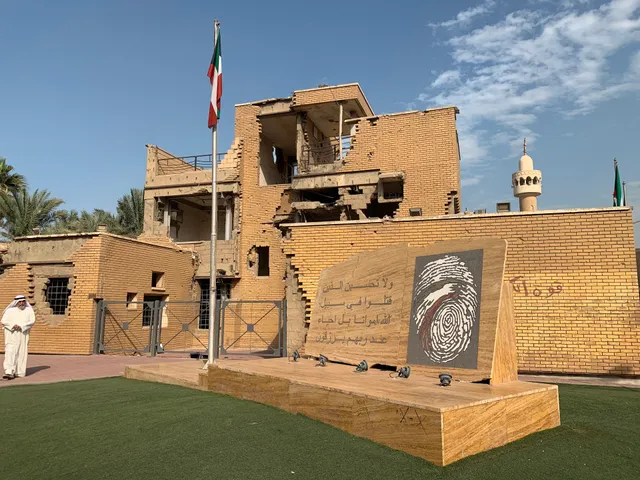
The Al-Qurain Martyrs Museum is a significant historical site located in the Al-Qurain district of Kuwait City. It stands as a solemn tribute to the bravery and sacrifice of 19 young Kuwaiti resistance fighters during the Iraqi invasion of 1990-1991.
Historical Significance:
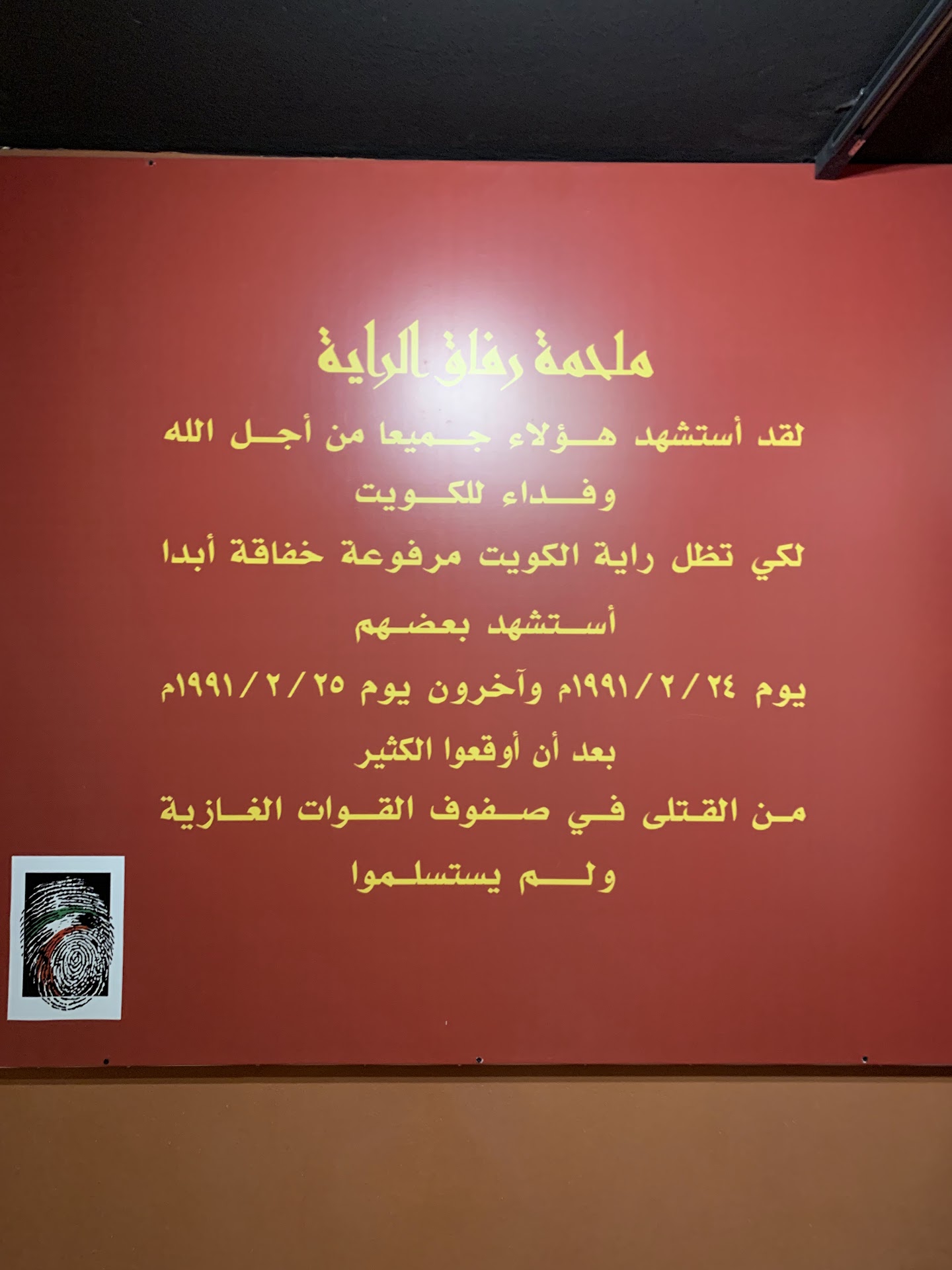
On February 24, 1991, these 19 members of the "Al-Messila" resistance group were preparing an operation against Iraqi forces when they were unexpectedly discovered by an Iraqi patrol. This encounter escalated into an intense 10-hour battle. Despite being heavily outnumbered and outgunned, the Kuwaiti fighters displayed remarkable courage. By the end of the confrontation, 12 members had been martyred, and 7 survived.
The Museum Today:
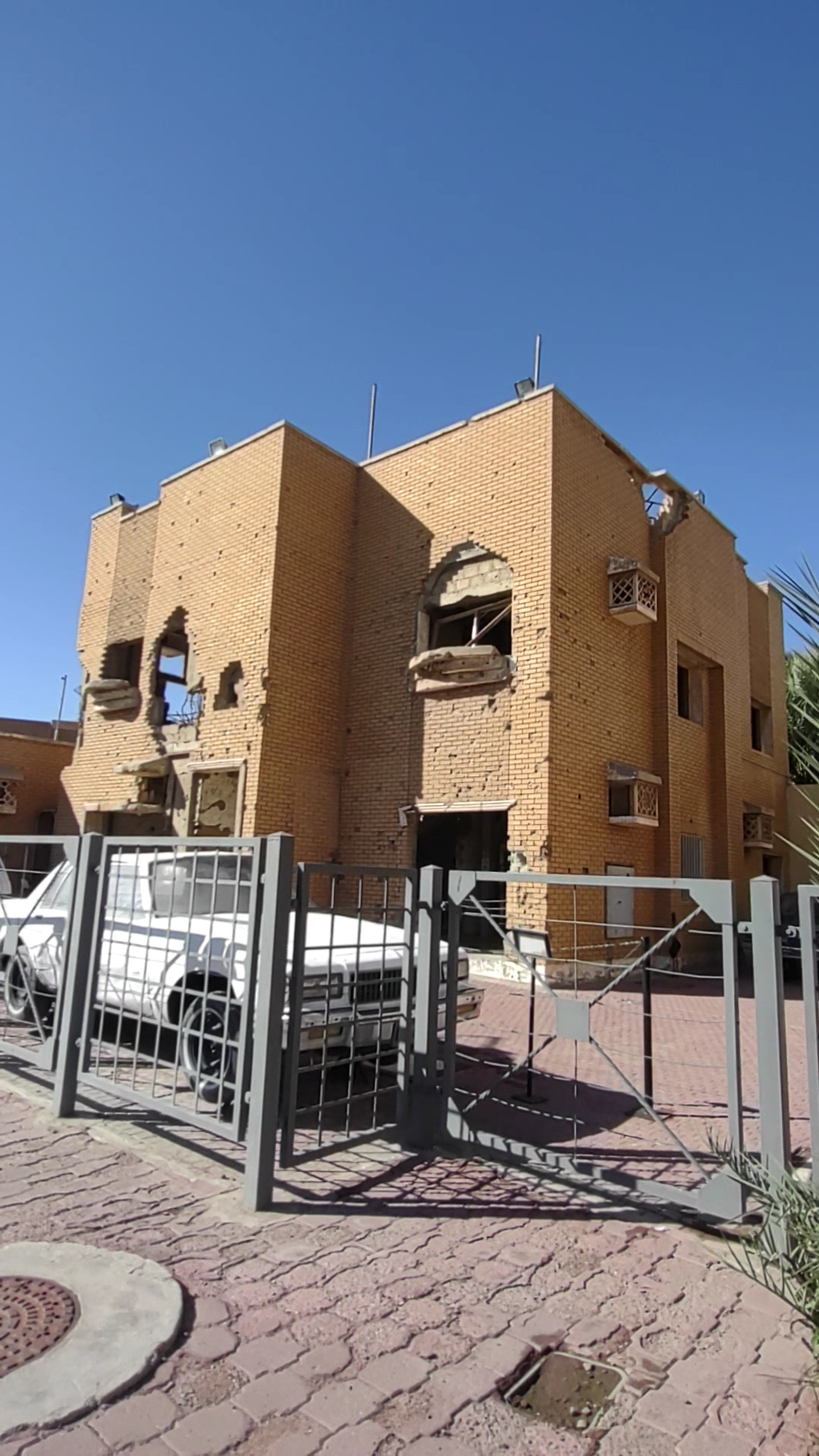
The house where this battle took place has been preserved in its post-battle state and transformed into the Al-Qurain Martyrs Museum. Visitors can observe the structural damage, including bullet holes and destruction caused by grenades and tanks, offering a stark visual reminder of the conflict. Exhibits within the museum display weapons used during the battle, personal belongings of the fighters, and photographs that narrate the story of their resistance.
Visiting Information:... .
Location: Al-Qurain district, Kuwait City.....
Best Time to Visit: The museum is open year-round, but the cooler months from November to April provide a more comfortable experience.
Access: Visitors can reach the museum by taxi or public transportation from Kuwait City.
Visitor Tips:..
Allocate 2-3 hours to fully explore the museum and grasp the depth of its historical significance...
Consider taking a guided tour for a more comprehensive understanding of the events and exhibits. .....
Be mindful of the solemn nature of the site; it's a place of remembrance and respect. ...
The Al-Qurain Martyrs Museum not only commemorates the heroism of Kuwaiti resistance fighters but also serves as a poignant reminder of the nation's resilience and unity during a pivotal moment in...
Read moreA place that I’ve been too many times as a kid and continue to go to as an adult (especially on national or liberation day). It’s a sad reminder of the Iraqi invasion in 1990-91.
Many Kuwaiti citizens with no training formed resistance groups during the first gulf war. One such group was Almassilah group that used Alqurain “house” as a base. Iraqi troops discovered the group by chance when they were looking for houses to steal. Iraqi soldiers asked for back up and attacked the group in that house. Three Kuwaitis were killed straight away (places of their deaths are marked in the museum). Several, around 7, were captured, tortured and then eventually killed and several others managed to hide (the place they used to hide is also marked in the museum).
Considerable effort was put to maintain this place and I think it was recently extended to put photos of other martyrs and prisoners of war (who were killed also). Also, there are many letters displayed (in Arabic) in the new extension. These letters were exchanged between Iraqi officials at the time of invasion. Some weapons are also displayed in that area.
Entry is free of charge. There are guides if needed.
I noticed ramps for wheelchair users but upper floors can only be accessed through the stairs.
Personally, I think every resident in Kuwait should visit this place.
If you like this review please give...
Read moreThis house in the Qurain region in Kuwait was one of the centers of the Kuwaiti resistance during the Iraqi invasion of Kuwait and a battle took place on February 24, 1991, where 12 members of the resistance were martyred . The National Council for Culture& Arts transformed the house into a museum to commemorate the martyrs and this epic. Sheikh Jaber Al-Ahmad Al-Jaber Al-Sabah ordered the conversion of the house in which the battle took place to a historical museum.
The battle of Beit al-Qurain is a national epic battle that highlights the role of the Kuwaiti resistance during the Iraqi invasion, as it united all segments of Kuwaiti society.
During his visit to the museum on April 14, 1994, Coalition Forces Commander Norman Schwarzkopf said: “When I’m in this house it makes me wish that we had come four days earlier, then perhaps this tragedy would not...
Read more