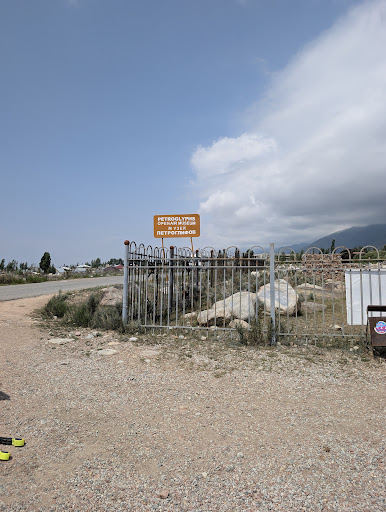
The Petroglyphs Museum in Cholpon Ata offered an okay experience, but it didn't leave us particularly excited. While the petroglyphs themselves were interesting, we found the overall presentation and exhibits to be somewhat lacking. The museum's atmosphere and interpretation of the ancient rock carvings didn't quite meet our expectations.
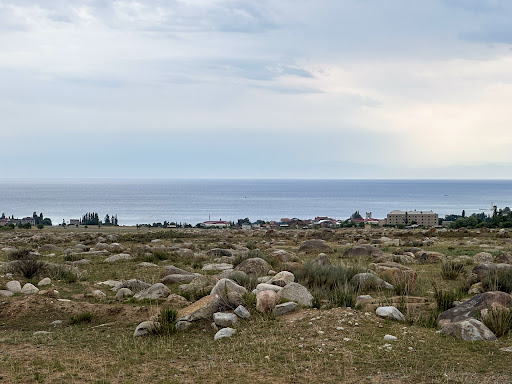
The location near Lake Issyk-Kul was beautiful, but we felt that the museum could have done more to enhance the visitor experience. Perhaps additional interactive elements or more detailed information about the petroglyphs and their historical context would have made the visit more engaging.
Overall, the Petroglyphs Museum was okay, but it didn't quite live up to our expectations. While it's worth visiting for those with a keen interest in history, we left feeling that there was potential for more to be done to make the experience truly exciting and...
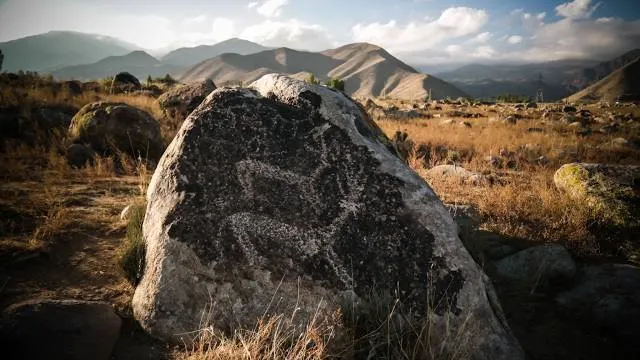
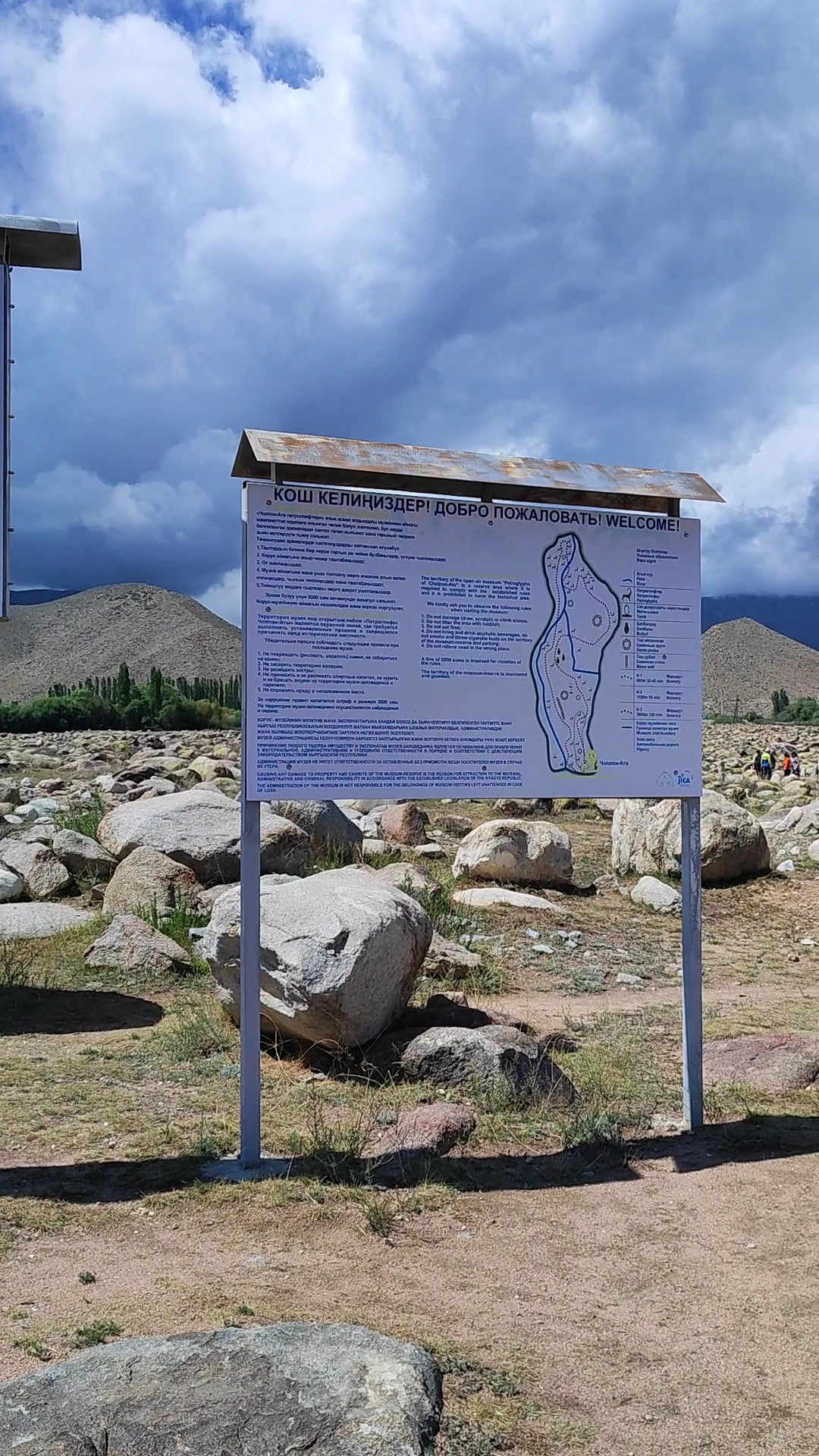
Read moreThis is an outdoor museum with more than 500 stone paintings dating back to 2000 BC. It was within walking distance of the city. However, the site is very large, so consider a lot of walking. The snow leopard paintings are hard to find, but they are located quite far back in the museum. Also, as I found out at the end, there was a snow leopard drawing in the most visible place (I asked the staff).
It was a good thing I was wearing UV-protective clothing, as even in late June the sun can be strong and physically draining. You should also prepare a litre of water.
You can get there by number 303, Marsztka. Due to the rain the day before, there were black clouds on the mountain side that day, and it also rained just a little. It would be best to have a jacket ready to...
Read moreWe travelled from Ashu Guest House along Issyk-Kul Lake to Karakol. A relatively long drive but lots to see and small villages to pass through. Plus many historic sites such as the Petrogliphs Museum. This is just north-west of the city of Cholpon-Ata’s and is really an open-air museum, sometimes nicknamed “the stone garden”. It is located on a territory of 42 ha (104 acres) that includes both petroglyphs, images carved on stones, and prehistoric structures and monuments. Some date back to the end of the Bronze Age but most of them were carved by the Saka-Usun tribes (from the 8th century B.C. to the 1st century A.C.). This was before the Kyrgyz people arrived in the region. For the Saka, this territory, nowadays turned into a museum, was...
Read more