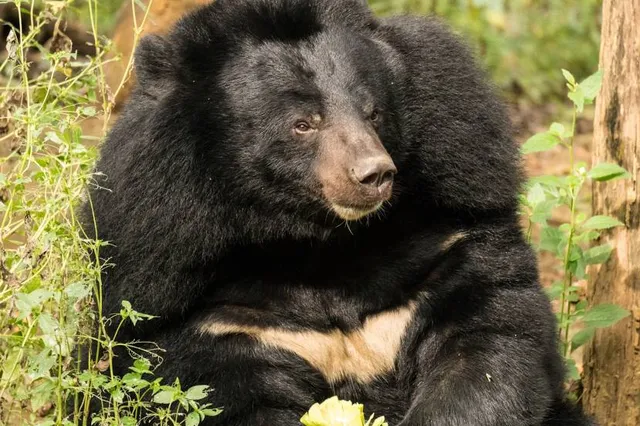
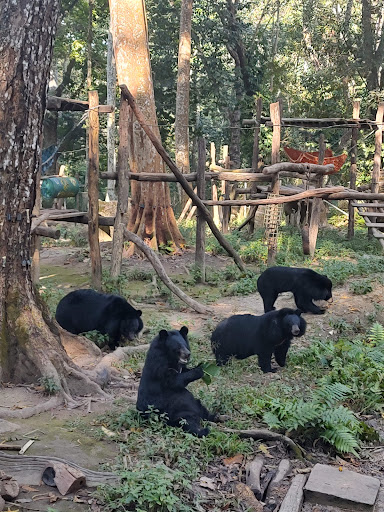
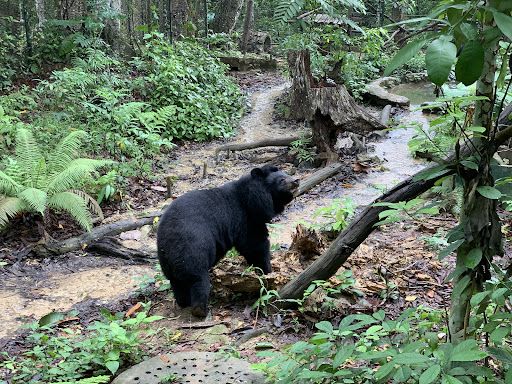
July 2018 - Asia Tour - In collaboration with the Laos Department of Forestry, construction of the Tat Kuang Si Bear Rescue Centre in Luang Prabang began in 2003. Eventually three bear houses were built with a capacity for 25 rescued bears.
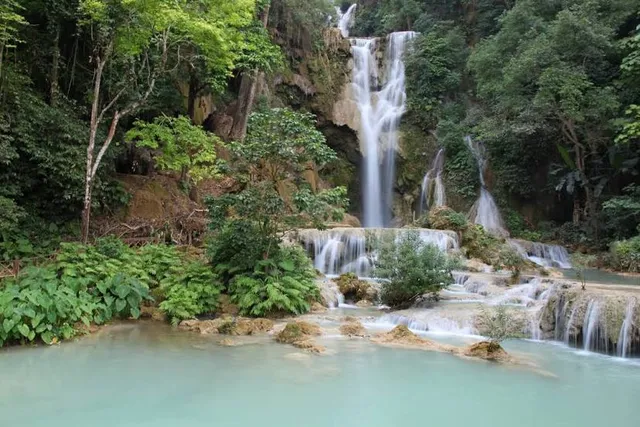
In 2013, the world's first ever neurosurgery on a bear relieved our beautiful moon bear ChamPa of the pain associated with hydrocephaly. 2014 saw completion of a Bear Discovery Trail to educate the 200,000+ tourists who pass the Bear Rescue Centre on their way to visit the famous Kuang Si waterfall.
After a spate of bear rescues filled the Bear Rescue Centre, it became clear that we'd need to expand and in late 2017 we opened the first bear house at our new Luang Prabang Wildlife Sanctuary
Since this time we've had record rescues of bears. most of which are orphaned cubs). More than 100 bears have been rescued in Laos. We've built six bear houses at the new sanctuary and are planning (and fundraising) for more in preparation for additional rescues, growing cubs and bile farm closures.
The Luang Prabang Wildlife Sanctuary also has enclosures and facilities for many other endangered wildlife species we've rescued including macaques, leopard cats, tortoises, birds, civets, and even endangered red pandas, intercepted after being smuggled from China into Laos.
A Wildlife Hospital, cub nursery, Quarantine House and Pangolarium (for rescued pangolins and other reptiles) were all completed in 2019. In 2019 we also had our first release of rehabilitated wildlife to protected forest, a proud moment.
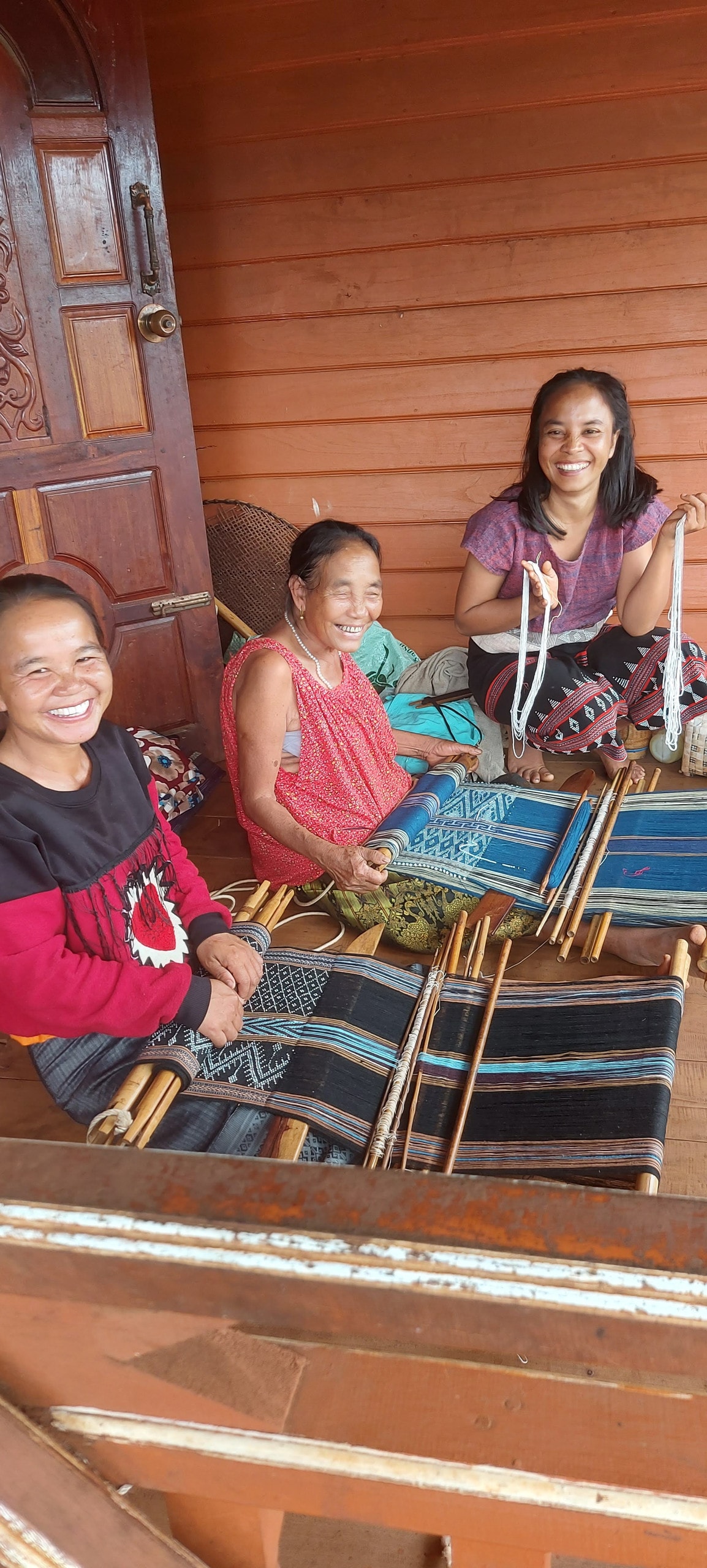
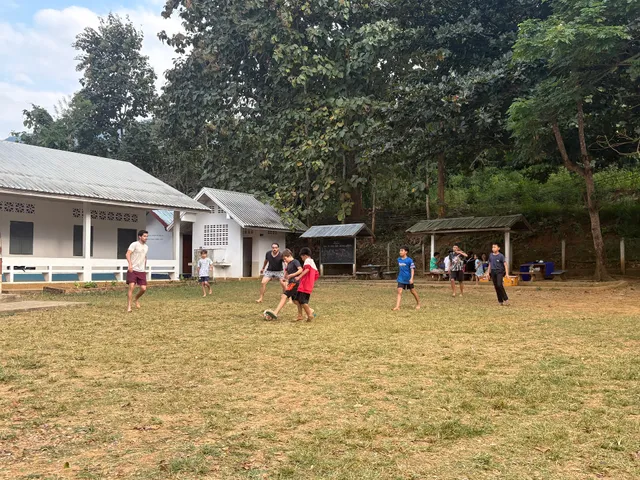
We're providing valuable training, employment opportunities and alternative livelihoods to government officials, local villagers and youth, who are destined to become Lao's future wildlife warriors. We'd love for you to visit as a volunteer to help us care for rescued wildlife and develop...
Read moreI cannot believe people are falling for this pathetiic excuse of a "sanctuary" for bears. Coming from Northern Canada where there actually are wild bears in our forests, it took me about 3 seconds to realize these bears are tranquilized obviously to promote tourism. There were loud people all around! The "enclosure" was 5 ft high, with higher platforms where the bears "slept". As well as large trees right along their fenceline (easy for a bear to climb out of the enclosure). Yet, not one of the 4 large bears (including the one resting casually in a hammock) stirred with all the commotion of people passing by. 3 hours later, as we walked to the exit, I felt the urge to check on the bears again. No surprise, there were no bears in this enclosure. There were 2 other areas with glass viewing where very active cubs were keeping the tourists occupied... If you stopped and listened carefully, you could hear a growl coming from the barn area's at staff quarters. It was an angry growl, and with each new growl you could tell the animal was trying to free himself from something... then you heard the chains clatter in the ground... If I had to guess, they tranquilize these bears and prop them up for the benefit of tourists. Once they begin to wake up they are removed from the viewing area and tied safely away... Wish I had more time to explore my theory but it was our last day there.... feel so sorry for these...
Read moreMy wife and I paid for a 2 hour tour with a guide, Neth. He was very familiar with the bears, their individual histories (most were pets or rescued from bile farms), and the ecology of these moon bears. Their other location also has sun bears and other rescued animals.
The tour allows you to see more of the facility, learn about the organizations efforts to rescue bears (including two new bears they hadn't yet named!), and prepare food to give to the bears. On the tour you get to witness little things like how the bears will make a clicking sound with one another to avoid conflict, what exactly they feed them, and their weights per month (something you don't get by passing by to the waterfalls). We also learned about how they coordinate with the Lao government to find bears to rescue and pay villagers to remove snares installed by poachers. The place is small but has 20+ bears that are separated into areas depending on their age and temperament with one another.
The donation goes to a great cause, and it appears they have long term plans to eventually teach some of the bears to return to the wild in the...
Read more