Also known as the Castle of Mseilha or Puy du Connétable, dates back to the Crusader period and was initially constructed in the 17th century. It is thought to have been built under Emir Fakhreddine II, who ruled from 1590-1635, as part of his military strategy to guard the route from Tripoli to Beirut. The fort has been restored several times over the centuries.
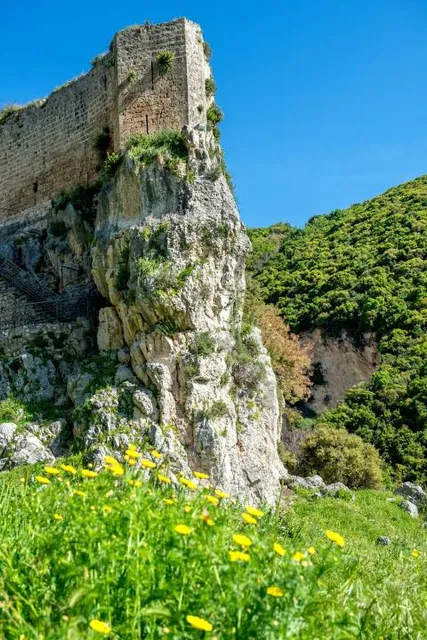
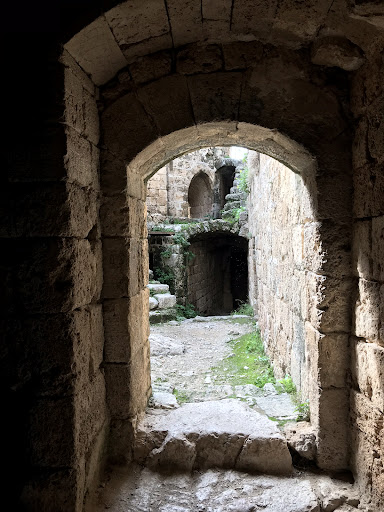
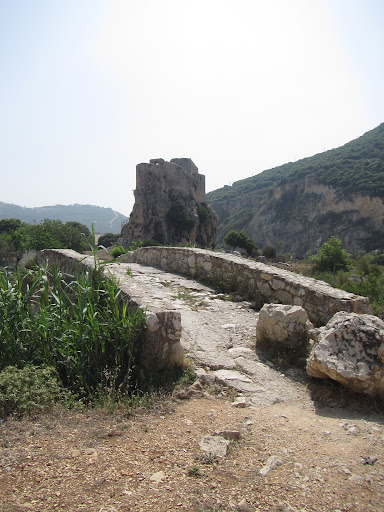
The fort's structure reflects the military architecture of its time. The main building consists of two floors: the first floor served as the soldiers' quarters, while the second floor, which has a central room surrounded by several smaller rooms, was most likely used as a command center. The fort is built on a long, narrow limestone rock near the river, and a wall was erected to close off the site from the western side.
Now, visitors can explore the fort's interior and enjoy the panoramic views of the surrounding valley and river from its top. The path to the fort and the area surrounding it are also excellent for hiking, and there's a picnic area where visitors can relax and enjoy the natural beauty...
Read moreThe Musailha Castle in Batroun is one of the greatest monuments in North Lebanon and one of the main features of North Lebanon tourism and its famous icons as it was printed on the 25-lira banknote that was used before the civil war. The name of the Musailha Castle in Batroun means the armed or fortified place, and studies and accounts differ about the history of its construction, as some historians say that it dates back to the last Ayyubid era, and others say that it was built by the Crusaders, but most studies indicate that it was built by the Lebanese Prince Fakhr al-Din II al-Ma’ani. The castle was used throughout the ages for defensive military purposes, and today it is one of the most famous tourist...
Read moreMseilha Fort (قلعة المسيلحة) is a 17th-century fortress built by Emir Fakhr al-Din II around 1624 to guard the vital coastal route between Tripoli and Beirut. Perched dramatically on a narrow limestone ridge above the Nahr el-Jaouz river near Batroun, it features thick sandstone walls, vaulted rooms, and arrow slits, blending Ottoman construction with traces of earlier Crusader defenses. The fort, once depicted on Lebanon’s 25-lira banknote, has been restored in recent years and remains a striking historic landmark. Behind it lies the Mseilha Walkaway, an easy 11–12 km hiking trail along the valley, making the site a mix of cultural heritage and...
Read more