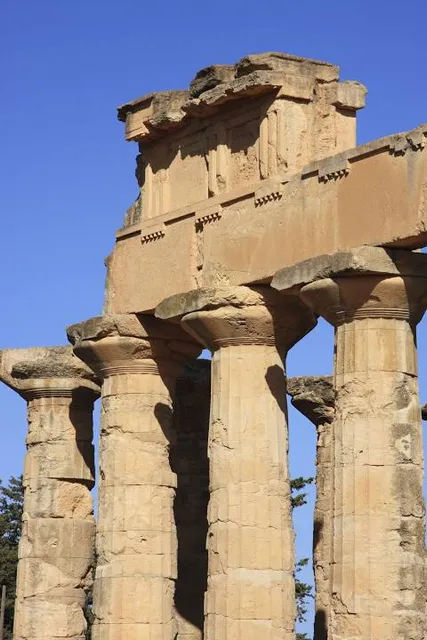
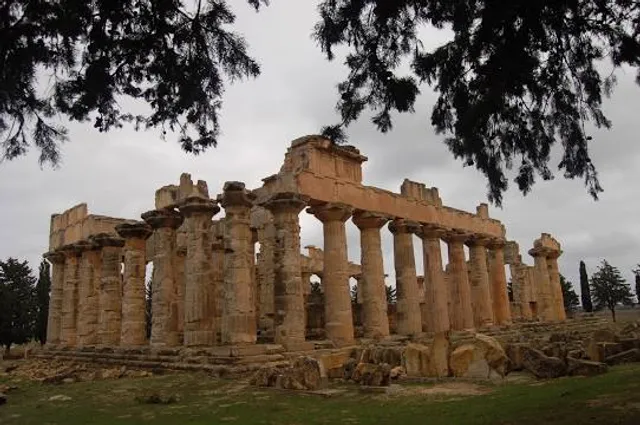
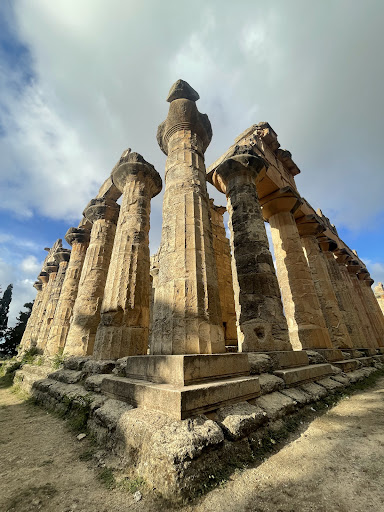
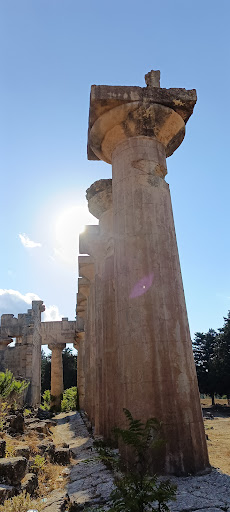
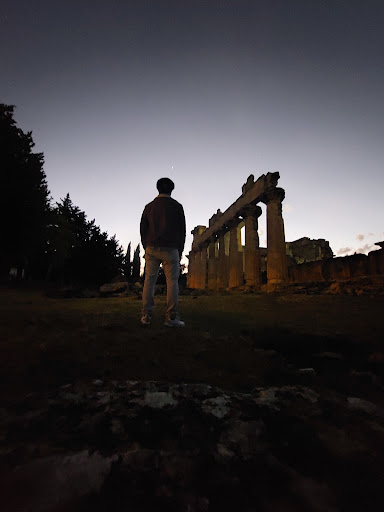
The Temple of Zeus in Cyrene stands as one of the most magnificent testimonies to ancient Greek architecture and religious devotion in North Africa. This extraordinary archaeological site represents not just a place of worship, but a symbol of the cultural and historical richness that once flourished in this region. Walking through these ruins, one can almost feel the presence of ancient civilizations that gathered here centuries ago, making it an invaluable treasure for understanding our shared human heritage. The temple's architectural grandeur, even in its current state, demonstrates the sophisticated engineering and artistic excellence of the ancient world. The remaining columns, the sacred layout, and the sheer scale of the structure all speak to the importance this site held in antiquity. For historians, archaeologists, and anyone interested in ancient civilizations, this is truly a priceless monument that deserves recognition alongside the world's most celebrated historical landmarks. What makes this site even more remarkable is its unique position as a bridge between Greek and African cultures, showcasing how ancient civilizations exchanged ideas, beliefs, and artistic traditions across the Mediterranean. The Temple of Zeus in Cyrene is not just a local treasure—it's a world heritage site that tells the story of humanity's cultural evolution. However, it is deeply unfortunate that after 56 years of neglect and lack of proper attention, this magnificent historical site remains relatively unknown to the world. Such an important monument deserves far better care, preservation efforts, and international recognition than it...
Read moreThe Temple of Zeus in Cyrene, Libya or the “Temple of Zeus in Shahat” is the largest Greek temple in Libya dedicated to Zeus, the chief of the Greek gods. It is larger than the Parthenon in Athens. The temple is considered the second largest on the list of temples dedicated to the worship of the great Greek gods, after the temple and altar of "Zeus" and "Hera" in the sacred city of Olympia. The history of the construction of the temple dates back to the fifth century BC, when it was built at that time with huge columns in the classic Doric style. It was demolished following the rebellion of the Jews in the city between the years 116-117 AD. Where it was rebuilt by Emperor Commodus. The area of the temple is 70 * 32 meters, with two rows of classic Doric columns. The temple had a statue of Zeus whose size was twelve times greater than the size of a natural person. In the Roman era, Emperor Augustus presented an exact copy of the famous statue of Zeus carved by the sculptor Phidias, while other emperors gave similar gifts, leaving only the head and a few fingers of the hand, which are displayed in Sculpture Museum in Shahat. We hope the authorities pay more attention to these historical places We advise everyone to visit...
Read moreمعبد زيوس في قوريني، ليبيا أو "معبد زيوس في شحات" يعد أكبر معبد إغريقي في ليبيا خصص لزيوس كبير الآلهة الإغريقية. وهو أكبر حجما من البارثينيون في أثينا.[1] يعتبر المعبد ثاني أكبر المعابد على لائحة المعابد المخصصة لعبادة كبير الآلهة اليونانية، بعد معبد ومذبح "زيوس" و"هيرا" بمدينة أوليمبيا المقدسة. تاريخ تشييد المعبد يعود إلى القرن الخامس قبل الميلاد حيث تم تشييده آنذاك بأعمدة ضخمة على الطراز الدوري الكلاسيكي، تم هدمه عقب تمرد اليهود في المدينة بين عامي 116 - 117 بعد الميلاد. حيث أعيد بناؤه على يد الإمبراطور كومودوس. تبلغ مساحة المعبد 70 * 32 مترا، وبصفين من الأعمدة الدورية الكلاسيكية. كان بالمعبد تمثال لزيوس حجمه أكبر من حجم الإنسان الطبيعي باثنى عشر مرة، في العصر الروماني قدم الإمبراطور أغسطس نسخة طبق الأصللتمثال زيوس الشهير الذي نحته النحات فيدياس، فيما قدم أباطرة آخرون هدايا مشابهة،[2] لم يتبق منه سوى الرأس وبضعة أصابع من اليد وهي معروضة في متحف...
Read more