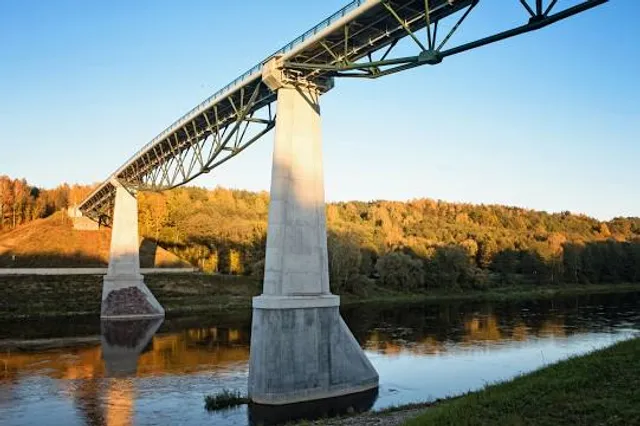
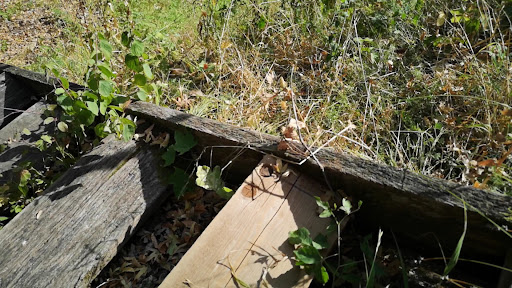
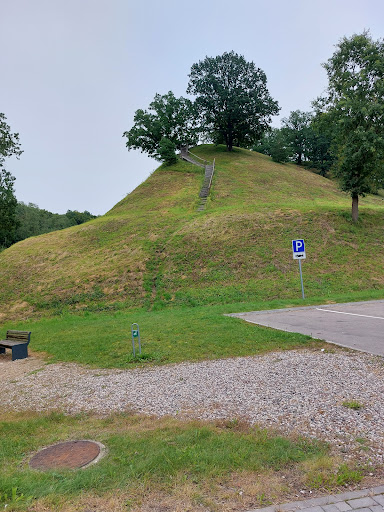
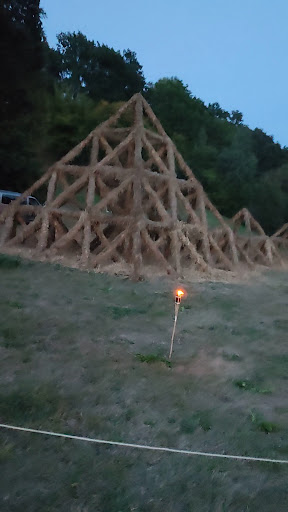
Alytaus piliakalnis yra Alytaus, tame tarpe ir visos Lietuvos istorinė kultūros vietovė. Joje po archeologinių kasinėjimų rasta daiktinių įrodymų jog čia gyveno senovės lietuvių protėviai. Sakyčiau toks gražus piliakalnis yra tikra miesto puošmena. Į jį gražu pažiūrėti ir nuo piliakalnio papėdės ir užlipus ant jo viršūnių, nuo kurių galima pamatyti tikrai gražius vaizdus ir Nemuno upę. Pagrindineje piliakalnio aukštumoje pastatytas akmenimis aukuras kaip senovės simbolis. Apačioje galima rasti poilsio aikšteles, įdomias medines skulptūras skirtas protėvių atminimui. Fotografiją mėgstantiems tai gera vieta padaryti gražioms nuotraukoms. Piliakalnio papėdėje yra automobilių stovėjimo aikštelė, viešas tualetas, nuorodų stendai, rodyklės. Verta paminėti jog automobilių stovėjimo aikštelė yra nedidelė. Jeigu atvyksite čia darbo dienomis / darbo valandomis gal ir nebus problemų surasti stovėjimas vietą automobiliui, bet jeigu tai bus savaitgalis - čia klausimas. Užlipti į piliakalnį reikia mediniais laiptais...kurie deja yra jau labai seni ir juos jau būtinai reikia keisti. Lipant tais laiptais reikia neskubėti ir būti labai atidžiu, nes kai kuriose vietose laiptų pakopos sulūžę arba jų išvis nėra, o didžioji dauguma pakopų labai silpnos būklės. Kai kuriose vietose su ranka pajudinus laiptų konstrukciją ji visa juda. Turėklų porankiai taip pat nekelia pasitikėjimo. Žodžiu Alytaus miesto valdžiai derėtų susirūpinti piliakalnio laiptų atnaujinimu.
Alytus Mound is a historical cultural area of Alytus, including the whole of Lithuania. After archaeological excavations, material evidence was found in it that the ancestors of ancient Lithuanians lived here. I would say that such a beautiful mound is a real decoration of the city. It is also beautiful to look at from the foot of the mound and after climbing to its top, from which you can see really beautiful views and the Nemunas River. A stone altar is built on the main elevation of the mound as a symbol of antiquity. At the bottom you can find rest areas, interesting wooden sculptures dedicated to the memory of ancestors. For photography lovers, this is a good place to take beautiful pictures. At the foot of the mound there is a parking lot, a public toilet, information boards, and arrows. It is worth noting that the parking lot is small. If you come here on weekdays/working hours, maybe there will be no problem finding a parking space, but if it's a weekend - here's the question. You need to climb the mound by wooden stairs... which are unfortunately very old and need to be replaced. You have to take your time and be very careful when climbing those stairs, because in some places the steps of the stairs are broken or not there at all, and the vast majority of the steps are in a very weak condition. In some places, if you move the structure of the stairs with your hand, the entire structure moves. The handrail armrests also do not inspire confidence. In other words, the city authorities of Alytus should be concerned about the renovation of the stairs...
Read more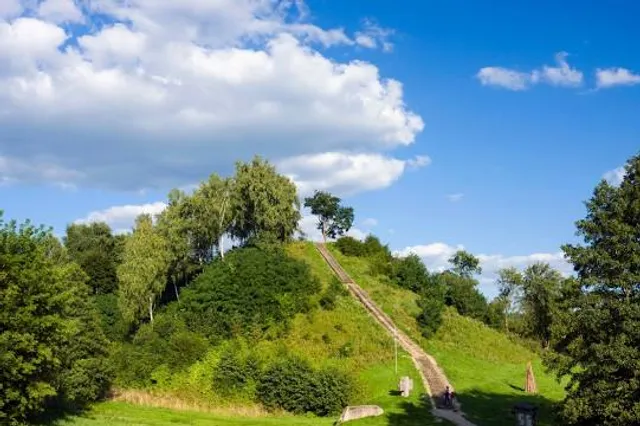
 Learn more insights from Wanderboat AI.