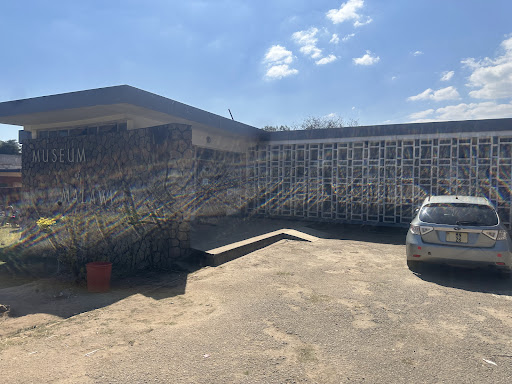
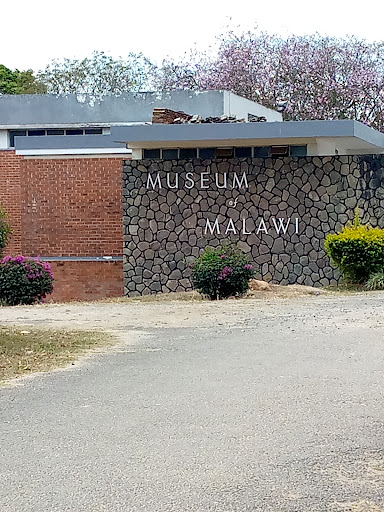
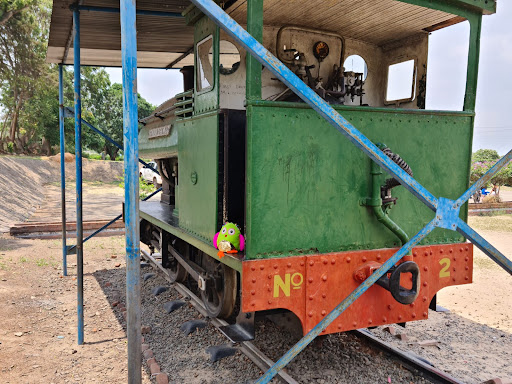
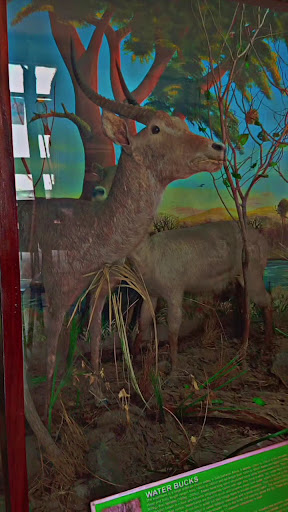
Here are some visuals from inside and outside the Museum of Malawi (Chichiri Museum) in Blantyre—such as cultural artifacts, a traditional hut, and displays related to human evolution. Now, let’s walk through ten must-see highlights when you visit:
⸻
Top 10 Things to See at the Museum of Malawi (Chichiri Museum)
Stone Age Tools & Archaeological Finds
Explore collections that trace back to prehistoric times, including early human tools and artifacts reflecting the Stone Age.  
Old Banknotes & Currency Displays
A fascinating look into the history of Malawi’s currency, featuring early Kwacha notes alongside pre-independence financial artifacts.  
Traditional Musical Instruments & Cultural Objects
Beautiful exhibits featuring drums, Chisekese instruments, beads, ceremonial spears, and more—offering a glimpse into the country’s rich ethnographic heritage. 
Human Evolution Exhibit
An educational display covering early human development, complete with models and interpretive panels. 
Slave Trade & Independence Documents
Important historical documents and artifacts that chronicle Malawi’s journey through colonial rule, the slave trade era, and onward to independence.  
Outdoor Transport Collection
A standout arrangement including a 1902 steam locomotive, Malawi’s first fire engine, and a Nyasaland-era bus—an open-air nod to the country’s transportation history.  
Ndiwula Hut & Traditional Village Display
A reconstructed Chewa hut (known as ndiwula) and rural homestead setup, offering visitors a vivid experience of traditional Malawian village life.  
Machinga Meteorite
A unique geological specimen weighing 93.2 kg—a meteorite that once caused quite a stir when mistaken for a missile. 
Natural History & Wildlife Sections
Exhibits spotlighting Malawi’s biodiversity, including taxidermied wildlife, botanical samples, and displays on conservation.   
Ethnographic Displays of Daily Life
Galleries featuring traditional tools—farming implements, household appliances, jewelry, bark cloth, and charms—depicting the material culture of Malawi’s diverse ethnic groups.  
⸻
Bonus Tips & Tidbits
• History & Heritage: The Museum of Malawi reopened in its current building in 1966 and stands as Malawi’s first national museum.  
• Outdoor Highlights: Don’t miss the open-air exhibits—especially the old bus that once bore barbed wire, a remnant of colonial-era segregation.  
• Plan Your Visit: Allow at least two hours to fully take in both the indoor galleries and outdoor displays. Guided tours can offer...
Read more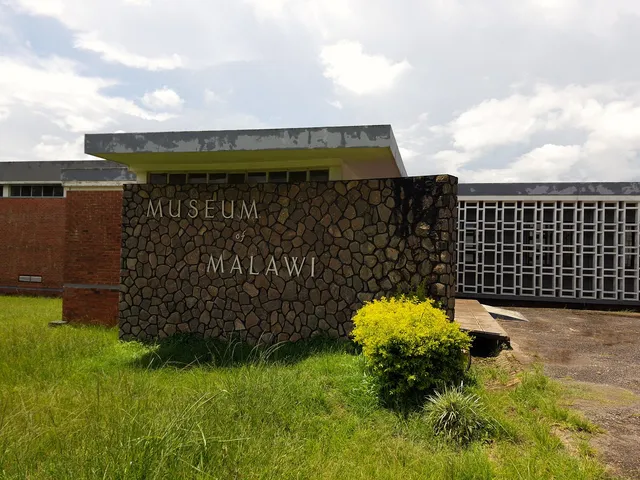
 Learn more insights from Wanderboat AI.