Here's a brief history of Putuo Village in Malaysia:
History Established in 1930s: Putuo Village was founded by Chinese immigrants from the Hainan province, who settled in the area now known as Pasir Panjang, Negeri Sembilan. Tin mining and agriculture: The village was initially established as a tin mining and agricultural community, with residents working in the nearby mines and farms. War years: During World War II, the village was affected by the war, and many residents were forced to flee or hide in the surrounding forests. Post-war development: After the war, the village began to develop, with the construction of new homes, schools, and community facilities. Decline and redevelopment: In the 1980s, the village began to decline, as many residents moved to urban areas for better job opportunities. However, in recent years, the village has undergone redevelopment efforts, with the restoration of traditional homes and the development of tourism infrastructure.
Cultural Significance Buddhist heritage: Putuo Village has a strong Buddhist heritage, with many residents practicing Buddhism and maintaining traditional customs and practices. Traditional architecture: The village features many traditional Hainanese-style homes, which are characterized by their unique architecture and ornate decorations. Community spirit: Putuo Village is known for its strong community spirit, with residents often coming together to celebrate festivals and traditions.
Tourism Tourist attractions: The village offers several tourist attractions, including traditional homes, temples, and seafood restaurants. Homestay programs: Visitors can participate in homestay programs, which allow them to experience traditional village life and learn about local customs and practices. Cultural events: The village hosts several cultural events throughout the year, including traditional festivals and...
Read moreIt is about 45km from KSL/ Taman Sentosa area. We set off at about 9.15am on a Saturday, and we took about 1 hour Grab ride as traffic was smooth. The price of grab demanding on the timing. I saw it from rm52 to 150 when I checked in the morning hours . I booked at rm 52, but I paid the driver rm 70 as it is far, and he may make an empty trip back.
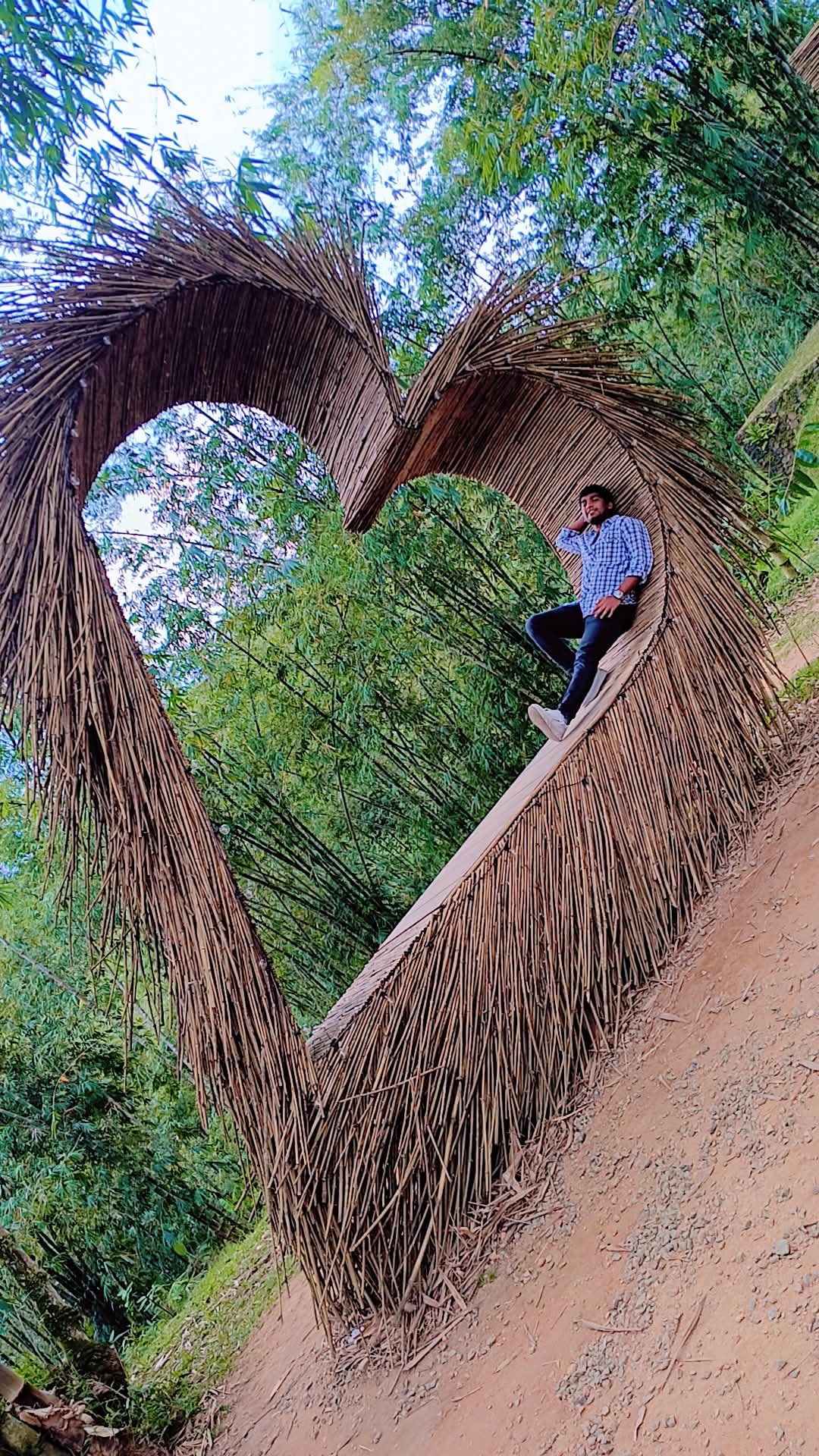
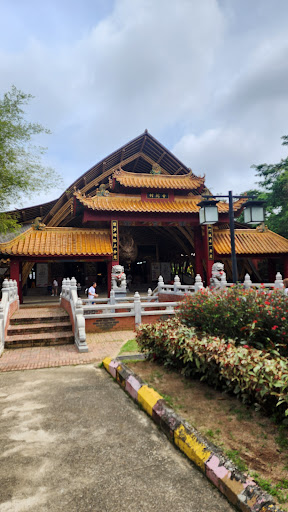
As I was with my elderly mum, we only visited the Bodhi Sanctuary but didn’t get to go to Bamboo Valley. It was getting hot, too. I'd suggest one to visit earlier in the morning if you want to walk the Bamboo Valley. We spent about 2 hours here, slowly exploring and taking photos. There is a cafe selling cakes and drinks. We didn't patronise as we were still full from breakfast. I read a report in 2022 that this is the largest indoor statue of Zhunti Bodhisattva in Southeast Asia. One Guan Yin Bodhisattva hall is under renovation, so we didn't get to visit. You can offer incense and candles in the hall. There is a counter that you can make offering to the construction fund, too.
As mentioned by some reviewers here, it is indeed true that you may not get any grab booking back so soon, and the network is very poor. The staff told us as well that we might take up to 2 hours. I waited for 30 minutes and no taker. I arranged with the driver who sent us to return to pick us up in the end. If you are taking Grab car there, I strongly you make arrangement for driver to pick you back. There is no way you can walk out to the main road of...
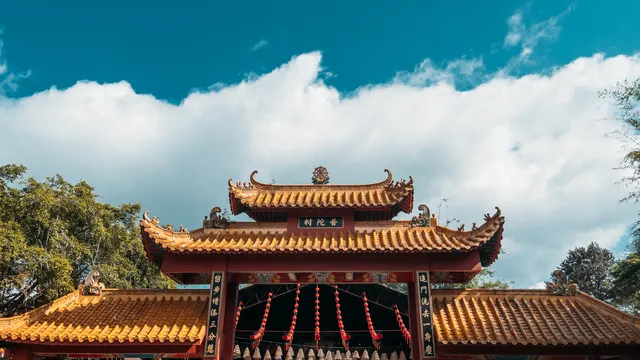
Read moreA 1-hour ride from the urban jungle of JB, Putuo Village is a destination worth visiting, though renting a car is highly recommended due to its remote location. Public transportation is not available, and getting a ride back can be a gamble. Upon arrival, our first stop was the temple, which is stunning. The entrance is adorned with a wooden dragon, and inside, you’ll find giant goddess statues for prayer. You can also donate to write your wish on a red strip of cloth and toss it into a tree, which is a unique and enjoyable experience. Adjacent to the temple is a charming bamboo-themed café offering a variety of desserts and drinks—definitely worth a visit. Behind the temple, a vibrant pathway leads to the next attraction. This pathway, with colorful banners overhead, was a highlight for me as it was an unexpected delight.At the end of the path, there’s an area filled with bamboo trees and inflatable pandas. The entrance fee is 10 RM for those under 55 and 5 RM for those over 55. We opted not to visit this paid attraction, feeling that the temple tour sufficed, and the bamboo and pandas didn’t seem worth the additional cost. Overall, you can spend about 2 hours exploring the temple, enjoying the café, and feeding the fish and turtles (fish food is available for purchase). Is it worth the 1-hour drive and potential challenge of finding a ride back? Maybe, but it's a nice place to visit if you have some free time and nothing...
Read more