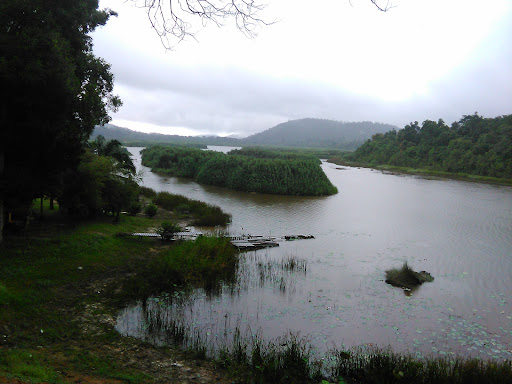
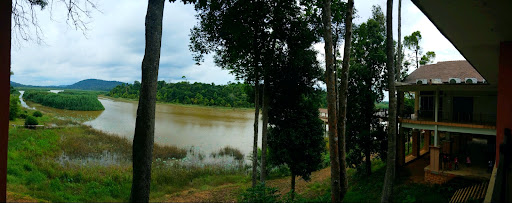
Tasik Chini, nestled within the Sungai Pahang river basin in Malaysia, is a place steeped in heritage, encompassing not only its ecological and cultural significance but also the captivating myths and legends associated with the lake.
According to local folklore, Tasik Chini is believed to be the abode of a mythical serpent-like creature known as Naga Seri Gumum. Legends speak of this majestic creature, said to be the guardian of the lake, possessing mystical powers and wisdom. It is believed that Naga Seri Gumum brings prosperity and protects the surrounding communities. The mythical presence of the Naga Seri Gumum adds an air of mystery and enchantment to the heritage of Tasik Chini.
Beyond the mythical tales, Tasik Chini holds cultural heritage intertwined with the indigenous Jakun community. For generations, the Jakun people have cherished the lake as a sacred place, considering it the dwelling of ancestral spirits. Their deep connection to the land and water is reflected in their cultural practices, rituals, and oral traditions passed down through generations.
The Jakun people's traditional knowledge and sustainable practices form an integral part of the cultural heritage associated with Tasik Chini. They possess a profound understanding of the lake's ecosystems, utilizing its resources for sustenance and medicinal purposes. Fishing techniques and agricultural practices, deeply rooted in their cultural heritage, showcase their harmonious relationship with nature and their commitment to preserving the delicate balance of the ecosystem.
The heritage of Tasik Chini extends to archaeological discoveries that provide glimpses into the region's ancient past. Excavations have unearthed artifacts, revealing evidence of early human settlements and trade activities in the area. These archaeological findings shed light on the historical growth and cultural evolution of the Sungai Pahang river basin, adding layers of historical significance to Tasik Chini's heritage.
Preserving the heritage of Tasik Chini, including its myths, legends, and cultural practices, is crucial. However, the lake faces numerous challenges, such as deforestation, pollution, and encroachment, which threaten both its ecological integrity and the cultural traditions of the Jakun community.
To safeguard this heritage, conservation efforts are underway. Collaborative initiatives involving local communities, government agencies, researchers, and environmental organizations aim to protect the lake's biodiversity, restore degraded areas, and promote sustainable livelihoods. These endeavors not only ensure the preservation of Tasik Chini's natural and cultural heritage but also foster community empowerment, cultural revitalization, and sustainable tourism.
By embracing the heritage of Tasik Chini, Malaysians can celebrate the interplay between myth, culture, and nature. The preservation of the lake's mythical legends and indigenous traditions ensures that future generations will continue to be captivated by the enchanting stories and cultural richness that have flourished within the Sungai Pahang river basin...
Read more
 Learn more insights from Wanderboat AI.