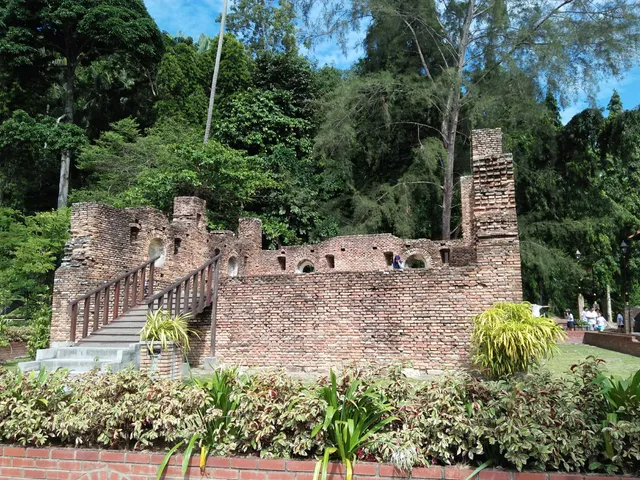
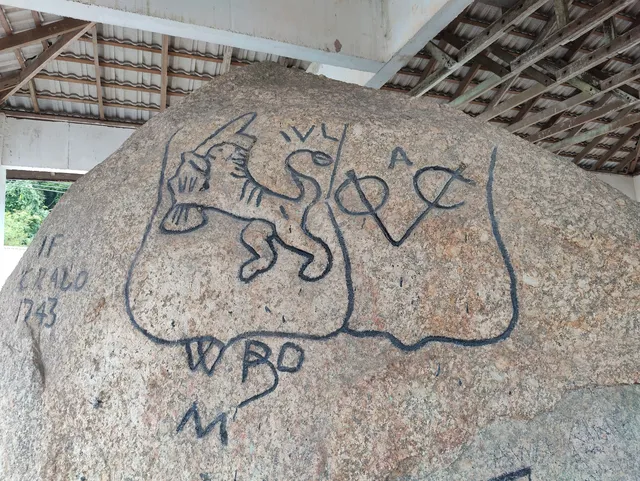
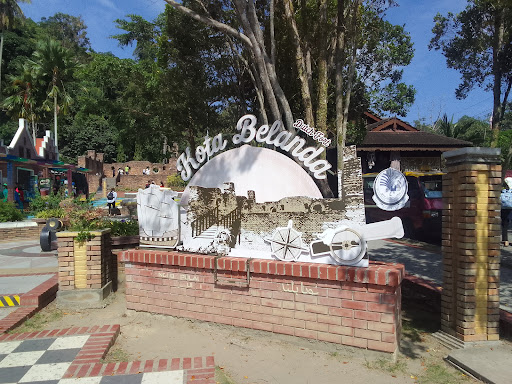
The Dutch Fort in Pulau Pangkor is a historical landmark that provides visitors with a glimpse into the island's colonial past. The fort, also known as Kota Belanda, was built by the Dutch in the 17th century and served as a strategic point for trading in the region. Here's my review on why the Dutch Fort in Pulau Pangkor is a good place to visit:
Firstly, the fort's location offers spectacular views of the island and its surroundings. The fort is perched on a hill overlooking the sea, providing visitors with a panoramic view of Pulau Pangkor's beautiful coastline. The climb to the top of the fort is relatively easy and offers a great opportunity for a short hike.
Secondly, the fort's architecture is impressive, showcasing the Dutch's expertise in military engineering. The fort's walls are made of solid granite, and the design incorporates features such as gun emplacements and a moat. Visitors can explore the fort's various rooms and corridors, which offer a glimpse into what life was like for the soldiers stationed there.
Lastly, the Dutch Fort in Pulau Pangkor offers visitors the opportunity to learn about the island's colonial history. The fort's displays and exhibits provide information about the Dutch's role in the island's development and their impact on the local population. Visitors can also learn about the various battles that took place on the island during the colonial era.
Overall, I would rate the Dutch Fort in Pulau Pangkor 4 out of 5 stars. The fort's historical significance, stunning views, and impressive architecture make it a must-visit attraction on the island. However, the lack of detailed information about the exhibits and displays could be improved to enhance the overall experience...
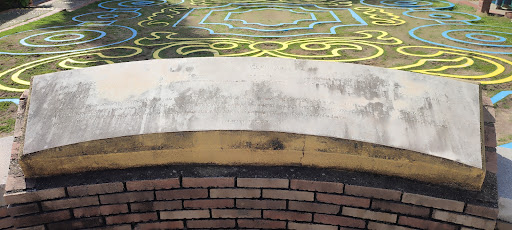
Read moreThis image shows a historical marker plaque in Pulau Pangkor, Perak, Malaysia, at a site known as Kota Belanda (Dutch Fort).
From the inscription (though it's weathered and faded), I can make out the following points:
Kota Belanda (Dutch Fort) was built by the Dutch in 1670 as a warehouse and defensive post for storing tin, which they obtained from the Perak Sultanate.
It was destroyed several times by local Malay warriors who resisted Dutch control, particularly in the 1690s and again in 1740 when local people rose up against them.
The fort was eventually abandoned by the Dutch in the mid-18th century.
The ruins were later preserved as a historical monument. Restoration efforts were carried out by the Museum Department of Malaysia in 1973–1976.
The plaque also mentions legal protection under Malaysian heritage laws, warning against damaging the monument.
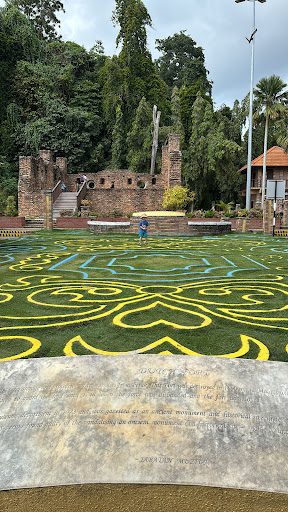
The colorful patterns you see in the background are part of the landscaped area surrounding the fort ruins, which is now a tourist attraction.
👉 In short, this is a 17th-century Dutch colonial fort ruin in Pangkor Island, an important heritage site reflecting Malaysia’s history of tin trade and...
Read moreMalacca you have the Portuguese fort A Farmosa, in Penang you have the English fort Cornwallis and in Pangkor lies the remains of the Dutch fort, not too sure what's the name of this fort. Remarkable this tiny little remains remind us of the existence of the Dutch supremacy after the Portuguese left. Looking at the remains of the structure I wonder how many could occupied inside a cram up size. The walls still looks strong and intact minus the roof and certain parts of the building. What you still find here is a reasonably underground built cell. There's a plague placed at the entrance of the fort but the writing has faded and you can hardly read what's written on it. Overall this piece of remain reminded us of the people that had passed through this country. Primarily the place is decently kept but not enough crowd to boost up the place. Little effort to promote this site could be the reason its drawing blanks. A sad side to the stores occupying the lots here, I noticed they too are low on sales. Hopefully with new added attractions will see a changing trend and be among the drawing attractions to the island. Give me a Like if you find this article...
Read more