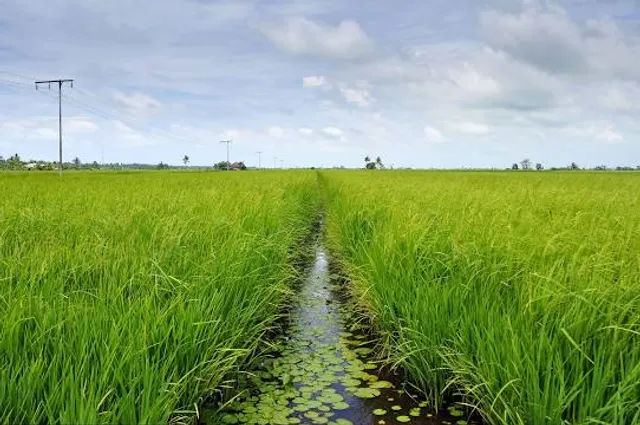
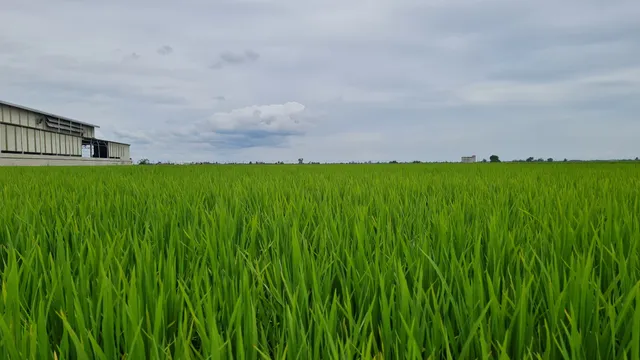
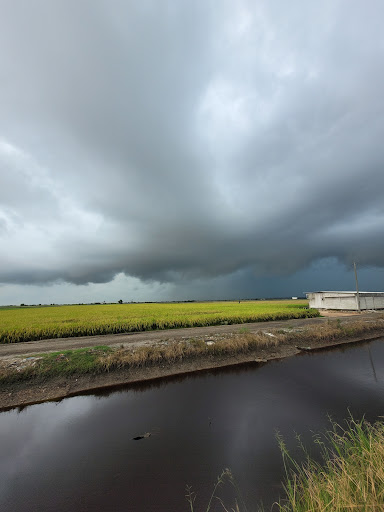
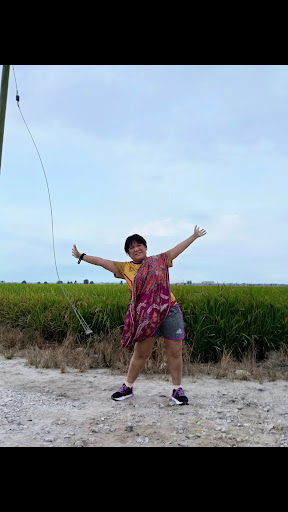
A place where the horizon is nothing but green turning to gold, then gold turning to smoke when the fields are burnt down after harvest. It’s beautiful if you catch it at the right time. If you don’t, it’s a bald patch of dirt and heat that makes you wonder why you left your air conditioning for this.
Go early in the morning or late in the afternoon unless you enjoy baking in your own sweat. Bring water, a hat, and a sense of humour. Expect traffic, bad parking, and at least one bloke who thinks he can wedge his car between two buses.
This is Malaysia’s “rice bowl”, and it takes that title seriously. The town is half fishing village, half agricultural machine, cranking out enough rice to keep Selangor full and happy. Mechanised, well-planned, organised fields that look more like someone drew them with a ruler than planted them by hand. Local politicians are proud, film crews stop by, and Instagram junkies will gladly risk heatstroke for the golden-hour shot.
Timing is everything. March and April, or September and October: green seas of young shoots. May and November: golden waves ready for harvest. June and December: big iron harvesters lumbering through while birds chase spilled grain. Any other time it’s brown, barren, and about as photogenic as a construction site. Turn up at the wrong time and you’ll get a field trip in disappointment.
Still, when it’s good, it’s very good. Riding a bike between the paddies feels like therapy. The air is clear, the scenery wide open, and even heartbreak feels a little smaller here. It’s also a crash course for city kids who think rice comes in neat plastic bags. You stand in the middle of this expanse, and suddenly dinner has a backstory.
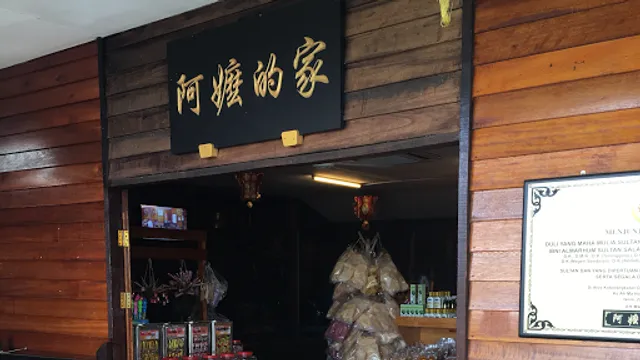
There are side hustles: a rice factory with tours, souvenir shops selling grains you won’t find in supermarkets, mango stalls on the roadside, seafood by the coast. Cafés have popped up, serving coffee and cake with a side of scenery. Sometimes it feels staged, but who cares? You come because sometimes the most relaxing thing in the world is just...
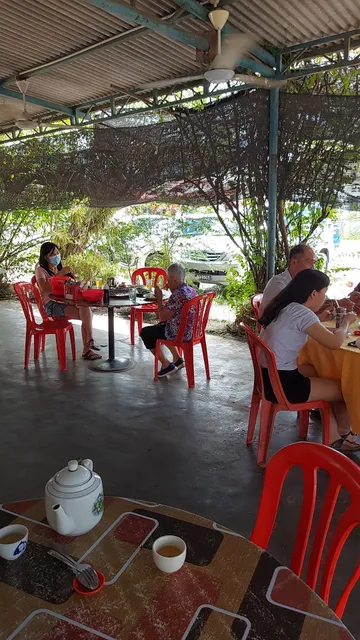
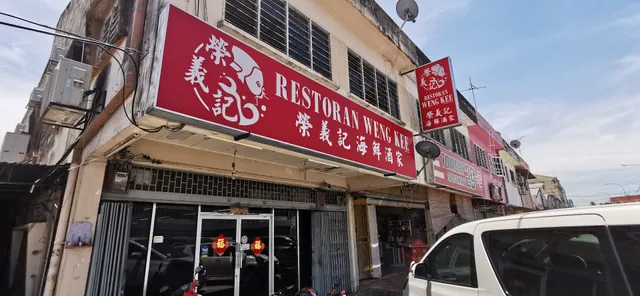
Read moreFor the first time our eldest child (daughter) sponsored a trip to this famous rice bowl in Sekinchan Selangor. Me n Wife plus our two youngest siblings made the group. On arrival at Sekinchan town we headed for AMG Cycle Rental n booked 5 bicycles according to each's choice. Together we toured the Padi Fields cycling slowly but steadily for a distance of more than 7km in total. Many other tourists drived their cars right up to the Sekinchan Padi Planters Gallery where we stopped to rest. Our eldest n youngest sibling volunteered to cycled another 1km further up just to buy Mango Juice drinks (locally grown produce). After more than half n hour rest inluding photo sessions we returned to AMG. Next we continued our rest when we proceeded to the Pantai Redang on the opposite side of the Padi Fields separated by the West Coast Expressway. Though the beach is not for picnicking but this place was packed with visitors. Some just to shop for fresh sea catches but also downstream products such as dried fish/cattle fish/anchovies/prawns etc.. besides the numerous seafood restaurants or kiosks/gerai2.. Others like us just to feel the sea breeze n past the time. We next move to Restoren Lembah Bernam, at Sg Leman Sekinchan for lunch. Here you can order the menu of your choice to be cooked besides those already available @ the shelves, such as Ayam Kampung Goreng, Deer meat, fish & prawns (udang galah) masak lemak etc. After lunch n before retuning home we toured the Padi Fields (different section) again by car and to survey/locate other tourists food havens... as viralled in the Social media. The return journey we travelled the Coastal roads (as compared to Guthrie & LATAR H'way in the morning. However we had to endure the many stoppages especially where many junctions are controlled by...
Read moreLarge plots of land here are cultivated to produce the staple rice supply of Malaysians. The best months to visit Sekinchan for the green fields are during March, April, September and October when the weather is fine and the fields are lush. To enjoy the golden fields, visit during May, June, November, and December when the harvest season takes place.
I also visited the Paddy Gallery, a paddy processing factory. The entrance fee costs RM5 which includes two small packs of rice. You will be shown a video on the life cycle of paddy from seeds to rice. In addition, you can view some of the rice planting equipment.
The two primary industries in Sekinchan are farming and fishing, whereby they are highly dependent on the weather. The villagers will pray for the calm of the ocean and the rich in harvest. One of the popular temples for prayers is the Nan Tian Temple (南天宫), also known as Nine Emperors God Temple.
I would say I had an enjoyable day trip visiting these sites...
Read more