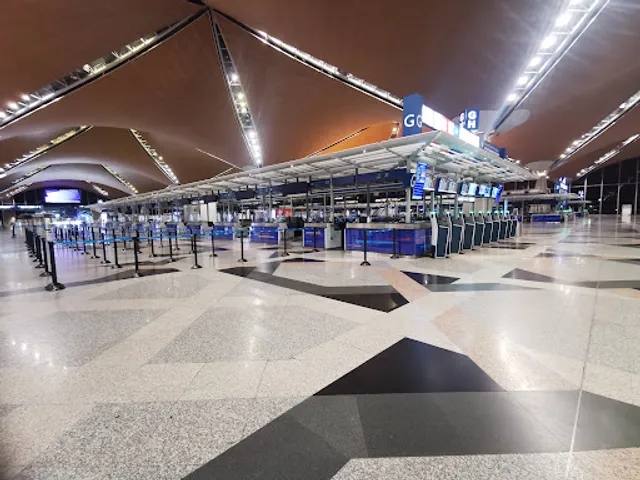
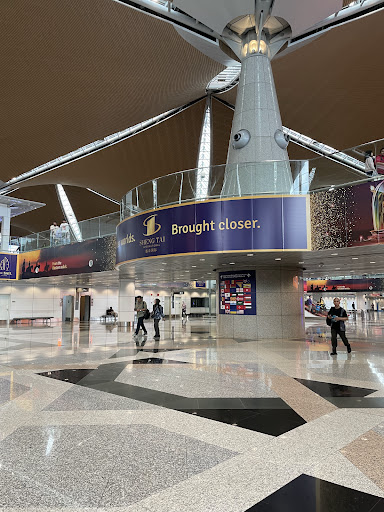
Kuala Lumpur International Airport (KLIA) in Malaysia is a major aviation hub known for its modern infrastructure and significant passenger capacity. It features two main terminals: KLIA1 (Main Terminal) for full-service airlines and KLIA2, which is the world’s largest terminal dedicated to low-cost carriers. Both terminals provide extensive amenities such as check-in counters, retail outlets, duty-free shops, lounges, and a range of dining options. Despite its impressive size and facilities, passenger experiences at KLIA show a mixed picture. Some travelers appreciate the airport’s efficiency, particularly with business class services that offer quick access to lounges and smooth security checks. The connectivity is good, with efficient transportation options like the KLIA Ekspres train linking the airport to Kuala Lumpur city center in under 30 minutes, plus taxis and buses are readily available. However, there are notable complaints that affect the overall impression. Passengers frequently cite poor staff behavior, long queues, and confusion during boarding and baggage checks, often describing staff as unfriendly or inattentive. Some criticize the immigration process, mentioning inconvenient requirements and poor assistance, especially for transit passengers. Food and beverage options, particularly in KLIA2, have received negative reviews for being limited, expensive, or insufficient for the passenger volume. Seating areas can be inadequate during peak times, and the indoor climate control sometimes falls short, making waiting uncomfortable. In terms of infrastructure, KLIA offers modern and clean facilities, with well-organized terminals and a spacious layout. The addition of automated train systems within KLIA1 and a skybridge in KLIA2 has improved passenger movement. The airport continues to be recognized for service quality by industry bodies, but in practice, staff performance and customer service remain areas needing improvement. Overall, KLIA is a modern and strategically important airport that provides extensive amenities and connectivity but is let down by inconsistent service quality and operational challenges that impact traveler satisfaction.Kuala Lumpur International Airport (KLIA) in Malaysia is a major and modern airport serving millions yearly, with two main terminals: KLIA1 for full-service airlines and KLIA2 dedicated to budget carriers. Both terminals feature extensive amenities including retail outlets, duty-free shops, lounges, and various dining options, supported by advanced infrastructure like automated trains and skybridges for smooth passenger transfers. While the airport excels in its size, facilities, and connectivity—offering quick transportation options like the KLIA Ekspres train to Kuala Lumpur—it has garnered mixed overall reviews from travelers. Many praise KLIA1 for efficient and smooth security and boarding processes, especially for business class passengers. However, there are widespread complaints about staff attitude, with reports of unfriendly and inattentive personnel, chaotic queues, and confusing procedures that dampen the experience. Other common issues include limited food and beverage options, especially in KLIA2, overcrowded seating areas, and inconsistent indoor climate control, making waiting uncomfortable during peak times. Some travelers also find the immigration and transfer processes cumbersome, with poor assistance and odd paperwork requirements for transit passengers. Despite these challenges, KLIA maintains a clean and modern terminal environment with generally well-maintained facilities. It has received industry awards for its infrastructure and immigration service, but passenger experiences suggest that improving customer service and operational management is needed to match the airport’s world-class status. In summary, KLIA offers comprehensive facilities and good connectivity as Malaysia’s primary international gateway but is hampered by service inconsistencies and operational issues that impact passenger...
Read moreKuala Lumpur International Airport (KLIA) is a shining example of a world-class airport that effortlessly combines cutting-edge modernity, exceptional efficiency, and a rich showcase of Malaysian culture. From the moment you step into its expansive terminals, you are greeted by a breathtaking architectural design that seamlessly blends sleek, contemporary elements with nods to Malaysia’s cultural heritage. The natural light pouring in through massive glass panels and the presence of indoor greenery create a calming and inviting atmosphere that sets KLIA apart from many other international airports. Every aspect of the airport is designed with the traveler in mind, making it an incredibly easy and pleasant space to navigate. Clear signage, intuitive layouts, and readily available information desks ensure that even first-time visitors can find their way around effortlessly, with helpful and friendly staff always on hand to assist.
KLIA’s amenities further elevate the travel experience to a new level of comfort and convenience. Travelers can enjoy high-speed Wi-Fi throughout the terminals, ample charging stations, and a range of seating options that cater to comfort and practicality. The dining scene is a true highlight, offering a wide variety of options to suit all tastes, from authentic Malaysian delicacies to international cuisine, as well as cafes and grab-and-go outlets for those in a hurry. Shopping enthusiasts are equally spoiled for choice, with a vast selection of duty-free shops, luxury boutiques, and stores offering unique local crafts and souvenirs. Beyond shopping and dining, the airport offers exceptional facilities for relaxation and entertainment, including premium lounges, wellness spas, and dedicated play areas for children, ensuring every type of traveler is well taken care of.
Efficiency and service are the cornerstones of KLIA’s operations, and it shows in every interaction and process. Immigration and security procedures are well-organized and streamlined, ensuring minimal delays even during peak travel periods. Baggage claim is equally efficient, with quick processing and clear organization. The airport’s connectivity is another significant advantage, with the KLIA Express train providing a fast, reliable, and comfortable link to Kuala Lumpur’s city center. For those needing other options, buses, taxis, and private transport services are readily available, all of which are convenient and easy to arrange.
Another standout feature of KLIA is its impeccable cleanliness and maintenance. Every corner of the airport reflects the highest standards of hygiene, from the pristine restrooms to the spotless floors and well-maintained common areas. The attention to detail extends to the cultural touches spread throughout the airport, with traditional Malaysian art installations, exhibits, and even music subtly integrated into the space. These elements give KLIA a unique charm and serve as a warm introduction to Malaysia’s rich heritage for international visitors.
Safety and security at KLIA are top-notch, with advanced systems and well-trained personnel ensuring a safe environment without causing unnecessary delays or stress for travelers. For those with long layovers, the airport offers an array of thoughtful features to pass the time comfortably, including tranquil relaxation zones, entertainment options, and spaces designed for families traveling with children.
In every way, KLIA goes above and beyond to provide an exceptional travel experience. It is not just a transit hub but a destination in itself—a place where travelers can enjoy a seamless, stress-free journey, surrounded by the warmth of Malaysian hospitality. KLIA sets a benchmark for excellence in global aviation, making it a source of pride for Malaysia and a standout airport on the...
Read moreI am writing to provide feedback on my recent experience flying to KLIA via Singapore Airlines.
While I generally appreciate the quality of service on Singapore Airlines flights, was disappointed with the airport experience at KLIA, especially considering this was not a budget flight.
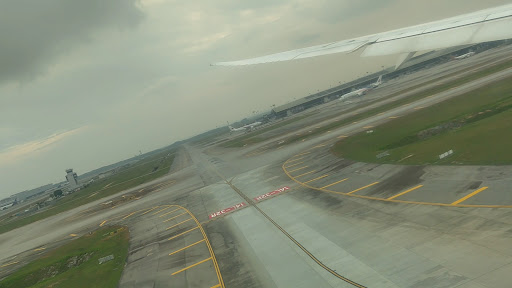
Upon arrival, after disembarking from the plane, we were directed by a staff member, who was shouting, to proceed to Cxx for a transfer to the arrival hall by bus.
Was thinking that perhaps our flight was scheduled to park in a “further” lot due to multiple flights arriving around the same time,which requires us to do a short transit. Personally, I wasn’t expecting to go through the hassle of having to transit from the plane to the arrival hall, taking into consideration that this was a direct flight. Anyway, still went with the flow and follow those in front since we are told to....
This information could easily be missed if people are talking or focused on finding the nearest toilet.
Although the airport was large and packed with lots of shops and eateries, there are areas that could be improved to facilitate smoother transit for arriving/departure passengers.
Would suggest the following improvements:
Rather than having a staff member shouting/giving instructions, can consider placing clear, large signage on both sides of the walkway as passengers disembark. Provide more readily available information upon flight arrival / departure. Consider adjusting the volume of the announcement speaker with loud and clear information in English, Chinese, and Malay.
Clear directional signs and information would make a big difference for first-time visitors like myself and would save a lot of time especially when there are so many incoming/outgoing flights day to day.....
The signage for the bus transfer was unclear, and it took approximately 4-5 minutes to find the waiting point to queue for the feeder bus to the arrival hall.
Upon arriving at the arrival hall, it was another 2-minute walk to reach immigration. The area was extremely crowded, with queues of 2-3 lines in a row, resulting in an hour-long wait to clear immigration.
The process was very disorganized and messy, with no one managing the human traffic, possibly due to a shortage of manpower. Although the officers were friendly and efficient in clearing the queue, it would be beneficial to have crowd control/security to guide and manage the flow of passengers.
Locating the correct baggage belt after clearing immigration was another challenge. The area was crowded, and there were only three to four luggage belts, requiring passengers to walk near the belt to check the monitor screen. This was frustrating, especially with different groups of people surrounding the area, some looking for directions, some waiting for friends, and others searching for the right belt. We eventually found our luggage placed not far away from the luggage belt area near the exit, with a sign displaying the SQ Airlines logo on the floor. Many unclaimed bags from our flight were present, as most passengers were still stuck in immigration.
The entire process, from disembarking the plane to retrieving our luggage outside the baggage claim area, was challenging.
I thought we were only required to transit to the arrival hall as a one-time occurrence. However, on our return flight, we were once again required to take a short bus to the departure hall. Furthermore, there were no water dispensers available after passing through the inspection gate, which was inconvenient.
As a tourist, the airport gives the first impression for passengers, and its organization is crucial.
I hope this feedback will be taken into consideration for future...
Read more