Yaxchilán
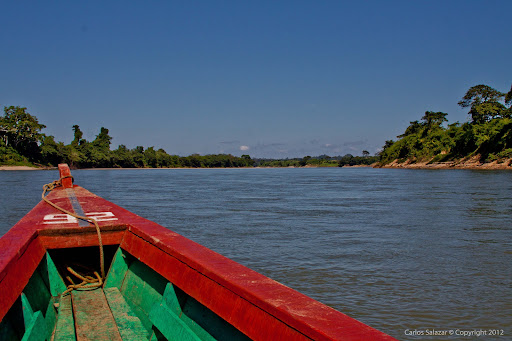
Yaxchilán es una antigua ciudad de la Cultura Maya situada en la orilla del Río Usumacinta, en lo que hoy es el municipio de Ocosingo del estado de Chiapas en México. En el Período Clásico Tardío, Yaxchilán fue uno de los más poderosos estados mayas a lo largo del curso del Usumacinta, con Piedras Negras como su principal rival. Estilos arquitectónicos en los sitios subordinados en la región del Usumacinta demuestran claras diferencias que marcan un límite claro entre los dos reinos.
Yaxchilán fue un gran centro, importante durante el Período Clásico, y el poder dominante de la zona del Río Usumacinta. Dominaba sitios más pequeños tales como Bonampak y tuvo una larga rivalidad con Piedras Negras y al menos por un tiempo con Tikal y con Palenque con quien Yaxchilán encaro una guerra en el año 654.
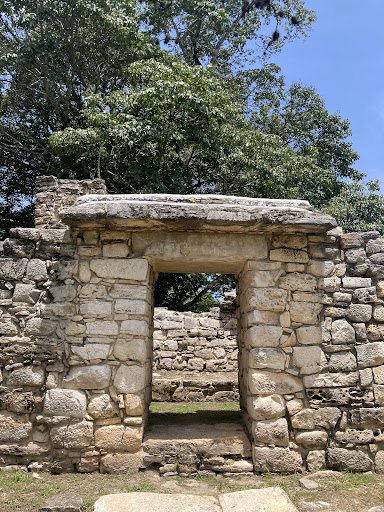
El sitio es especialmente conocido por sus dinteles de piedra esculpidos en buen estado de conservación establecidos por encima de las puertas de las estructuras principales. Estos dinteles, junto con las estelas erigidas ante los principales edificios, contienen textos jeroglíficos que describen la historia dinástica de la ciudad.
Los glifos emblema gemelos de Yaxchilán podrían hacer referencia a la fusión de dos estados o quizás a un gobierno conjunto, los epigrafistas piensan que el más prominente de los dos glifos emblema se lee Pa' Chan,1 que significa “Cielo Hendido”. Muy temprano el arqueólogo Désiré Charnay apodó a las ruinas como “Ciudad Lorillard” en honor de Pierre Lorillard quien contribuyo a sufragar los gastos de su expedición en la zona maya, mientras Alfred Maudslay la nombró "Menche". Teoberto Maler le dio su nombre actual, que significa “Piedras verdes" en lengua maya. Por algún tiempo, el emblema glifo fue leído como Siyaj Chan o “Cielo Nacido”.
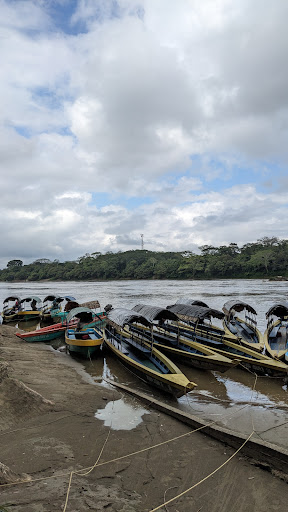
Yaxchilán se encuentra en la orilla sur del Río Usumacinta, en el vértice de un meandro en forma de herradura. Este bucle defiende el sitio en todos los lados excepto por un enfoque estrecho de la tierra desde el sur. El sitio se encuentra a 40 kilómetros río abajo de las ruinas de Piedras Negras, su principal rival y a 21 kilómetros de las ruinas de Bonampak. El sitio se encuentra en el municipio de Ocosingo, en el estado de Chiapas, en el lado mexicano de la frontera internacional con Guatemala, que sigue la línea del río. Está a 80 kilómetros río abajo del sitio Maya Altar de Sacrificios.
Yaxchilán tiene sus orígenes en el Período Preclásico. Una gran parte de lo que se conoce de la historia de la ciudad durante el Período Clásico proviene de los textos jeroglíficos hechos por los gobernantes durante el Clásico Tardío, uno de los más importantes es la Escalera Jeroglífica 1. Algunas inscripciones retrospectivas parecen haber sido utilizadas para reescribir la historia dinástica de Yaxchilán antes de Escudo Jaguar II, que reinó desde 681 a la 742 a petición de Pájaro Jaguar IV. La ciudad-estado, entonces creció a una capital regional y la dinastía duró hasta principios del siglo IX.
Dentro del área nuclear del sitio, hasta el momento han sido identificados 120 edificios de diversos tipos y funciones. Yaxchilán es conocida por la gran cantidad de excelentes esculturas en el sitio, como las estelas monolíticas talladas y la narrativa de los relieves de piedra tallados en dinteles que atraviesan las puertas del templo. Alrededor de 50 edificios son los que actualmente pueden ser visitados, distribuidos en tres conjuntos mayores la Gran Plaza, la Gran Acrópolis y la Pequeña Acrópolis los tres conjuntos están conectados entre sí a través de escalinatas, rampas y terrazas. La Pequeña Acrópolis ocupa la parte más alta del sitio. El sitio está alineado con relación al Río Usumacinta, a veces causando una orientación no convencional a las grandes estructuras, como los dos...
Read more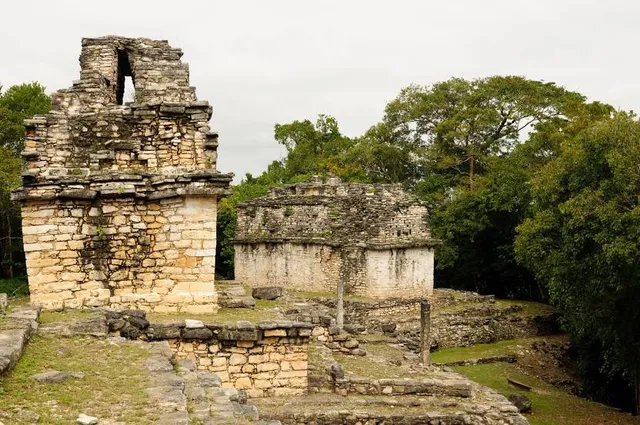
 Learn more insights from Wanderboat AI.