HTML SitemapExplore
logo
Find Things to DoFind The Best Restaurants

Palenque Temple of Inscriptions — Attraction in Chiapas

Name
Palenque Temple of Inscriptions
Description
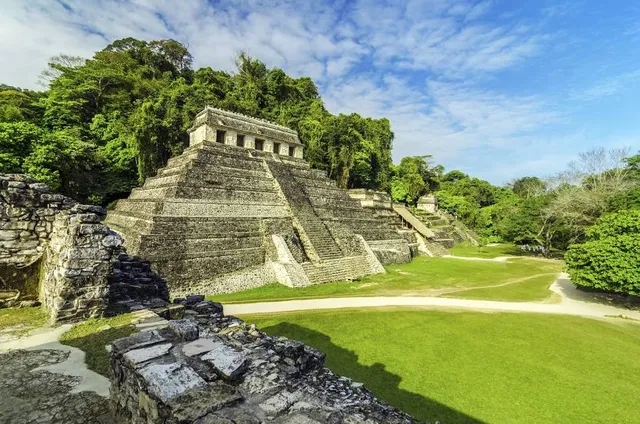
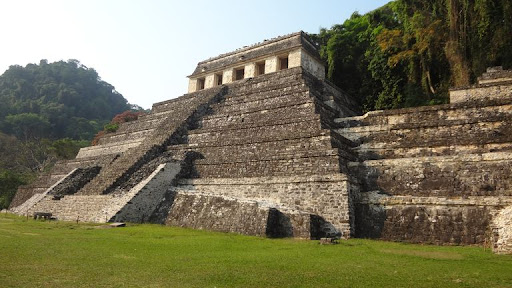
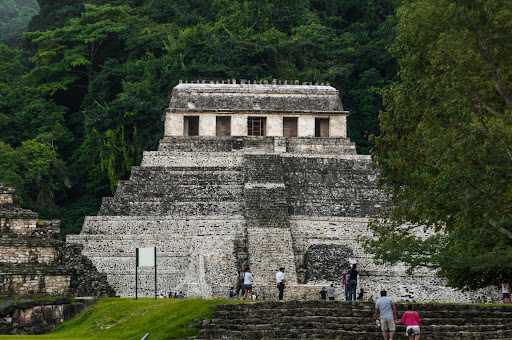
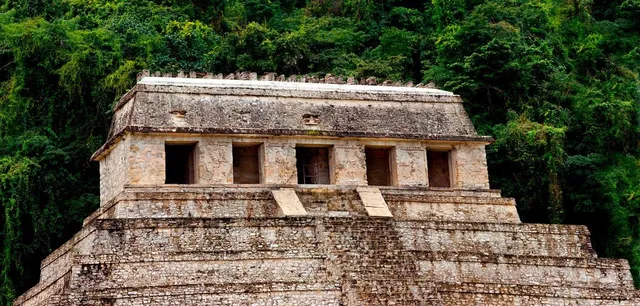
The Temple of the Inscriptions is the largest Mesoamerican stepped pyramid structure at the pre-Columbian Maya civilization site of Palenque, located in the modern-day state of Chiapas, Mexico.
Nearby attractions
Zona Arqueológica Palenque
Carretera a Palenque- Zona Archaeologica Km. 8, 29960 Palenque, Chis., Mexico
Temple of the Red Queen
Ruinas-Palenque, 29960 Chis., Mexico
The Palace
Ruinas-Palenque, 29960 Chis., Mexico
Temple of the Sun
Ruinas-Palenque, 29960 Chis., Mexico
Temple XIV
Ruinas-Palenque, 29960 Chis., Mexico
Temple of the Cross
Ruinas-Palenque, 29960 Chis., Mexico
Temple of the Count
Ruinas-Palenque, 29960 Chis., Mexico
Palenque National Park
Ruinas-Palenque, 29960 Chis., Mexico
Palenque Site Museum "Alberto Ruz Lhuillier"
Carr. Zona Arqueológica " Palenque " Km. 6.5, 29960 Palenque, Chis., Mexico
Nearby restaurants
Nearby hotels
Related posts
Keywords
Palenque Temple of Inscriptions tourism.Palenque Temple of Inscriptions hotels.Palenque Temple of Inscriptions bed and breakfast. flights to Palenque Temple of Inscriptions.Palenque Temple of Inscriptions attractions.Palenque Temple of Inscriptions restaurants.Palenque Temple of Inscriptions travel.Palenque Temple of Inscriptions travel guide.Palenque Temple of Inscriptions travel blog.Palenque Temple of Inscriptions pictures.Palenque Temple of Inscriptions photos.Palenque Temple of Inscriptions travel tips.Palenque Temple of Inscriptions maps.Palenque Temple of Inscriptions things to do.
Palenque Temple of Inscriptions things to do, attractions, restaurants, events info and trip planning
Palenque Temple of Inscriptions
MexicoChiapasPalenque Temple of Inscriptions

Basic Info

Palenque Temple of Inscriptions

29960 Palenque, Chiapas, Mexico
4.8(139)
Open 24 hours
Save
spot

Ratings & Description

Info

The Temple of the Inscriptions is the largest Mesoamerican stepped pyramid structure at the pre-Columbian Maya civilization site of Palenque, located in the modern-day state of Chiapas, Mexico.

Cultural
Outdoor
Scenic
attractions: Zona Arqueológica Palenque, Temple of the Red Queen, The Palace, Temple of the Sun, Temple XIV, Temple of the Cross, Temple of the Count, Palenque National Park, Palenque Site Museum "Alberto Ruz Lhuillier", restaurants:
logoLearn more insights from Wanderboat AI.

Plan your stay

hotel
Pet-friendly Hotels in Chiapas
Find a cozy hotel nearby and make it a full experience.

hotel
Affordable Hotels in Chiapas
Find a cozy hotel nearby and make it a full experience.

hotel
The Coolest Hotels You Haven't Heard Of (Yet)
Find a cozy hotel nearby and make it a full experience.

hotel
Trending Stays Worth the Hype in Chiapas
Find a cozy hotel nearby and make it a full experience.

Reviews

Nearby attractions of Palenque Temple of Inscriptions

Zona Arqueológica Palenque

Temple of the Red Queen

The Palace

Temple of the Sun

Temple XIV

Temple of the Cross

Temple of the Count

Palenque National Park

Palenque Site Museum "Alberto Ruz Lhuillier"
Zona Arqueológica Palenque

Zona Arqueológica Palenque

4.8

(7.5K)

Open 24 hours
Click for details
Temple of the Red Queen

Temple of the Red Queen

4.5

(37)

Open 24 hours
Click for details
The Palace

The Palace

4.8

(65)

Open 24 hours
Click for details
Temple of the Sun

Temple of the Sun

4.9

(50)

Open 24 hours
Click for details
Get the Appoverlay
Get the AppOne tap to find yournext favorite spots!
Wanderboat LogoWanderboat

Your everyday Al companion for getaway ideas

CompanyAbout Us
InformationAI Trip PlannerSitemap
SocialXInstagramTiktokLinkedin
LegalTerms of ServicePrivacy Policy

Get the app

© 2025 Wanderboat. All rights reserved.
logo

Posts

Gaius Aurelius Valerius DiocletianusGaius Aurelius Valerius Diocletianus
The Temple of the Inscriptions (Classic Maya: Bʼolon Yej Teʼ Naah (Mayan pronunciation: [ɓolon jex teʔ naːh]) "House of the Nine Sharpened Spears") is the largest Mesoamerican stepped pyramid structure at the pre-Columbian Maya civilization site of Palenque, located in the modern-day state of Chiapas, Mexico. The structure was specifically built as the funerary monumentfor K'inich Janaab' Pakal, ajaw or ruler of Palenque in the 7th century, whose reign over the polity lasted almost 70 years. Construction of this monument commenced in the last decade of his life, and was completed by his son and successor K'inich Kan B'alam II.Within Palenque, the Temple of the Inscriptions is located in an area known as the Temple of the Inscriptions’ Court and stands at a right angle to the Southeast of the Palace.The Temple of the Inscriptions has been significant in the study of the ancient Maya, owing to the extraordinary sample of hieroglyphic text found on the Inscription Tablets, the impressive sculptural panels on the piers of the building, and the finds inside the tomb of Pakal.
Carlos SalazarCarlos Salazar
TEMPLO DE LAS INSCRIPCIONES El templo de las inscripciones uno de los edificios más fascinante que crearon los mayas, fue concebido como gran mausoleo que albergara los resto mortales del gobernante K’inich Janahn’ Pakal II fue construida bajo el nivel de la plaza y encima un gran basamento piramidal. Pakal II murió y fue enterrado aquí hace más de trece siglos, en el año 683 d.c. Pakal gobernó durante 69 tunes (años mayas de 360 días), la escalinata frontal tiene 69 escalones. La pirámide esta compuesta por nueve cuerpo que alude al Mundo Inferior dentro de la creencia de los maya, la cripta subterránea tiene en sus muros representados a nueves personajes que aludan a Bolon Ti K’u o Nueve Dioses del Inframundo, la cámara sepulcral se llamaba “La Casa de la Nueve Imágenes”, la escalinata frontal esta dividida en cinco tramos de 9, 19, 19,13 y 9 escalones; el número nueve se hace presente para significar el carácter mortuorio de la construcción. Los palencanos construyeron un edificio y una tumba para alguien que fue más que un simple gobernante Pakal II fue deificado por esta razón sus restos mortales tuvieron una tremenda significación religiosa, sus huesos eran semillas del linaje sagrado de palenque. Los restos del Ajaw fueron hallados dentro de un sarcófago de piedra, cubierto con una gran lápida esculpida en la que Pakal fue cayendo en el inframundo, vestido como el Dios del Maíz, personificándolo y aludiendo dentro de la Montaña Sagrada; Pakal fue enterrado con un magnifico atuendo de cuentas de jade, pirita y concha materiales que se usaron para la confección de collares brazaletes, anillos, diademas y una mascara, sus restos estaban cubierto de cinabrio o sulfato de mercurio, un pigmento de intenso color rojo. Las pilastras aprecian resto de esculturas de estuco donde fue representado Kan Balam II hijo y heredero al trono de Pakal II mundo a esculpir dos grandes figuras de prisioneros. Cautivo destinado al sacrificio posiblemente “Tortuga Celeste” y Ah Ho-Nabal gobernante de Pomona, Tabasco que fueron ejecutados a mediados del siglo VII. El templo de las Inscripciones se origino por la presencia de tres tableros labrados con extenso texto glificos que contienen datos sobre la historia dinástica palencana entre los años 514 y 683. El edifico sintetiza el desarrollo técnico y artístico a finales del siglo VII que permite vislumbrar el poderío político y económico que alcanzo esa época.
Sara BengtssonSara Bengtsson
See my instagram for more photos and story's @somewherewithsara This place had incredible history and it is really a mindblowing experiance. No temples are the same and they leave a different feel that lingers for days. This place is one of my favourites and we met alot of people trying to sell their craft and they told me so much of the history that you can't read on the signs. It really was a memory for life and I really recommend going here! 5/5! Go just go!
See more posts
See more posts
hotel
Find your stay

Pet-friendly Hotels in Chiapas

Find a cozy hotel nearby and make it a full experience.

The Temple of the Inscriptions (Classic Maya: Bʼolon Yej Teʼ Naah (Mayan pronunciation: [ɓolon jex teʔ naːh]) "House of the Nine Sharpened Spears") is the largest Mesoamerican stepped pyramid structure at the pre-Columbian Maya civilization site of Palenque, located in the modern-day state of Chiapas, Mexico. The structure was specifically built as the funerary monumentfor K'inich Janaab' Pakal, ajaw or ruler of Palenque in the 7th century, whose reign over the polity lasted almost 70 years. Construction of this monument commenced in the last decade of his life, and was completed by his son and successor K'inich Kan B'alam II.Within Palenque, the Temple of the Inscriptions is located in an area known as the Temple of the Inscriptions’ Court and stands at a right angle to the Southeast of the Palace.The Temple of the Inscriptions has been significant in the study of the ancient Maya, owing to the extraordinary sample of hieroglyphic text found on the Inscription Tablets, the impressive sculptural panels on the piers of the building, and the finds inside the tomb of Pakal.
Gaius Aurelius Valerius Diocletianus

Gaius Aurelius Valerius Diocletianus

hotel
Find your stay

Affordable Hotels in Chiapas

Find a cozy hotel nearby and make it a full experience.

Get the Appoverlay
Get the AppOne tap to find yournext favorite spots!
TEMPLO DE LAS INSCRIPCIONES El templo de las inscripciones uno de los edificios más fascinante que crearon los mayas, fue concebido como gran mausoleo que albergara los resto mortales del gobernante K’inich Janahn’ Pakal II fue construida bajo el nivel de la plaza y encima un gran basamento piramidal. Pakal II murió y fue enterrado aquí hace más de trece siglos, en el año 683 d.c. Pakal gobernó durante 69 tunes (años mayas de 360 días), la escalinata frontal tiene 69 escalones. La pirámide esta compuesta por nueve cuerpo que alude al Mundo Inferior dentro de la creencia de los maya, la cripta subterránea tiene en sus muros representados a nueves personajes que aludan a Bolon Ti K’u o Nueve Dioses del Inframundo, la cámara sepulcral se llamaba “La Casa de la Nueve Imágenes”, la escalinata frontal esta dividida en cinco tramos de 9, 19, 19,13 y 9 escalones; el número nueve se hace presente para significar el carácter mortuorio de la construcción. Los palencanos construyeron un edificio y una tumba para alguien que fue más que un simple gobernante Pakal II fue deificado por esta razón sus restos mortales tuvieron una tremenda significación religiosa, sus huesos eran semillas del linaje sagrado de palenque. Los restos del Ajaw fueron hallados dentro de un sarcófago de piedra, cubierto con una gran lápida esculpida en la que Pakal fue cayendo en el inframundo, vestido como el Dios del Maíz, personificándolo y aludiendo dentro de la Montaña Sagrada; Pakal fue enterrado con un magnifico atuendo de cuentas de jade, pirita y concha materiales que se usaron para la confección de collares brazaletes, anillos, diademas y una mascara, sus restos estaban cubierto de cinabrio o sulfato de mercurio, un pigmento de intenso color rojo. Las pilastras aprecian resto de esculturas de estuco donde fue representado Kan Balam II hijo y heredero al trono de Pakal II mundo a esculpir dos grandes figuras de prisioneros. Cautivo destinado al sacrificio posiblemente “Tortuga Celeste” y Ah Ho-Nabal gobernante de Pomona, Tabasco que fueron ejecutados a mediados del siglo VII. El templo de las Inscripciones se origino por la presencia de tres tableros labrados con extenso texto glificos que contienen datos sobre la historia dinástica palencana entre los años 514 y 683. El edifico sintetiza el desarrollo técnico y artístico a finales del siglo VII que permite vislumbrar el poderío político y económico que alcanzo esa época.
Carlos Salazar

Carlos Salazar

hotel
Find your stay

The Coolest Hotels You Haven't Heard Of (Yet)

Find a cozy hotel nearby and make it a full experience.

hotel
Find your stay

Trending Stays Worth the Hype in Chiapas

Find a cozy hotel nearby and make it a full experience.

See my instagram for more photos and story's @somewherewithsara This place had incredible history and it is really a mindblowing experiance. No temples are the same and they leave a different feel that lingers for days. This place is one of my favourites and we met alot of people trying to sell their craft and they told me so much of the history that you can't read on the signs. It really was a memory for life and I really recommend going here! 5/5! Go just go!
Sara Bengtsson

Sara Bengtsson

See more posts
See more posts

Reviews of Palenque Temple of Inscriptions

4.8
(139)
avatar
5.0
6y

The Temple of the Inscriptions (Classic Maya: Bʼolon Yej Teʼ Naah (Mayan pronunciation: [ɓolon jex teʔ naːh]) "House of the Nine Sharpened Spears") is the largest Mesoamerican stepped pyramid structure at the pre-Columbian Maya civilization site of Palenque, located in the modern-day state of Chiapas, Mexico. The structure was specifically built as the funerary monumentfor K'inich Janaab' Pakal, ajaw or ruler of Palenque in the 7th century, whose reign over the polity lasted almost 70 years. Construction of this monument commenced in the last decade of his life, and was completed by his son and successor K'inich Kan B'alam II.Within Palenque, the Temple of the Inscriptions is located in an area known as the Temple of the Inscriptions’ Court and stands at a right angle to the Southeast of the Palace.The Temple of the Inscriptions has been significant in the study of the ancient Maya, owing to the extraordinary sample of hieroglyphic text found on the Inscription Tablets, the impressive sculptural panels on the piers of the building, and the finds inside the...

   Read more
avatar
5.0
5y

TEMPLO DE LAS INSCRIPCIONES

El templo de las inscripciones uno de los edificios más fascinante que crearon los mayas, fue concebido como gran mausoleo que albergara los resto mortales del gobernante K’inich Janahn’ Pakal II fue construida bajo el nivel de la plaza y encima un gran basamento piramidal. Pakal II murió y fue enterrado aquí hace más de trece siglos, en el año 683 d.c. Pakal gobernó durante 69 tunes (años mayas de 360 días), la escalinata frontal tiene 69 escalones.

La pirámide esta compuesta por nueve cuerpo que alude al Mundo Inferior dentro de la creencia de los maya, la cripta subterránea tiene en sus muros representados a nueves personajes que aludan a Bolon Ti K’u o Nueve Dioses del Inframundo, la cámara sepulcral se llamaba “La Casa de la Nueve Imágenes”, la escalinata frontal esta dividida en cinco tramos de 9, 19, 19,13 y 9 escalones; el número nueve se hace presente para significar el carácter mortuorio de la construcción.

Los palencanos construyeron un edificio y una tumba para alguien que fue más que un simple gobernante Pakal II fue deificado por esta razón sus restos mortales tuvieron una tremenda significación religiosa, sus huesos eran semillas del linaje sagrado de palenque. Los restos del Ajaw fueron hallados dentro de un sarcófago de piedra, cubierto con una gran lápida esculpida en la que Pakal fue cayendo en el inframundo, vestido como el Dios del Maíz, personificándolo y aludiendo dentro de la Montaña Sagrada; Pakal fue enterrado con un magnifico atuendo de cuentas de jade, pirita y concha materiales que se usaron para la confección de collares brazaletes, anillos, diademas y una mascara, sus restos estaban cubierto de cinabrio o sulfato de mercurio, un pigmento de intenso color rojo.

Las pilastras aprecian resto de esculturas de estuco donde fue representado Kan Balam II hijo y heredero al trono de Pakal II mundo a esculpir dos grandes figuras de prisioneros. Cautivo destinado al sacrificio posiblemente “Tortuga Celeste” y Ah Ho-Nabal gobernante de Pomona, Tabasco que fueron ejecutados a mediados del siglo VII.

El templo de las Inscripciones se origino por la presencia de tres tableros labrados con extenso texto glificos que contienen datos sobre la historia dinástica palencana entre los años 514 y 683. El edifico sintetiza el desarrollo técnico y artístico a finales del siglo VII que permite vislumbrar el poderío político y económico que...

   Read more
avatar
5.0
2y

The Temple of the Inscriptions is an ancient Mayan temple located in the city of Palenque, Mexico. The temple was built around 700 AD by the Mayan ruler K'inich Janaab' Pakal, and contains a tomb believed to be his final resting place. The temple is known for its intricate carvings and hieroglyphic inscriptions, which provide insight into Mayan mythology and history. The temple's central staircase, which leads to the tomb, is adorned with detailed carvings depicting scenes from Mayan cosmology. The temple was rediscovered in the 20th century and has since become a popular tourist attraction and an important site for the study of...

   Read more
Page 1 of 7
Previous
Next