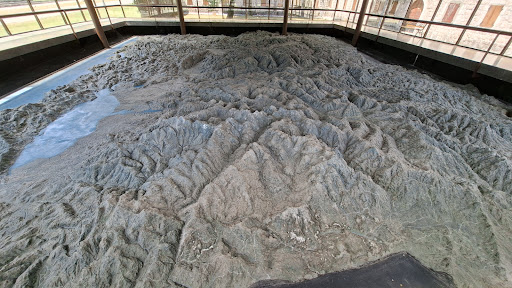
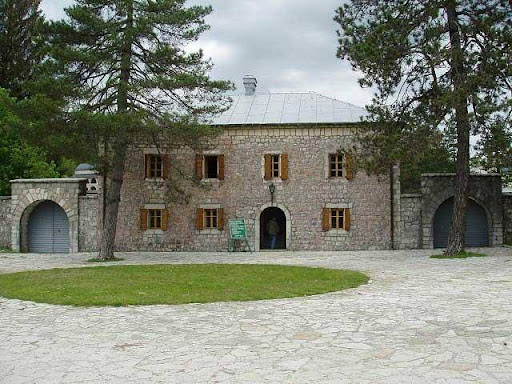
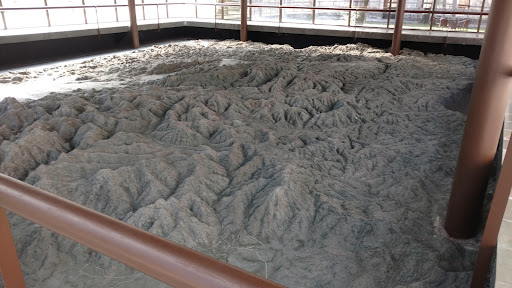
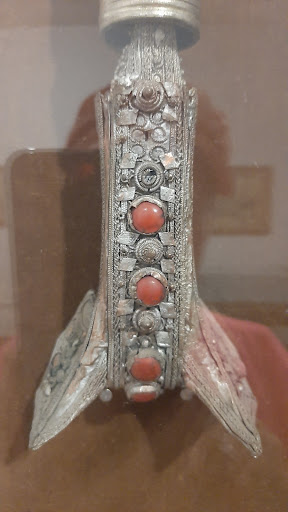
Njegoš Museum Billiards things to do, attractions, restaurants, events info and trip planning
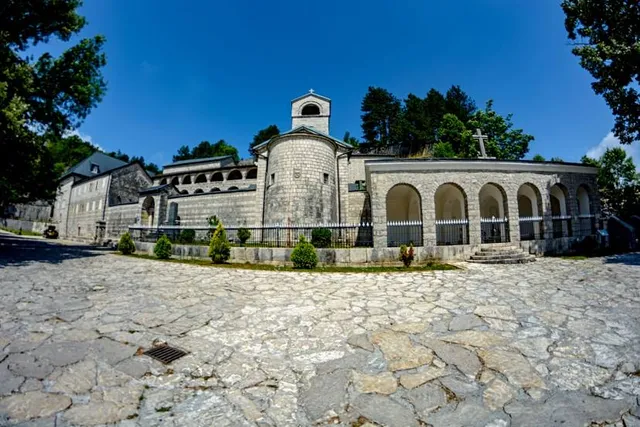
Basic Info
Njegoš Museum Billiards
9WQF+35C, 5 Novice Cerovića, Cetinje 81250, Montenegro
4.6(141)
Open until 12:00 AM

tickets
Save
spot
spot
Ratings & Description
Info
Cultural
Accessibility
attractions: Cetinje Monastery, Vlaška Church, Cetinje, restaurants: Restobar DVOR, Konoba Korzo, Restoran Crna Gora, Ка' Дома, Caffe NYC, Caffe bar "Pećina", Fantasia, Restoran Pjat, Fast food Buon Gusto, Grand Central Cetinje, local businesses: Cetinje manastir, Castle Church, National Museum of Montenegro, Embassy of France
 Learn more insights from Wanderboat AI.
Phone
+382 41 230 310
Website
narodnimuzej.me
Open hoursSee all hours
SunClosedOpen
Plan your stay

Pet-friendly Hotels in Cetinje
Find a cozy hotel nearby and make it a full experience.

Affordable Hotels in Cetinje
Find a cozy hotel nearby and make it a full experience.

The Coolest Hotels You Haven't Heard Of (Yet)
Find a cozy hotel nearby and make it a full experience.

Trending Stays Worth the Hype in Cetinje
Find a cozy hotel nearby and make it a full experience.
Reviews
Live events
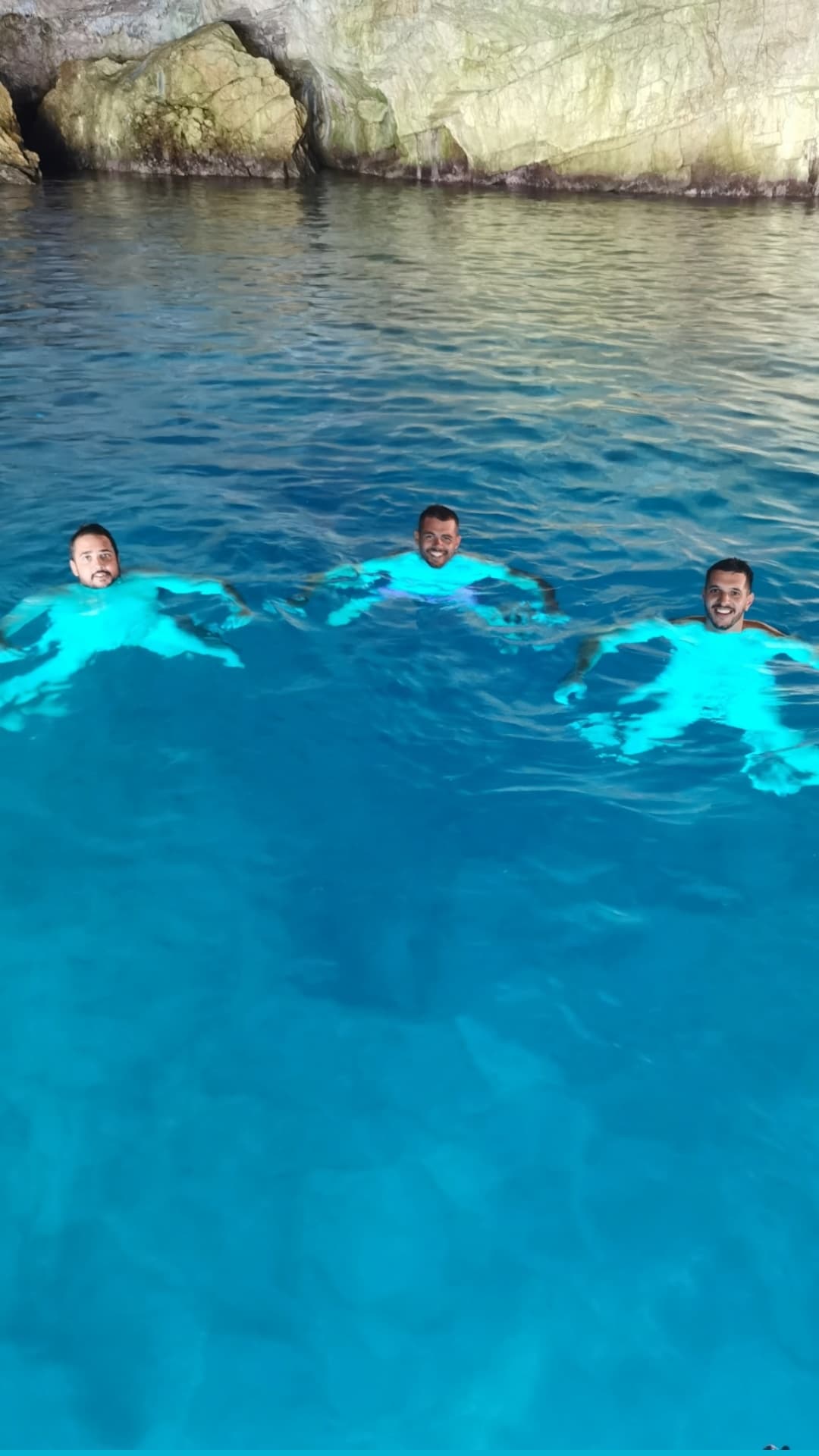
Speedboat 3h tour - Blue Cave and Bay of Kotor
Sun, Feb 22 • 12:00 PM
Kotor, 85330, Montenegro
View details
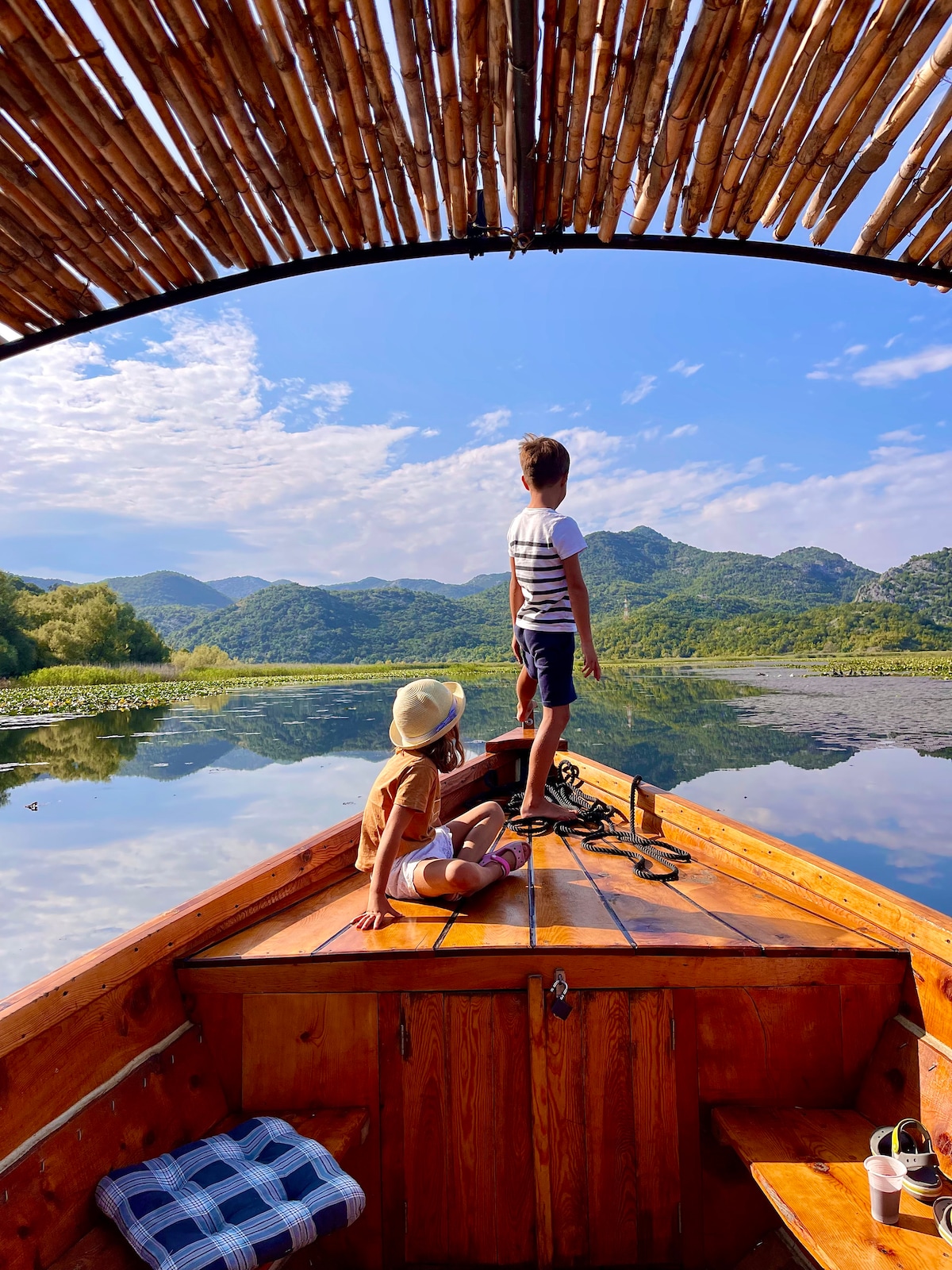
Noahs Ark - Skadar lake journey
Sun, Feb 22 • 8:00 AM
Virpazar, 81000, Montenegro
View details
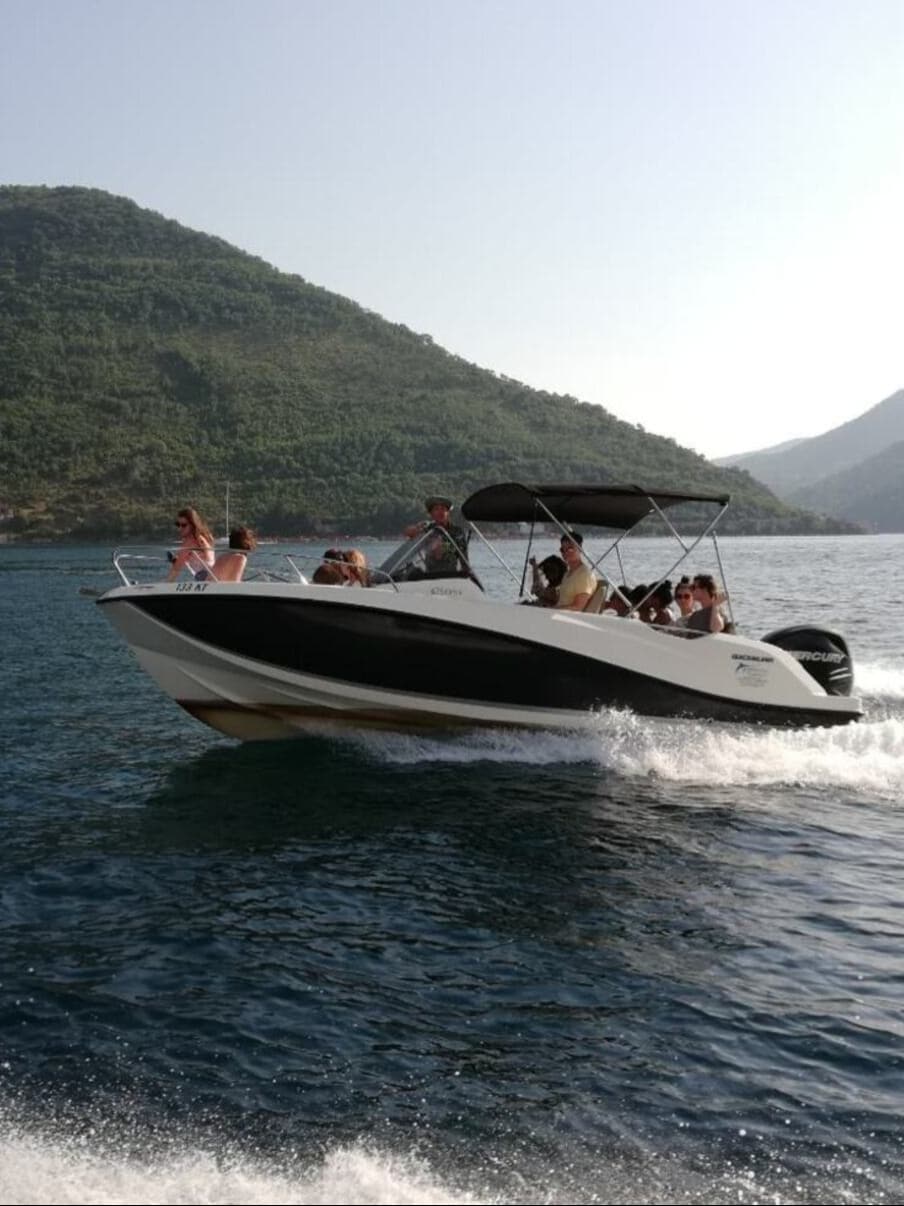
Speed Boat ride to Blue Cave and beach time
Sun, Feb 22 • 12:00 PM
Dobrota, 85330, Montenegro
View details
Nearby attractions of Njegoš Museum Billiards
Cetinje Monastery
Vlaška Church
Cetinje
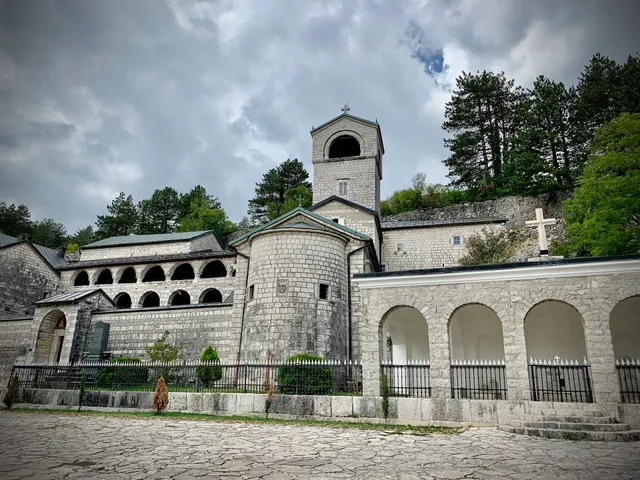
Cetinje Monastery
4.7
(1.2K)
Closed
Click for details
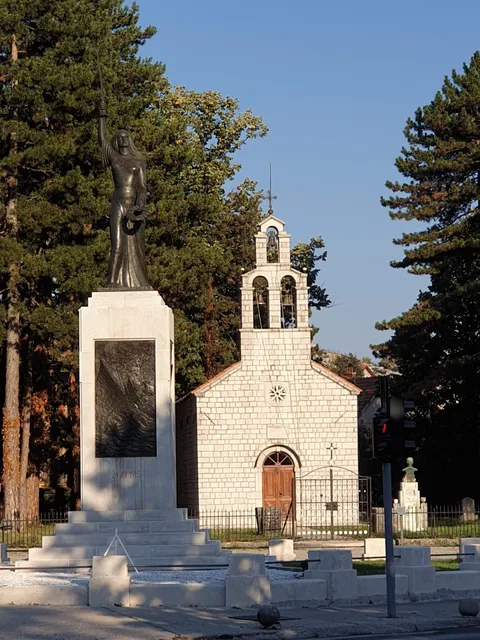
Vlaška Church
4.6
(59)
Open until 12:00 AM
Click for details
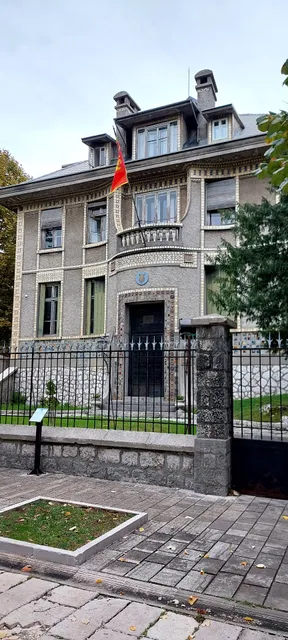
Cetinje
4.3
(22)
Open 24 hours
Click for details
Nearby restaurants of Njegoš Museum Billiards
Restobar DVOR
Konoba Korzo
Restoran Crna Gora
Ка' Дома
Caffe NYC
Caffe bar "Pećina"
Fantasia
Restoran Pjat
Fast food Buon Gusto
Grand Central Cetinje
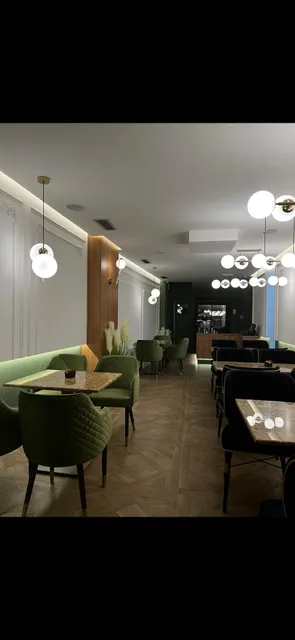
Restobar DVOR
4.4
(338)
Click for details
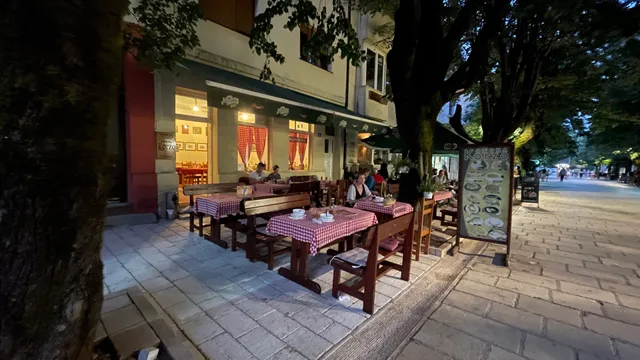
Konoba Korzo
4.4
(212)
Closed
Click for details
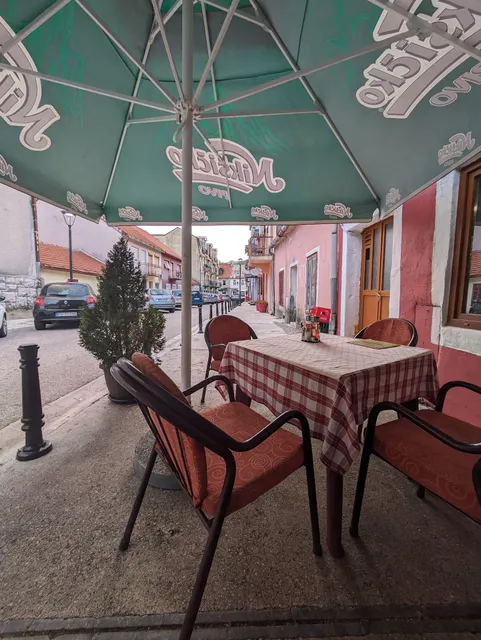
Restoran Crna Gora
4.7
(216)
Closed
Click for details
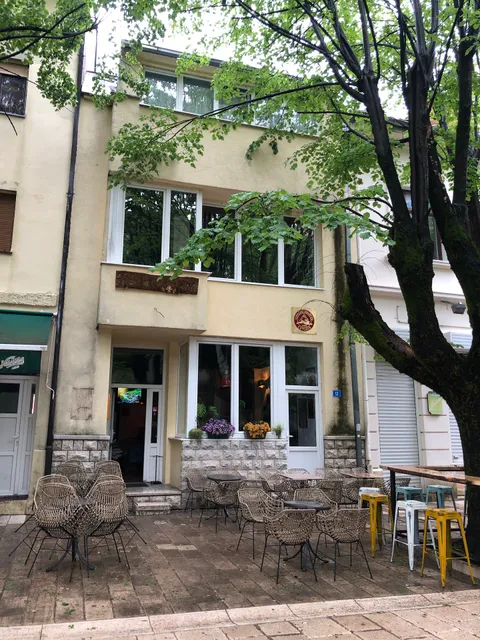
Ка' Дома
4.6
(87)
Closed
Click for details
Nearby local services of Njegoš Museum Billiards
Cetinje manastir
Castle Church
National Museum of Montenegro
Embassy of France
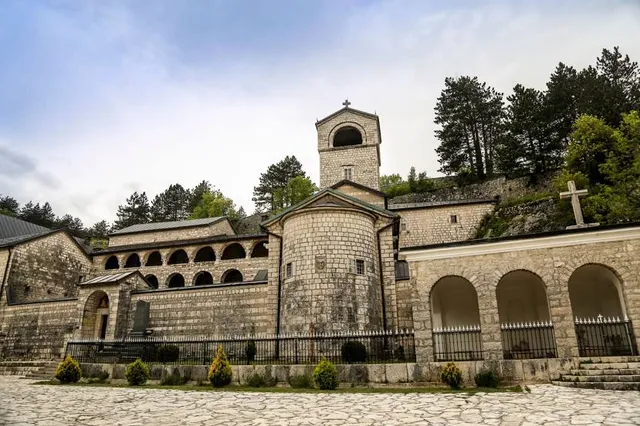
Cetinje manastir
4.7
(1.0K)
Click for details
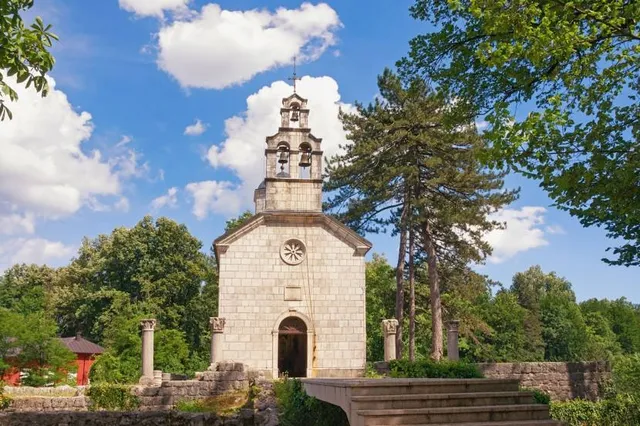
Castle Church
4.8
(74)
Click for details
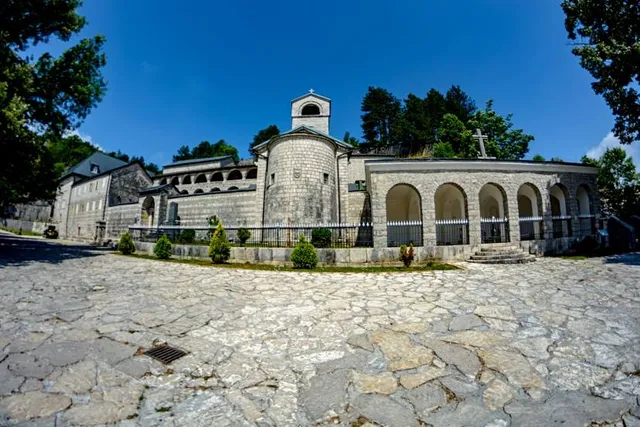
National Museum of Montenegro
4.5
(193)
Click for details
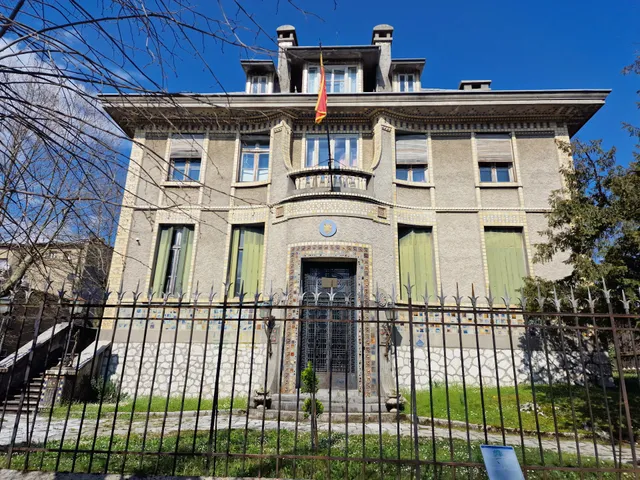
Embassy of France
4.1
(12)
Click for details