HTML SitemapExplore
Find Things to DoFind The Best Restaurants

Fort Vrmac — Attraction in undefined

Name
Fort Vrmac
Description
Nearby attractions
Nearby restaurants
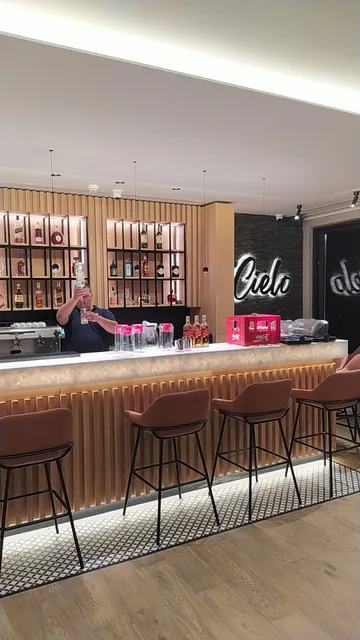
Cielo Rooftop Restaurant
CP7V+3HH, Kavač, Montenegro
Nearby hotels
Royal Blue Resort and Residences
Kavac bb, Tivat 85320, Montenegro
Panoramic View Apartment
Apt 1 Novo Naselje, Kotor, Kotor 85330, Montenegro
Green Home
CQF6+C78, Dalmatinske brigade bb, 85330, Montenegro
Related posts
Keywords
Fort Vrmac tourism.Fort Vrmac hotels.Fort Vrmac bed and breakfast. flights to Fort Vrmac.Fort Vrmac attractions.Fort Vrmac restaurants.Fort Vrmac travel.Fort Vrmac travel guide.Fort Vrmac travel blog.Fort Vrmac pictures.Fort Vrmac photos.Fort Vrmac travel tips.Fort Vrmac maps.Fort Vrmac things to do.
Fort Vrmac things to do, attractions, restaurants, events info and trip planning
Fort Vrmac
MontenegroFort Vrmac

Basic Info

Fort Vrmac

CPCX+CP8, Kavač, Montenegro
4.6(160)
Open 24 hours
Save
spot

Ratings & Description

Info

Cultural
Outdoor
Adventure
Scenic
Off the beaten path
attractions: , restaurants: Cielo Rooftop Restaurant
logoLearn more insights from Wanderboat AI.

Plan your stay

hotel
Pet-friendly Hotels in Montenegro
Find a cozy hotel nearby and make it a full experience.
hotel
Affordable Hotels in Montenegro
Find a cozy hotel nearby and make it a full experience.
hotel
The Coolest Hotels You Haven't Heard Of (Yet)
Find a cozy hotel nearby and make it a full experience.
hotel
Trending Stays Worth the Hype in Montenegro
Find a cozy hotel nearby and make it a full experience.

Reviews

Things to do nearby

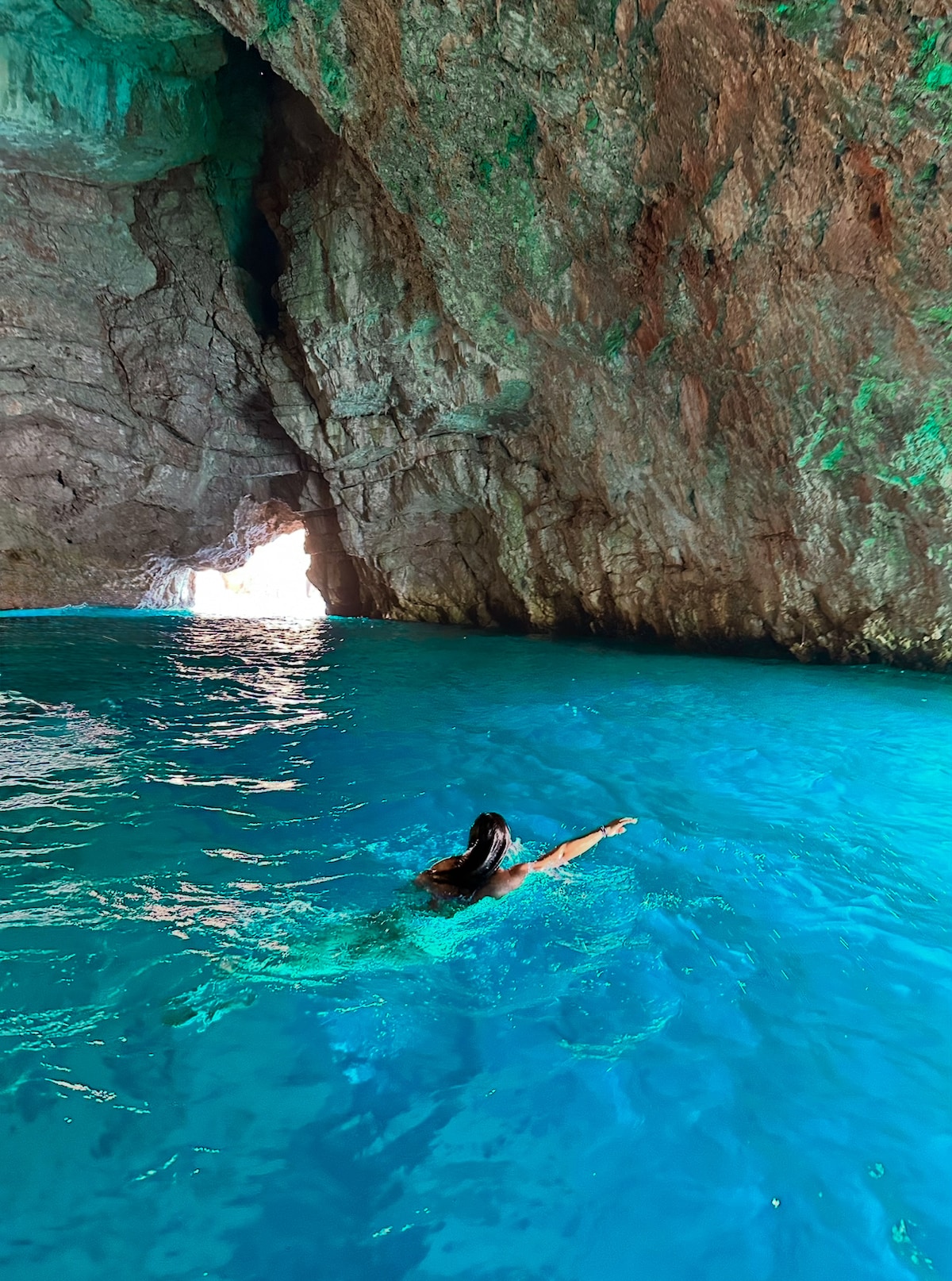
Kotor:Blue Cave, Submarine Base & Lady of the Rock
Mon, Dec 29 • 9:00 AM
Kotor, 85330, Montenegro
View details
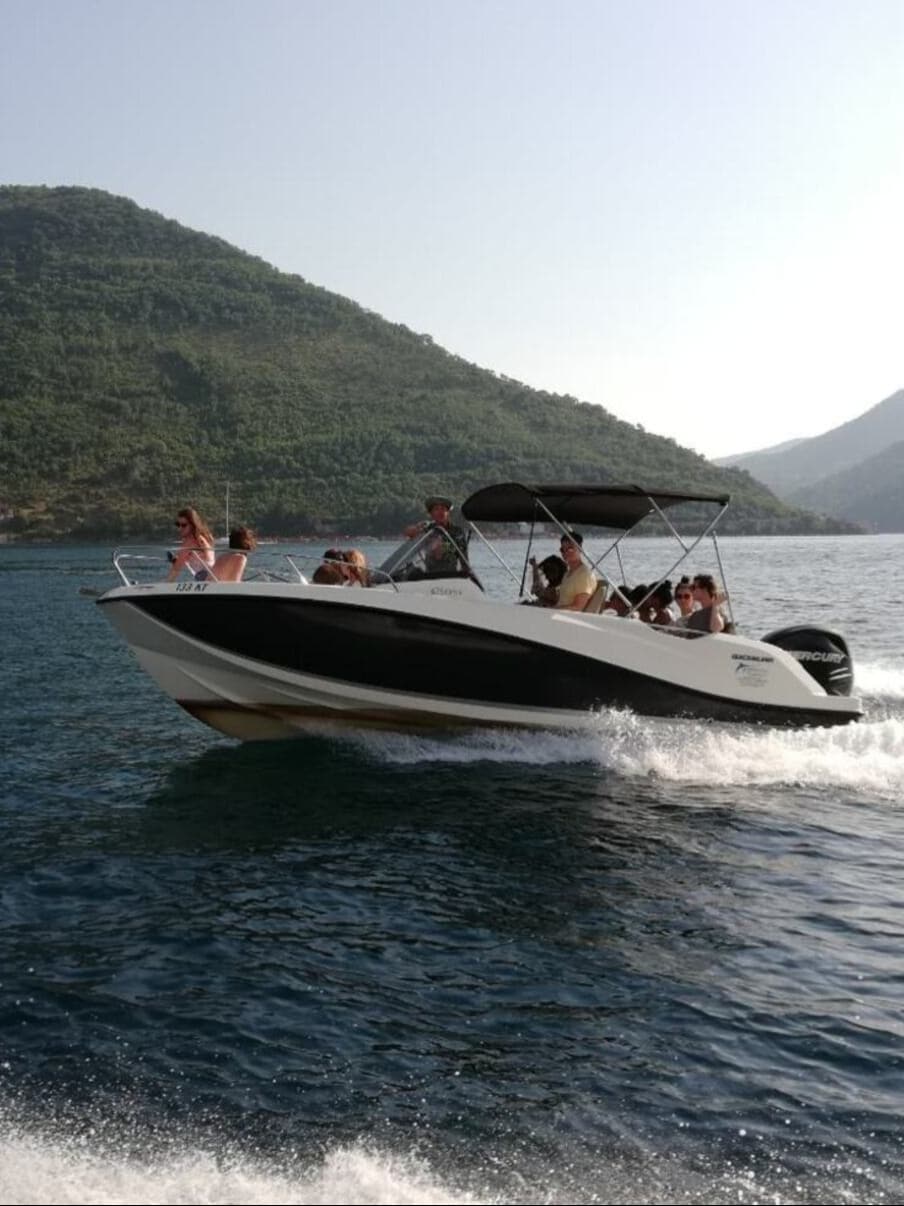
Speed Boat ride to Blue Cave and beach time
Sun, Jan 4 • 12:00 PM
Dobrota, 85330, Montenegro
View details

Nearby restaurants of Fort Vrmac

Cielo Rooftop Restaurant

Cielo Rooftop Restaurant

Cielo Rooftop Restaurant

4.5

(59)

Click for details
Get the Appoverlay
Get the AppOne tap to find yournext favorite spots!
Wanderboat LogoWanderboat

Your everyday Al companion for getaway ideas

CompanyAbout Us
InformationAI Trip PlannerSitemap
SocialXInstagramTiktokLinkedin
LegalTerms of ServicePrivacy Policy

Get the app

© 2025 Wanderboat. All rights reserved.

Reviews of Fort Vrmac

4.6
(160)
avatar
5.0
6y

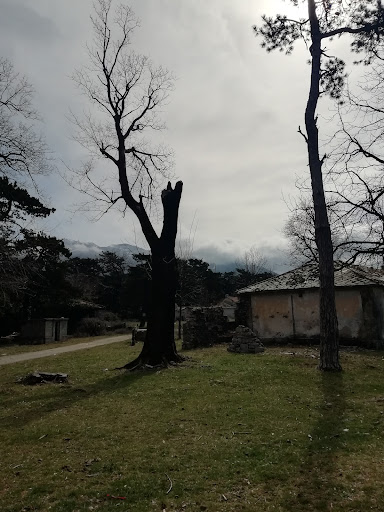
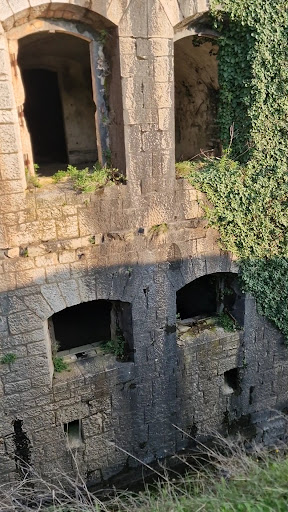
This was just such an interesting place to visit. The climb from Kotor only takes a maximum of two hours, and this was despite very heavy bags we carried - if you're just doing this as a day hike it will be a very doable hike. While the area was under control of the Habsburg empire this fort was built, and a lot of the path leading up to it is also still original and from that time, which means that walking up you will be walking on a path a lot of the time. The entire way up the views of the bay get better and better and the nature is quite beautiful too. Next to the Fort there are some abandoned houses - I do not know what they used to be used as, but my theory is that they're from soviet times... The fort itself is in remarkably good shape and seemed relatively safe to explore. You can enter through one of the windows on the first floor, I wasn't able to find a door. You should have a phone or a lamp with you for the darker corners, especially as there are some big holes lurking on the second floor (not because the building is falling apart but because it seems to have been designed that way). The fort is bigger than it seems from the outside! If you're interested in history and seeing old or abandoned buildings I definitely recommend...

   Read more
avatar
4.0
35w

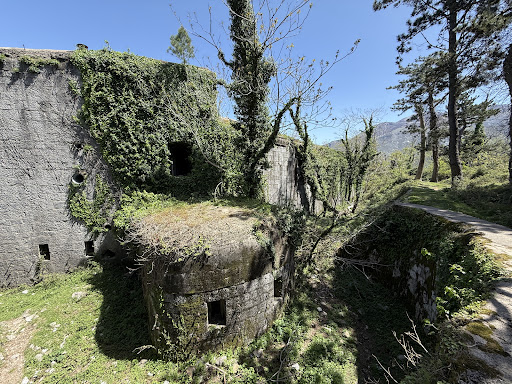
Fort Vrmac sits on a ridge above Kotor and dates back to the late 19th century, around 1894, built by the Austro-Hungarian Empire as part of a defense system against the Ottoman Empire. Today, it’s an abandoned but atmospheric ruin with two walkable levels that offer a glimpse into the region’s military history.

The fort itself doesn’t offer much in terms of sights, but it’s an interesting place to explore, especially if you’re into history or forgotten places. When I visited, a few locals were barbecuing up there (on a Monday, surprisingly), and some pigs were wandering around, an unexpected but charming scene that added to the experience.

The hike up is definitely the highlight. I parked down by the sea in Kotor and walked all the way up, which took me about 1 hour and 10 minutes at a fairly fast pace. The trail offers great views and passes through beautiful natural surroundings. I wouldn’t recommend going up just for the fort itself, but as part of a scenic hike, it’s a...

   Read more
avatar
5.0
2y

Укрепление Врмац возводилось с 1894 года на месте построенного в 1887 «временного укрепления Врмац». Первоначально «первый форт Врмац» существовал на этом месте уже с 1860 г. и играл только незначительную роль в восстаниях 1869 и 1882.

Тактические задачи: Контроль перевала Крстац, борьба с вражескими огневыми позициями в области Кук и Залази, конроль уровня линии Зупа-Эбене и подъемов на полуостров Врмац. Поддержка батареи Шкальяри и форта Горажда в защите дороги Котор-Цетине.

Сроки строительства: 1894 – 1897 Гарнизон в военное время: 5 офицеров и 177 нижних чинов Вооружение: 8 х 120мм орудия в казематах MinSchKan M 80/85 4 х 100мм гаубицы в куполах PH M05 (ранее были установлены 150мм мортиры M80) 12 х оружейных/пулеметных лафетов

После завершения строительства в течение долгого времени Врмац был самым современным укреплением на фронте сухопутной обороны военно-морского порта Котор. Врмац очень похож на укрепления «Periode Vogl» в Южном Тироле. Первоначально сверху были открыто установлены 4 полевых пушки для ближнего боя. С фронтальной стороны и флангов ружейно-пулеметный огонь мог производиться через бойницы. Позднее все орудия были защищены бронированными лафетами, или спрятаны в бронированные казематы. По состоянию на 1905 год, Черногория обладала тяжелыми артиллерийскими орудиями, поэтому ближний бой с открытых позиций стал невозможен, необходимо было увеличить безопасность укрепления. Реконструкция проводилась в 1906 – 1907 годах. Открытые казематы и и защищенные только от осколков наблюдательные пункты удалялись. Потолок усиливался слоем бетона толщиной примерно 1,5 м. Имперская комиссия обозначила Врмац теперь как «укрепление дальнего боя». Укрепление построено на двух уровнях и имеет несимметричную пятиугольную форму. Защита рва была обеспечена тремя капонирами. Все вооружение было установлено в бронированных казематах, гаубицы в стальных куполах. Дополнительно оборудовано два купола наблюдения. Вся броня выпущена на заводе Шкода. Впоследствии стало ясно, что эта работа оказалась не соответствующей текущим задачам. Было запланировано строительство современного укрепления Hohen Vermac (Sveti Ilija), которое так и не было построено.

После начала Первой Мировой войны черногорцы старались подавить артиллерию укреплений Которского района. Врмац был обстрелян самым интенсивным образом (орудиями калибра до 24 см) и сильно поврежден. Весной 1916 года крепость Врмац была полностью отремонтирована, и частично разоружена. Не в последнюю очередь исходя из опыта обстрела этого укрепления. Вероятно это повлияло и на разоружение старых укреплений и в Южном Тироле. После Второй Мировой войны укрепление было передано...

   Read more

Page 1 of 7
Previous
Next

Posts

Zoé SandleZoé Sandle
This was just such an interesting place to visit. The climb from Kotor only takes a maximum of two hours, and this was despite very heavy bags we carried - if you're just doing this as a day hike it will be a very doable hike. While the area was under control of the Habsburg empire this fort was built, and a lot of the path leading up to it is also still original and from that time, which means that walking up you will be walking on a path a lot of the time. The entire way up the views of the bay get better and better and the nature is quite beautiful too. Next to the Fort there are some abandoned houses - I do not know what they used to be used as, but my theory is that they're from soviet times... The fort itself is in remarkably good shape and seemed relatively safe to explore. You can enter through one of the windows on the first floor, I wasn't able to find a door. You should have a phone or a lamp with you for the darker corners, especially as there are some big holes lurking on the second floor (not because the building is falling apart but because it seems to have been designed that way). The fort is bigger than it seems from the outside! If you're interested in history and seeing old or abandoned buildings I definitely recommend checking this out.
Juri RedeckerJuri Redecker
Fort Vrmac sits on a ridge above Kotor and dates back to the late 19th century, around 1894, built by the Austro-Hungarian Empire as part of a defense system against the Ottoman Empire. Today, it’s an abandoned but atmospheric ruin with two walkable levels that offer a glimpse into the region’s military history. The fort itself doesn’t offer much in terms of sights, but it’s an interesting place to explore, especially if you’re into history or forgotten places. When I visited, a few locals were barbecuing up there (on a Monday, surprisingly), and some pigs were wandering around, an unexpected but charming scene that added to the experience. The hike up is definitely the highlight. I parked down by the sea in Kotor and walked all the way up, which took me about 1 hour and 10 minutes at a fairly fast pace. The trail offers great views and passes through beautiful natural surroundings. I wouldn’t recommend going up just for the fort itself, but as part of a scenic hike, it’s a rewarding stop.
Dim DimychDim Dimych
Укрепление Врмац возводилось с 1894 года на месте построенного в 1887 «временного укрепления Врмац». Первоначально «первый форт Врмац» существовал на этом месте уже с 1860 г. и играл только незначительную роль в восстаниях 1869 и 1882. Тактические задачи: Контроль перевала Крстац, борьба с вражескими огневыми позициями в области Кук и Залази, конроль уровня линии Зупа-Эбене и подъемов на полуостров Врмац. Поддержка батареи Шкальяри и форта Горажда в защите дороги Котор-Цетине. Сроки строительства: 1894 – 1897 Гарнизон в военное время: 5 офицеров и 177 нижних чинов Вооружение: 8 х 120мм орудия в казематах MinSchKan M 80/85 4 х 100мм гаубицы в куполах PH M05 (ранее были установлены 150мм мортиры M80) 12 х оружейных/пулеметных лафетов После завершения строительства в течение долгого времени Врмац был самым современным укреплением на фронте сухопутной обороны военно-морского порта Котор. Врмац очень похож на укрепления «Periode Vogl» в Южном Тироле. Первоначально сверху были открыто установлены 4 полевых пушки для ближнего боя. С фронтальной стороны и флангов ружейно-пулеметный огонь мог производиться через бойницы. Позднее все орудия были защищены бронированными лафетами, или спрятаны в бронированные казематы. По состоянию на 1905 год, Черногория обладала тяжелыми артиллерийскими орудиями, поэтому ближний бой с открытых позиций стал невозможен, необходимо было увеличить безопасность укрепления. Реконструкция проводилась в 1906 – 1907 годах. Открытые казематы и и защищенные только от осколков наблюдательные пункты удалялись. Потолок усиливался слоем бетона толщиной примерно 1,5 м. Имперская комиссия обозначила Врмац теперь как «укрепление дальнего боя». Укрепление построено на двух уровнях и имеет несимметричную пятиугольную форму. Защита рва была обеспечена тремя капонирами. Все вооружение было установлено в бронированных казематах, гаубицы в стальных куполах. Дополнительно оборудовано два купола наблюдения. Вся броня выпущена на заводе Шкода. Впоследствии стало ясно, что эта работа оказалась не соответствующей текущим задачам. Было запланировано строительство современного укрепления Hohen Vermac (Sveti Ilija), которое так и не было построено. После начала Первой Мировой войны черногорцы старались подавить артиллерию укреплений Которского района. Врмац был обстрелян самым интенсивным образом (орудиями калибра до 24 см) и сильно поврежден. Весной 1916 года крепость Врмац была полностью отремонтирована, и частично разоружена. Не в последнюю очередь исходя из опыта обстрела этого укрепления. Вероятно это повлияло и на разоружение старых укреплений и в Южном Тироле. После Второй Мировой войны укрепление было передано югославской армии.
See more posts
See more posts
hotel
Find your stay

Pet-friendly Hotels in Montenegro

Find a cozy hotel nearby and make it a full experience.

This was just such an interesting place to visit. The climb from Kotor only takes a maximum of two hours, and this was despite very heavy bags we carried - if you're just doing this as a day hike it will be a very doable hike. While the area was under control of the Habsburg empire this fort was built, and a lot of the path leading up to it is also still original and from that time, which means that walking up you will be walking on a path a lot of the time. The entire way up the views of the bay get better and better and the nature is quite beautiful too. Next to the Fort there are some abandoned houses - I do not know what they used to be used as, but my theory is that they're from soviet times... The fort itself is in remarkably good shape and seemed relatively safe to explore. You can enter through one of the windows on the first floor, I wasn't able to find a door. You should have a phone or a lamp with you for the darker corners, especially as there are some big holes lurking on the second floor (not because the building is falling apart but because it seems to have been designed that way). The fort is bigger than it seems from the outside! If you're interested in history and seeing old or abandoned buildings I definitely recommend checking this out.
Zoé Sandle

Zoé Sandle

hotel
Find your stay

Affordable Hotels in Montenegro

Find a cozy hotel nearby and make it a full experience.

Get the Appoverlay
Get the AppOne tap to find yournext favorite spots!
Fort Vrmac sits on a ridge above Kotor and dates back to the late 19th century, around 1894, built by the Austro-Hungarian Empire as part of a defense system against the Ottoman Empire. Today, it’s an abandoned but atmospheric ruin with two walkable levels that offer a glimpse into the region’s military history. The fort itself doesn’t offer much in terms of sights, but it’s an interesting place to explore, especially if you’re into history or forgotten places. When I visited, a few locals were barbecuing up there (on a Monday, surprisingly), and some pigs were wandering around, an unexpected but charming scene that added to the experience. The hike up is definitely the highlight. I parked down by the sea in Kotor and walked all the way up, which took me about 1 hour and 10 minutes at a fairly fast pace. The trail offers great views and passes through beautiful natural surroundings. I wouldn’t recommend going up just for the fort itself, but as part of a scenic hike, it’s a rewarding stop.
Juri Redecker

Juri Redecker

hotel
Find your stay

The Coolest Hotels You Haven't Heard Of (Yet)

Find a cozy hotel nearby and make it a full experience.

hotel
Find your stay

Trending Stays Worth the Hype in Montenegro

Find a cozy hotel nearby and make it a full experience.

Укрепление Врмац возводилось с 1894 года на месте построенного в 1887 «временного укрепления Врмац». Первоначально «первый форт Врмац» существовал на этом месте уже с 1860 г. и играл только незначительную роль в восстаниях 1869 и 1882. Тактические задачи: Контроль перевала Крстац, борьба с вражескими огневыми позициями в области Кук и Залази, конроль уровня линии Зупа-Эбене и подъемов на полуостров Врмац. Поддержка батареи Шкальяри и форта Горажда в защите дороги Котор-Цетине. Сроки строительства: 1894 – 1897 Гарнизон в военное время: 5 офицеров и 177 нижних чинов Вооружение: 8 х 120мм орудия в казематах MinSchKan M 80/85 4 х 100мм гаубицы в куполах PH M05 (ранее были установлены 150мм мортиры M80) 12 х оружейных/пулеметных лафетов После завершения строительства в течение долгого времени Врмац был самым современным укреплением на фронте сухопутной обороны военно-морского порта Котор. Врмац очень похож на укрепления «Periode Vogl» в Южном Тироле. Первоначально сверху были открыто установлены 4 полевых пушки для ближнего боя. С фронтальной стороны и флангов ружейно-пулеметный огонь мог производиться через бойницы. Позднее все орудия были защищены бронированными лафетами, или спрятаны в бронированные казематы. По состоянию на 1905 год, Черногория обладала тяжелыми артиллерийскими орудиями, поэтому ближний бой с открытых позиций стал невозможен, необходимо было увеличить безопасность укрепления. Реконструкция проводилась в 1906 – 1907 годах. Открытые казематы и и защищенные только от осколков наблюдательные пункты удалялись. Потолок усиливался слоем бетона толщиной примерно 1,5 м. Имперская комиссия обозначила Врмац теперь как «укрепление дальнего боя». Укрепление построено на двух уровнях и имеет несимметричную пятиугольную форму. Защита рва была обеспечена тремя капонирами. Все вооружение было установлено в бронированных казематах, гаубицы в стальных куполах. Дополнительно оборудовано два купола наблюдения. Вся броня выпущена на заводе Шкода. Впоследствии стало ясно, что эта работа оказалась не соответствующей текущим задачам. Было запланировано строительство современного укрепления Hohen Vermac (Sveti Ilija), которое так и не было построено. После начала Первой Мировой войны черногорцы старались подавить артиллерию укреплений Которского района. Врмац был обстрелян самым интенсивным образом (орудиями калибра до 24 см) и сильно поврежден. Весной 1916 года крепость Врмац была полностью отремонтирована, и частично разоружена. Не в последнюю очередь исходя из опыта обстрела этого укрепления. Вероятно это повлияло и на разоружение старых укреплений и в Южном Тироле. После Второй Мировой войны укрепление было передано югославской армии.
Dim Dimych

Dim Dimych

See more posts
See more posts