HTML SitemapExplore

Lixus Archeological Site — Attraction in Larache

Name
Lixus Archeological Site
Description
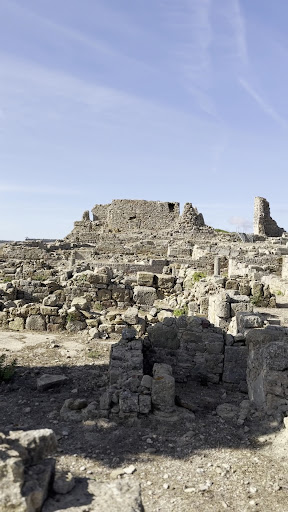
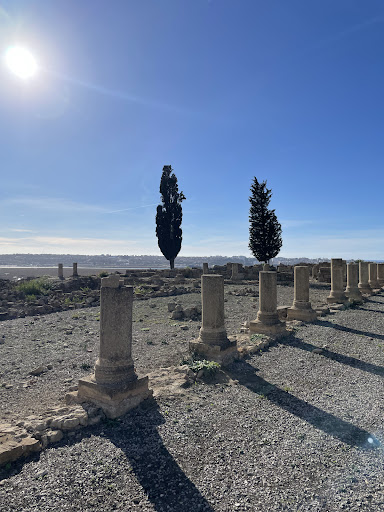
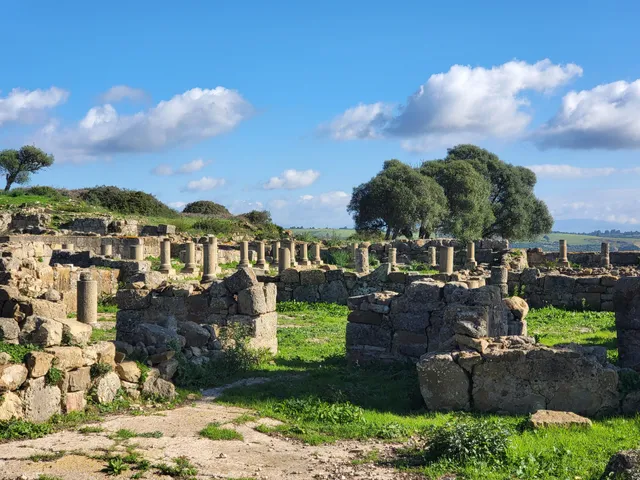
Lixus is an ancient city founded by Phoenicians before the city of Carthage. Its distinguishing feature is that it was continuously occupied from antiquity to the Islamic Era, and has ruins dating to the Phoenician, Punic, Mauretanian, Roman and Islamic periods.
Nearby attractions
Nearby restaurants
Nearby hotels
Related posts
Keywords
Lixus Archeological Site tourism.Lixus Archeological Site hotels.Lixus Archeological Site bed and breakfast. flights to Lixus Archeological Site.Lixus Archeological Site attractions.Lixus Archeological Site restaurants.Lixus Archeological Site travel.Lixus Archeological Site travel guide.Lixus Archeological Site travel blog.Lixus Archeological Site pictures.Lixus Archeological Site photos.Lixus Archeological Site travel tips.Lixus Archeological Site maps.Lixus Archeological Site things to do.
Lixus Archeological Site things to do, attractions, restaurants, events info and trip planning
Lixus Archeological Site
MoroccoTangier-Tetouan-Al HoceimaLaracheLixus Archeological Site

Basic Info

Lixus Archeological Site

5VXP+FV4 Site Archéologique de Lixus, Larache 92000, Morocco
4.4(353)
Open 24 hours
Save
spot

Ratings & Description

Info

Lixus is an ancient city founded by Phoenicians before the city of Carthage. Its distinguishing feature is that it was continuously occupied from antiquity to the Islamic Era, and has ruins dating to the Phoenician, Punic, Mauretanian, Roman and Islamic periods.

Cultural
Outdoor
Scenic
Family friendly
Off the beaten path
attractions: , restaurants:
logoLearn more insights from Wanderboat AI.
Website
facebook.com

Plan your stay

hotel
Pet-friendly Hotels in Larache
Find a cozy hotel nearby and make it a full experience.
hotel
Affordable Hotels in Larache
Find a cozy hotel nearby and make it a full experience.
hotel
The Coolest Hotels You Haven't Heard Of (Yet)
Find a cozy hotel nearby and make it a full experience.
hotel
Trending Stays Worth the Hype in Larache
Find a cozy hotel nearby and make it a full experience.

Reviews

Get the Appoverlay
Get the AppOne tap to find yournext favorite spots!
Wanderboat LogoWanderboat

Your everyday Al companion for getaway ideas

CompanyAbout Us
InformationAI Trip PlannerSitemap
SocialXInstagramTiktokLinkedin
LegalTerms of ServicePrivacy Policy

Get the app

© 2025 Wanderboat. All rights reserved.

Posts

Mohamed LAMARIMohamed LAMARI
The Lixus Archaeological Site is one of Morocco’s most important ancient ruins, located near the city of Larache, on the country’s Atlantic coast. Dating back over 2,500 years, Lixus was originally founded by the Phoenicians in the 7th century BCE and later became a significant Carthaginian and Roman settlement. The site is believed to be one of the oldest urban centers in Morocco and was famous in antiquity for its garum production, a prized fermented fish sauce exported across the Roman Empire. Visitors can explore well-preserved ruins, including Roman baths, temples, a forum, and an amphitheater, the latter being the only known Roman theater in Morocco. According to legend, Lixus is also linked to Greek mythology, with some believing it to be the location of the Garden of the Hesperides, where Hercules retrieved the golden apples as part of his Twelve Labors. Perched on a hill overlooking the Loukkos River, Lixus offers breathtaking views of the surrounding landscape, making it a fascinating destination for history and archaeology enthusiasts.
Issam ElasriIssam Elasri
The historical city of Lixos, I spent a good time with my son there, the station is beautiful, but most of the discovered antiquities are displayed in other airports such as the Museum of the City of Tetouan and the Museum of Rabat, I hope that the officials return the discovered antiquities to this city so that they cover a real cultural and historical radiation, and the place lacks some attention such as the availability of a shop selling water bottles or some simple traditional things to support the traditional manufacturer, and the place lacks a wave that is on the spot to help visitors
Ammuri FikriAmmuri Fikri
🏛 الموقع الأثري ليكسوس Le Site archéologique de Lixus ليكسوس بالفينيقية باللاتينية: LIXVS بالأمازيغية: ⵍⵉⴽⵙⵓⵙ ✏ ليكسوس مدينة أثرية تبعد ب 3 كلم عن مدينة العرائش بنيت على الضفة اليمنى لوادي اللوكوس Oued Loukous من المدخل الشمالي للعرائش فوق هضبة تسمى التشوميس مطلة على الساحل الأطلسي على علو 80 مترا، تقدر مساحتها بأكثر من 75 هكتار. ✏ ترجع أصول ليكسوس إلى نهاية القرن 12 قبل الميلاد تاريخ بناء معبد الإله الفينيقي ملقارط، إلا أن الأبحاث الأركيولوجية التي جرت بالموقع لا تسمح بتجاوز القرن الثامن قبل الميلاد، يمكن اعتبار ليكسوس مع ذلك أقدم حاضرة بالمغرب. ✏ من الاثار الرومانية البارزة في ليكسوس مجموعة من المساكن والقصور المتباينة من خلال أعمدتها الضخمة وأرضيتها المزينة بالفسيفساء ذات أشكال متجانسة ما زال بعض أثارها لحد الآن رغم العبث الذي تعرض له هذا الموقع، من المعالم العمرانية كذلك بعض أماكن تجفيف وتمليح السمك التي امتاز بها سكان المدينة في تلك الفترة والتي تعد من أول مصانع تصبير الأسماك عرفتها المنطقة. ✏ لقد عرفت ليكسوس فترات عمران كبيرة في أيام الموريين والرومان ثم أعقبها دمارا كبيرا خلال القرن الثالث الميلادي على إثر الأزمة السياسية والاقتصادية التي عصفت بالإمبراطورية الرومانية حتى القرن الخامس الميلادي، ثم عرفت خلال القرنين الثامن والتاسع الميلادي تغيير اسمها إلى التشوميس التابعة إلى الإمارة الإدريسية وذلك إثر اكتشاف مسجد ومباني بها إلا أن تم هجرها خلال القرن الثالت عشر الميلادي وبناءْ مدينة العرائش الحالية على الضفة الأخرى من نهر اللوكوس. ✏ تم تسجيلها من طرف منظمة اليونيسكو سنة 1995 ميلادية في قائمة التراث العالمي. 👈فحقبة الرومان في المغرب عرفت ازدهار الحضارة الرومانية بشمال أفريقيا من خلال تشييد مدن كثيرة... 🕛التوقيت: مفتوح طيلة أيام الأسبوع ، من الثامنة صباحا إلى السابعة مساء. 💶التعريفة: ✅الكبار: 10 دراهم ✅الصغار: 5 دراهم ✅الأجانب : 60 درهم
See more posts
See more posts
hotel
Find your stay

Pet-friendly Hotels in Larache

Find a cozy hotel nearby and make it a full experience.

The Lixus Archaeological Site is one of Morocco’s most important ancient ruins, located near the city of Larache, on the country’s Atlantic coast. Dating back over 2,500 years, Lixus was originally founded by the Phoenicians in the 7th century BCE and later became a significant Carthaginian and Roman settlement. The site is believed to be one of the oldest urban centers in Morocco and was famous in antiquity for its garum production, a prized fermented fish sauce exported across the Roman Empire. Visitors can explore well-preserved ruins, including Roman baths, temples, a forum, and an amphitheater, the latter being the only known Roman theater in Morocco. According to legend, Lixus is also linked to Greek mythology, with some believing it to be the location of the Garden of the Hesperides, where Hercules retrieved the golden apples as part of his Twelve Labors. Perched on a hill overlooking the Loukkos River, Lixus offers breathtaking views of the surrounding landscape, making it a fascinating destination for history and archaeology enthusiasts.
Mohamed LAMARI

Mohamed LAMARI

hotel
Find your stay

Affordable Hotels in Larache

Find a cozy hotel nearby and make it a full experience.

Get the Appoverlay
Get the AppOne tap to find yournext favorite spots!
The historical city of Lixos, I spent a good time with my son there, the station is beautiful, but most of the discovered antiquities are displayed in other airports such as the Museum of the City of Tetouan and the Museum of Rabat, I hope that the officials return the discovered antiquities to this city so that they cover a real cultural and historical radiation, and the place lacks some attention such as the availability of a shop selling water bottles or some simple traditional things to support the traditional manufacturer, and the place lacks a wave that is on the spot to help visitors
Issam Elasri

Issam Elasri

hotel
Find your stay

The Coolest Hotels You Haven't Heard Of (Yet)

Find a cozy hotel nearby and make it a full experience.

hotel
Find your stay

Trending Stays Worth the Hype in Larache

Find a cozy hotel nearby and make it a full experience.

🏛 الموقع الأثري ليكسوس Le Site archéologique de Lixus ليكسوس بالفينيقية باللاتينية: LIXVS بالأمازيغية: ⵍⵉⴽⵙⵓⵙ ✏ ليكسوس مدينة أثرية تبعد ب 3 كلم عن مدينة العرائش بنيت على الضفة اليمنى لوادي اللوكوس Oued Loukous من المدخل الشمالي للعرائش فوق هضبة تسمى التشوميس مطلة على الساحل الأطلسي على علو 80 مترا، تقدر مساحتها بأكثر من 75 هكتار. ✏ ترجع أصول ليكسوس إلى نهاية القرن 12 قبل الميلاد تاريخ بناء معبد الإله الفينيقي ملقارط، إلا أن الأبحاث الأركيولوجية التي جرت بالموقع لا تسمح بتجاوز القرن الثامن قبل الميلاد، يمكن اعتبار ليكسوس مع ذلك أقدم حاضرة بالمغرب. ✏ من الاثار الرومانية البارزة في ليكسوس مجموعة من المساكن والقصور المتباينة من خلال أعمدتها الضخمة وأرضيتها المزينة بالفسيفساء ذات أشكال متجانسة ما زال بعض أثارها لحد الآن رغم العبث الذي تعرض له هذا الموقع، من المعالم العمرانية كذلك بعض أماكن تجفيف وتمليح السمك التي امتاز بها سكان المدينة في تلك الفترة والتي تعد من أول مصانع تصبير الأسماك عرفتها المنطقة. ✏ لقد عرفت ليكسوس فترات عمران كبيرة في أيام الموريين والرومان ثم أعقبها دمارا كبيرا خلال القرن الثالث الميلادي على إثر الأزمة السياسية والاقتصادية التي عصفت بالإمبراطورية الرومانية حتى القرن الخامس الميلادي، ثم عرفت خلال القرنين الثامن والتاسع الميلادي تغيير اسمها إلى التشوميس التابعة إلى الإمارة الإدريسية وذلك إثر اكتشاف مسجد ومباني بها إلا أن تم هجرها خلال القرن الثالت عشر الميلادي وبناءْ مدينة العرائش الحالية على الضفة الأخرى من نهر اللوكوس. ✏ تم تسجيلها من طرف منظمة اليونيسكو سنة 1995 ميلادية في قائمة التراث العالمي. 👈فحقبة الرومان في المغرب عرفت ازدهار الحضارة الرومانية بشمال أفريقيا من خلال تشييد مدن كثيرة... 🕛التوقيت: مفتوح طيلة أيام الأسبوع ، من الثامنة صباحا إلى السابعة مساء. 💶التعريفة: ✅الكبار: 10 دراهم ✅الصغار: 5 دراهم ✅الأجانب : 60 درهم
Ammuri Fikri

Ammuri Fikri

See more posts
See more posts

Reviews of Lixus Archeological Site

4.4
(353)
avatar
5.0
2y

In mid-August 2024, my identical twin brother visited Morocco for two months, and we and a Tunisian friend visited Lixus, the ancient Roman archeological site close to the Atlantic Ocean and near the coastal town of Larache, Morocco.

As we drove to the entrance building, I saw a sign saying Moroccans and residents could enter for free, but non-resident adults must pay 80 Dirhams. I thought this a high price since Volubilis, a much larger and more impressive Roman site outside Meknès, Morocco, has an entrance fee of just 30 Dirhams.

We walked inside a modern air-conditioned building with very tall ceilings that had various rooms with printed displays with drawings and photographs in French, but not in English, explaining the history of the 2,500 Roman ruin of Lixus.

Another building had a conference room with movie theater-style cushioned seats and many more informative displays on the walls.

Once we walked outside and down some stone steps, we observed ancient stones and pits where fish was preserved in salt underground.

I do think there should be more outdoor signs to guide people and explain what ruins they are looking at. A guide might be helpful. The Lixus site is not appropriate for disabled people with walking handicaps due to the many steps and more safety handrails should be installed.

A cafétéria is supposed to be operational within six months in the large building. I found the English-speaking man who checked your ticket pleasant and helpful.

While we were happy to see Luxus, I was far more in awe of the Roman arches, aqueducts and colums at the much larger Volubilis archeological site outside Meknès, which cost only 30 Dirhams to explore. The entrance fee is overpriced and should be...

   Read more
avatar
5.0
4y

موقع أتري مميز فبزيارتك للمكان أنت تقف على أطلال أقدم حاضرة في جنوب غرب البحر الأبيض المتوسط على إحدى التلال بالضفة الشمالية لوادي اللوكوس، تقف أطلال مدينة ليكسوس شامخة وشاهدة على حقبة من التاريخ ضاربة في القدم، اختلطت فيها الأساطير بالحقائق، لتبدع مدينة فريدة كانت تقف عندها حدود العالم المعروف ذات زمن.

وتشهد فرادة البناء وأبعاد الأطلال ودقة التصاميم وجودة اللقى الأثرية بالمكان على عظمة مدينة ليكسوس، التي حظيت بمكانة أثيرة سواء في الأساطير الإغريقية أو خلال حقبة المماليك المورية أو الفترة الرومانية، ومن بعدها الفترة العربية الإسلامية، لتدخل طي النسيان على مدى قرون.

  • أسطورة التأسيس *

يتعلق الأمر بأقدم حاضرة بجنوب غرب البحر الأبيض المتوسط، يقول المحافظ الجهوي للتراث بطنجة – تطوان – الحسيمة، العربي المصباحي في تصريح لوكالة المغرب العربي للأنباء، موضحا أن تأريخ بناء هذه المدينة وفق بعض النصوص القديمة يتزامن مع ما تم ذكره في الأساطير الإغريقية حول أعمال هرقل وقطفه للتفاحات الذهبية من حديقة “الهيسبريديس”، التي يعتقد أن موقعها يقع في هذه الناحية من العرائش، وربما موقع ليكسوس.

في السياق، يؤكد هشام حسيني محافظ موقع ليكسوس، أن هذه الحاضرة تعتبر من بين المدن القلائل بالمغرب التي تتوفر على أسطورة التأسيس، فأسطورة المكان مرتبطة ببناء معبد الإله ملقارت من طرف الفينيقيين في القرن الثاني عشر قبل الميلاد.

وأضاف حسني أن الموقع الجغرافي لليكسوس، في أقصى غرب العالم المعروف آنذاك، جعل المدينة محاطة بهالة من الأساطير لكونها كانت تقع على حافة نهاية عالم البشر وبداية عالم الآلهة، معتبرا أن المكان مرتبط بأساطير هرقل وقطفه التفاحات الذهبية وبصراعه مع العملاق آنتي، حامي أرض الأمازيغ، في مكان ما بين طنجة والعرائش، وقرب المكان من العملاق أطلس، الاسم الذي يحيل على سلسلة جبال الأطلس والمحيط الأطلسي وجزيرة أتلانتيس.

لكن على المستوى الأثري والعلمي – يستدرك السيد المصباحي – كشفت الأبحاث الأركيولوجية التي جرت بعين المكان عن أن أقدم اللقى الأثرية تعود إلى القرن الثامن قبل الميلاد. ويتعلق الأمر بلوحة حجرية تحمل نقوشا فينيقية.

  • من الفينيقيين إلى العرب *

وحسب الحفريات، يعتقد أن مدينة ليكسوس كانت من بين أكبر المدن التي أسسها الفينيقيون بغرب المتوسط، حيث امتدت على مساحة تناهز 14 هكتارا، بعدما أسس بها الفينيقيون مركزا تجاريا لتسيير المبادلات مع السكان المحليين، أي الموريين، وأصبح المركز مع الوقت مدينة قائمة الذات مزدهرة بفضل التجارة مع القرطاجيين والإغريق.

وأضاف السيد المصباحي أن المدينة عرفت خلال الفترة المورية، التي تمتد من القرن السادس قبل الميلاد إلى 40 ميلادية، تطورا مهما وفق ما يستشف من اللقى الأثرية، موضحا أن ليكسوس حظيت بأهمية سياسية وتجارية كبيرة وكانت لها مبادلات تجارية مع عدد من حواضر شرق المتوسط، لافتا إلى أن بعض الأنفورات المستعملة في تصدير السمك المملح وصلصة الغاروم المنتجة بمصانع ليكسوس عثر عليها باليونان.

مع ظهور المماليك المورية، يوضح من جانبه السيد حسيني، حافظت ليكسوس على مكانتها لدى عدد من ملوك هذه الحقبة، خاصة لدى يوبا الثاني وابنه بطليموس، الذي كان آخر ملوك الموريين بعد اغتياله من طرف الإمبراطور الروماني كاليكولا حوالي سنة 40 ميلادية تقريبا، لافتا إلى أن المدينة صارت منذ هذا التاريخ ضمن الولاية الرومانية المسماة موريتانيا الطنجية، وذلك إلى حدود أوائل القرن الخامس ميلادي.

وآذن استقرار الرومان بالمنطقة ببداية حقبة تكتسي أهمية أساسية بالنسبة لليكسوس وغيرها من المدن التي تمثل الامتداد الروماني بشمال إفريقيا، والمغرب بشكل خاص، حيث تم تزويد المدينة بعدد من المرافق الإدارية والاجتماعية والدينية والاقتصادية.

وبالرغم من المعطيات القليلة حول الموقع طيلة الفترة القديمة المتأخرة (القرون الغامضة بين الخامس والسابع ميلادي)، إلا أن الأكيد أن استيطان ليكسوس تواصل إلى الفتح العربي – الإسلامي، حيث حملت المدينة اسم “تشوميس” إلى غاية القرن الرابع عشر ميلادي، وهو ما تدل عليه أطلال منازل ومسجد يرجح أنه بني في فترة الدولة الموحدية أو المرينية.

غير أن توقف استيطان المدينة ما زالت أسبابه مبهمة في غياب نصوص مكتوبة، ويرى السيد حسيني أن هناك فرضيتان بهذا الخصوص، ترتبط الأولى بتراجع منابع المياه العذبة بالمدينة ما حتم على السكان الانتقال إلى الضفة الجنوبية لوادي اللكوس وتأسيس مدينة العرائش الحالية، لكن الفرضية الثانية، الأقرب إلى الصواب حسب المتحدث، تفيد بتوحل الميناء النهري بليكسوس وصعوبة الولوج إليه، ما دفع حكام المدينة إلى بناء ميناء جديد بمصب الوادي بالضفة المقابلة.

  • ليكسوس : أطلال ومعالم *

الحفريات القليلة التي شملت 10 في المائة من الموقع، أبانت عن أن المدينة كانت تتوفر على حي صناعي متكامل مرتبط بوادي اللوكوس أسفل جنوب شرق...

   Read more

avatar
5.0
7y

Lixus, situé sur la rive droite du fleuve Loukkos, à 4 km au Nord de Larache, est considéré comme l’un des sites archéologiques les plus importants du littoral atlantique marocain. Il est en effet celui qui recèle les vestiges des différentes civilisations que le Maroc a connues, depuis les périodes préhistoriques jusqu’au moyen âge et plus prècisément jusqu’à la naissance de Larache au XIVe siècle. Cet avantage, il le doit à sa position géographique à proximité du détroit de Gibraltar et à sa situation sur une colline de 80 m d’altitude, surplombant l’embouchure d’un fleuve poissonneux, le Loukkos, autrefois navigable. Un site précieux qui nous permet de découvrir une histoire à mettre en valeur absolument. Témoignage de Naïma El Khatib-Boujibar, l’une des premières archéologue du Maroc. Les auteurs grecs et latins désignaient la cité sous le nom de Lix, Lynkx ou Lixos. Ils y plaçaient deux des épisodes du mythe d’Hercule : le fameux exploit de la cueillette des pommes d’or du jardin des Hespérides défendu par un dragon, et son combat contre Antée. Les historiens arabes du moyen âge la mentionnent sous le nom de Tachoumish, nom donné encore aujourd’hui par les habitants du coin à la colline et qui rappelle semes ou soleil, mot transcrit en caractères puniques sur les monnaies du Ie siècle avant notre ère. La cité a été repérée dès la première moitié du XIXe siècle par des voyageurs et diplomates européens qui ont procédé à quelques déblaiements et à des relevés de plans. Les premières fouilles ont été entreprises par les Services des monuments historiques espagnols, à partir de 1925, suivies d’autres campagnes entre 1950 et 1955. Prenant le relais, le Service des Antiquités du Maroc a programmé des campagnes de recherches s’étalant de 1957 à 1967, et le dernier sondage a eu lieu en 2004 sous l’égide de l’Institut national des sciences de l’archéologie et du patrimoine. Ces différents travaux ont mis au jour trois enceintes : un grand complexe de salaison de poissons, des monuments religieux, des habitations domestiques, des bains, un amphithéâtre, et un nombre important d’objets s’échelonnant sur des périodes allant de la préhistoire à l’époque médiévale. Cependant, les études des monuments et des objets de fouilles ainsi que leur publication, ont fourni des informations, qui bien que fragmentaires, nous aident à esquisser les grands traits de l’histoire de cette cité séculaire et à en mesurer l’importance. L’outillage lithique découvert en surface et dans les sondages, témoigne, en effet, de la fréquentation du site dès les périodes épipaléolithiques ; l’existence de tombeaux mégalithiques comme celui dénommé Elkantara, construit en gros blocs monolithiques dont certains atteignent deux mètres de longueur, prouve également que ce site a été occupé par un groupe de population aux époques protohistoriques. Les produits de la vaisselle phénicienne du VIIIe siècle avant notre ère, trouvée en abondance dans les couches profondes des sondages et dans certains remblais, sont l’indice de la présence de navigateurs phéniciens, venus nouer des liens commerciaux avec les populations paléoberbères et installer un emporium atlantique leur servant de base pour leurs expéditions vers les rivages africains à la recherche des denrées de luxe dont l’or et l’ivoire. On remarque d’ailleurs par le matériel importé au VIIe siècle avant J-C, dont un beau puisoir chypriote en bronze, que des courants aussi bien commerciaux que culturels méditerranéens et orientaux ont commencé à pénétrer à Lixus avec l’arrivée de ces hardis navigateurs phéniciens. Les contacts avec le monde oriental se sont poursuivis jusqu’à la suprématie de Carthage qui a pris le relais maritime de Tyr en...

   Read more
Page 1 of 7
Previous
Next