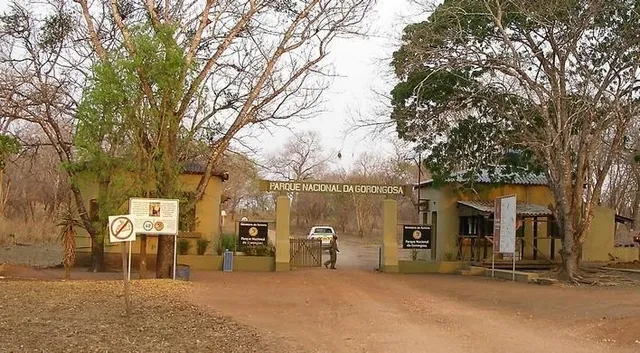
Our choice to visit Wild Camp at Gorongosa National Park went beyond its natural wonders. My son and I were drawn to its sustainable development initiatives, spearheaded by Greg Carr, an American entrepreneur, in partnership with the non-profit Gorongosa Restoration Project and the Mozambican government. Their commitment to uplifting local communities through education, farming programs, and employment opportunities truly impressed us.
Our guide, Castro, was exceptional. Throughout our Gorongosa adventure, he was our constant companion 24/7, except when we were sleeping in our tent. Castro treated us like family. His deep connection to Gorongosa, having grown up in the area, made him a treasure trove of knowledge about the park and its surroundings. From wildlife and insects to plants and driving expertise, his enthusiasm was infectious. His genuine kindness and unwavering dedication ensured our safety and a truly unforgettable experience. We always felt safe with Castro at our side! At dinner each night, Castro would sit down with us to discuss a general plan for the next day. We were happy that he always encouraged us to get an early start and stay out late in order to maximize our experience.
In addition to safaris, we had the opportunity to bike ride to a local primary school, and drive to Gorongosa Mountain and coffee bean factory.
Our five-night safari at Wild Camp in Gorongosa National Park was nothing short of remarkable. From the awe-inspiring encounters with wildlife to the deep cultural connections formed during unexpected the school visit, each day brought new adventures and heartfelt moments. We are immensely grateful to the Gorongosa Restoration Project and the dedicated staff at Wild Camp for creating an immersive, sustainable, and unforgettable experiences in the heart of the African wilderness. Gorongosa NP is truly a place where nature conservation and community development intertwine, leaving a lasting impact on both the environment and the people. If you seek a safari that goes beyond the ordinary, where sustainable travel meets untamed beauty, Gorongosa National Park and Wild Camp are your destination! Don't miss the chance to explore...
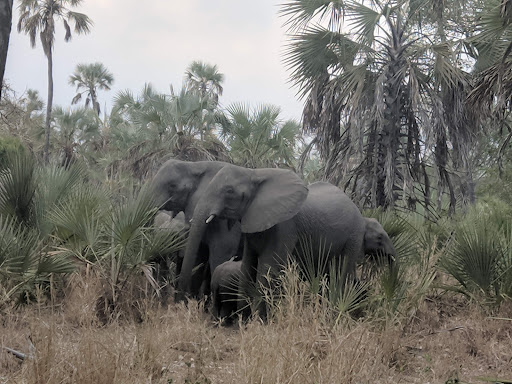
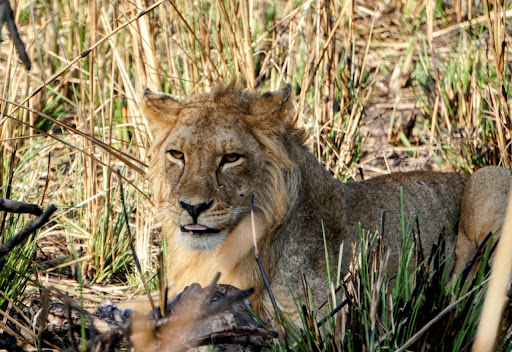
Read moreGorongosa is a unique Natural Park that deserves a long visit. For someone used to South African parks it is a completely different experience: no tar roads, no self-drive and very little people, you have the animals all to yourself and a feeling of really being in the bush. If you have the luck to meet Monti you will be guided by a wonderful and knowledgeable person that will help you spot rare birds and will share the human stories behind the rebirth of Gorongosa. We must support this project because of the way it approaches conservancy as a whole including communities and development. It is not a big 5 park: they barely have wildebeest or zebras, no giraffes and we did not see buffalos but we saw lions, elephants and surprisingly waterbucks, reedbucks and oribi are in high numbers. It is a park for real nature lovers, not an amusement park nor a zoo. It is an unexpected place with a very rich birdlife and stunning diversity and beauty of landscape, it just needs to better some details that South African parks have well organised like the comfort for people self-catering: we missed a small shop with basic food, a proper braai, a table in our great tent and a maybe a small fridge . And the restaurant is overpriced besides being very nice and having great staff. Work in progress. It's not that important. I'm in love with this place and hope to come back in spring someday to see the green landscape after the rainy...
Read moreGorongosa National Park is at the southern end of the Great African Rift Valley in the heart of central Mozambique, Southeast Africa. The over 4,000 square kilometres (1,500 sq mi) park includes the valley floor and parts of surrounding plateaus. Rivers originating on nearby Mount Gorongosa (1,863 m (6,112 ft)) water the plain.Seasonal flooding and waterlogging of the valley, which is composed of a mosaic of different soil types, creates a variety of distinct ecosystems. Grasslands are dotted with patches of acacia trees, savannah, dry forest on sands and seasonally rain-filled pans and termite hill thickets. The plateaus contain miombo and montane forests and a spectacular rain forest at the base of a series of limestone gorges.This combination of unique features at one time supported some of the densest wildlife populations in all of Africa, including charismatic carnivores, herbivores and over 500 bird species. But large mammal numbers were reduced by as much as 95% and ecosystems stressed during Mozambique's long civil conflict at the end of the 20th century.The Carr Foundation/Gorongosa Restoration Project, a U.S. non-profit organization, has teamed with the Government of Mozambique to protect and restore the ecosystem of Gorongosa National Park and to develop an ecotourism industry to benefit local...
Read more