HTML SitemapExplore
logo
Find Things to DoFind The Best Restaurants

Murud-Janjira Fort — Attraction in undefined

Name
Murud-Janjira Fort
Description
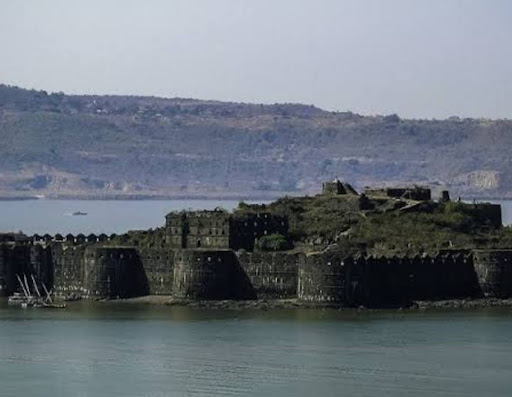
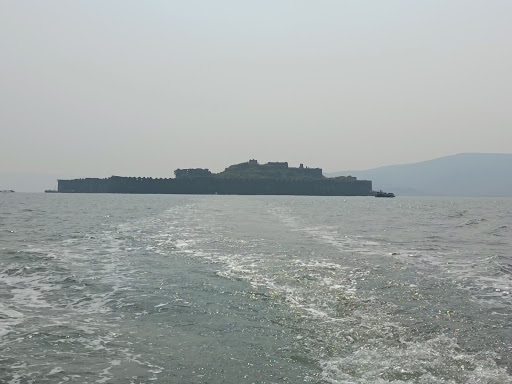
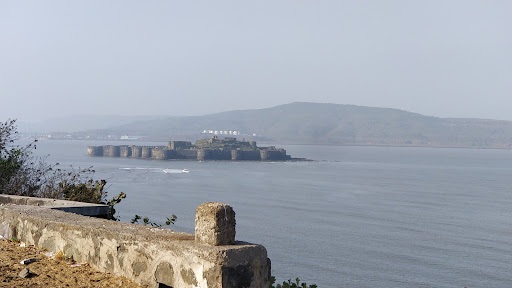
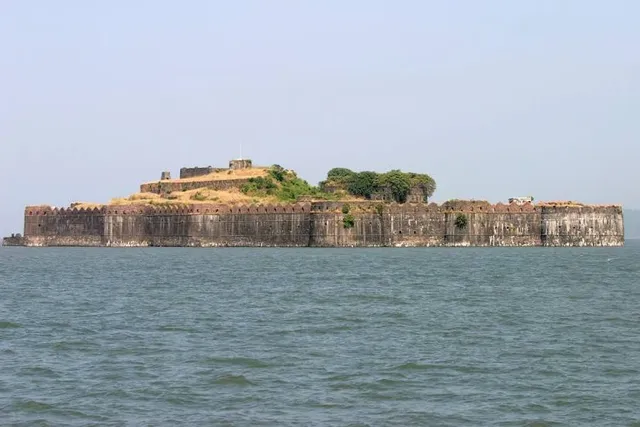
Murud-Janjira is the local name of a famous fort and tourist spot situated on an island just off the coastal town of Murud, in the Raigad district of Maharashtra, India.
Nearby attractions
Nearby restaurants
Hotel New Sea Rock - Murud Janjira
Naya Nagar, Rajapuri, Maharashtra 402401, India
Hotel Janjira Veg - Non Veg
At post Rajpuri Taluka Murud Janjira Dust, Rajapuri, Maharashtra 402401, India
Tasty Bites
8X2C+PCC, Rajapuri, Maharashtra 402401, India
Janjira Sharbat
Ekdara - Rajpuri Rd, Murud, Rajapuri, Maharashtra 402401, India
Nearby hotels
Related posts
Keywords
Murud-Janjira Fort tourism.Murud-Janjira Fort hotels.Murud-Janjira Fort bed and breakfast. flights to Murud-Janjira Fort.Murud-Janjira Fort attractions.Murud-Janjira Fort restaurants.Murud-Janjira Fort travel.Murud-Janjira Fort travel guide.Murud-Janjira Fort travel blog.Murud-Janjira Fort pictures.Murud-Janjira Fort photos.Murud-Janjira Fort travel tips.Murud-Janjira Fort maps.Murud-Janjira Fort things to do.
Murud-Janjira Fort things to do, attractions, restaurants, events info and trip planning
Murud-Janjira Fort
IndiaMurud-Janjira Fort

Basic Info

Murud-Janjira Fort

Maharashtra, India
4.4(7.3K)
Open 24 hours
Save
spot

Ratings & Description

Info

Murud-Janjira is the local name of a famous fort and tourist spot situated on an island just off the coastal town of Murud, in the Raigad district of Maharashtra, India.

Cultural
Outdoor
Family friendly
attractions: , restaurants: Hotel New Sea Rock - Murud Janjira, Hotel Janjira Veg - Non Veg, Tasty Bites, Janjira Sharbat
logoLearn more insights from Wanderboat AI.

Plan your stay

hotel
Pet-friendly Hotels in India
Find a cozy hotel nearby and make it a full experience.
hotel
Affordable Hotels in India
Find a cozy hotel nearby and make it a full experience.
hotel
The Coolest Hotels You Haven't Heard Of (Yet)
Find a cozy hotel nearby and make it a full experience.
hotel
Trending Stays Worth the Hype in India
Find a cozy hotel nearby and make it a full experience.

Reviews

Nearby restaurants of Murud-Janjira Fort

Hotel New Sea Rock - Murud Janjira

Hotel Janjira Veg - Non Veg

Tasty Bites

Janjira Sharbat

Hotel New Sea Rock - Murud Janjira

Hotel New Sea Rock - Murud Janjira

3.9

(110)

Click for details
Hotel Janjira Veg - Non Veg

Hotel Janjira Veg - Non Veg

3.3

(7)

Click for details
Tasty Bites

Tasty Bites

4.7

(7)

$$

Open until 9:00 PM
Click for details
Janjira Sharbat

Janjira Sharbat

4.5

(2)

Click for details
Get the Appoverlay
Get the AppOne tap to find yournext favorite spots!
Wanderboat LogoWanderboat

Your everyday Al companion for getaway ideas

CompanyAbout Us
InformationAI Trip PlannerSitemap
SocialXInstagramTiktokLinkedin
LegalTerms of ServicePrivacy Policy

Get the app

© 2025 Wanderboat. All rights reserved.
logo

Posts

Ramalingam MuthukumarasamyRamalingam Muthukumarasamy
Janjira: 'A Marvel of Engineering on India's West Coast' - An Unconquerable Fort Murud is a village in the western part of Murud taluk of Raigad district, bordering the Arabian Sea. Rajpuri village is four to five kilometres from Murtu. Murud Janjira is situated on an island in the sea to the west of this village.Strong construction, use of industrial techniques in engineering, beautiful architecture, very tricky location... this fort has all these features and is located on the sea 165 km south of Mumbai. The fort is surrounded by a 40 feet high rampart. Sand, lime, jaggery and molten lead are said to have been used to join the stones together. Although surrounded by sea water on all four sides, fresh water is also available inside the fort. There are two freshwater lakes inside the fort Spread across 22 acres, with 22 defensive positions, Janjira Fort took 22 years to build. Chhatrapati Shivaji, King Sambhaji, Portuguese, French and British tried to capture this fort, but no one could capture Janjira fort. This fort remained impregnable for more than 350 years. Chhatrapati Shivaji built a nearby fort to conquer this fort. But he could not capture Janjira You can hardly make out where the entrance gate of the fort is from a distance. Maybe even finding the entrance is difficult to get there by boat. Because there is no place for you to get off the boat. Just go straight to the entrance steps. This fort had a good structure to prevent the enemy from entering. It relates to its construction and armour protection. At the same time, nature also plays a role in protecting this fort. Even at low tide, the area has water up to 30 feet deep. It also increased the defence of the fort.Not only the engineering methods but also the internal defenses of the fort were impregnably superior. If anyone fails to follow the defense rules of the fort, the only punishment available to them is death. This fort was built by the Siddhis. When establishing their rule in this island, the Siddhis created a very strict system.The Siddhis are believed to have come to India in the seventh century. The ancestors of the Siddhis belonged to the 'Bandu' tribe of East Africa. The Sidhis came to India as slaves with Arab traders. Indian kings started keeping them in their service because of their lean, strong physique, bravery and loyalty. The known history of Janjira dates back to 1490. Construction of the Janjira Fort began during the reign of Ansar Burhan Shah (1508-1553).The Nizam appointed Bram Khan to conquer Janjira.Brahma Khan used trickery instead of force to capture the fort. Most of us are familiar with the story of Alibaba and the Forty Thieves. The master of thieves would come to Alibaba's house disguised as an oil merchant. Aren't the other thieves hiding in the big barrels he brought? The same thing happened in Janjira. When Ahmednagar fell in 1636, Siddi Amber was the fort chief of Janjira. After overthrowing the Nizamshahi, he remained loyal to the Bijapur Sultans. At the time of independence, 500 families were living in this fort. Siddhis brought them for farming . After independence, the Scythians handed over the fort to the Government of India and settled in Indore in Madhya Pradesh. But later it became difficult for the residents of the fort to live. So they went to the nearby villages and took shelter. Until 1980, all the citizens here came from the fort to various villages on the mainland. Over time, this fort became a deserted place. Currently, Janjira Fort is under the control of 'Archaeological Survey of India'. A notice is visible in the fort area that no one should enter the fort without permission. The fort has been very popular with tourists for the past few years. Courtesy: BBC
Aizaz kadriAizaz kadri
India’s Janjira Fort is a sea fort, built by Malik Ambar, who served the Sultan of Ahmednagar and belonged to the famous Nizam Shahi dynasty. This fort is one-of-a-kind and is famed for its majestic fortification. Set on an island in the Arabian Sea, near the coastal town of Murud in Maharashtra, it’s definitely one of the most impressive forts in India. Another interesting fact about this fort is that it has never been conquered by any enemy in its history. It was built at the end of the 17th century, and it’s even more interesting to note that it’s almost entirely intact even today despite being hit by the ravages of wind and tide every now and then. Surprisingly, this majestic fort stands as a testimony to the marvels of ancient engineering. If reports are to go by, the sea fort of Janjira wasn’t conquered by any of the kings who were ruling the neighbouring territories. As per the records, even Shivaji could not conquer it although he tried 13 times. His son, Sambhaji also tried to do so by adopting an unique approach, and dug an underwater tunnel to enter. Alas, he too failed in his attempt! Shivaji’s son then built another fort across the bay, called Kansa. He used most of the earth that was dug to build the said tunnel to build the second fort, which was supposed to serve as the base for future attacks on the sea fort of Janjira. It took 22 years to build that fort on 22 acres of land. The fort is oval in shape, instead of the usual square shape, while the fort wall is around 40 ft high and has around 19 rounded arches or porches, some of which still feature cannons mounted on them, along with the well-known cannon Katlal Bhankari. As you reach this place, you will see the ruins of a mosque, a palace, along with a bath space with water channelled from streams. Then, there is a deep well with cold and sweet water, which is actually a natural wonder in the midst of the saline sea, which still provides water to quench the thirst of the weary visitor. Also, there are the Janjira Caves, whereas Murud is actually a tiny fishing village set atop a small hillock and offers picture-perfect views of the coast. This invincible fort remained unconquered until it became part of Indian territory after Independence from the British in 1947, and stays so till date.
Anoop KumarAnoop Kumar
A beautiful fort built on a small island in the Arabian sea off Rajapuri village of Murud in the Raigad district of Maharashtra. The fort and the ferry ride is managed by the fishermen folks of the village and opens at 7:30 am everyday except during monsoon when the sea is very rough and water levels high. The boat from Rajapuri jetty which will cost INR 61.00 per person (as of May 2018). The fishermen boat ferries 20 people at a time to the fort and one might have to wait until that number of people are available. Every boat is accompanied by a local guide and they will insist everyone in the boat to hire the guide, which will cost INR 100 per person, negotiable though. The reason being that the tourist are given 45 minutes to roam around and then the boat returns. I will suggest to hire a guide because they will share lot of information and show places, which when alone won't make sense. At the entrance of the fort there are two villagers available who will assist people to get off and on the boat, which isn't easy the boat keeps rocking with the tide. While returning these guys will talk about the service they are doing and will request money, I paid them INR 40.00!! Murud Janjira is the only unconquered fort, which was attacked by Portuguese, East India Company and the Maratha Empire. Ruled by the Siddis who were defeated on land by Marathas and limited to the fort. The fort wall still stands intact with 22 bastions and canons. The third largest canon, Kalak Bangdi, is here which could fire up to 12 miles along with smaller canons. There are several structures in ruins along with kings residence but are in ruins now. There are 3 fresh water tanks that used to supply water to nearly 250-300 families residing inside the fort. It's also rumoured that the fort was build by Africans strategically so that the army could keep a 360 degrees watch of the sea and land for any enemy movements. Shivaji Maharajs son Sambha ji Rao built another fort, Padamdurg or Kasa fort to conquer Janjira however gave up when the Mughal attacked the Marathas. This fort is now occupied by the Navy. This is a must visit fort, roam around the alleys inside imagine the granduer of the time!
See more posts
See more posts
hotel
Find your stay

Pet-friendly Hotels in India

Find a cozy hotel nearby and make it a full experience.

Janjira: 'A Marvel of Engineering on India's West Coast' - An Unconquerable Fort Murud is a village in the western part of Murud taluk of Raigad district, bordering the Arabian Sea. Rajpuri village is four to five kilometres from Murtu. Murud Janjira is situated on an island in the sea to the west of this village.Strong construction, use of industrial techniques in engineering, beautiful architecture, very tricky location... this fort has all these features and is located on the sea 165 km south of Mumbai. The fort is surrounded by a 40 feet high rampart. Sand, lime, jaggery and molten lead are said to have been used to join the stones together. Although surrounded by sea water on all four sides, fresh water is also available inside the fort. There are two freshwater lakes inside the fort Spread across 22 acres, with 22 defensive positions, Janjira Fort took 22 years to build. Chhatrapati Shivaji, King Sambhaji, Portuguese, French and British tried to capture this fort, but no one could capture Janjira fort. This fort remained impregnable for more than 350 years. Chhatrapati Shivaji built a nearby fort to conquer this fort. But he could not capture Janjira You can hardly make out where the entrance gate of the fort is from a distance. Maybe even finding the entrance is difficult to get there by boat. Because there is no place for you to get off the boat. Just go straight to the entrance steps. This fort had a good structure to prevent the enemy from entering. It relates to its construction and armour protection. At the same time, nature also plays a role in protecting this fort. Even at low tide, the area has water up to 30 feet deep. It also increased the defence of the fort.Not only the engineering methods but also the internal defenses of the fort were impregnably superior. If anyone fails to follow the defense rules of the fort, the only punishment available to them is death. This fort was built by the Siddhis. When establishing their rule in this island, the Siddhis created a very strict system.The Siddhis are believed to have come to India in the seventh century. The ancestors of the Siddhis belonged to the 'Bandu' tribe of East Africa. The Sidhis came to India as slaves with Arab traders. Indian kings started keeping them in their service because of their lean, strong physique, bravery and loyalty. The known history of Janjira dates back to 1490. Construction of the Janjira Fort began during the reign of Ansar Burhan Shah (1508-1553).The Nizam appointed Bram Khan to conquer Janjira.Brahma Khan used trickery instead of force to capture the fort. Most of us are familiar with the story of Alibaba and the Forty Thieves. The master of thieves would come to Alibaba's house disguised as an oil merchant. Aren't the other thieves hiding in the big barrels he brought? The same thing happened in Janjira. When Ahmednagar fell in 1636, Siddi Amber was the fort chief of Janjira. After overthrowing the Nizamshahi, he remained loyal to the Bijapur Sultans. At the time of independence, 500 families were living in this fort. Siddhis brought them for farming . After independence, the Scythians handed over the fort to the Government of India and settled in Indore in Madhya Pradesh. But later it became difficult for the residents of the fort to live. So they went to the nearby villages and took shelter. Until 1980, all the citizens here came from the fort to various villages on the mainland. Over time, this fort became a deserted place. Currently, Janjira Fort is under the control of 'Archaeological Survey of India'. A notice is visible in the fort area that no one should enter the fort without permission. The fort has been very popular with tourists for the past few years. Courtesy: BBC
Ramalingam Muthukumarasamy

Ramalingam Muthukumarasamy

hotel
Find your stay

Affordable Hotels in India

Find a cozy hotel nearby and make it a full experience.

Get the Appoverlay
Get the AppOne tap to find yournext favorite spots!
India’s Janjira Fort is a sea fort, built by Malik Ambar, who served the Sultan of Ahmednagar and belonged to the famous Nizam Shahi dynasty. This fort is one-of-a-kind and is famed for its majestic fortification. Set on an island in the Arabian Sea, near the coastal town of Murud in Maharashtra, it’s definitely one of the most impressive forts in India. Another interesting fact about this fort is that it has never been conquered by any enemy in its history. It was built at the end of the 17th century, and it’s even more interesting to note that it’s almost entirely intact even today despite being hit by the ravages of wind and tide every now and then. Surprisingly, this majestic fort stands as a testimony to the marvels of ancient engineering. If reports are to go by, the sea fort of Janjira wasn’t conquered by any of the kings who were ruling the neighbouring territories. As per the records, even Shivaji could not conquer it although he tried 13 times. His son, Sambhaji also tried to do so by adopting an unique approach, and dug an underwater tunnel to enter. Alas, he too failed in his attempt! Shivaji’s son then built another fort across the bay, called Kansa. He used most of the earth that was dug to build the said tunnel to build the second fort, which was supposed to serve as the base for future attacks on the sea fort of Janjira. It took 22 years to build that fort on 22 acres of land. The fort is oval in shape, instead of the usual square shape, while the fort wall is around 40 ft high and has around 19 rounded arches or porches, some of which still feature cannons mounted on them, along with the well-known cannon Katlal Bhankari. As you reach this place, you will see the ruins of a mosque, a palace, along with a bath space with water channelled from streams. Then, there is a deep well with cold and sweet water, which is actually a natural wonder in the midst of the saline sea, which still provides water to quench the thirst of the weary visitor. Also, there are the Janjira Caves, whereas Murud is actually a tiny fishing village set atop a small hillock and offers picture-perfect views of the coast. This invincible fort remained unconquered until it became part of Indian territory after Independence from the British in 1947, and stays so till date.
Aizaz kadri

Aizaz kadri

hotel
Find your stay

The Coolest Hotels You Haven't Heard Of (Yet)

Find a cozy hotel nearby and make it a full experience.

hotel
Find your stay

Trending Stays Worth the Hype in India

Find a cozy hotel nearby and make it a full experience.

A beautiful fort built on a small island in the Arabian sea off Rajapuri village of Murud in the Raigad district of Maharashtra. The fort and the ferry ride is managed by the fishermen folks of the village and opens at 7:30 am everyday except during monsoon when the sea is very rough and water levels high. The boat from Rajapuri jetty which will cost INR 61.00 per person (as of May 2018). The fishermen boat ferries 20 people at a time to the fort and one might have to wait until that number of people are available. Every boat is accompanied by a local guide and they will insist everyone in the boat to hire the guide, which will cost INR 100 per person, negotiable though. The reason being that the tourist are given 45 minutes to roam around and then the boat returns. I will suggest to hire a guide because they will share lot of information and show places, which when alone won't make sense. At the entrance of the fort there are two villagers available who will assist people to get off and on the boat, which isn't easy the boat keeps rocking with the tide. While returning these guys will talk about the service they are doing and will request money, I paid them INR 40.00!! Murud Janjira is the only unconquered fort, which was attacked by Portuguese, East India Company and the Maratha Empire. Ruled by the Siddis who were defeated on land by Marathas and limited to the fort. The fort wall still stands intact with 22 bastions and canons. The third largest canon, Kalak Bangdi, is here which could fire up to 12 miles along with smaller canons. There are several structures in ruins along with kings residence but are in ruins now. There are 3 fresh water tanks that used to supply water to nearly 250-300 families residing inside the fort. It's also rumoured that the fort was build by Africans strategically so that the army could keep a 360 degrees watch of the sea and land for any enemy movements. Shivaji Maharajs son Sambha ji Rao built another fort, Padamdurg or Kasa fort to conquer Janjira however gave up when the Mughal attacked the Marathas. This fort is now occupied by the Navy. This is a must visit fort, roam around the alleys inside imagine the granduer of the time!
Anoop Kumar

Anoop Kumar

See more posts
See more posts

Reviews of Murud-Janjira Fort

4.4
(7,311)
avatar
5.0
2y

Janjira: 'A Marvel of Engineering on India's West Coast' - An Unconquerable Fort Murud is a village in the western part of Murud taluk of Raigad district, bordering the Arabian Sea. Rajpuri village is four to five kilometres from Murtu. Murud Janjira is situated on an island in the sea to the west of this village.Strong construction, use of industrial techniques in engineering, beautiful architecture, very tricky location... this fort has all these features and is located on the sea 165 km south of Mumbai. The fort is surrounded by a 40 feet high rampart. Sand, lime, jaggery and molten lead are said to have been used to join the stones together. Although surrounded by sea water on all four sides, fresh water is also available inside the fort. There are two freshwater lakes inside the fort Spread across 22 acres, with 22 defensive positions, Janjira Fort took 22 years to build. Chhatrapati Shivaji, King Sambhaji, Portuguese, French and British tried to capture this fort, but no one could capture Janjira fort. This fort remained impregnable for more than 350 years. Chhatrapati Shivaji built a nearby fort to conquer this fort. But he could not capture Janjira You can hardly make out where the entrance gate of the fort is from a distance. Maybe even finding the entrance is difficult to get there by boat. Because there is no place for you to get off the boat. Just go straight to the entrance steps. This fort had a good structure to prevent the enemy from entering. It relates to its construction and armour protection. At the same time, nature also plays a role in protecting this fort. Even at low tide, the area has water up to 30 feet deep. It also increased the defence of the fort.Not only the engineering methods but also the internal defenses of the fort were impregnably superior. If anyone fails to follow the defense rules of the fort, the only punishment available to them is death. This fort was built by the Siddhis. When establishing their rule in this island, the Siddhis created a very strict system.The Siddhis are believed to have come to India in the seventh century. The ancestors of the Siddhis belonged to the 'Bandu' tribe of East Africa. The Sidhis came to India as slaves with Arab traders. Indian kings started keeping them in their service because of their lean, strong physique, bravery and loyalty. The known history of Janjira dates back to 1490. Construction of the Janjira Fort began during the reign of Ansar Burhan Shah (1508-1553).The Nizam appointed Bram Khan to conquer Janjira.Brahma Khan used trickery instead of force to capture the fort. Most of us are familiar with the story of Alibaba and the Forty Thieves. The master of thieves would come to Alibaba's house disguised as an oil merchant. Aren't the other thieves hiding in the big barrels he brought? The same thing happened in Janjira. When Ahmednagar fell in 1636, Siddi Amber was the fort chief of Janjira. After overthrowing the Nizamshahi, he remained loyal to the Bijapur Sultans. At the time of independence, 500 families were living in this fort. Siddhis brought them for farming . After independence, the Scythians handed over the fort to the Government of India and settled in Indore in Madhya Pradesh. But later it became difficult for the residents of the fort to live. So they went to the nearby villages and took shelter. Until 1980, all the citizens here came from the fort to various villages on the mainland. Over time, this fort became a deserted place. Currently, Janjira Fort is under the control of 'Archaeological Survey of India'. A notice is visible in the fort area that no one should enter the fort without permission. The fort has been very popular with tourists for the past few...

   Read more
avatar
5.0
2y

India’s Janjira Fort is a sea fort, built by Malik Ambar, who served the Sultan of Ahmednagar and belonged to the famous Nizam Shahi dynasty.

This fort is one-of-a-kind and is famed for its majestic fortification. Set on an island in the Arabian Sea, near the coastal town of Murud in Maharashtra, it’s definitely one of the most impressive forts in India. Another interesting fact about this fort is that it has never been conquered by any enemy in its history. It was built at the end of the 17th century, and it’s even more interesting to note that it’s almost entirely intact even today despite being hit by the ravages of wind and tide every now and then. Surprisingly, this majestic fort stands as a testimony to the marvels of ancient engineering. If reports are to go by, the sea fort of Janjira wasn’t conquered by any of the kings who were ruling the neighbouring territories. As per the records, even Shivaji could not conquer it although he tried 13 times. His son, Sambhaji also tried to do so by adopting an unique approach, and dug an underwater tunnel to enter. Alas, he too failed in his attempt!

Shivaji’s son then built another fort across the bay, called Kansa. He used most of the earth that was dug to build the said tunnel to build the second fort, which was supposed to serve as the base for future attacks on the sea fort of Janjira. It took 22 years to build that fort on 22 acres of land. The fort is oval in shape, instead of the usual square shape, while the fort wall is around 40 ft high and has around 19 rounded arches or porches, some of which still feature cannons mounted on them, along with the well-known cannon Katlal Bhankari. As you reach this place, you will see the ruins of a mosque, a palace, along with a bath space with water channelled from streams. Then, there is a deep well with cold and sweet water, which is actually a natural wonder in the midst of the saline sea, which still provides water to quench the thirst of the weary visitor.

Also, there are the Janjira Caves, whereas Murud is actually a tiny fishing village set atop a small hillock and offers picture-perfect views of the coast. This invincible fort remained unconquered until it became part of Indian territory after Independence from the British in 1947, and stays...

   Read more

avatar
5.0
7y

A beautiful fort built on a small island in the Arabian sea off Rajapuri village of Murud in the Raigad district of Maharashtra.

The fort and the ferry ride is managed by the fishermen folks of the village and opens at 7:30 am everyday except during monsoon when the sea is very rough and water levels high.

The boat from Rajapuri jetty which will cost INR 61.00 per person (as of May 2018). The fishermen boat ferries 20 people at a time to the fort and one might have to wait until that number of people are available. Every boat is accompanied by a local guide and they will insist everyone in the boat to hire the guide, which will cost INR 100 per person, negotiable though. The reason being that the tourist are given 45 minutes to roam around and then the boat returns. I will suggest to hire a guide because they will share lot of information and show places, which when alone won't make sense.

At the entrance of the fort there are two villagers available who will assist people to get off and on the boat, which isn't easy the boat keeps rocking with the tide. While returning these guys will talk about the service they are doing and will request money, I paid them INR 40.00!!

Murud Janjira is the only unconquered fort, which was attacked by Portuguese, East India Company and the Maratha Empire. Ruled by the Siddis who were defeated on land by Marathas and limited to the fort. The fort wall still stands intact with 22 bastions and canons. The third largest canon, Kalak Bangdi, is here which could fire up to 12 miles along with smaller canons. There are several structures in ruins along with kings residence but are in ruins now. There are 3 fresh water tanks that used to supply water to nearly 250-300 families residing inside the fort. It's also rumoured that the fort was build by Africans strategically so that the army could keep a 360 degrees watch of the sea and land for any enemy movements.

Shivaji Maharajs son Sambha ji Rao built another fort, Padamdurg or Kasa fort to conquer Janjira however gave up when the Mughal attacked the Marathas. This fort is now occupied by the Navy.

This is a must visit fort, roam around the alleys inside imagine the granduer...

   Read more
Page 1 of 7
Previous
Next