Chaukhtatgyi Buddha Temple things to do, attractions, restaurants, events info and trip planning
Basic Info
Chaukhtatgyi Buddha Temple
R567+MFQ, Yangon, Myanmar (Burma)
4.5(1.3K)
Open until 9:00 PM
Save
spot
spot
Ratings & Description
Info
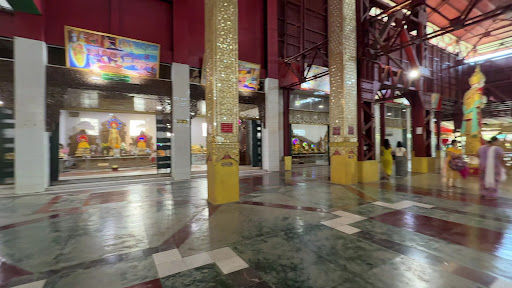
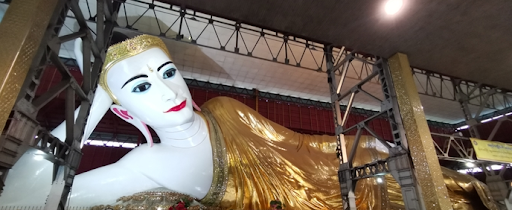
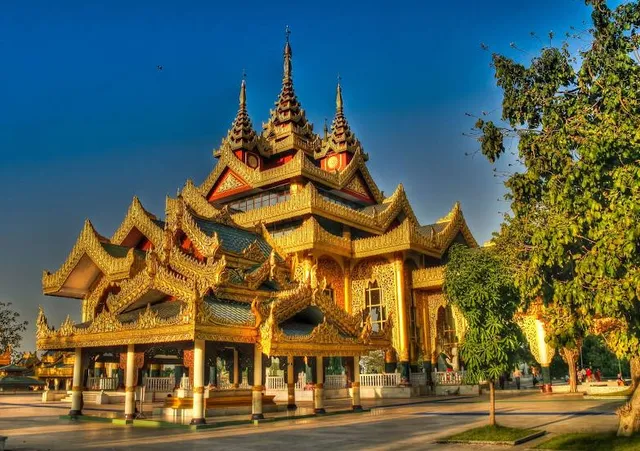
Chaukhtatgyi Buddha Temple is the most well-known Buddhist temple in Bahan Township, Yangon, Yangon Region, Myanmar. It houses one of the most revered reclining Buddha images in the country. The Buddha image is 66 metres long, and one of the largest in Burma.
Cultural
Accessibility
attractions: Maha Satkya Atulamanaung Ngarhtatgyi, Bogyoke Aung San Museum, restaurants: YI JIA CHIN RESTAURANT, The District Coffee Lounge, Golden Duck (SayarSan Branch) Restaurant, Marrybrown, Shwe Kan Kaw tea house, Mañana, local businesses: MUSO, Handsome Barber Shop
 Learn more insights from Wanderboat AI.
Open hoursSee all hours
Sun5 AM - 9 PMOpen
Plan your stay

Pet-friendly Hotels in Yangon
Find a cozy hotel nearby and make it a full experience.

Affordable Hotels in Yangon
Find a cozy hotel nearby and make it a full experience.

The Coolest Hotels You Haven't Heard Of (Yet)
Find a cozy hotel nearby and make it a full experience.

Trending Stays Worth the Hype in Yangon
Find a cozy hotel nearby and make it a full experience.
Reviews
Live events
Cafe Cursor Yangon
Sun, Mar 1 • 3:30 AM
RIO Coffee & Brunch, Sule Pagoda Rd, Yangon, Myanmar (Burma)
View details
Nearby attractions of Chaukhtatgyi Buddha Temple
Maha Satkya Atulamanaung Ngarhtatgyi
Bogyoke Aung San Museum
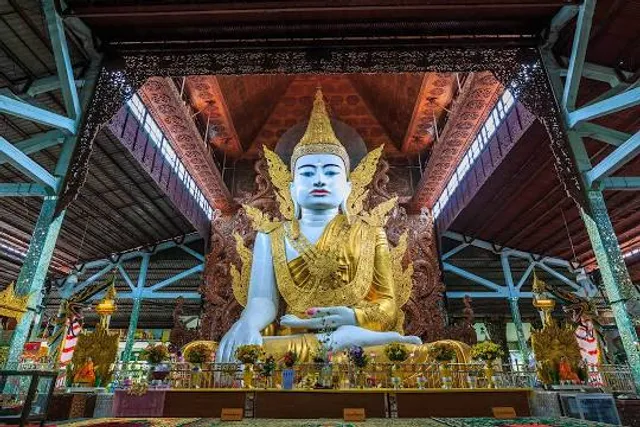
Maha Satkya Atulamanaung Ngarhtatgyi
4.4
(354)
Open 24 hours
Click for details
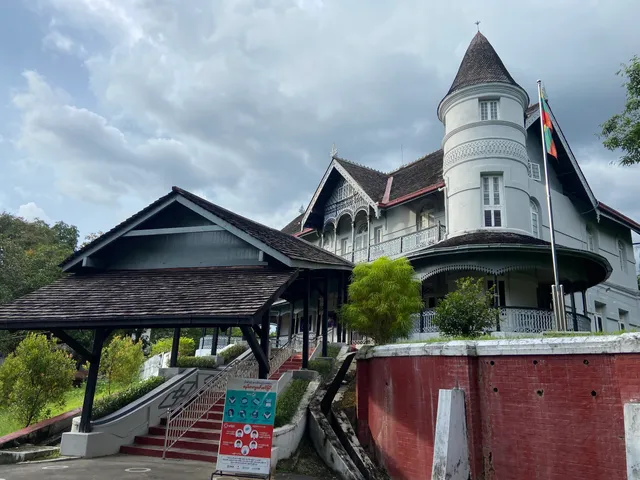
Bogyoke Aung San Museum
4.3
(294)
Open 24 hours
Click for details
Nearby restaurants of Chaukhtatgyi Buddha Temple
YI JIA CHIN RESTAURANT
The District Coffee Lounge
Golden Duck (SayarSan Branch) Restaurant
Marrybrown
Shwe Kan Kaw tea house
Mañana
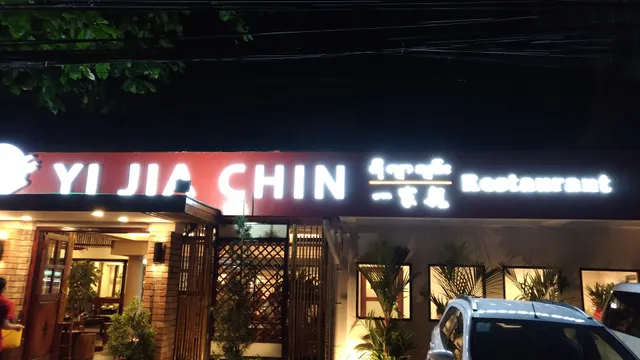
YI JIA CHIN RESTAURANT
4.1
(80)
Open until 10:00 PM
Click for details
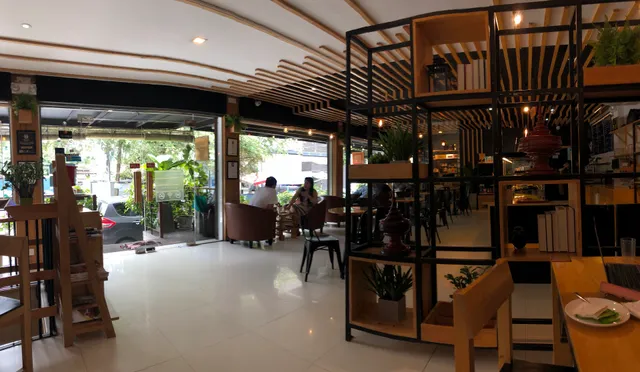
The District Coffee Lounge
4.3
(376)
Open until 9:30 PM
Click for details
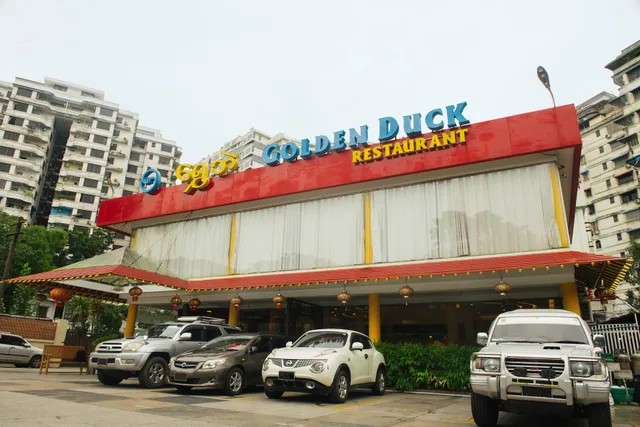
Golden Duck (SayarSan Branch) Restaurant
4.2
(850)
$$
Open until 9:00 PM
Click for details
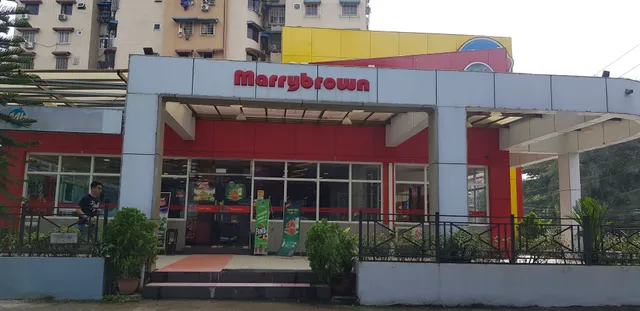
Marrybrown
4.0
(266)
Closed
Click for details
Nearby local services of Chaukhtatgyi Buddha Temple
MUSO
Handsome Barber Shop
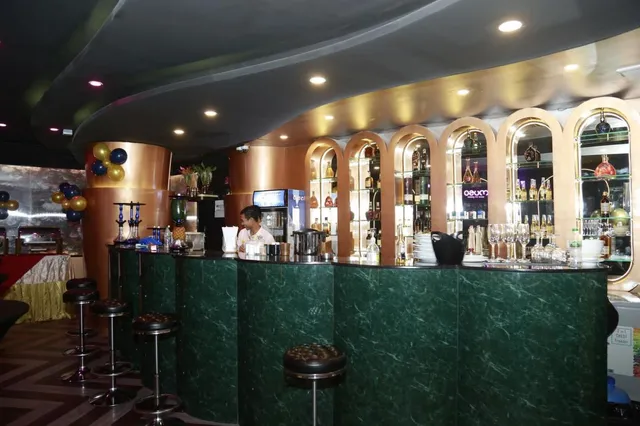
MUSO
4.4
(21)
Click for details

Handsome Barber Shop
4.5
(10)
Click for details