Skeleton Coast National Park things to do, attractions, restaurants, events info and trip planning
Basic Info
Skeleton Coast National Park
Namibia
4.5(135)
Open until 12:00 AM

tickets
Save
spot
spot
Ratings & Description
Info
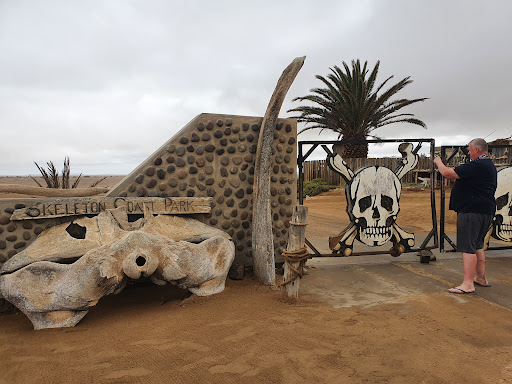
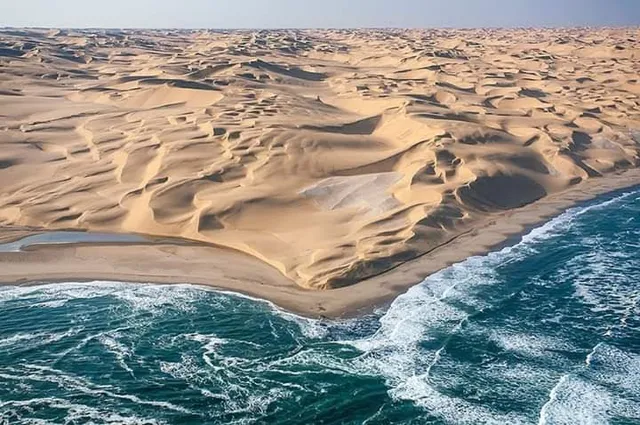
Skeleton Coast National Park stretches along Namibia’s northwestern coast. The fog-shrouded beaches of this sprawling and remote wilderness area are littered with shipwrecks and whale skeletons. In the park’s south, gravel roads lead from the Springbokwasser and Ugab entrance gates to the Torra Bay and Terrace Bay outposts. These bays are popular with fishermen, while the interior desert features dramatic sand dunes.
Outdoor
Adventure
Scenic
Off the beaten path
attractions: , restaurants: , local businesses:
 Learn more insights from Wanderboat AI.
Phone
+7 952 261-33-95
Open hoursSee all hours
TueClosedOpen
Plan your stay

Pet-friendly Hotels in Kunene Region
Find a cozy hotel nearby and make it a full experience.

Affordable Hotels in Kunene Region
Find a cozy hotel nearby and make it a full experience.

The Coolest Hotels You Haven't Heard Of (Yet)
Find a cozy hotel nearby and make it a full experience.

Trending Stays Worth the Hype in Kunene Region
Find a cozy hotel nearby and make it a full experience.