Baglung Kalika, located in the Baglung District of Nepal, is a revered temple dedicated to the goddess Kali, one of the fiercest forms of Shakti, the divine feminine energy. This temple holds significant religious and cultural importance for both the local population and devotees from various parts of Nepal and beyond. The temple's sacredness, coupled with its stunning location, makes it a notable destination for pilgrims and tourists alike.
Historical and Religious Significance
The Baglung Kalika Temple is believed to have been established in the 16th century during the reign of the Malla kings, who were great patrons of art, culture, and religion in Nepal. According to legend, the goddess Kali appeared in the dreams of a local ruler and instructed him to build a temple in her honor. Obeying the divine command, the ruler constructed the temple at its current site, which has since been a focal point of devotion for the local people.
Kali, the principal deity worshiped at the temple, is a powerful figure in Hinduism. She represents the destructive and transformative aspect of the goddess Durga, embodying the force that annihilates evil and brings about change. Devotees flock to Baglung Kalika to seek blessings for courage, protection, and the destruction of negative forces in their lives.
Architecture and Surroundings
The architecture of the Baglung Kalika Temple is a fine example of traditional Nepali style, with intricate woodwork and stone carvings that reflect the rich cultural heritage of the region. The temple's pagoda-style structure, characterized by tiered roofs and ornate decorations, is typical of many Hindu temples in Nepal. Inside, the sanctum houses the idol of Goddess Kali, depicted in her fearsome form, adorned with garlands and offerings from worshippers.
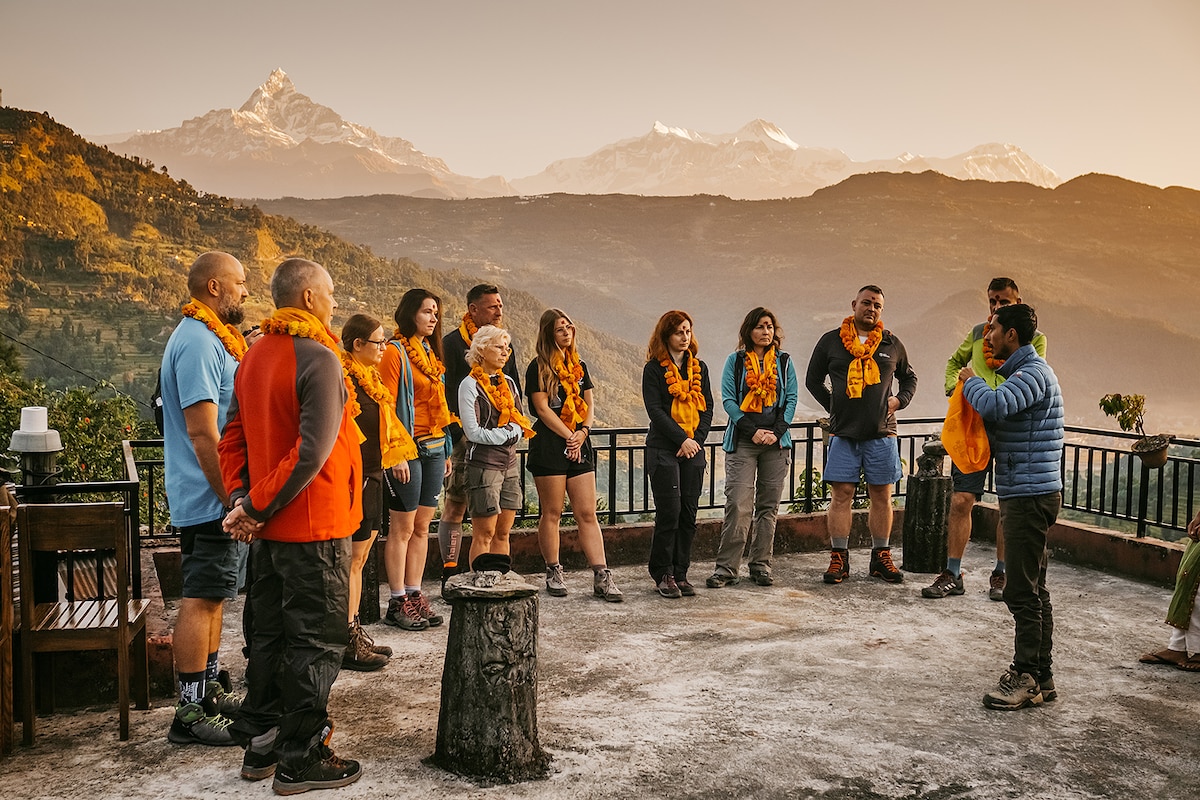
The temple is perched on a hilltop, providing breathtaking panoramic views of the surrounding landscapes. The lush greenery, the Kali Gandaki River flowing nearby, and the majestic Himalayas in the distance create a serene and spiritually uplifting atmosphere. The location itself is considered highly auspicious, as it is believed that the goddess Kali chose this spot due to its powerful spiritual energy.
Festivals and Rituals
Baglung Kalika is especially vibrant during major Hindu festivals, particularly Navaratri and Dashain. During these times, the temple is adorned with flowers and lights, and special rituals are performed to honor the goddess. Devotees engage in elaborate pujas (ritual worship), and many choose to offer animal sacrifices, a traditional practice associated with Kali worship, to seek the goddess's favor.
The temple also witnesses a significant influx of pilgrims during the annual Makar Sankranti festival, which marks the transition of the sun into the zodiac sign of Capricorn. This festival is celebrated with great fervor in Nepal, and Baglung Kalika becomes a hub of religious activity, with devotees coming to bathe in the holy river and offer prayers.
Cultural Impact
Beyond its religious significance, Baglung Kalika plays a crucial role in the cultural identity of the Baglung region. The temple is a symbol of the deep-rooted spiritual traditions that have shaped the local community over centuries. It is not only a place of worship but also a center for cultural gatherings, where people come together to celebrate their shared heritage.
In conclusion, Baglung Kalika is more than just a temple; it is a testament to the enduring spiritual and cultural legacy of Nepal. Its historical importance, architectural beauty, and the divine presence it embodies continue to inspire devotion and reverence among all who visit. Whether as a pilgrim seeking divine blessings or a traveler drawn to its natural beauty, Baglung Kalika offers a profound and...
Read more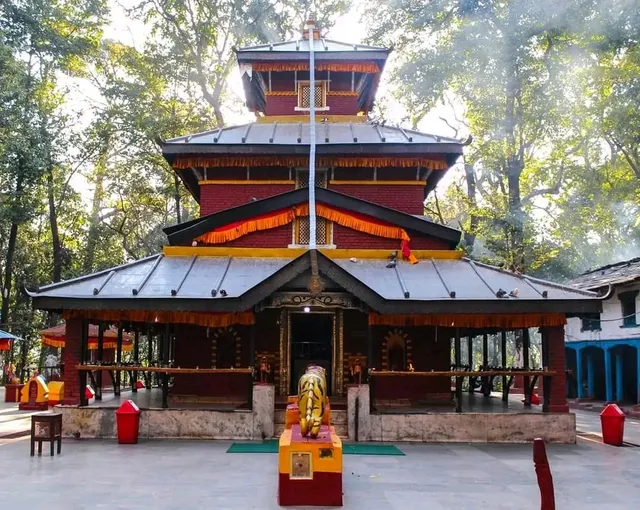
 Learn more insights from Wanderboat AI.