Annapurna Region trekking in Nepal
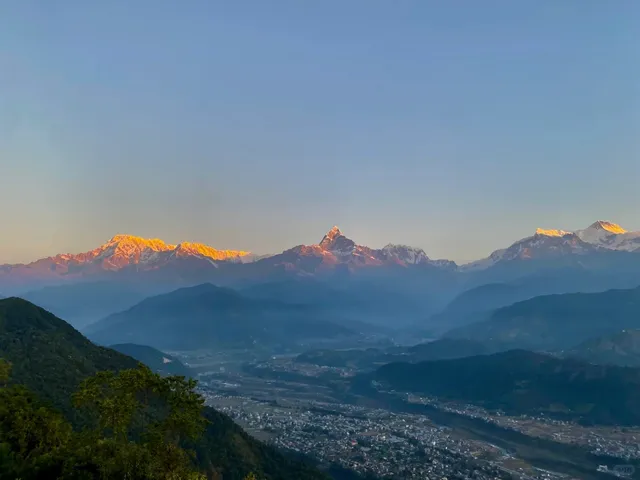
Annapurna trekking in Nepal , (Sanskrit)is a section of the Himalayas in north-central Nepal that includes 8,091 m (26,545 ft) Annapurna I, thirteen additional peaks over 7,000 m (22,970 ft) and 16 more over 6,000 m (19,690 ft). This section is a 55 km-long (34 mi-long) massif bounded by the Kali Gandaki Gorge on the west, the Marshyangdi River on the north and east, and Pokhara Valley on the south. Annapurna I is tenth among Earth's fourteen eight-thousanders. 8167 metre Dhaulagiri I rises 34 km to the west across the Kali Gandaki Gorge, considered Earth's deepest canyon. Annapurna is a Sanskrit name which literally means "full of food" (feminine form), but is normally translated as Goddess of the Harvests. In Hinduism, Annapurna is "... the universal and timeless kitchen-goddess ... the mother who feeds. Without her there is starvation, a universal fear: This makes Annapurna a universal goddess ... Her most popular shrine is located in Kashi, on the banks of the river Ganga." Her association with the giving of food (wealth) led her in time to be transformed into Lakshmi, the Goddess of Wealth. The entire massif and surrounding area are protected within the 7,629 km Annapurna Conservation Area, the first and largest conservation area in Nepal. The Annapurna Conservation Area is home to several world-class treks, including the Annapurna Circuit. The Annapurna peaks are among the world's most dangerous mountains to climb, although in more recent history, using figures from only 1990 and after, Kanchenjunga has a higher fatality rate. As of 2007, there had been 153 summit ascents of Annapurna I, and 58 climbing fatalities on the mountain.This fatality-to-summit ratio (38%) is the highest of any of the eight-thousanders. In particular, the ascent via the south face is considered, by some, the most difficult of all climbs North of Pokhara, Nepal's spectacular diversity appears at its finest. The deep valleys and high mountains encircling the giant Annapurna Himal (mountain) embrace a wide range of peoples and terrain, from subtropical jungle to a high, dry landscape resembling the Tibetan plateau. This is the most popular trekking region. It's also among the tamest areas with excellent lodges lining the main routes. There are three major trekking routes in this region: to Muktinath, to Annapurna Conservation Area Project, and a circuit of the Annapurna...
Read moreOne of the best conservation sites of Nepal.The Annapurna Conservation Area (ACA) contains some of the world's highest peaks ( 8,000m), the world's deepest valley - the Kali Gandaki Valley, Nepal's largest protected area (7,629 km2), and Nepal's most popular trekking destination with over 50,000 annual visitors. Of all protected areas in Nepal, different areas within Annapurna receive both highest and lowest average rainfall (5,600 - 400mm).
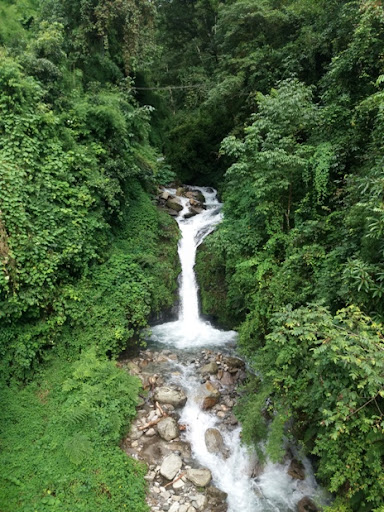
Within the altitudinal range of 1,000 - 8,000m, ACA has an entire habitat gradient from sub tropical sal forest to perennial snow harboring 22 different forest types with 1,226 plant species including 55 endemics. About 101 species of mammals including many rare and endangered species like snow leopard, musk deer, Tibetan argali, and Tibetan wolf are found. Of 478 species of birds that are found in Annapurna, 38 breeding species belong to a group that are at risk in Nepal. The Kali Gandaki River is a major divide for bird distributions where species typical to both east and west Nepal occur. Also, Annapurna is the only protected area in Nepal where all 6 Himalayan pheasants of Nepal, are found.
The project launched in 1986 as a pilot program, the objective of the Annapurna Conservation Area Project is to integrate the biodiversity conservation and community. ACAP is the first protected area that has allowed local residents to live within the boundaries and maintain their traditional rights and access to the use of natural resources.
The Annapurna Conservation Area Project has completed the preparation of the Management Plan. The Plan focuses on building local institutions to carry out ACAP's activities. Moreover, it focuses on the withdrawal of the King Mahendra Trust for Nature Conservation in the future. Local people themselves will mange ACA with minimal interventions from the government or NGOs such as the KMTNC. With the application of participatory approach, the main ACAP activities include natural resources conservation program, conservation and extension program, sustainable community development program, alternative energy program, and agricultural development program. Other areas of focus include programs such as livestock development, sustainable tourism management, motivating women in conservation and development, cultural heritage conservation, and...
Read moreBiodiversity
Annapurna Conservation Area is home to a wide range of ecosystems, from subtropical forests to alpine meadows and barren high-altitude plateaus. It supports over 1,226 species of flowering plants, 105 mammals, 518 birds, 40 reptiles, and 23 amphibians. Notable wildlife includes the snow leopard, Himalayan tahr, red panda, musk deer, and various pheasants such as the Himalayan monal.
Trekking and Tourism: -. The conservation area is famous for several world-class trekking routes, including:
-. Annapurna Circuit: A challenging trek that circles the Annapurna massif, crossing Thorong La Pass (5,416 m).
-. Annapurna Base Camp (ABC) Trek: Leads to the heart of the Annapurna Sanctuary, offering breathtaking views of Annapurna I (8,091 m).
-. Ghorepani Poon Hill Trek: A short and scenic trek, popular for sunrise views over the Himalayas.
-. Mardi Himal Trek: A lesser-known but stunning trek with panoramic views of Machhapuchhre (Fishtail).
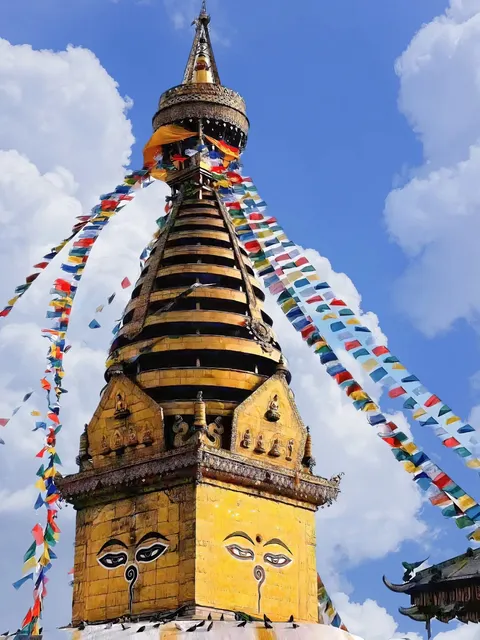
Cultural Significance: The conservation area is inhabited by diverse ethnic groups, including the Gurung, Magar, Thakali, and Manangi people, each with rich traditions, festivals, and unique architectural styles. The region is also home to ancient monasteries, chortens, and traditional villages such as Manang, Marpha, and Ghandruk.
Conservation Efforts: The Annapurna Conservation Area Project (ACAP) follows a community-based conservation approach, involving local communities in environmental protection, sustainable tourism, and biodiversity conservation. Key initiatives include: -. Eco-tourism promotion to reduce environmental impact. -. Alternative energy programs (e.g., micro-hydropower, solar energy) to minimize deforestation. -. Wildlife monitoring and anti-poaching efforts to protect endangered species.
Best Time to Visit: -. Spring (March-May): Rhododendron forests bloom, offering colorful landscapes.
-. Autumn (September-November): Clear skies and stable weather make it the best season for trekking.
-. Winter (December-February): Cold temperatures and snow at higher elevations, but lower-altitude treks are still possible.
-. Monsoon (June-August): Heavy rainfall makes trails slippery, but the rain-shadow areas of Mustang and Manang...
Read more