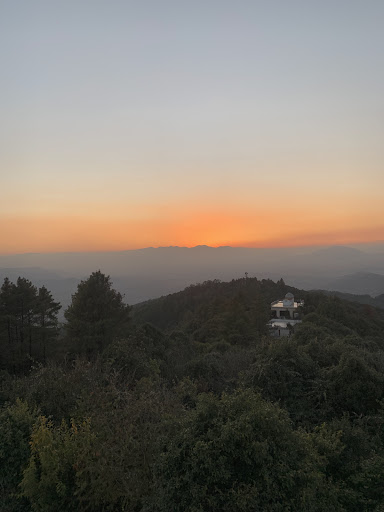
Changu Narayan Temple (also known as Changunarayan or Dolagiri) is one of Nepal’s oldest and most revered Hindu shrines, located on a hilltop in Changunarayan Municipality, Bhaktapur District, about 12 km east of Kathmandu  .
⸻
🏛️ Historical Significance & Legend • Built during the Licchavi period (4th–5th century AD), credited to King Haridatta Barma or King Manadeva around AD 325–464 . • The temple is linked to a local legend: a cowherd and a Brahmin observed a boy drinking milk from a cow beneath a Champak tree. When they cut the tree, Vishnu emerged, revealing he was freeing himself from a curse, leading to the temple being built at that spot . • It houses the oldest stone inscription in Nepal, dated AD 464, recording King Manadeva’s deeds .
⸻
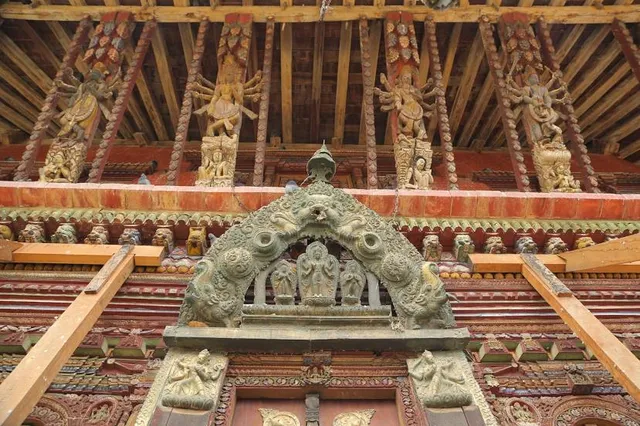
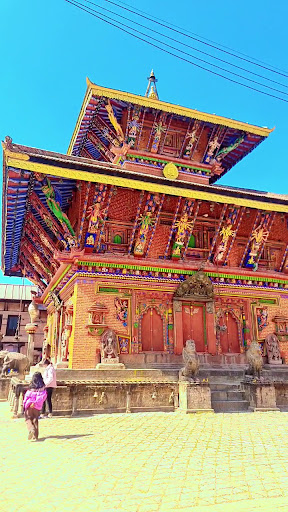
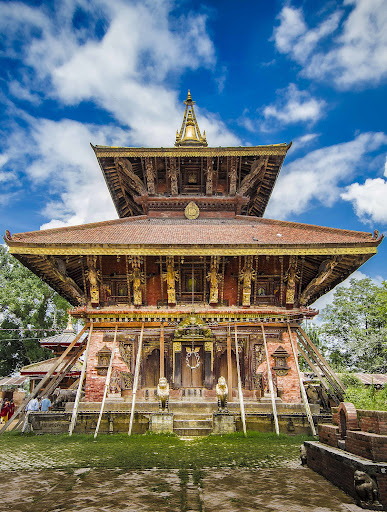
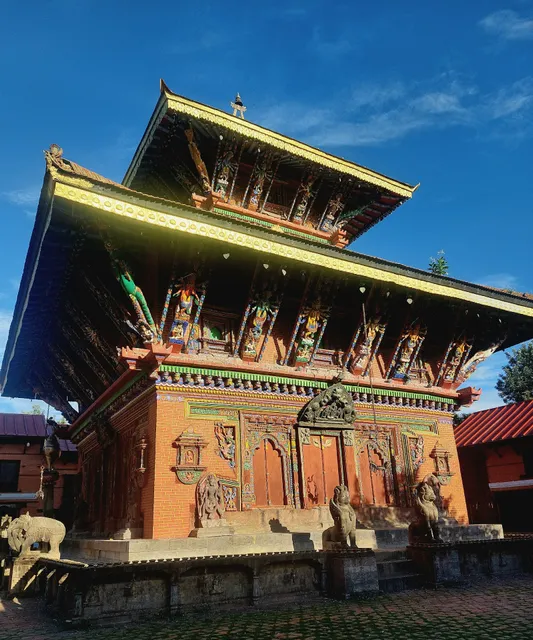
🧱 Architecture & Artistic Features • The two‑tiered Newari pagoda-style structure sits atop a high stone platform and features gilded copper roofs and crown pinnacles . • At each of the four entrances, life‑sized stone guardians—lions, elephants, griffins, and sarabhas—stand guard, with the western gate facing a magnificent 5th‑century Garuda statue kneeling in devotion . • Intricate wood carvings adorn roof struts, doorways, and windows, depicting Vishnu’s ten avatars, as well as deities like Shiva, Parvati, Ganesha, and Tantric figures such as Chhinnamasta . • The temple complex hosts several smaller shrines dedicated to Shiva, Krishna, Laxmi Narayan, Chhinnamasta, Kileshwor Mahadev, and commemorative statues of Malla royalty .
⸻
🌺 Religious & Cultural Importance • Dedicated to Lord Vishnu (Narayana), the temple belongs to one of the four cardinal Narayan temples of Kathmandu Valley (with Ichangu, Bishanku, Shesh Narayan) . • Major festivals include Haribodhini Ekadashi, Prabodhini Ekadashi, Teej, and Naag Panchami with local Changu Narayan Jatra celebrated every April . • Despite major damage in the 2015 earthquake, the main temple remained largely intact. Restoration efforts, supported by UNESCO and local craftsmen, were completed over five years .
⸻
🚶 Visiting Tips
Detail Info Access Public micro‑bus from Bhaktapur (30 min, fare NPR 40), private taxi, or scenic trek from Nagarkot via Bhaktapur  Entrance fee NPR ~350 for foreigners; SAARC nationals pay less; Nepali citizens free   Best season Clear, pleasant weather from spring (Mar–May) and autumn (Sept–Nov) for views and festivals   Dress code Modest clothing; remove shoes before entering temple proper  
⸻
🌄 Why Visit? • 🌟 Heritage gem: As Nepal’s oldest temple with living worship—rich in artistic and spiritual tradition. • 🖼️ Architectural marvel: Exquisite carvings, historic sculptures, fine metallurgy and stone work. • 🌄 Scenic setting: Hilltop location offers panoramic views of Bhaktapur and the Kathmandu Valley. • 🎎 Living culture: Experience local festivals, rituals, and active community worship in a...
Read moreChangu Narayan is an ancient Hindu temple, located on a high hilltop that is also known as Changu or Dolagiri in Changunarayan Municipality of Bhaktapur District, Nepal. The hill is about 7 miles (12 km) east of Kathmandu and a few miles north of Bhaktapur. The Manohara River flows beside the hill. The temple, considered to be one of the oldest in Nepal, is dedicated to Vishnu and is revered by Hindus.The temple was surrounded by champak tree forest and a small village known as Changu. A Kashmiri king is said to have given his daughter, Champak, in marriage to the prince of Bhaktapur. The temple is considered to be named after her. In ancient times a Gwala or cow herder, had brought a cow from a Brahmin named Sudarshan. The cow was known for producing large quantities of milk. The cow herder used to take the cow to Changu for grazing. At that time Changu was a forest of Champak trees. While grazing, the cow always went to the shade of a particular tree and a boy used to come there and drink the cow's milk. In the evening, when the cow herder took the cow home and started milking her, he got only a very small amount of milk. This continued for several days. He grew very sad, so he called on the Brahmin saying the cow was not giving enough milk. After observing this with his own eyes, Sudarshan agreed with the cow herder. The next day they observed the cow's daytime activity while she was grazing in the forest.
The Brahmin and the cow herder both hid behind the tree. To their surprise, a small black boy came out of the tree and started drinking the cow milk. The two men were furious because they thought the boy must be the devil and tree must be its home. So the Brahmin cut down the champak tree. When he was cutting it down, fresh human blood came out of the tree. Both Brahmin and cow herder got worried, believing they had committed a great crime and began to cry. Lord Vishnu emerged from the tree and told the Brahmin and Cowherd it was not their fault. Vishnu told the story of how he had committed a heinous crime by unwittingly killing Sudarshan's father while hunting in the forest. After that, cursed for the crime, he wandered the earth on his mount, ‘Garuda’, eventually descending on the hill at Changu. There he lived in anonymity, surviving on milk stolen from a cow. When Brahmin cut down the tree, Vishnu was beheaded, which freed Lord Vishnu from his sins. After hearing these words from Vishnu, Brahmin and cow herder resolved to worship the place and established a small temple in the name of Lord Vishnu. Ever since the site has been sacred. Even today,we find Sudarshan's descendant as a priest of the temple and the cow herder's descendants as Ghutiyars...
Read moreChangunarayan Temple: A Jewel of Bhaktapur's Heritage
The Changunarayan Temple is a revered UNESCO World Heritage Site located in the historic city of Bhaktapur, Nepal. This ancient temple is a testament to Nepal's rich cultural and architectural heritage, dating back over a thousand years. With its intricate woodwork, stunning stone carvings, and spiritual significance, Changunarayan Temple stands as a jewel of Newari architecture and religious devotion.
Constructed in the 4th century during the Licchavi dynasty, Changunarayan Temple is dedicated to Lord Vishnu, the preserver in the Hindu trinity. The temple's architecture showcases the mastery of the Newari artisans, with intricately carved windows, doors, and roof struts, all adorned with exquisite motifs and mythical creatures. The temple's tiered pagoda-style structure, covered in beautiful woodwork, exemplifies the traditional Nepali craftsmanship that has been preserved for generations.
One of the most remarkable features of Changunarayan Temple is its stone inscription, often considered one of the oldest in Nepal. This inscription, known as the "Changu Narayan Inscription," provides invaluable historical information about the Licchavi dynasty, their achievements, and the state of the region during that era. Historians and archaeologists have studied this inscription to gain insights into Nepal's early history.
The temple complex also includes a beautiful courtyard and surrounding shrines, each holding religious significance. Pilgrims and tourists alike visit the temple to seek blessings, appreciate its architectural grandeur, and soak in the tranquil atmosphere.
Changunarayan Temple has not only survived the test of time but has also withstood natural disasters like earthquakes. Restoration efforts have been ongoing to ensure the temple's preservation and safeguard its cultural importance.
In conclusion, Changunarayan Temple in Bhaktapur is a magnificent representation of Nepal's ancient craftsmanship and religious devotion. It stands as a symbol of cultural pride and historical significance, drawing visitors from around the world to admire its beauty and absorb the spiritual energy that resonates within its...
Read more