The Pakari tree (Nepali: पाकरी, also spelled Pakhuri, Pakuri, or Pakri) is a large, long-lived deciduous tree native to the Indian subcontinent, including Nepal. It’s commonly found in the Terai and inner Terai regions, especially near rivers and fertile plains.
🌳 Overview of the Pakari Tree
Scientific Name: Ficus infectoria (synonym: Ficus virens)
Family: Moraceae (fig family)
Common English Name: White Fig or Indian Fig
Local Names:
Nepali: पाकरी / पाकुरी
Hindi: पाकड़ (Pakad)
Sanskrit: Plaksha
🌱 Characteristics
🧘♂️ Cultural and Spiritual Importance
The Pakari tree is considered sacred in Hinduism and Buddhism.
It’s sometimes associated with wisdom, longevity, and shelter.
In many villages, Pakari trees are gathering spots, often planted near temples or along roads for shade.
In Buddhist tradition, large fig trees like the Bodhi Tree (Ficus religiosa, a relative) are considered spiritually significant. Some Pakari trees near Buddhist sites are treated with similar reverence.
🧪 Uses and Benefits
📍 Famous Pakari Tree in Nepal
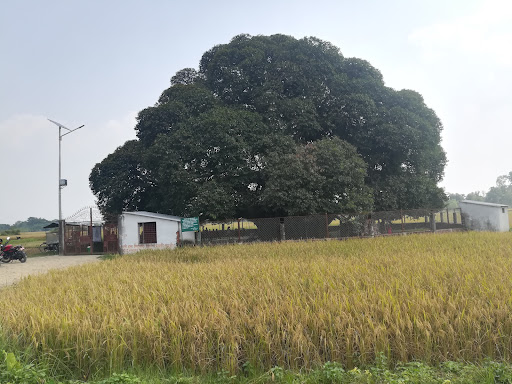
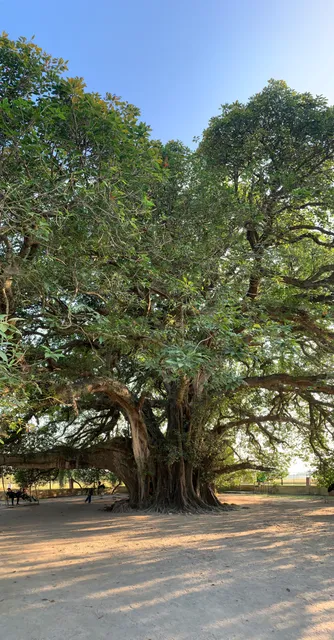
In Devdaha, near Butwal (Lumbini Province), there’s a historic Pakari tree believed to be associated with Queen Mayadevi (mother of Lord Buddha). Local legends say she rested under the tree on her way to her maternal home.
This tree is over 500 years old and is a local pilgrimage site for visitors exploring the life of the Buddha.
⚠️ Conservation Note
Due to urbanization and deforestation, many ancient Pakari trees are under threat. Conservation efforts are underway in parts of Nepal to preserve culturally significant trees like these.
🌿 In Summary:
The Pakari tree is not just a giant shade-giving plant—it’s a symbol of heritage, spirituality, and community in Nepal and South Asia. Whether you sit under one for cool air, listen to village elders tell stories, or reflect on its silent presence, the Pakari is deeply rooted in both the land and...
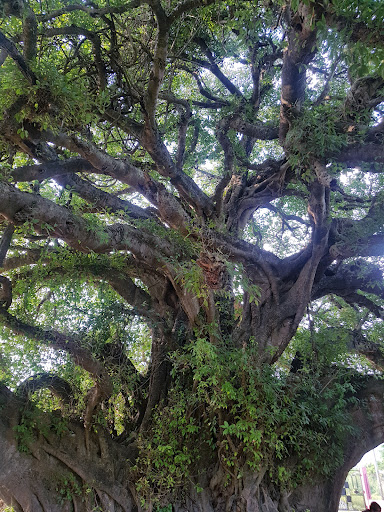
Read morePakari Brikshya is peepal family known as Nepali Kabro Tree from the Ficus family 'Weeping Fig' (Ficus benjamina is the scientific name). The evergreen tree has a trunk of about 82 ft. circumference and height of about 96 ft. The branches are widespread, creating a circumference of about 500 ft, and it is believed to be one of the biggest trees in Asia. The Pakari Tree is a giant and is considered to be a holy tree. There are many myths and beliefs related to this tree. According to the locals, the large Pakari Tree dates to the time of the Shakyas. The fact that birds never nest on it, vultures and crows never perch on it, and elephants never go near it, amazes the people. Its unique structure and public belief of the historical relation to the period of Buddha, has made it a famous external and internal tourist attraction spot in the last few decades. Pakari Tree can be reached in a 5-minute drive from 'Khaireni bazar' to its south. Devdaha (Deva Daha, देवदह) is a municipality in Rupandehi District of Nepal, the ancient capital of Koliya Kingdom, located 7 km east of Lumbini and east of Butwal and shares a border with Nawalparasi district on the east side. It is identified as the maternal home of Queen Mayadevi, Prajapati Gautami and Princess Yasodhara. There are many places to visit in Devdaha. It is believed that Prince Siddhartha had spent some years of his childhood with his step-mother/aunt Prajapati Gautami in Devdaha.
Devdaha was a township of the Koliyan in what is now the Rupandehi District of Nepal. The Buddha stayed there during his tours and preached to the monks on various topics.According to the Commentaries,it was the city of birth of the Buddha's mother (Mayadevi), and of Pajāpatī Gotamī and their companions (Koliyans), who married the Sākiyans of...
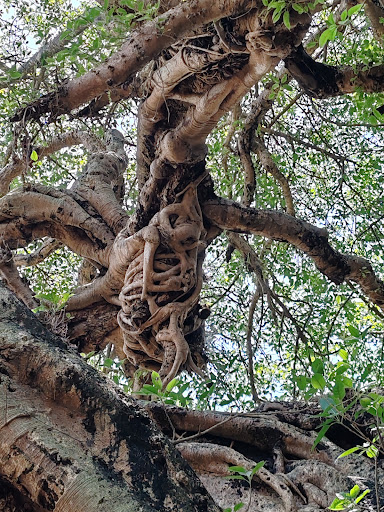
Read morePakari Tree- Nepali kabro (पाकरी वृक्ष-नेपाली काब्रो) Belongs to Peepal Family- Weeping Fig (Ficus Benjamina) Name in Nepali: Kotiyamai (कोटियामाई) Alternate Names: Pakad, falakasha, Devdaha Banyan, Pakadi Rukh Giant and magnificient Pakari tree is (appraised Considered) to be one of the oldest and biggest tree of Asia The evergreen tree is with trunk of about 82 Ft. height about 96 Ft. and wide branches create circumference about 500Ft. Pakari tree is considered to be auspicious and holy. Many unique Facts, myths and religious beliefs astonishing about the tree are: "Trees are the root of our existence" According to the research done by department of archaeology, large Pakari Tree date to the time of shakyas 6th to 4th BCE the place used for holy immolation during accient Koliya kingdom is considered to be the origin of Pakari tree. A strong belief that lord buddha meditated under the tree as the location is very near from his mother Queen mayadevi's birth place equate the historical relation of this tree to lord Buddha. Tree is inhabitated by few cobra snakes (known as Naag-devta among Hindu) and they are considered as care takers of the tree and protecting it since very long time. Various shapes resembling idols of Hindu Gods and Goddesses seen on the large spread branches and roots of the tree is worshipped by local villagers and peop never try to harm it as they Fear bad omen or evil will surround them if harmed. Birds like vultures, eagles, crows etc never nest or perch on the tree and elephants never go near it inspite the branches are so low from the ground level. Pakari tree remain evergreen throughout the year and surrounding locality is named after the tree as...
Read more