HTML SitemapExplore
logo
Find Things to DoFind The Best Restaurants

Sagarmatha National Park — Attraction in Khumbupasanglahmu

Name
Sagarmatha National Park
Description
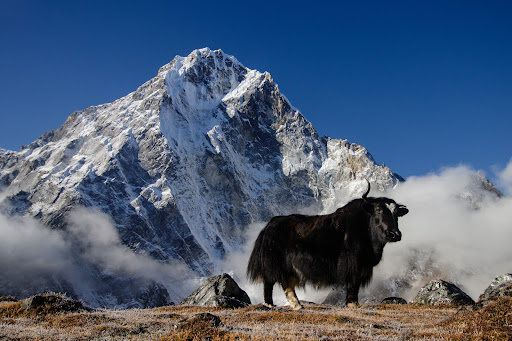
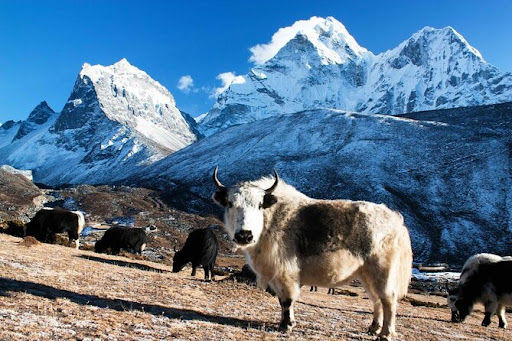
Sagarmatha National Park is a protected area in the Himalayas of northeast Nepal. It’s dominated by snow-capped mountains including Mount Everest (Sagarmatha), and encompasses glaciers, valleys and trails. It’s home to rare species like the snow leopard, musk deer and red panda. Many Sherpa people live here, praying at Buddhist sites such as Tengboche Monastery. The Gokyo Lakes are known for migrant waterbirds.
Nearby attractions
Nearby restaurants
Nearby hotels
Related posts
Keywords
Sagarmatha National Park tourism.Sagarmatha National Park hotels.Sagarmatha National Park bed and breakfast. flights to Sagarmatha National Park.Sagarmatha National Park attractions.Sagarmatha National Park restaurants.Sagarmatha National Park travel.Sagarmatha National Park travel guide.Sagarmatha National Park travel blog.Sagarmatha National Park pictures.Sagarmatha National Park photos.Sagarmatha National Park travel tips.Sagarmatha National Park maps.Sagarmatha National Park things to do.
Sagarmatha National Park things to do, attractions, restaurants, events info and trip planning
Sagarmatha National Park
NepalKoshi ProvinceKhumbupasanglahmuSagarmatha National Park

Basic Info

Sagarmatha National Park

Nepal
4.6(1.1K)
Open 24 hours
Save
spot

Ratings & Description

Info

Sagarmatha National Park is a protected area in the Himalayas of northeast Nepal. It’s dominated by snow-capped mountains including Mount Everest (Sagarmatha), and encompasses glaciers, valleys and trails. It’s home to rare species like the snow leopard, musk deer and red panda. Many Sherpa people live here, praying at Buddhist sites such as Tengboche Monastery. The Gokyo Lakes are known for migrant waterbirds.

Adventure
Outdoor
Family friendly
attractions: , restaurants:
logoLearn more insights from Wanderboat AI.
Phone
+977 38-540114
Website
snp.gov.np

Plan your stay

hotel
Pet-friendly Hotels in Khumbupasanglahmu
Find a cozy hotel nearby and make it a full experience.
hotel
Affordable Hotels in Khumbupasanglahmu
Find a cozy hotel nearby and make it a full experience.
hotel
The Coolest Hotels You Haven't Heard Of (Yet)
Find a cozy hotel nearby and make it a full experience.
hotel
Trending Stays Worth the Hype in Khumbupasanglahmu
Find a cozy hotel nearby and make it a full experience.

Reviews

Get the Appoverlay
Get the AppOne tap to find yournext favorite spots!
Wanderboat LogoWanderboat

Your everyday Al companion for getaway ideas

CompanyAbout Us
InformationAI Trip PlannerSitemap
SocialXInstagramTiktokLinkedin
LegalTerms of ServicePrivacy Policy

Get the app

© 2025 Wanderboat. All rights reserved.
logo

Posts

Suraj ChaliseSuraj Chalise
Sagarmāthā National Park is a national park in the Himalayas of eastern Nepal that was established in 1976 and encompasses an area of 1,148 km2 (443 sq mi) in the Solukhumbu District. It ranges in elevation from 2,845 to 8,848 m (9,334 to 29,029 ft) and includes Mount Everest. In the north, it shares the international border with Qomolangma National Nature Preserve in Tibet Autonomous Region. In the east, it is adjacent to Makalu Barun National Park, and in the south it extends to Dudh Kosi river.[1] It is part of the Sacred Himalayan Landscape.[2] History Entrance gate of the Sagarmatha National Park Sagarmatha National Park was established on July 19, 1976.[3] In 1979, it became the country's first national park that was inscribed as a Natural World Heritage Site. In January 2002, a Buffer Zone comprising 275 km2 (106 sq mi) was added.[1] Conservation of forests, wildlife, and cultural resources received top priority under the Buffer Zone Management Guidelines, followed by conservation of other natural resources and development of alternative energy.[4] Tourism in the area began in the early 1960s. In 2003, about 19,000 tourists arrived. As of 2005, about 3,500 Sherpa people lived in villages and seasonal settlements situated along the main tourist trails.[5] Landscape Sagarmatha National Park contains the upper catchment areas of the Dudh Kosi and Bhotekoshi rivers and the Gokyo Lakes. It ranges in elevation from 2,845 m (9,334 ft) at Monjo to the top of Mount Everest at 8,848 m (29,029 ft). Other peaks above 6,000 m (20,000 ft) are Lhotse, Cho Oyu, Thamserku, Nuptse, Amadablam and Pumori. Barren land above 5,000 m (16,000 ft) comprises 69% of the park while 28% is grazing land and the remaining 3% is forested. Climatic zones span from temperate and subalpine above 3,000 m (9,800 ft) to alpine above 4,000 m (13,000 ft), which is the upper limit of vegetation growth. The nival zone begins at 5,000 m (16,000 ft).[1]
Anubhav MahatoAnubhav Mahato
Situated in north-east Nepal and encircled by the mighty Mount Everest as well as other lofty peaks, deep ravines, and the Himalayan glaciers, the Sagarmatha National Park is among the most visually appealing masterpieces on Earth. Located 135 km away from Kathmandu, this nature reserve happens to be a UNESCO World Heritage Site and is considered sacred. With diverse flora and fauna taking shelter amid spectacular landscapes, you’ll find every aspect of nature’s charm preserved here in Sagarmatha. If you are planning a visit to this Himalayan wonder, don’t forget to keep a lookout for the range of wildlife that this place is famous for, including Himalayan Tahr, Musk deer, Ghoral, snow leopards, wolves, lynx, and weasels. Other than a number of animal species, Sagarmatha National Park is also home to over a thousand rare to endangered bird species, including the likes of Himalayan Monal, Snowcock, Yellow-billed Chough, Blood Pheasant, and the Red-billed Chough. A visit to this paradise will tell you why it’s one of the best tourist attractions of Nepal and referred to as an Important Bird Area by Bird Life International. Places To Stay: Panorama Lodge and Restaurant, Hotel Summit, Hotel Tashi Delek, Hotel Namche, Lama Hotel Tourist Attractions: Diverse flora and fauna, rare bird species, stunning views Entry Fee: NRs. 100 per person per entry for domestic tourists, NRs. 1,500 per person per entry for SAARC nation tourists and NRs. 3,000 per person per entry for other foreign tourists How To Reach: The village of Jiri is the last road head to Sagarmatha National Park. Take a bus to Jiri from Kathmandu.
SHEIKH ALAMIN SANTOSHEIKH ALAMIN SANTO
Sagarmatha National Park is a once-in-a-lifetime destination that every nature lover and adventure seeker must experience! 🌄✨ Home to the world’s highest peak, Mount Everest, this park offers some of the most spectacular landscapes and breathtaking views you will ever encounter. From snow-capped mountains to lush forests, Sagarmatha truly showcases the beauty and grandeur of the Himalayas. Trekking through the park is an unforgettable experience. The trails take you through Sherpa villages, ancient monasteries, and pristine valleys, all while offering incredible views of Everest, Lhotse, and Nuptse. The park is a UNESCO World Heritage site, and its significance as a sanctuary for wildlife, including snow leopards, red pandas, and a wide range of bird species, makes it even more special. The atmosphere in Sagarmatha National Park is tranquil and awe-inspiring, with the sheer majesty of the mountains creating a humbling experience. Whether you're trekking to Everest Base Camp or simply soaking in the beauty from one of the viewpoints, this park will leave you with memories to last a lifetime. Highly recommended for trekkers, nature lovers, and anyone seeking to experience the pure splendor of Nepal’s Himalayan region! 🏔️🌲🌟
See more posts
See more posts
hotel
Find your stay

Pet-friendly Hotels in Khumbupasanglahmu

Find a cozy hotel nearby and make it a full experience.

Sagarmāthā National Park is a national park in the Himalayas of eastern Nepal that was established in 1976 and encompasses an area of 1,148 km2 (443 sq mi) in the Solukhumbu District. It ranges in elevation from 2,845 to 8,848 m (9,334 to 29,029 ft) and includes Mount Everest. In the north, it shares the international border with Qomolangma National Nature Preserve in Tibet Autonomous Region. In the east, it is adjacent to Makalu Barun National Park, and in the south it extends to Dudh Kosi river.[1] It is part of the Sacred Himalayan Landscape.[2] History Entrance gate of the Sagarmatha National Park Sagarmatha National Park was established on July 19, 1976.[3] In 1979, it became the country's first national park that was inscribed as a Natural World Heritage Site. In January 2002, a Buffer Zone comprising 275 km2 (106 sq mi) was added.[1] Conservation of forests, wildlife, and cultural resources received top priority under the Buffer Zone Management Guidelines, followed by conservation of other natural resources and development of alternative energy.[4] Tourism in the area began in the early 1960s. In 2003, about 19,000 tourists arrived. As of 2005, about 3,500 Sherpa people lived in villages and seasonal settlements situated along the main tourist trails.[5] Landscape Sagarmatha National Park contains the upper catchment areas of the Dudh Kosi and Bhotekoshi rivers and the Gokyo Lakes. It ranges in elevation from 2,845 m (9,334 ft) at Monjo to the top of Mount Everest at 8,848 m (29,029 ft). Other peaks above 6,000 m (20,000 ft) are Lhotse, Cho Oyu, Thamserku, Nuptse, Amadablam and Pumori. Barren land above 5,000 m (16,000 ft) comprises 69% of the park while 28% is grazing land and the remaining 3% is forested. Climatic zones span from temperate and subalpine above 3,000 m (9,800 ft) to alpine above 4,000 m (13,000 ft), which is the upper limit of vegetation growth. The nival zone begins at 5,000 m (16,000 ft).[1]
Suraj Chalise

Suraj Chalise

hotel
Find your stay

Affordable Hotels in Khumbupasanglahmu

Find a cozy hotel nearby and make it a full experience.

Get the Appoverlay
Get the AppOne tap to find yournext favorite spots!
Situated in north-east Nepal and encircled by the mighty Mount Everest as well as other lofty peaks, deep ravines, and the Himalayan glaciers, the Sagarmatha National Park is among the most visually appealing masterpieces on Earth. Located 135 km away from Kathmandu, this nature reserve happens to be a UNESCO World Heritage Site and is considered sacred. With diverse flora and fauna taking shelter amid spectacular landscapes, you’ll find every aspect of nature’s charm preserved here in Sagarmatha. If you are planning a visit to this Himalayan wonder, don’t forget to keep a lookout for the range of wildlife that this place is famous for, including Himalayan Tahr, Musk deer, Ghoral, snow leopards, wolves, lynx, and weasels. Other than a number of animal species, Sagarmatha National Park is also home to over a thousand rare to endangered bird species, including the likes of Himalayan Monal, Snowcock, Yellow-billed Chough, Blood Pheasant, and the Red-billed Chough. A visit to this paradise will tell you why it’s one of the best tourist attractions of Nepal and referred to as an Important Bird Area by Bird Life International. Places To Stay: Panorama Lodge and Restaurant, Hotel Summit, Hotel Tashi Delek, Hotel Namche, Lama Hotel Tourist Attractions: Diverse flora and fauna, rare bird species, stunning views Entry Fee: NRs. 100 per person per entry for domestic tourists, NRs. 1,500 per person per entry for SAARC nation tourists and NRs. 3,000 per person per entry for other foreign tourists How To Reach: The village of Jiri is the last road head to Sagarmatha National Park. Take a bus to Jiri from Kathmandu.
Anubhav Mahato

Anubhav Mahato

hotel
Find your stay

The Coolest Hotels You Haven't Heard Of (Yet)

Find a cozy hotel nearby and make it a full experience.

hotel
Find your stay

Trending Stays Worth the Hype in Khumbupasanglahmu

Find a cozy hotel nearby and make it a full experience.

Sagarmatha National Park is a once-in-a-lifetime destination that every nature lover and adventure seeker must experience! 🌄✨ Home to the world’s highest peak, Mount Everest, this park offers some of the most spectacular landscapes and breathtaking views you will ever encounter. From snow-capped mountains to lush forests, Sagarmatha truly showcases the beauty and grandeur of the Himalayas. Trekking through the park is an unforgettable experience. The trails take you through Sherpa villages, ancient monasteries, and pristine valleys, all while offering incredible views of Everest, Lhotse, and Nuptse. The park is a UNESCO World Heritage site, and its significance as a sanctuary for wildlife, including snow leopards, red pandas, and a wide range of bird species, makes it even more special. The atmosphere in Sagarmatha National Park is tranquil and awe-inspiring, with the sheer majesty of the mountains creating a humbling experience. Whether you're trekking to Everest Base Camp or simply soaking in the beauty from one of the viewpoints, this park will leave you with memories to last a lifetime. Highly recommended for trekkers, nature lovers, and anyone seeking to experience the pure splendor of Nepal’s Himalayan region! 🏔️🌲🌟
SHEIKH ALAMIN SANTO

SHEIKH ALAMIN SANTO

See more posts
See more posts

Reviews of Sagarmatha National Park

4.6
(1,050)
avatar
5.0
5y

Sagarmāthā National Park is a national park in the Himalayas of eastern Nepal that is dominated by Mount Everest. It encompasses an area of 1,148 km2 (443 sq mi) in the Solukhumbu District and ranges in elevation from 2,845 to 8,848 m (9,334 to 29,029 ft) at the summit of Mount Everest. In the north, it shares the international border with the Qomolangma National Nature Preserve of Tibet. In the east it is adjacent to Makalu Barun National Park, and in the south it extends to Dudh Kosi river.[1] It is part of the Sacred Himalayan Landscape.[2]

Sagarmatha National Park

IUCN category II (national park)


Landscape in the national park


Show map of Province No. 1Show map of NepalShow all

LocationProvince No. 1, NepalNearest cityNamche, KhumjungCoordinates27°56′N 86°44′EArea1,148 km2 (443 sq mi)EstablishedJuly 19, 1976Governing bodyDepartment of National Parks and Wildlife ConservationWebsitesagarmathanationalpark.gov.np

UNESCO World Heritage Site

CriteriaNatural: viiReference120Inscription1979 (3rd session)


Tengboche

Sagarmāthā is a Nepali word derived from सगर् sagar meaning "sky" and माथा māthā meaning "head".[3]

The protected area has been identified as an Important Bird Area by BirdLife International.[4]

HistoryEdit

Sagarmatha National Park was established in 1976. In 1979, it became the country's first national park that was inscribed as a Natural World Heritage Site. In January 2002, a Buffer Zone comprising 275 km2 (106 sq mi) was added.[1] Under the Buffer Zone Management Guidelines the conservation of forests, wildlife and cultural resources received top priority, followed by conservation of other natural resources and development of alternative energy.[5]

Tourism to the area began in the early 1960s. In 2003, about 19,000 tourists arrived. As of 2005, about 3,500 Sherpa people lived in villages and seasonal settlements situated along the main tourist trails.[6]

The park's visitor centre is located at the top of a hill in Namche Bazaar, where a company of the Nepali Army is stationed for protection of the park. The park's southern entrance is a few hundred metres north of Monzo at 2,835 m (9,301 ft), a one-day trek from Lukla.[7]

LandscapeEdit

The park contains the upper catchment areas of the Dudh Kosi river, Bhotekoshi river basin and the Gokyo Lakes. It is largely composed of rugged terrain and gorges of the high Himalayas, ranging from 2,845 m (9,334 ft) at Monjo to the top of the world's highest peak Sagarmatha (Mt. Everest) at 8,848 m (29,029 ft) above sea level. Other peaks above 6,000 m (20,000 ft) are Lhotse, Cho Oyu, Thamserku, Nuptse, Amadablam and Pumori. Barren land above 5,000 m (16,000 ft) comprises 69% of the park while 28% is grazing land and the remaining 3% is forested. Climatic zones include a forested temperate zone, a subalpine zone above 3,000 m (9,800 ft), and an alpine zone above 4,000 m (13,000 ft) that constitutes the upper limit of vegetation growth. The nival zone starts at 5,000 m (16,000 ft).[1]

VegetationEdit

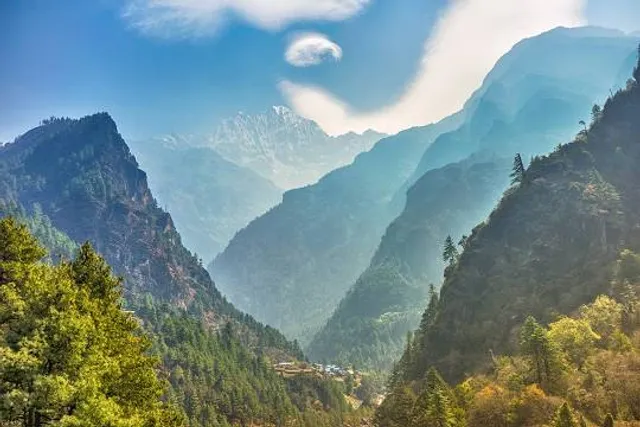
In the lower forested zone, birch, juniper, blue pines, firs, bamboo and rhododendron grow. Above this zone the vegetation is dwarf-sized or comprises shrubs. As the altitude increases, plant life is restricted to lichens and mosses. Plants cease to grow at about 5,750 m (18,860 ft), because this is the permanent snow line in the Himalayas.[8]

Forests of pine and hemlock cover the lower elevations of the national park. At elevations of around 3,500 m (11,500 ft) and above, forests of silver fir, birch, rhododendron and juniper trees...

   Read more
avatar
5.0
2y

According to UNESCO-Including the highest point on the Earth’s Surface, Mount Sagarmatha (Everest; 8,848 m) and an elevation range of 6,000 m Sagarmatha National Park (SNP) covers an area of 124,400 hectares in the Solu-Khumbu district of Nepal. An exceptional area with dramatic mountains, glaciers, deep valleys and seven peaks other than Mount Sagarmatha over 7,000 m the park is home to several rare species such as the snow leopard and the red panda. A well-known destination for mountain tourism SNP was gazetted in 1976 and with over 2,500 Sherpa people living within the park has combined nature and culture since its inception.

Encompassing the infinitely majestic snow capped peaks of the Great Himalayan Range, the chain of mountains including the world’s highest Mt. Sagarmatha (Everest) and extensive Sherpa settlements that embody the openness of SNP to the rest of the world. The carefully preserved natural heritage and the dramatic beauty of the high, geologically young mountains and glaciers were recognized by UNESCO with the inscription of the park as a world heritage site in 1979. The property hosts over 20 villages with over 6000 Sherpas who have inhabited the region for the last four centuries. Continuing their traditional practice of cultural and religion including the restriction of animal hunting and slaughtering, and reverence of all living beings. These practices combined with indigenous natural resource management practices, have been major contributing factors to the successful conservation of the SNP.

The constantly increasing numbers of tourists visiting the property, 3,600 visitors in 1979 to over 25000 in 2010, has immensely boosted the local economy and standard of living with better health, education, and infrastructure facilities. One initiative of SNP has been to implement a buffer zone (BZ) program to enhance protection and management of the property and was motivated by a desire to enhance conservation in combination with improved socio-economic status of the local communities through a revenue plough back system. The SNP area is also the major source of glaciers, providing freshwater-based benefits for the people downstream. In addition to conservation of the values of the property a priority of the park is to monitor the impacts of global warming and climate change on flora, fauna and Sherpa...

   Read more
avatar
5.0
27w

Sagarmāthā National Park is a national park in the Himalayas of eastern Nepal that was established in 1976 and encompasses an area of 1,148 km2 (443 sq mi) in the Solukhumbu District. It ranges in elevation from 2,845 to 8,848 m (9,334 to 29,029 ft) and includes Mount Everest. In the north, it shares the international border with Qomolangma National Nature Preserve in Tibet Autonomous Region. In the east, it is adjacent to Makalu Barun National Park, and in the south it extends to Dudh Kosi river.[1] It is part of the Sacred Himalayan Landscape.[2]

History

Entrance gate of the Sagarmatha National Park Sagarmatha National Park was established on July 19, 1976.[3] In 1979, it became the country's first national park that was inscribed as a Natural World Heritage Site. In January 2002, a Buffer Zone comprising 275 km2 (106 sq mi) was added.[1] Conservation of forests, wildlife, and cultural resources received top priority under the Buffer Zone Management Guidelines, followed by conservation of other natural resources and development of alternative energy.[4] Tourism in the area began in the early 1960s. In 2003, about 19,000 tourists arrived. As of 2005, about 3,500 Sherpa people lived in villages and seasonal settlements situated along the main tourist trails.[5]

Landscape Sagarmatha National Park contains the upper catchment areas of the Dudh Kosi and Bhotekoshi rivers and the Gokyo Lakes. It ranges in elevation from 2,845 m (9,334 ft) at Monjo to the top of Mount Everest at 8,848 m (29,029 ft). Other peaks above 6,000 m (20,000 ft) are Lhotse, Cho Oyu, Thamserku, Nuptse, Amadablam and Pumori. Barren land above 5,000 m (16,000 ft) comprises 69% of the park while 28% is grazing land and the remaining 3% is forested. Climatic zones span from temperate and subalpine above 3,000 m (9,800 ft) to alpine above 4,000 m (13,000 ft), which is the upper limit of vegetation growth. The nival zone begins at 5,000 m...

   Read more
Page 1 of 7
Previous
Next