Explore peoples, culture of Mustang Nepal Mustang area field with pure natural and cultural diversity located in Dhaulagiri zone in northern part of Nepal. This article try to explain on interesting facts about Mustang Nepal. There are two parts of mustang (upper mustang and lower mustang).
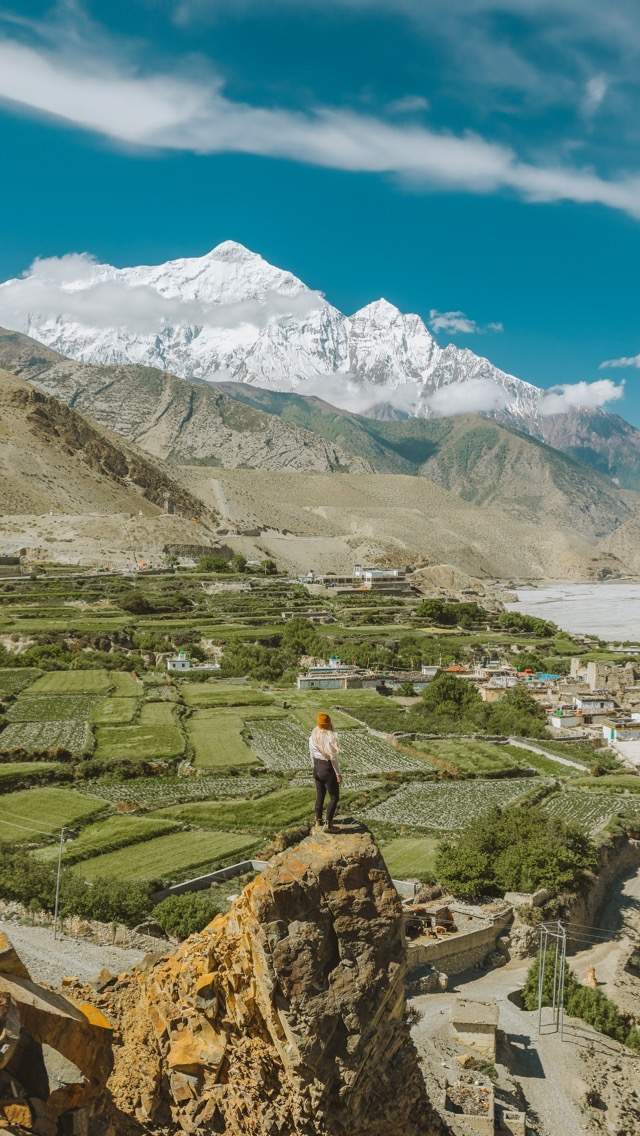
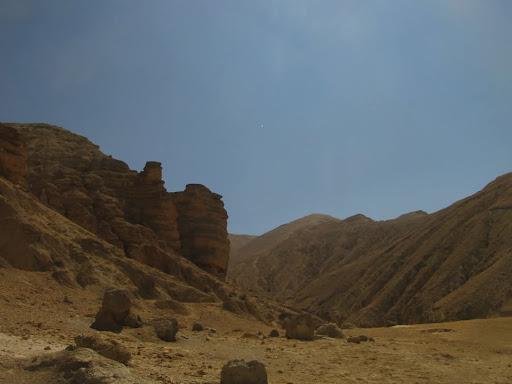
Lower mustang famous for pilgrimage Kagbeni & Muktinath, Annapurna circuit trek and apple farming. Upper Mustang its natural beauty, unique culture & picturesque landscapes. Due to its geographical location, Mustang is largely dry, cool, and semi-arid.
People of Mustang Nepal The people of Upper Mustang are primarily Buddhists, and their religion plays a significant role in their daily lives. People of Mustang are a mixture of various ethnic groups, including the Gurung, Thakali, and Lopa. The Lopa are the original inhabitants of Mustang, and they have their own unique culture and language. The Lopa are known for their strong attachment to their traditions and customs, which have been passed down from generation to generation. Mustangi people are friendly and welcoming, and visitors are often invited to participate in their daily activities, such as farming and cooking.
Culture of Mustang Nepal Mustang is known for its unique culture, history, and geography. The majority of people in Mustang practice Tibetan Buddhism, and there are numerous monasteries and chortens (Buddhist stupas) throughout the region. The most famous of these is the Lo Gekar Monastery, which is said to be the oldest monastery in Nepal.
Mustang is also known for its shamanistic beliefs and practices. The shamans, or bönpo, are highly respected in Mustang, and their healing rituals and ceremonies are an important part of the culture. The cuisine of Mustang is also unique, and reflects the region’s geography and climate.
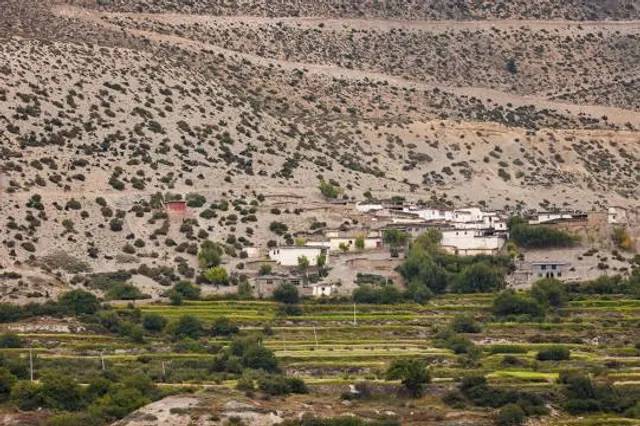
The architecture of Mustang is another notable feature of the region. The traditional houses are made of stone and mud, and feature intricate wood carvings and brightly colored doors and windows.
Mustang has a rich and vibrant culture that has been shaped by its history, geography, and people. Mustang region is home to a unique culture that has been preserved for centuries. Visitors can experience this unique culture firsthand, through trekking, cultural tours, and homestays with local families. Mustang is truly a gem of Nepal, and a must-visit destination for anyone interested in culture and adventure.
Interesting facts about Mustang Nepal Upper mustang trek to visit kingdom of mustang Nepal
01: One of the most interesting facts about Mustang Nepal is that Mustang is known as the lost kingdom of Tibet. In the old times, it used to be a part of the Tibetan empire.
Therefore, kingdom of mustang is closely connected to Tibet in traditions, cultures, religious beliefs, languages, and geography. Now, Mustang is a part of Nepal. People of Mustang still practice Tibetan Buddhism in its pure form.
02: The inhabitants of Mustang either belong to Tibetan or Thakalis origin and culture of Mustang is highly influenced by Tibetan cultures and customs.
03: The administrative center of Mustang is located at the Jomsom town. The town has had an airport since 1962. Mustang was opened for the western tourists in 1992 and since then, Jomsom has become the main entry point for the tourists.
04: Being surrounded by the snow-capped mountains, Mustang receives snowfall in winter, dry and cold year round.
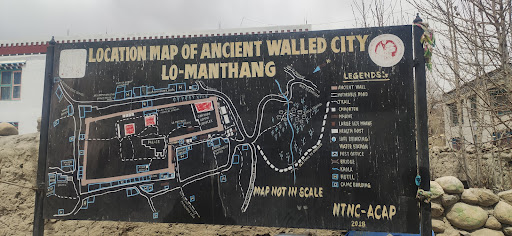
05: Lo Manthang is the capital of Mustang. Here, trekkers can see some interesting Gompas, traditional houses, narrow streets, and a royal palace. You can explore most of the town in a few hours.
06: Animal husbandry and trade are main sources of income for people of lower and upper Mustang.
07: Upper Mustang is a place of religious importance for Hindu followers. A large number of Hindu pilgrims visit the Muktinath temple because they believe that bathing here is a ritual to obtain salvation.
08: Another sacred site of Hindu “Damodar kunda” also situated in upper mustang. it is the origins of fossil ston...
Read moreUpper Mustang (formerly Kingdom of Lo) is an upper part (Northern area) of Mustang District, which is located in Nepal. The Upper Mustang was a restricted kingdom and demilitarized area until 1992 which makes it one of the most preserved regions in the world, with a majority of the population still speaking traditional Tibetic languages. Tibetan culture has been preserved by the relative isolation of the region from the outside world. Life in Mustang revolves around tourism, animal husbandry and trade. The Upper Mustang comprise the northern two-thirds of Mustang District of Gandaki Province, Nepal. It consists of three rural municipalities namely Lo Manthang, Dalome, and Baragung Muktichhetra. The southern third (lower Mustang) of the district is called Thak and is the homeland of the Thakali, who speak the Thakali language, and whose culture combines Tibetan and Nepalese elements. Mustang's status as a kingdom ended in 2008 when its suzerain Kingdom of Nepal became a republic. The influence of the outside world, especially China, is growing and contributing to rapid change in the lives of Mustang's people.2 Development works have increased in recent years. Raja Jigme Dorje Palbar Bista. Mustang was once an independent kingdom, although closely tied by language and culture to Tibet. From the 15th century to the 17th century, its strategic location granted Mustang control over the trade between the Himalayas and India. At the end of the 18th century the kingdom was annexed by Nepal and became a dependency of the Kingdom of Nepal since 1795.[3] Kingdom of Lo Manthang supported Tibet and the Qing Empire during the Sino-Nepalese War. Though still recognized by many Mustang residents, the monarchy ceased to exist on October 7, 2008, by order of the Government of Nepal.[4] The last official and later unofficial king (raja or gyelpo) was Jigme Dorje Palbar Bista (1930–2016),[5] who traced his lineage directly back to Ame Pal, the warrior who founded this Buddhist kingdom in 1380.[6] Ame Pal oversaw the founding and building of much of the Lo and Mustang capital of Lo Manthang, a walled city that has changed little in appearance since that time period.[7] In 2007, a shepherd in Mustang discovered a collection of 55 cave paintings depicting the life of the Buddha.[8] Climate Upper Mustang has a trans-Himalayan climate which is cool and semi-arid with precipitation in the range of 250–400 mm (9.8–15.7 in). It is in the rain shadow of the Annapurna and Dhaulagiri ranges. Demographics The population of the whole Mustang District in 2001 was 14,981, spread between three towns and approximately thirty smaller settlements. The inhabitants are either Thakalis, Gurung or, in traditional Mustang, primarily Tibetan. Most of the population of Mustang lives near the Kali Gandaki River, 2,800 to 3,900 m (9,200 to 12,800 ft) above sea level. The tough conditions cause a large winter migration into lower regions of Nepal. The administrative center of Mustang District is at Jomsom (eight kilometres (5.0 mi) south of Kagbeni) which has had an airport since 1962 and has become the main tourist entry point since Mustang was opened to western tourism in 1992. Kali Gandaki riverbed in Nepal's Upper Mustang. View from Thsele down to the Kali Gandaki river and the fields of Chusang village, with Nilgiri's steep north face. The main hydrographic feature of Mustang is the Gandaki River. The river runs southward towards Nepal Terai, bisecting Mustang. Routes paralleling the river once served as a major trade route between Tibet and India, especially for salt. Part of the river valley in the southern Mustang District forms the Kali Gandaki Gorge, by some measures the deepest gorge in the world. Traditional Mustang (the Lo Kingdom) is 53 km (33 mi) north–south at its longest, 60 km (37 mi) east–west at its widest and ranges from a low point of 2,750 m (9,020 ft) above sea level on the Kali Gandaki River just north of Kagbeni to 6,700 m (22,000 ft) at Khamjung Himal, a peak in...
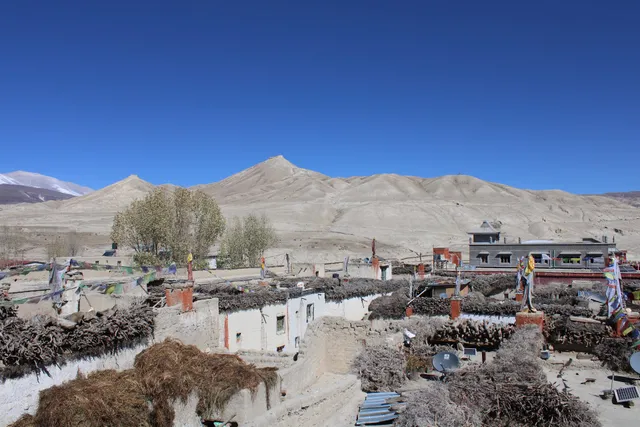
Read moreLo is the northern two-thirds of Mustang district culturally and linguistically, influenced by Tibet, while the southern third is called Thak, the homeland of Thakali people who speak a different language and have a synthesis of Tibetan and Nepalese culture. Recently a series of at least twelve caves were discovered north of Annapurna and near the village, decorated with ancient Buddhist paintings and set in sheer cliffs at an elevation of 14,000 feet (4,300 m).The paintings show Newari influence, dating to approximately the 13th century, and also contain Tibetan scripts executed in ink, silver and gold and pre-Christian era pottery shards.Explorers found stupas, decorative art and paintings depicting various forms of the Buddha, often with disciples, supplicants and attendants, with some mural paintings showing sub-tropical themes containing palm trees, billowing Indian textiles and birds. The village is noted for its tall whitewashed mud-brick walls, gompas and the Raja's or Royal or King's Palace, a nine-cornered, five-story structure built around 1400. There are four major temples: Jampa Lhakhang or Jampa Gompa, the oldest, built in the early 15th century and also known as the "God house"; Thubchen Gompa, a huge, red assembly hall and gompa built in the late 15th century and located just southwest of Jampa Gompa; Chodey Gompa, now the main city gompa; and the Choprang Gompa, which is popularly known as the "New Gompa". The Nepalese Department of Immigration requires foreign visitors to obtain a special permit, which costs $50 per day per person, and liaison (guide) to protect local tradition from outside influence as well as to protect their...
Read more