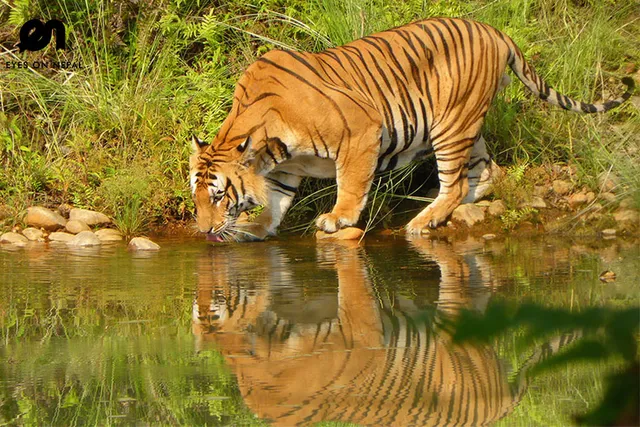
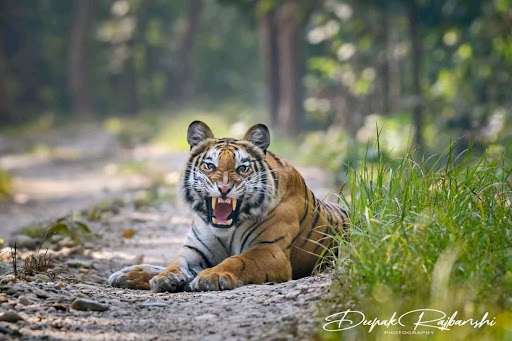
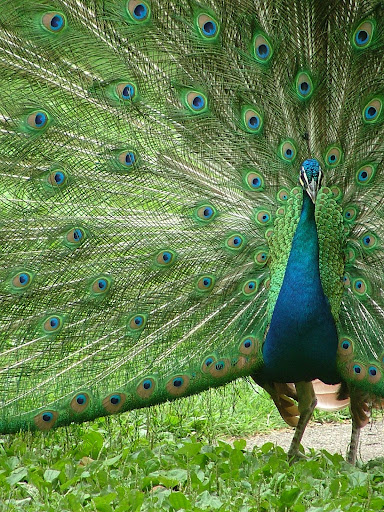
Bardiya National Park is home to a wide variety of wildlife, including the endangered Bengal tiger, one-horned rhinoceros, elephants, wild boars, and many species of deer. During my visit, I had the privilege of spotting rhinos and several bird species. Though I didn’t see a tiger, the park is famous for sightings, and I would recommend visiting with patience for a chance to see this magnificent animal. Birdwatching Paradise: With over 350 species of birds, Bardiya is a haven for birdwatchers. The park's diverse ecosystems, from grasslands to dense forests, support a wide range of bird species, including several migratory birds. I found the experience of bird watching incredibly peaceful and rewarding. Beautiful Natural Scenery: The park's landscapes are breathtaking, with vast grasslands, dense forests, and the Karnali River meandering through the area. The peaceful surroundings make it an ideal place for photography, nature walks, and simply soaking in the beauty of the natural world. Well-Organized Safaris: The safari experience in Bardiya is well-organized and provides an immersive wildlife experience. You can explore the park in open jeeps or on foot with local guides, who are knowledgeable about the area and its wildlife. The guides enhance the experience by providing insights into the park's ecosystems and the best places to spot wildlife. Peaceful and Remote: Bardiya is less crowded compared to other national parks in Nepal, like Chitwan, which makes it a perfect destination for solo travelers looking for tranquility and a more immersive experience in nature. The lack of crowds allows for a deeper connection with the environment and wildlife. Cultural Experience: The local Tharu community, who reside near the park, adds a cultural element to the visit. You can learn about their traditional lifestyles and customs, and there are opportunities to visit Tharu villages for a more authentic experience. The Challenges: Limited Accessibility: Bardiya is somewhat remote, and reaching the park requires a long journey from major cities like Kathmandu or Pokhara. The roads are bumpy and can be tiring, so it’s best to plan your travel time accordingly. Safari Availability: While the park offers great safaris, availability of slots, especially during peak seasons, can be limited. Booking safaris and other activities in advance is recommended. Wildlife Sightings Are Not Guaranteed: Despite being home to many tigers, rhinos, and elephants, wildlife sightings can never be guaranteed. The animals roam freely in vast areas, so patience and multiple safari sessions may be required to spot them. Basic Accommodation: While there are accommodations around the park, they are relatively simple and rustic. For those used to luxury, the basic lodges might seem underwhelming. However, they provide a comfortable and authentic experience in the park's natural surroundings. Insect and Weather Conditions: The park is in a tropical climate, so during the warmer months, the humidity and insects can be challenging. It’s advisable to bring insect repellent and wear lightweight, long-sleeve clothing to avoid bites. Suggestions for Future Visitors: Book Safaris in Advance: Since safari slots can fill up quickly, especially during peak seasons, it’s best to book your safaris ahead of time. Bring Comfortable Gear: Wear comfortable, lightweight clothing and sturdy shoes for the safari. The terrain can be rough, and the weather can be humid, so bring hats, sunscreen, and insect repellent. Be Patient with Wildlife Sightings: While the park is home to incredible wildlife, sightings are not always guaranteed. It’s best to come with an open mind and enjoy the overall experience, regardless of the animals you spot. Plan for a Longer Stay: The park has a lot to offer, so plan for at least a 2-3 day stay to fully explore its diverse ecosystems and increase your chances of...
Read moreBardiya National park is the largest national park in the lowland Terai covering an area of 968 sq.km. The park situated in Nepal's Western Terai was established for protecting the representative ecosystems and conserving the habitat of tiger and its prey species. Initially, a small area was gazetted as the Karnali Wildlife Reserve in 1976. At that time, 1500 households of the Babai valley were relocated outside the park allowing the vegetation and wildlife to flourish. In 1982, it was renamed as Bardiya Wildlife Reserve, and in 1984 it was extended to its current size. The reserve was given the status of a National Park in 1988. Greater One-horned Rhinoceros were translocated from Chitwan National Park to Bardia National Park in 1986, 1991, 1999, 2000, 2001 and 2002. In 1997, an area of 327 km2 surrounding the park was declared as a buffer zone, which consists of forests and private lands. The park and local communities jointly manage the buffer zone. Together they initiate community development activities and manage natural resources in the buffer zones. An elephant ride provides a different view of the park as one can go off the main trail, Morning and late afternoon is the ideal time to go on a ride. Karnali river is the suitable home for Gangetic dolphin. Babai valley is a majestic place to visit where flagship Rhino, tiger, and elephant can be cited in the wilderness site.
Climate: The park has three distinct seasons, winter, summer, and monsoon. Form October through early April, the weather is dry. The days are warm and the nights are cool and pleasant. From April to June the temperatures gradually rises upwith a peak temperature up to 45 0c in May. The hot sticky days give way to the monsoon rains in July that lasts until September.
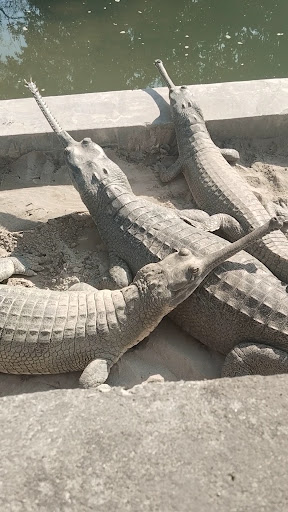
Flora and Fauna: The park offers a variety of experiences in its vast undisturbed wilderness. About 70% of the forest consists of sal tree with a mixture of grassland and riverine forests. Sal leaves are used as traditional plates in festival and religious offering. The park is home to endangered animals such as the Royal Bengal tiger, wild elephant, greater one-horned rhinoceros, swamp deer, and black buck, The other endangered species include gharialand marsh mugger crocodiles and gangetic dolphin. Endangered birds found in the park are Bengal florican, lesser florican and sarus crane. More that 30 different mammals, over 230 species of birds and several species of snakes, lizard and fishes have been recorded In the park area. In addition to the resident species, several migratory birds visit the park.
Facilities: Museum and Tharu culture are available for visitors at HQ. Telephone and mobile phones can be used in several areas of the park. If you are traveling by private vehicle make sure that you have ample amount of fuel. Be advised to carry a comprehensive first-aid kit including medicines. There is a community health post at Thakurdwara near the park headquarter. You can spend your nights at the lodges in the surrounding areas of the park. These lodges provide service to tourists.
How to get there: You can take a bus or take the flight from Kathmandu to Nepalgunj.From Nepalgunj bus services are available to the park HQ at Thakurdwara during...
Read moreBardiya National Park
Bardiya National Park is a protected area located in the western Terai region of Nepal. It covers an area of approximately 968 square kilometers (374 square miles) and is one of the largest national parks in the country. The park is named after Bardiya District, which it encompasses.
Here are some key features and information about Bardiya National Park:
Wildlife: The park is known for its diverse wildlife. It is home to several endangered species, including the Bengal tiger, wild elephant, greater one-horned rhinoceros, swamp deer, and Gangetic dolphin. Other animals found in the park include sloth bears, leopards, spotted deer, langurs, crocodiles, and various bird species.
Vegetation: Bardiya National Park consists of a range of ecosystems, including riverine forests, grasslands, and savannas. The park is covered with a mix of hardwood trees, including sal, sissoo, and khair, as well as grasslands that provide an ideal habitat for wildlife.
Activities: The park offers various activities for visitors, including jungle safaris, bird watching, elephant rides, canoeing, and nature walks. These activities allow visitors to explore the park's wilderness and observe its rich biodiversity up close.
Tharu Culture: The indigenous Tharu people have a strong presence in the region surrounding Bardiya National Park. Visitors have the opportunity to learn about the Tharu culture, traditions, and lifestyle by visiting Tharu villages located on the park's periphery.
Access: Bardiya National Park is situated in the lowland plains of Nepal's Terai region. It is approximately 585 kilometers (363 miles) west of Kathmandu, the capital city of Nepal. The nearest major city to the park is Nepalgunj, which is well-connected by air and road.
Conservation Efforts: Bardiya National Park is dedicated to the conservation of its diverse flora and fauna. Efforts are made to protect endangered species and their habitats, combat poaching, and promote sustainable tourism practices within the park.
Visiting Bardiya National Park offers an opportunity to experience the beauty of Nepal's wildlife and natural landscapes. It is advisable to check with local authorities or park management for the most up-to-date information on visiting rules, permits, and safety guidelines before planning a trip...
Read more