The Birthplace of Gautam Buddha, located in Lumbini, Nepal, is one of the most sacred and revered pilgrimage sites in the world. This UNESCO World Heritage Site holds immense historical, spiritual, and cultural significance, making it a must-visit destination for those interested in Buddhism, history, and serene landscapes.
Lumbini is renowned as the birthplace of Siddhartha Gautama, who later became known as Buddha, the founder of Buddhism. According to historical and religious accounts, Buddha was born here in the 6th century BCE. The site offers a profound and contemplative experience, with its rich spiritual ambiance and well-preserved archaeological and religious monuments.
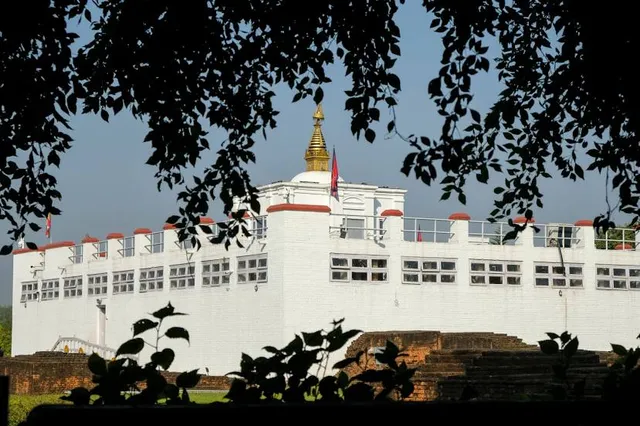
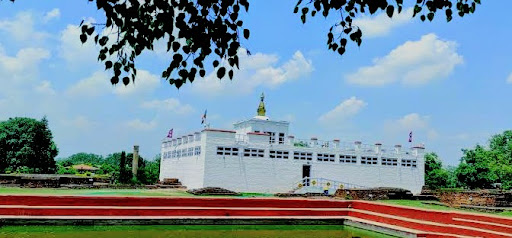
The primary attraction at Lumbini is the Maya Devi Temple, which marks the exact spot where Queen Maya Devi is believed to have given birth to Buddha. This ancient temple, adorned with intricate carvings and artwork, is a focal point of pilgrimage and worship. The temple’s serene environment, combined with its historical significance, provides a deep sense of connection to Buddhist heritage.
Adjacent to the Maya Devi Temple is the Sacred Garden, a lush and peaceful area that includes the sacred Bodhi Tree, where it is said that Buddha’s mother, Queen Maya, experienced a divine vision before his birth. The garden offers a tranquil space for meditation and reflection, surrounded by beautifully maintained pathways and gardens.
The Lumbini Archaeological Museum is another important site within the complex. It houses a vast collection of artifacts, sculptures, and inscriptions related to Buddha’s life and the early years of Buddhism. The museum provides valuable insights into the historical and cultural context of the region, making it a worthwhile visit for anyone interested in deepening their understanding of Buddhist history.
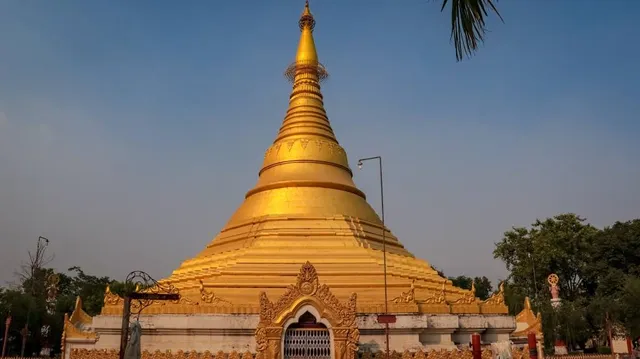
In addition to the Maya Devi Temple and the Archaeological Museum, Lumbini features several monasteries and stupas built by various Buddhist countries. Each monastery reflects the architectural styles and cultural influences of its respective nation, creating a diverse and enriching experience for visitors. The monasteries offer a glimpse into different Buddhist traditions and practices, fostering a sense of international unity and spiritual harmony.
The peaceful ambiance of Lumbini is enhanced by its well-planned layout and the surrounding natural beauty. The site is dotted with serene ponds, gardens, and trees, providing a perfect backdrop for contemplation and relaxation. The gentle sounds of nature and the absence of commercial hustle contribute to an atmosphere of tranquility and spiritual renewal.
Visiting Lumbini is not only a journey to a historical and religious landmark but also an opportunity to experience a profound sense of peace and reflection. The site’s significance as Buddha’s birthplace makes it a place of pilgrimage and reverence for Buddhists from around the world. At the same time, it offers a universal message of peace, compassion, and enlightenment that resonates with people of all backgrounds.
For those traveling to Lumbini, the nearby town offers various accommodations, dining options, and local attractions. The local community is welcoming and hospitable, enhancing the overall experience of visiting this sacred site. Whether you are a devout Buddhist, a history enthusiast, or simply seeking a peaceful retreat, Lumbini provides a unique and enriching experience that will leave a lasting impression.
In conclusion, the Birthplace of Gautam Buddha in Lumbini is a remarkable destination that combines historical significance, spiritual depth, and natural beauty. Its sacred sites, diverse monasteries, and serene environment make it a compelling place to visit, offering both historical insights and spiritual renewal. Highly recommended for anyone seeking a meaningful and tranquil experience in one of the world’s most...
Read moreLumbini, located in the Rupandehi district of Nepal, is one of the most sacred and historically significant pilgrimage sites in the world. Revered as the birthplace of Siddhartha Gautama, who later became Lord Buddha, Lumbini holds immense spiritual importance for millions of Buddhists and travelers seeking peace and enlightenment.
Cultural and Spiritual Significance
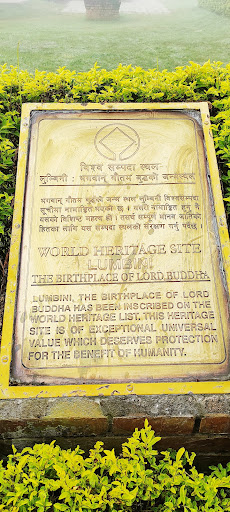
Lumbini is where Queen Mayadevi gave birth to Prince Siddhartha around 563 BCE. The site is not only a symbol of Buddha’s humble origins but also a powerful center for Buddhist teachings and values like compassion, mindfulness, and non-violence. Declared a UNESCO World Heritage Site in 1997, Lumbini attracts devotees, monks, historians, and tourists from all corners of the globe.
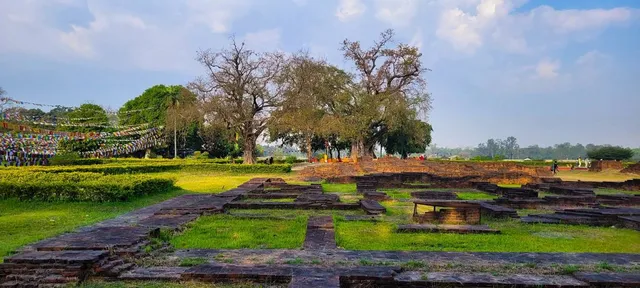
At the heart of Lumbini lies the sacred Mayadevi Temple, built around the exact spot where Buddha was born. The temple houses ancient ruins, including a sandstone marker and a sacred pond where Queen Mayadevi is believed to have bathed before childbirth. The temple complex is peaceful, with prayer wheels spinning and soft chants filling the air, creating a tranquil and reverent atmosphere.Surrounding the temple are numerous monasteries and temples built by various Buddhist countries such as Thailand, Myanmar, Sri Lanka, China, Japan, and Bhutan. Each monastery reflects the unique architecture and traditions of its country, making Lumbini a vibrant melting pot of global Buddhist culture.
Tourism Experience
Lumbini offers a serene and contemplative environment that contrasts with the hustle and bustle of modern cities. The lush gardens, walking paths, and meditation centers invite visitors to relax and reflect. Tourists can explore the archaeological zone, visit the Lumbini Museum for historical insights, or attend meditation sessions and cultural programs organized by the monasteries.
Despite its spiritual calm, Lumbini is developing as a tourist destination with growing infrastructure, including hotels, restaurants, and guided tours. The local community benefits from the steady influx of visitors, which supports livelihoods and encourages preservation efforts.
Challenges and Considerations
While Lumbini is an inspiring place, some challenges affect the visitor experience. The area’s development is still ongoing, andinfrastructure like roads and public transport can be limited compared to major tourist hubs. During peak pilgrimage seasons, the site can become crowded, somewhat reducing the peaceful ambiance.
Additionally, balancing modernization with preserving the site’s authenticity remains a concern. Efforts to manage waste, maintain cleanliness, and protect the ancient ruins are crucial to sustaining Lumbini’s spiritual and historical value.
Final Thoughts
Visiting Lumbini is a deeply moving experience that connects travelers to the roots of Buddhism and offers a unique blend of history, culture, and spirituality. It is ideal for those interested in religious tourism, history, or simply seeking tranquility amid nature. The respectful atmosphere and welcoming local communities add warmth to the visit.
Whether you are a devotee on a pilgrimage, a history enthusiast, or a curious traveler, Lumbini offers moments of reflection and inspiration that stay with you long after leaving. Its timeless message of peace and compassion resonates universally, making it a must-see destination on any journey...
Read moreLumbinī (Nepali: लुम्बिनी pronounced ˈlumbini, "the lovely") is a Buddhist pilgrimage site in the Rupandehi District of Lumbini Province in Nepal. It is the place where, according to Buddhist tradition, Queen Mahamayadevi gave birth to Siddhartha Gautama at around 566 BCE.1 Gautama, who, according to Buddhist tradition, achieved Enlightenment some time around 528 BCE,3 became Gautama Buddha and founded Buddhism.57] Lumbini is one of many magnets for pilgrimage that sprang up in places pivotal to the life of the Buddha. Lumbini has a number of older temples, including the Mayadevi Temple, and various new temples, funded by Buddhist organisations from various countries, have been completed or are still under construction. Many monuments, monasteries and a museum, and the Lumbini International Research Institute are also within the holy site. Also, there is the Puskarini, or Holy Pond, where the Buddha's mother took the ritual dip prior to his birth and where he had his first bath. At other sites near Lumbini, earlier Buddhas were, according to tradition, born, then achieved ultimate Enlightenment and finally relinquished their earthly forms. The Government of Bangladesh is currently constructing a major Buddhist Monastery in Lumbhini.[8]
Lumbini was made a World Heritage Site by UNESCO in 1997.[1
In the Buddha's time, Lumbini was situated in east of Kapilavastu and southwest Devadaha of Shakya, an oligarchic republic.10 According to Buddhist tradition, it was there that the Buddha was born.12] A pillar discovered at Rupandehi in 1896 is believed to mark the spot of Ashoka's visit to Lumbini. The site was not known as Lumbini before the pillar was discovered.[13] The translation of Inscription reads:[14] "When King Devanampriya Priyadarsin had been anointed twenty years, he came himself and worshipped (this spot) because the Buddha Shakyamuni was born here. (He) both caused to be made a stone bearing a horse (?) and caused a stone pillar to be set up, (in order to show) that the Blessed One was born here. (He) made the village of Lumbini free of taxes, and paying (only) an eighth share (of the produce)."[14] The park was previously known as Rupandehi, 2 mi (2 mi (3.2 km)) north of Bhagavanpura.
The Sutta Nipáta (vs. 683) states that the Buddha was born in a village of the Sákyans in the Lumbineyya Janapada. The Buddha stayed in Lumbinívana during his visit to Devadaha and there preached the Devadaha Sutta.[15]
In 1896, former Commander-In-Chief of the Nepalese Army General Khadga Shamsher Jang Bahadur Rana and Alois Anton Führer discovered a great stone pillar at Rupandehi, according to the crucial historical records made by the ancient Chinese monk-pilgrim Xuanzang in the 7th century CE and by another ancient Chinese monk-pilgrim Faxian in the early 5th century CE. The Brahmi inscription on the pillar gives evidence that Ashoka, emperor of the Maurya Empire, visited the place in 3rd-century BCE and identified it as the birth-place of the Buddha. The inscription was translated by...
Read more