Title: Majestic Macchapucchare: A Mesmerizing Mountain Escape
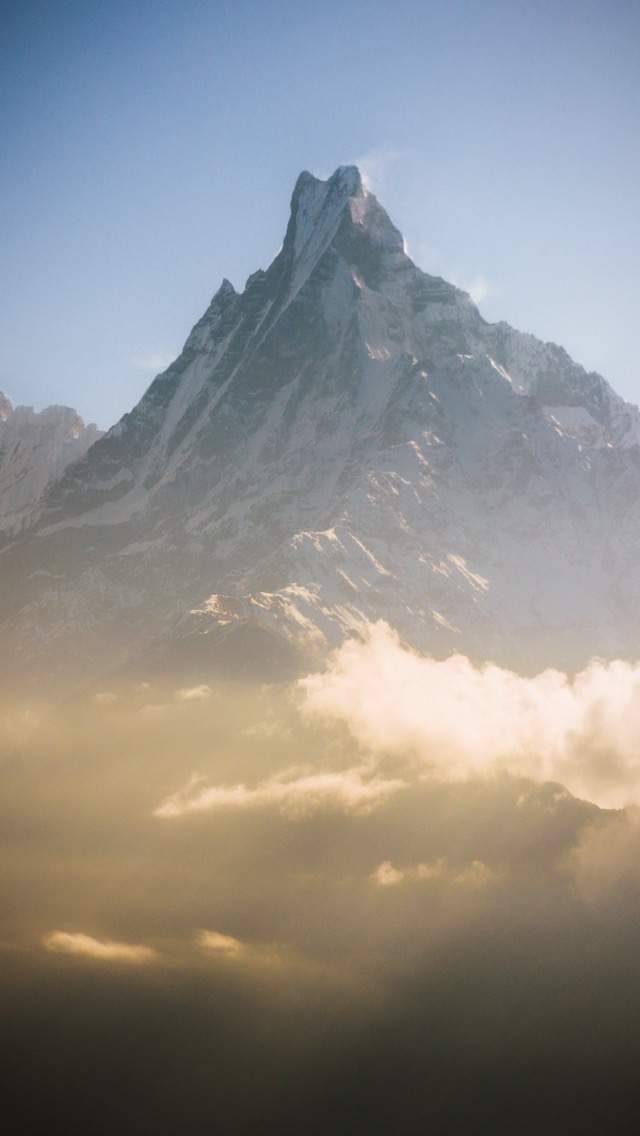
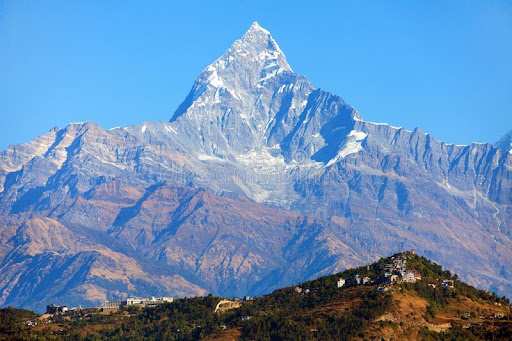
Nestled in the heart of the Annapurna Range, the awe-inspiring Macchapucchare stands as a testament to the raw beauty and mystique that the Himalayas have to offer. Often referred to as "Fishtail Mountain" due to its distinct twin-peaked silhouette resembling a fish's tail, Macchapucchare presents an experience that is nothing short of enchanting for adventurers and nature enthusiasts alike. Having had the privilege of embarking on a journey to this majestic peak, I am compelled to share my profound encounter with this natural wonder.
Macchapucchare's allure begins well before you even lay eyes on its towering form. The journey to its base camp is a captivating odyssey, taking trekkers through dense rhododendron forests, charming Himalayan villages, and across gushing streams. The vibrant flora and fauna that adorn the trail, especially during the spring season when the rhododendrons are in full bloom, paint a mesmerizing tapestry against the backdrop of the snow-capped peaks. The air is crisp and invigorating, and the gradual ascent allows for acclimatization, ensuring a comfortable and rewarding journey.
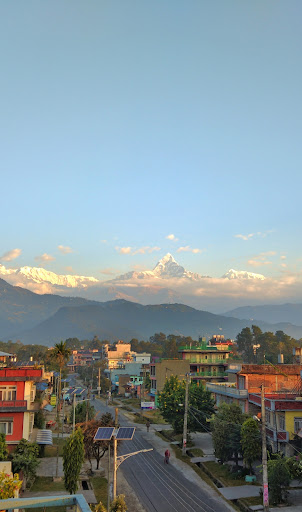
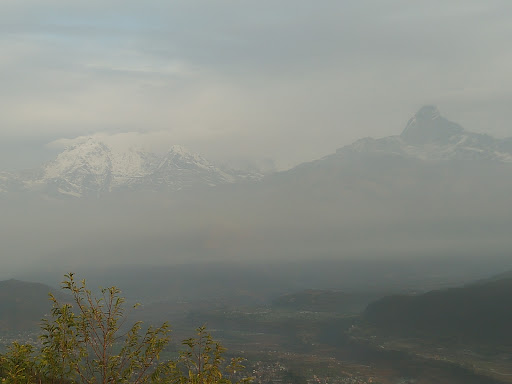
As the trek continues, the first breathtaking glimpse of Macchapucchare comes into view. Its distinctive double summit rises dramatically against the sky, leaving an indelible mark on the senses. The play of light and shadow on its slopes throughout the day is a sight to behold, with the morning sun casting a golden hue and the setting sun turning it into a silhouetted masterpiece. The tranquility of the surrounding landscape is only broken by the occasional rustling of leaves or the distant call of a bird.
Arriving at the Macchapucchare Base Camp is an experience that defies description. The camp sits in a natural amphitheater, encircled by towering peaks and surrounded by immense glaciers. The icy expanse of the Annapurna Sanctuary adds an ethereal quality to the environment, making it feel like a haven untouched by time. As the sun dips below the horizon, the sky transforms into a canvas of colors, casting a soft glow upon the mountain's visage, and turning the snow into a glistening spectacle.
For the more adventurous souls, a trek to the Annapurna Base Camp offers an even closer encounter with Macchapucchare's grandeur. The journey rewards with unrivaled panoramic views of the entire Annapurna Massif, allowing one to truly appreciate the sheer scale of these majestic peaks. The sense of accomplishment upon reaching the base camp is overwhelming, a testament to both physical endurance and a deep connection with nature.
Macchapucchare's allure extends beyond its physical beauty. It holds a spiritual significance for the local Gurung people, who consider it sacred and believe it to be the home of a deity. This cultural context adds an extra layer of reverence to the mountain, enriching the experience with a sense of history and mythology.
In conclusion, Macchapucchare is more than just a mountain; it is a living testament to the wonders of the natural world. Its ethereal beauty, awe-inspiring presence, and spiritual significance combine to create an experience that touches the heart and soul. Whether you are an intrepid trekker seeking adventure or a contemplative traveler in search of serenity, Macchapucchare offers an unparalleled journey into the heart of the Himalayas. My encounter with this mesmerizing mountain will forever be etched in my memory as a moment of profound connection with...
Read more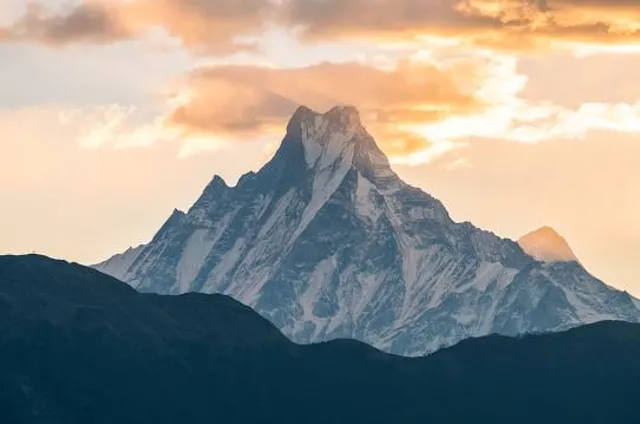
 Learn more insights from Wanderboat AI.