The Gadhimai Temple: A Symbol of Faith and Controversy
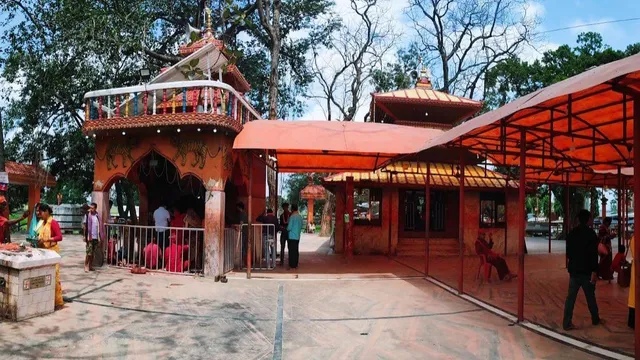
The Gadhimai Temple, located in Bariyarpur, Nepal, is a prominent religious site dedicated to the Hindu goddess Gadhimai, believed to be the goddess of power. This temple attracts millions of devotees, particularly during the famous Gadhimai festival held every five years. The festival is renowned for being one of the largest religious gatherings in the region and is deeply rooted in centuries-old traditions.
The Gadhimai festival is known for its mass animal sacrifices, carried out as offerings to the goddess in the belief that it brings prosperity, health, and spiritual cleansing. Pilgrims from Nepal and neighboring India travel to the temple to participate in this ritual, seeking blessings and fulfillment of their wishes. While the festival holds immense spiritual significance for devotees, it has also become a source of intense global debate.
The practice of animal sacrifice at Gadhimai has drawn severe criticism from animal rights activists worldwide. They argue that the ritual inflicts unnecessary cruelty on animals and violates ethical and humane principles. In recent years, campaigns by organizations like PETA and local advocacy groups have highlighted the issue, urging for alternative methods of worship. As a result, in 2015, the temple trust announced a ban on animal sacrifices. However, the implementation of this decision remains challenging due to the deep-seated cultural and religious beliefs of the devotees.
Beyond its controversies, the Gadhimai Temple serves as a cultural and spiritual hub, reflecting the rich heritage and traditions of Nepal. It symbolizes the profound faith of millions who seek divine blessings through their rituals and prayers. The temple stands as a testament to the complex intersection of religion, culture, and modern ethical values, inspiring ongoing discussions about how ancient practices can evolve to align with contemporary sensibilities.
In conclusion, the Gadhimai Temple is a sacred yet controversial landmark, encapsulating the diversity and challenges of religious practices in...
Read moreThe Gadimai Temple, located in the Bara district of Nepal, is a significant Hindu pilgrimage site. The temple is dedicated to the goddess Gadhimai and is known for its biennial festival, which involves the ritual slaughter of thousands of animals.
While the festival and its practice of animal sacrifice have been met with controversy and criticism, the temple still draws large crowds of devotees and visitors from Nepal and neighboring countries. Many believe that offering an animal sacrifice to the goddess will bring them good luck and prosperity.
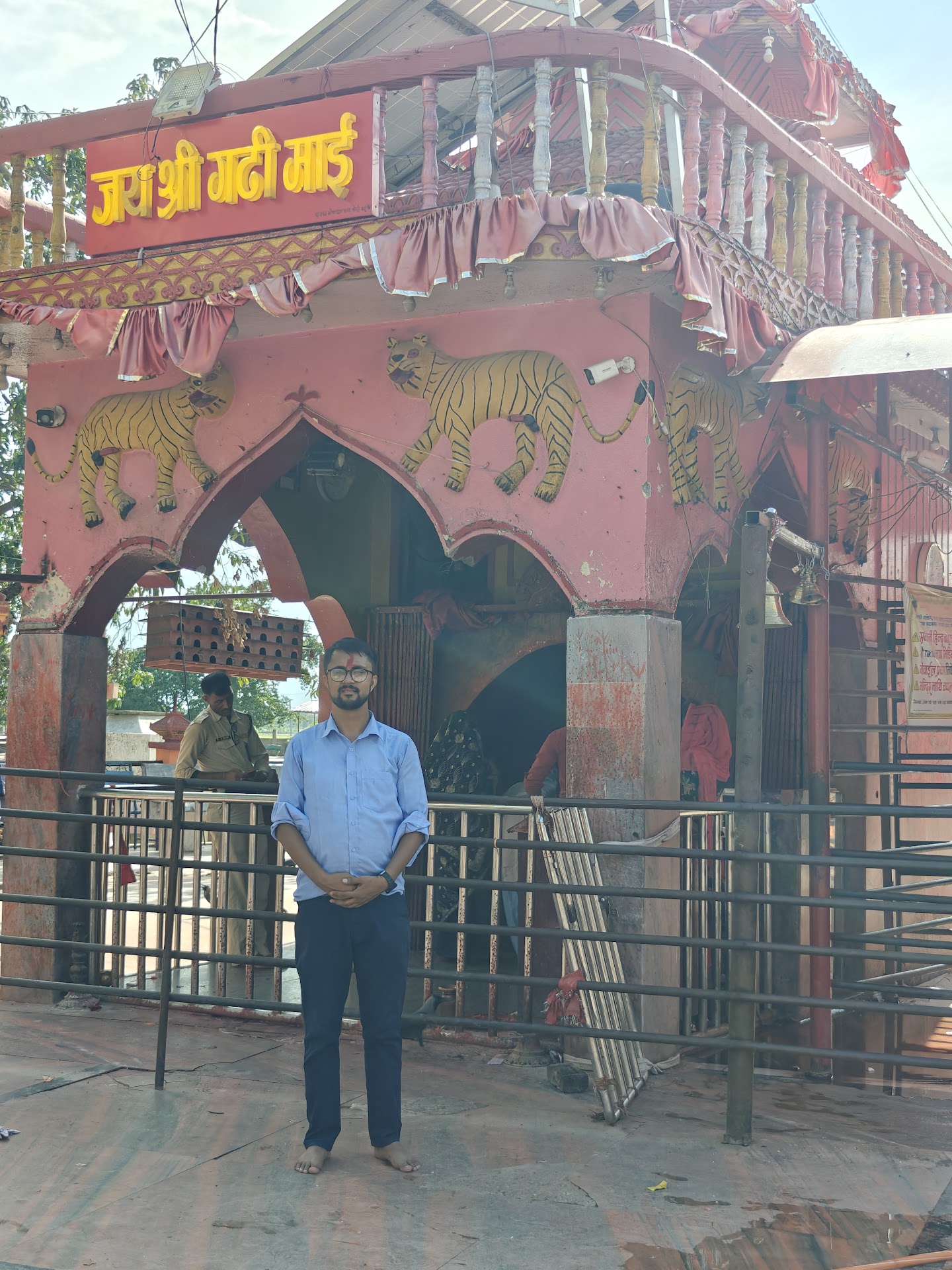
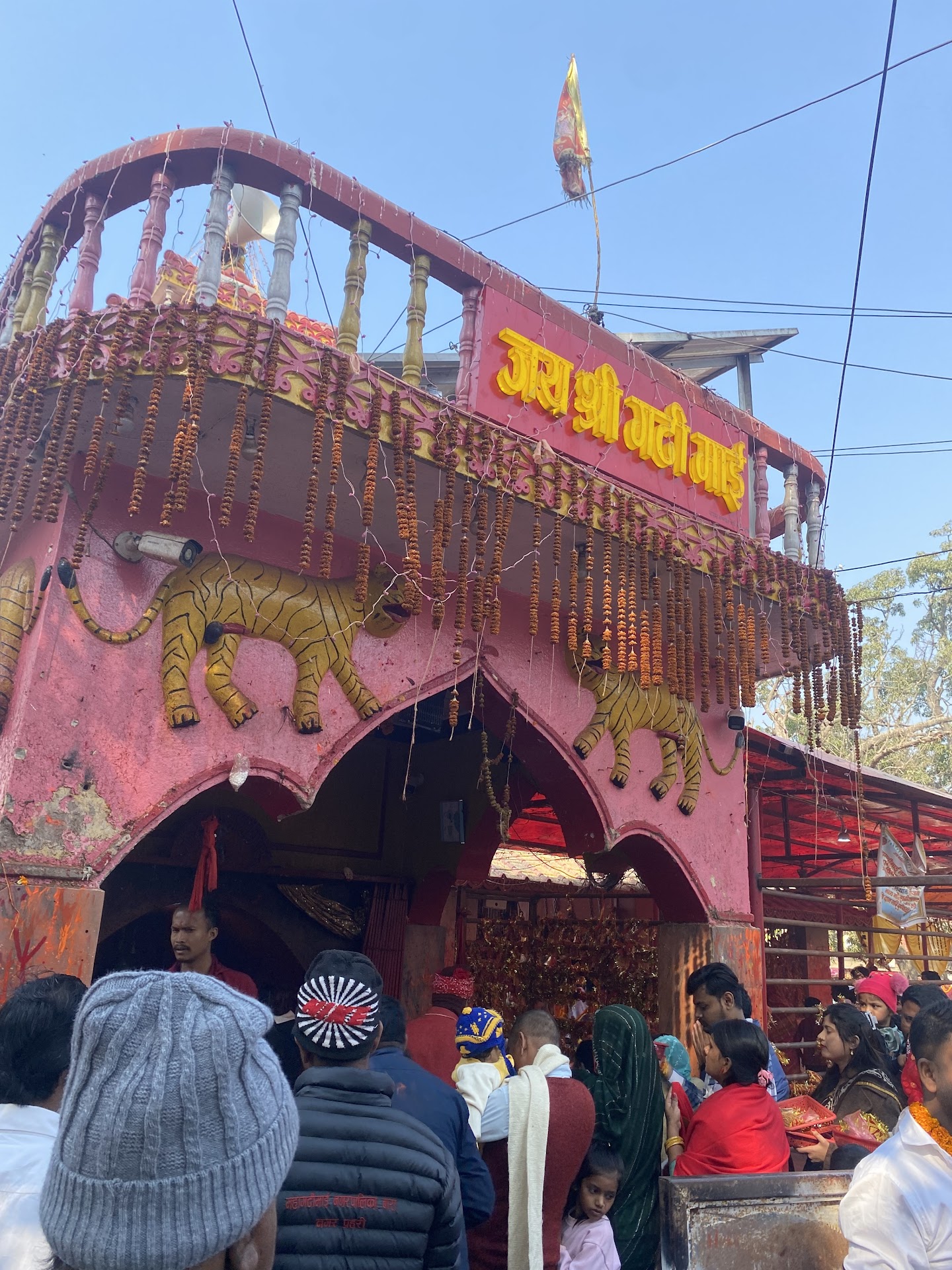
Apart from the festival, the temple itself is a beautiful structure that reflects the rich cultural heritage of Nepal. The intricate carvings and colorful decorations on the walls and ceilings are a testament to the skilled craftsmanship of the local artisans.
Visitors to the temple can take part in various rituals and ceremonies, including puja, a form of worship that involves offerings of flowers, fruits, and sweets to the goddess. The temple also has a large courtyard where devotees can gather and pray.
Overall, the Gadimai Temple is a significant religious site in Nepal that attracts both devotees and tourists. While the practice of animal sacrifice may be controversial, the temple itself is a symbol of the rich cultural heritage of Nepal and a fascinating place to visit for those interested in Hinduism and...
Read moreGadhimai Temple (Nepali: गढीमाई मन्दिर) is a temple of Gadhimai Devi, an aspect of Kali, the Hindu goddess of power. The temple is situated in Mahagadhimai Municipality in Bara District of south central Nepal, though the term usually refers to Gadhimai festival, conducted at the Gadhimai temple area in central Terai of Nepal.
Gadhimai festival is a Hindu festival held every five years in Nepal at the Gadhimai Temple of Bariyarpur, in Bara District, about 160 kilometres (99 mi) south of the capital Kathmandu, and about 7 kilometres (4.3 mi) east of the city of Kalaiya, near the Indo-Nepal border. It is primarily celebrated by Madhesi people. The event involves large-scale sacrificial slaughter of animals, including water buffalo,[2] pigs, goats, chickens, and pigeons, with the goal of pleasing Gadhimai, the goddess of power. People also make other offerings, including coconuts, sweets, and red-coloured clothes.[3] The festival has been described as the world's largest animal sacrifice event or one of the largest.It is estimated that 250,000 animals were sacrificed during the Gadhimai festival of 2009. In 2015, it was erroneously reported that Nepal's temple trust planned to cancel all future animal sacrifices at the festival.
Source...
Read more