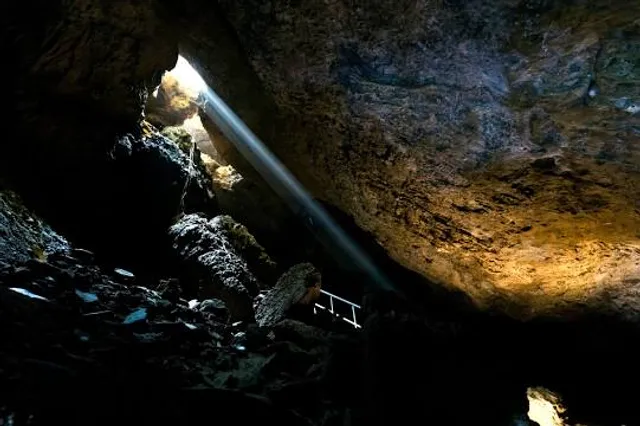
If you're venturing to Pokhara and seeking an adventure that combines natural wonders with a dash of thrill, the cave often referred to as "Bat Cave" is a destination you shouldn't miss. Here's what you need to know before embarking on this unique experience:
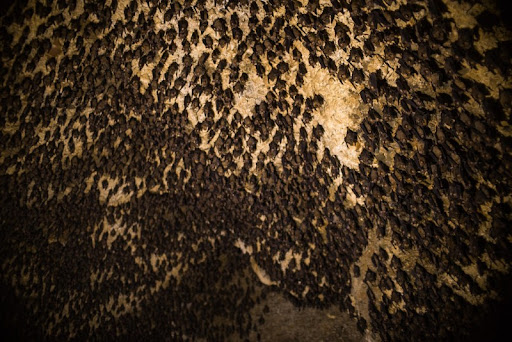
Thrilling Exploration: Home to thousands of bats, this limestone cave offers an exciting adventure. The absence of natural and electric light creates an environment that bats thrive in, adding to the cave's mystique.
Guided Tours: For the best experience, hiring a local guide is highly recommended. Guides can enhance your visit by providing insights and ensuring you don't miss the exhilarating cave exit, which is challenging to navigate without assistance. The fee for a guide is about 300 Nepalese rupees.
Natural Beauty: Inside the cave, you'll find beautiful limestone formations adorning the walls and ceiling. The stone roof is particularly impressive, covered with a small species of bats.
Adventurous Conditions: The cave's interior is characterized by an uneven, slanting, and wet floor, making it a slippery and adventurous journey. Visitors are provided with portable lights at the entrance to help navigate the dark and humid conditions.
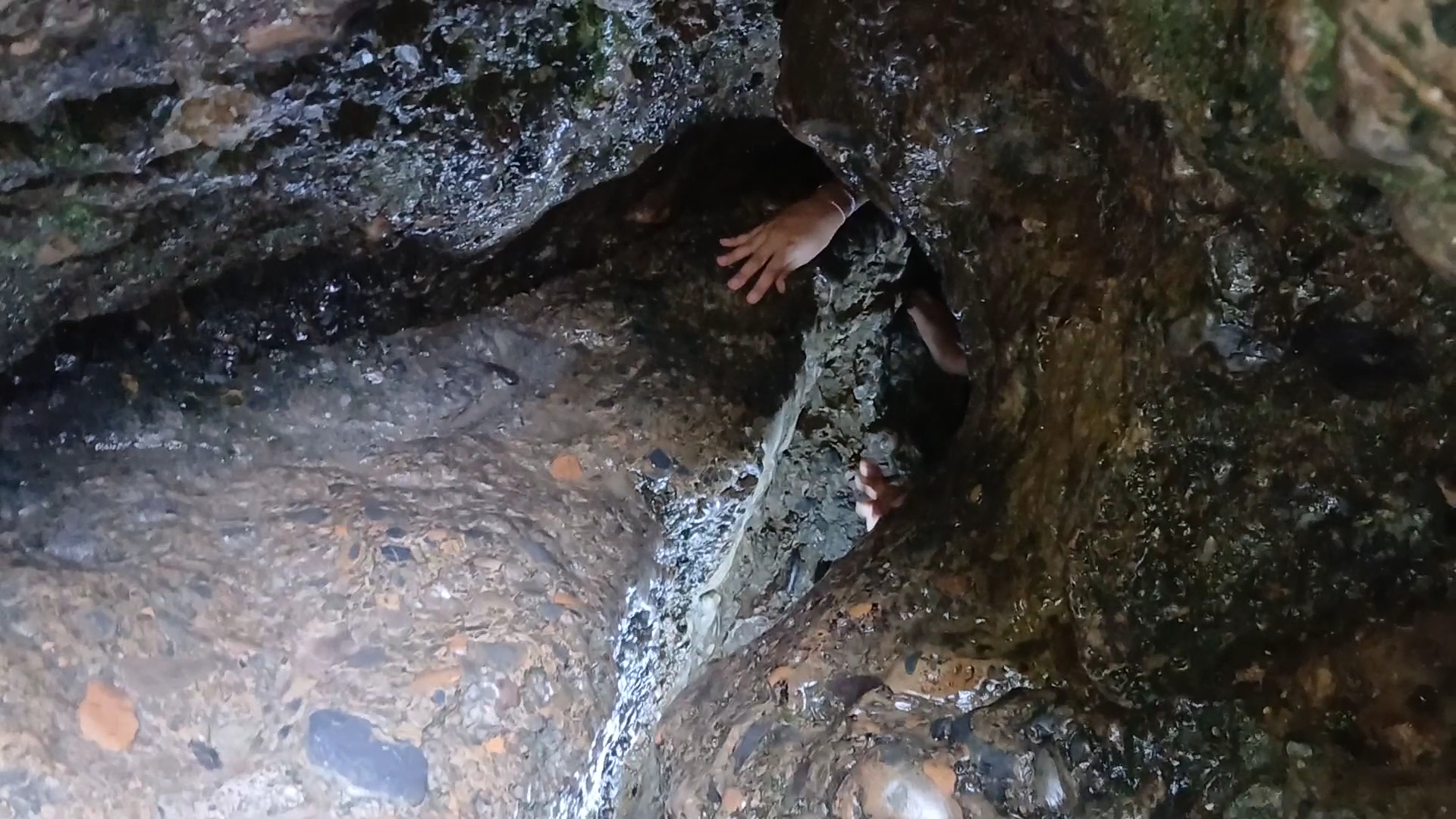
Visitor Etiquette: It's crucial to maintain quiet and avoid using bright lights unnecessarily, as this can disturb the bats. The cave's exit is notably narrow and requires a bit of climbing, contributing to the overall adventure.
Considerations for Safety: The experience can be challenging, with loose and slippery side bars adding to the thrill. However, visitors should proceed with caution, as the conditions inside the cave have led to accidents.
Crowd Impact: While the cave offers an intriguing visit, the experience can occasionally be diminished by crowds, noise, and inappropriate behavior from other visitors. The narrow exit can lead to queues, impacting the flow of the visit.
Overall, the Bat Cave in Pokhara is an unforgettable adventure for those looking to explore the natural and lesser-seen wonders of the region. With the right precautions and respect for the environment, it's a must-visit for adventure seekers and nature...
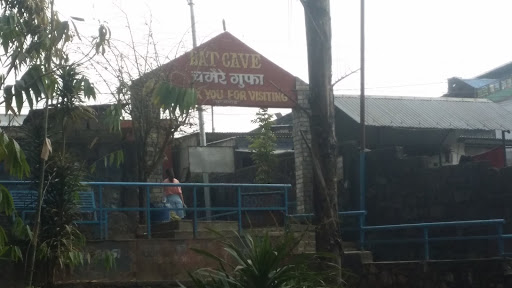
Read moreBat cave is one the most attractive tourist destination of Pokhara. It is a habitat for large population of the nocturnal flying mammals known as Bats; it shelters to more than 10 thousand bats of different species. Therefore, it is known as Bat Cave (Chamera Gupha in Nepal). It lies in Batulechour area, which is a northern settlement of the Pokhara valley of Kaski district, Nepal. This cave is located 980m above the mean sea level, at 31° 30′ 43” N and 79° 19′ 14” E. It is 220m long and is forked in the interior. One arm, which extends towards southeast, is 150 meter long roof. This arm of the cave is sccessible. Most of the visitors can visit this part. Another arm, which extends towards northeast, is about 70m long and is inaccessible. It is famous for its picturesque appearance and most important for its amazing adventurous naturality. It is open every day of the week for visitors.
The entrance is somewhat narrow but the interior part of the wide enough. This cave is a natural tunnel, which is with no artificial lighting systems. Visitors can rent flash lights from the ticket counter so that they can visit the cave without any difficulty.
Thousands of bats clinging from perhaps 25ft high ceiling of this huge, dark cave. There are more than 10,000 bats in the cave from September to May. In other season the population is rather small. It is wonderful to suddenly look up and realize that the ceiling of the cave is alive.
Most wonderful feature of this cave is feeling of adventure during exit from cave. From the bat cave, you can get out the way you get in, or you can walk up a narrow path and twist yourself out through a tiny little hole. It is quite challenging but you will get fun.
The monsoon season starts from mid June and lasts until September. POKHARA records the highest rainfall in the country. From climatic point of view, the Bat Cave is enjoyable all year round but if you want to see the bats, the best time to visit the cave is from...
Read moreI vaguely remember seeing "The Cave" when it came out. Unfortunately, my memories of it are jumbled together with Neil Marshall's "The Descent," a scarier, similarly themed movie that came out the same year. Bad timing, I guess. Upon revisiting The Cave, I'm inclined to sing its praises as a reasonably riveting action-horror hybrid that more than adequately meets the needs of any restless cinephile. A healthy budget doesn't hurt, either. Nutshell: So there's this uncharted system of underwater caves in the Carpathian Mountains, located beneath the remains of a mysterious church that was built to contain winged demons who would periodically emerge from the netherworld. A team of macho cave divers and a few scientists suit up to explore the hole and end up trapped below the surface in a slimy, sunless world of highly adaptive parasites that cause the host to mutate into a highly adaptive cave monster. The crew is led by determined dive-master Jack McCallister (Cole Hauser), who promises a way out of the mountain tomb, even as his own transformation becomes increasingly difficult to conceal. When comparing The Cave and The Descent, it's important to remember that the latter film is generally regarded as one of the best horror movies of the 21st century. That said, The Cave is much better than I remember, and includes several harrowing scenes, none more so than spunky Charlie's (Piper Perabo) spine-tingling aerial combat with a gargoyle. Director Bruce Hunt constructs a crushing and claustrophobic underworld that pulses with genuine menace, while writers Tegan West and Michael Steinberg proffer a handful of characters worth rooting for. Take a look around The Cave. It's pretty cool, and you'll...
Read more