HTML SitemapExplore
logo
Find Things to DoFind The Best Restaurants

Shey Phoksundo National Park — Attraction in Shey Phoksundo

Name
Shey Phoksundo National Park
Description
Shey Phoksundo National Park is the largest and only trans-Himalayan national park in Nepal. It was established in 1984 and covers an area of 3,555 km² in the districts of Dolpa and Mugu in the Mid-Western Region, Nepal. The protected area ranges in elevation from 2,130 to 6,885 m.
Nearby attractions
Nearby restaurants
Nearby hotels
Related posts
Keywords
Shey Phoksundo National Park tourism.Shey Phoksundo National Park hotels.Shey Phoksundo National Park bed and breakfast. flights to Shey Phoksundo National Park.Shey Phoksundo National Park attractions.Shey Phoksundo National Park restaurants.Shey Phoksundo National Park travel.Shey Phoksundo National Park travel guide.Shey Phoksundo National Park travel blog.Shey Phoksundo National Park pictures.Shey Phoksundo National Park photos.Shey Phoksundo National Park travel tips.Shey Phoksundo National Park maps.Shey Phoksundo National Park things to do.
Shey Phoksundo National Park things to do, attractions, restaurants, events info and trip planning
Shey Phoksundo National Park
NepalKarnali ProvinceShey PhoksundoShey Phoksundo National Park

Basic Info

Shey Phoksundo National Park

Suligad 21400, Nepal
4.4(275)
Closed
Save
spot

Ratings & Description

Info

Shey Phoksundo National Park is the largest and only trans-Himalayan national park in Nepal. It was established in 1984 and covers an area of 3,555 km² in the districts of Dolpa and Mugu in the Mid-Western Region, Nepal. The protected area ranges in elevation from 2,130 to 6,885 m.

Outdoor
Adventure
Scenic
Off the beaten path
attractions: , restaurants:
logoLearn more insights from Wanderboat AI.
Phone
+977 87-550104
Website
dnpwc.gov.np
Open hoursSee all hours
Mon10 AM - 5 PMClosed

Plan your stay

hotel
Pet-friendly Hotels in Shey Phoksundo
Find a cozy hotel nearby and make it a full experience.
hotel
Affordable Hotels in Shey Phoksundo
Find a cozy hotel nearby and make it a full experience.
hotel
The Coolest Hotels You Haven't Heard Of (Yet)
Find a cozy hotel nearby and make it a full experience.
hotel
Trending Stays Worth the Hype in Shey Phoksundo
Find a cozy hotel nearby and make it a full experience.

Reviews

Get the Appoverlay
Get the AppOne tap to find yournext favorite spots!
Wanderboat LogoWanderboat

Your everyday Al companion for getaway ideas

CompanyAbout Us
InformationAI Trip PlannerSitemap
SocialXInstagramTiktokLinkedin
LegalTerms of ServicePrivacy Policy

Get the app

© 2025 Wanderboat. All rights reserved.
logo

Posts

Chandra GhimireChandra Ghimire
"Discovering Shey Phoksundo National Park: Nepal’s Remote Wilderness and Cultural Treasure" • Introduction: o Shey Phoksundo National Park, established in 1984, is Nepal’s largest national park, covering 3,555 km² in Dolpa and Mugu districts. Renowned for its remote wilderness, turquoise Phoksundo Lake, and Tibetan Buddhist culture, it’s a haven for adventurers and spiritual seekers. • Geographical Features : o Spans altitudes from 2,130 m to 6,885 m (Kanjirowa Himal). o Features Phoksundo Lake (Nepal’s deepest at 145 m), waterfalls, and rugged Trans-Himalayan landscapes. o Includes arid valleys, glacial rivers, and the Suligad River gorge. • Biodiversity: o Flora: Pine, juniper, and alpine meadows; rare medicinal herbs like yarsagumba. o Fauna: Snow leopards, blue sheep, musk deer, and over 200 bird species, including the Himalayan griffon. o Supports unique high-altitude ecosystems in a rain-shadow region. • Tourism and Trekking: o Offers treks like the Upper Dolpo Trek and Phoksundo Lake Trek, known for challenging terrain and solitude. o Key attractions: Phoksundo Lake, Shey Gompa, and ancient Bon monasteries. o Basic teahouses available; restricted area permits cost $90 for 10 days. • Socio-Cultural and Religious Significance o Home to Bon and Tibetan Buddhist communities with ancient monasteries like Shey Gompa. o The Crystal Mountain is a sacred pilgrimage site for Buddhists. o Festivals like Yartung celebrate local traditions, blending Bon and Buddhist practices. • Climate Change Impact : o Glacial retreat and erratic snowfall threaten water sources and pastures. o Overgrazing and herb collection strain fragile ecosystems. o Community-led conservation promotes sustainable practices to mitigate impacts. • Best Time to Visit: o Spring (Mar-May): Mild weather, blooming flora, clear trails. o Autumn (Sep-Nov): Stable conditions, ideal for trekking and views. o Monsoon (Jun-Aug) brings heavy rain, making access difficult. • How to Get There: o Fly from Kathmandu to Nepalgunj, then Juphal (1.5 hrs total, ~$200-$300). o Trek from Juphal to Dunai (park entry, 2-3 hrs). o Restricted area permits required, obtainable in Kathmandu. • Final Thought: o Shey Phoksundo National Park is a remote paradise blending dramatic landscapes, rich biodiversity, and ancient cultures.
Yadab KhanalYadab Khanal
Shey Phoksundo Lake located intha Dolpa district at Nepal. The altitude of 3611 meters. This trek is a popular trekking destination attracting adventures from around the world. This trek offers breathkting views, encounters with unique wildlife and insights into the traditional way of life of Dolpa people. The lakes pristine beauty and make it a symbol of Nepan's natural ana cultural heritage. How to Reach ? - Kathmandu to Nepalgunj by flight or vehicle and night stay. - Nepalgunj to Jufal by flight( flight is not sure) or vehicle. Better to stay at jajarkot one night - Jajarkot to Dunai by vehicle and night stay at Dunai. - Trek from Dunai to Chhepkka (2720m) and night stay. - Trek from Chhepkka to Ringmo Gaun (3640m) and night stay. - Ringmo to Shey Phoksundo and one night stay. - Trek UpTo viewpoint and return to Chhepkka and night stay. - Chhepkka to Dunai and Dunai to Jajarkot and night Stay. - Jajarkot to Nepalgunj and. Nepalgunj to Kathmandu. Summary of Trek. Time: 8 to 10 days Permit: No need for Nepalese citizens, only for foreigners Accomodation: Guest house ana Tea house Food: Typical Nepali, Indian and Chinese Medical kits, Bag Pack: down jacket, trekking boots, treaking poles, rainkot, thick socks block goggles, sun cream, dry foods and 1 liter hot water bottle needed. Best seasons: September to November or March to May. Tips: Physically and Mentally prepared Don't afraid with little headache Protect yourself from the sun and snow Slow and Steady Finally enjoy with your holidays
Mahesh NeupaneMahesh Neupane
I may not find the right word where should I start describing about the beauty of this place and the journey. All I can say is, this is the most preserved pristine place of nature, where you can find everything in its original state like it was when created during evolution of this earth. Not disturbed at all by modern development. It was a straight 110 km trek for us that took us total 4 days, 2 days to go and 2 days to return. I will suggest to make it a total of either 5 or 6 to get most out of this epic heavenly journey. Better to go in a group of people, sharing experiences and creating memories. Once you will have made to this place, you will realise that it was one of the best decisions of your life. Wish you all everlasting memories. Love from a nature lover.
See more posts
See more posts
hotel
Find your stay

Pet-friendly Hotels in Shey Phoksundo

Find a cozy hotel nearby and make it a full experience.

"Discovering Shey Phoksundo National Park: Nepal’s Remote Wilderness and Cultural Treasure" • Introduction: o Shey Phoksundo National Park, established in 1984, is Nepal’s largest national park, covering 3,555 km² in Dolpa and Mugu districts. Renowned for its remote wilderness, turquoise Phoksundo Lake, and Tibetan Buddhist culture, it’s a haven for adventurers and spiritual seekers. • Geographical Features : o Spans altitudes from 2,130 m to 6,885 m (Kanjirowa Himal). o Features Phoksundo Lake (Nepal’s deepest at 145 m), waterfalls, and rugged Trans-Himalayan landscapes. o Includes arid valleys, glacial rivers, and the Suligad River gorge. • Biodiversity: o Flora: Pine, juniper, and alpine meadows; rare medicinal herbs like yarsagumba. o Fauna: Snow leopards, blue sheep, musk deer, and over 200 bird species, including the Himalayan griffon. o Supports unique high-altitude ecosystems in a rain-shadow region. • Tourism and Trekking: o Offers treks like the Upper Dolpo Trek and Phoksundo Lake Trek, known for challenging terrain and solitude. o Key attractions: Phoksundo Lake, Shey Gompa, and ancient Bon monasteries. o Basic teahouses available; restricted area permits cost $90 for 10 days. • Socio-Cultural and Religious Significance o Home to Bon and Tibetan Buddhist communities with ancient monasteries like Shey Gompa. o The Crystal Mountain is a sacred pilgrimage site for Buddhists. o Festivals like Yartung celebrate local traditions, blending Bon and Buddhist practices. • Climate Change Impact : o Glacial retreat and erratic snowfall threaten water sources and pastures. o Overgrazing and herb collection strain fragile ecosystems. o Community-led conservation promotes sustainable practices to mitigate impacts. • Best Time to Visit: o Spring (Mar-May): Mild weather, blooming flora, clear trails. o Autumn (Sep-Nov): Stable conditions, ideal for trekking and views. o Monsoon (Jun-Aug) brings heavy rain, making access difficult. • How to Get There: o Fly from Kathmandu to Nepalgunj, then Juphal (1.5 hrs total, ~$200-$300). o Trek from Juphal to Dunai (park entry, 2-3 hrs). o Restricted area permits required, obtainable in Kathmandu. • Final Thought: o Shey Phoksundo National Park is a remote paradise blending dramatic landscapes, rich biodiversity, and ancient cultures.
Chandra Ghimire

Chandra Ghimire

hotel
Find your stay

Affordable Hotels in Shey Phoksundo

Find a cozy hotel nearby and make it a full experience.

Get the Appoverlay
Get the AppOne tap to find yournext favorite spots!
Shey Phoksundo Lake located intha Dolpa district at Nepal. The altitude of 3611 meters. This trek is a popular trekking destination attracting adventures from around the world. This trek offers breathkting views, encounters with unique wildlife and insights into the traditional way of life of Dolpa people. The lakes pristine beauty and make it a symbol of Nepan's natural ana cultural heritage. How to Reach ? - Kathmandu to Nepalgunj by flight or vehicle and night stay. - Nepalgunj to Jufal by flight( flight is not sure) or vehicle. Better to stay at jajarkot one night - Jajarkot to Dunai by vehicle and night stay at Dunai. - Trek from Dunai to Chhepkka (2720m) and night stay. - Trek from Chhepkka to Ringmo Gaun (3640m) and night stay. - Ringmo to Shey Phoksundo and one night stay. - Trek UpTo viewpoint and return to Chhepkka and night stay. - Chhepkka to Dunai and Dunai to Jajarkot and night Stay. - Jajarkot to Nepalgunj and. Nepalgunj to Kathmandu. Summary of Trek. Time: 8 to 10 days Permit: No need for Nepalese citizens, only for foreigners Accomodation: Guest house ana Tea house Food: Typical Nepali, Indian and Chinese Medical kits, Bag Pack: down jacket, trekking boots, treaking poles, rainkot, thick socks block goggles, sun cream, dry foods and 1 liter hot water bottle needed. Best seasons: September to November or March to May. Tips: Physically and Mentally prepared Don't afraid with little headache Protect yourself from the sun and snow Slow and Steady Finally enjoy with your holidays
Yadab Khanal

Yadab Khanal

hotel
Find your stay

The Coolest Hotels You Haven't Heard Of (Yet)

Find a cozy hotel nearby and make it a full experience.

hotel
Find your stay

Trending Stays Worth the Hype in Shey Phoksundo

Find a cozy hotel nearby and make it a full experience.

I may not find the right word where should I start describing about the beauty of this place and the journey. All I can say is, this is the most preserved pristine place of nature, where you can find everything in its original state like it was when created during evolution of this earth. Not disturbed at all by modern development. It was a straight 110 km trek for us that took us total 4 days, 2 days to go and 2 days to return. I will suggest to make it a total of either 5 or 6 to get most out of this epic heavenly journey. Better to go in a group of people, sharing experiences and creating memories. Once you will have made to this place, you will realise that it was one of the best decisions of your life. Wish you all everlasting memories. Love from a nature lover.
Mahesh Neupane

Mahesh Neupane

See more posts
See more posts

Reviews of Shey Phoksundo National Park

4.4
(275)
avatar
5.0
33w

Shey Phoksundo National Park is the largest and only trans-Himalayan national park in Nepal. It was established in 1984 and covers an area of 3,555 km2 (1,373 sq mi) in the districts of Dolpa and Mugu in the Mid-Western Region, Nepal. The protected area ranges in elevation from 2,130 to 6,885 m (6,988 to 22,589 ft).1 Phoksundo Lake is the park's prominent feature, located at an elevation of 3,612 m (11,850 ft).[1]

The park's headquarters are in Palam, Dolpa District.

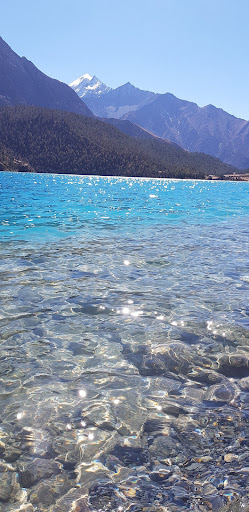
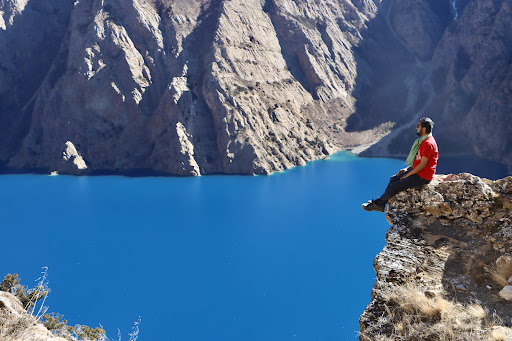
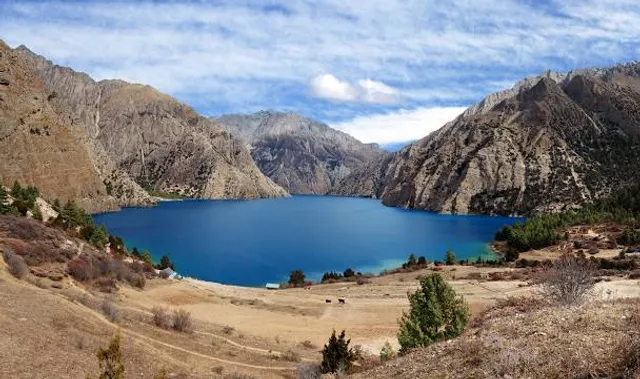
Geography The park's elevation varies from 2,130 m (6,990 ft) in the southeast near Ankhe to 6,883 m (22,582 ft) at the summit of Kanjiroba Himal at the southern edge of the Tibetan plateau. Phoksundo Lake at an elevation of 3,660 m (12,010 ft) in the upper reaches of the Suligad river is surrounded by glaciers and is known for its turquoise color.[1]

Phoksundo Lake has a water surface of 494 ha (1,220 acres), and was declared a Ramsar site in September 2007.[3] The lake is up to 145 m (476 ft) deep, measured using echo-sounding technology.[4]

The Langu river drains the high Dolpo plateau located in the north-east of the park. The Suligad and Jugdual rivers form the southern catchment flowing south into the Thuli Bheri River.[5]

Ecology Fauna 90 snow leopards, with a density of 2.21 snow leopards per 100 km2, were found during the study conducted from 2019 to 2022 by Department of National Parks and Wildlife Conservation, supported by the World Wildlife Fund (WWF).[6] Other endangered species found in the park include grey wolf, musk deer, blue sheep, goral, great Tibetan sheep, Himalayan tahr, leopard and Himalayan black bear.

Culture Several gompas are within the park including Shey Gompa, which was established in the 11th century.[1]

References Bhuju, U. R.; Shakya, P. R.; Basnet, T. B.; Shrestha, S. (2007). Nepal Biodiversity Resource Book. Protected Areas, Ramsar Sites, and World Heritage Sites (PDF). Kathmandu: International Centre for Integrated Mountain Development, Ministry of Environment, Science and Technology, in cooperation with United Nations Environment Programme, Regional Office for Asia and the Pacific. ISBN 978-92-9115-033-5. GoN/MoFSC /2014). Nepal Biodiversity Strategy and Action Plan 2014-2020. Government of Nepal, Ministry of Forests and Soil Conservation, Kathmandu, Nepal Bhandari, B. B. (2009). "Wise use of wetlands in Nepal". Banko Janakari. 19 (3): 10–17. Anonymous (2004). Rara is Nepal's deepest lake: Survey. Nepalnews.com Majupuria, T. C.; Kumar, R. (1998). Wildlife, National Parks and Reserves of Nepal. Bangkok: S. Devi, Saharanpur and Tecpress Books. ISBN 974-89833-5-8. "Ninety endangered snow leopards recorded in Shey-Phoksundo National Park". kathmandupost.com....

   Read more
avatar
5.0
29w

"Discovering Shey Phoksundo National Park: Nepal’s Remote Wilderness and Cultural Treasure" • Introduction: o Shey Phoksundo National Park, established in 1984, is Nepal’s largest national park, covering 3,555 km² in Dolpa and Mugu districts. Renowned for its remote wilderness, turquoise Phoksundo Lake, and Tibetan Buddhist culture, it’s a haven for adventurers and spiritual seekers. • Geographical Features : o Spans altitudes from 2,130 m to 6,885 m (Kanjirowa Himal). o Features Phoksundo Lake (Nepal’s deepest at 145 m), waterfalls, and rugged Trans-Himalayan landscapes. o Includes arid valleys, glacial rivers, and the Suligad River gorge. • Biodiversity: o Flora: Pine, juniper, and alpine meadows; rare medicinal herbs like yarsagumba. o Fauna: Snow leopards, blue sheep, musk deer, and over 200 bird species, including the Himalayan griffon. o Supports unique high-altitude ecosystems in a rain-shadow region.

• Tourism and Trekking: o Offers treks like the Upper Dolpo Trek and Phoksundo Lake Trek, known for challenging terrain and solitude. o Key attractions: Phoksundo Lake, Shey Gompa, and ancient Bon monasteries. o Basic teahouses available; restricted area permits cost $90 for 10 days.

• Socio-Cultural and Religious Significance o Home to Bon and Tibetan Buddhist communities with ancient monasteries like Shey Gompa. o The Crystal Mountain is a sacred pilgrimage site for Buddhists. o Festivals like Yartung celebrate local traditions, blending Bon and Buddhist practices.

• Climate Change Impact : o Glacial retreat and erratic snowfall threaten water sources and pastures. o Overgrazing and herb collection strain fragile ecosystems. o Community-led conservation promotes sustainable practices to mitigate impacts.

• Best Time to Visit: o Spring (Mar-May): Mild weather, blooming flora, clear trails. o Autumn (Sep-Nov): Stable conditions, ideal for trekking and views. o Monsoon (Jun-Aug) brings heavy rain, making access difficult.

• How to Get There: o Fly from Kathmandu to Nepalgunj, then Juphal (1.5 hrs total, ~$200-$300). o Trek from Juphal to Dunai (park entry, 2-3 hrs). o Restricted area permits required, obtainable in Kathmandu. • Final Thought: o Shey Phoksundo National Park is a remote paradise blending dramatic landscapes, rich biodiversity, and...

   Read more
avatar
5.0
7y

Shey Phoksundo National Park provides a diversity of spectacular landscapes and ranks among the most scenic mountain parks in the world. Much of the park lies north of the Himalayan crest. Elevations range from 2,130 m (6,990 ft) in the southeast near Ankhe to 6,883 m (22,582 ft) at the summit of Kanjiroba Himal, which lies at the southern edge of the Tibetan plateau. Phoksundo Lake lies at an elevation of 3,660 m (12,010 ft) in the upper reaches of the Suligad river. It is surrounded by glaciersand famous for its magnificent turquoise color. Near the lake’s outlet is the country’s highest waterfall.[1] Phoksundo Lake has a water surface of 494 ha (1,220 acres), and was declared a Ramsar site in September 2007.[3] The lake is up to 145 m (476 ft) deep, measured using echo-sounding technology.[4] The Langu river drains the high Dolpo plateau located in the north-east of the park. The Suligad and Jugdual rivers form the southern catchment flowing south into the Thuli Bheri river. Spanning the northern and southern aspects of the Himalayan crest, the park experiences a wide climatic range and lies in the transition zone from a monsoon dominated to an arid climate. Annual precipitation reaches 1,500 mm (59 in) in the south, whereas on northern slopes less than 500 mm (20 in) of rain falls. Most of the precipitation occurs during monsoon from July to September. The Dhaulagiri and Kanjiroba massifs form a massive barrier preventing most of the rain from reaching the Trans-Himalayan area. Winters are quite severe with frequent snowfalls above 2,500 m (8,200 ft) and temperatures remaining below freezing above 3,000 m (9,800 ft) through much...

   Read more
Page 1 of 7
Previous
Next