HTML SitemapExplore
Find Things to DoFind The Best Restaurants

Shuklaphanta National Park — Attraction in Sudurpashchim Province

Name
Shuklaphanta National Park
Description
Shuklaphanta National Park is a national park in the Terai of the Far-Western Region, Nepal, covering 305 km² of open grasslands, forests, riverbeds and tropical wetlands at an elevation of 174 to 1,386 m. It is bounded by the Mahakali river in the west and south.
Nearby attractions
Nearby restaurants
Nearby hotels
Related posts
Keywords
Shuklaphanta National Park tourism.Shuklaphanta National Park hotels.Shuklaphanta National Park bed and breakfast. flights to Shuklaphanta National Park.Shuklaphanta National Park attractions.Shuklaphanta National Park restaurants.Shuklaphanta National Park travel.Shuklaphanta National Park travel guide.Shuklaphanta National Park travel blog.Shuklaphanta National Park pictures.Shuklaphanta National Park photos.Shuklaphanta National Park travel tips.Shuklaphanta National Park maps.Shuklaphanta National Park things to do.
Shuklaphanta National Park things to do, attractions, restaurants, events info and trip planning
Shuklaphanta National Park
NepalSudurpashchim ProvinceShuklaphanta National Park

Basic Info

Shuklaphanta National Park

V743+5QF, 10400, Nepal
4.4(508)
Open 24 hours
Save
spot

Ratings & Description

Info

Shuklaphanta National Park is a national park in the Terai of the Far-Western Region, Nepal, covering 305 km² of open grasslands, forests, riverbeds and tropical wetlands at an elevation of 174 to 1,386 m. It is bounded by the Mahakali river in the west and south.

Outdoor
Adventure
Scenic
Family friendly
Off the beaten path
Pet friendly
attractions: , restaurants:
logoLearn more insights from Wanderboat AI.
Phone
+977 99-521309
Website
dnpwc.gov.np

Plan your stay

hotel
Pet-friendly Hotels in Sudurpashchim Province
Find a cozy hotel nearby and make it a full experience.
hotel
Affordable Hotels in Sudurpashchim Province
Find a cozy hotel nearby and make it a full experience.
hotel
The Coolest Hotels You Haven't Heard Of (Yet)
Find a cozy hotel nearby and make it a full experience.
hotel
Trending Stays Worth the Hype in Sudurpashchim Province
Find a cozy hotel nearby and make it a full experience.

Reviews

Get the Appoverlay
Get the AppOne tap to find yournext favorite spots!
Wanderboat LogoWanderboat

Your everyday Al companion for getaway ideas

CompanyAbout Us
InformationAI Trip PlannerSitemap
SocialXInstagramTiktokLinkedin
LegalTerms of ServicePrivacy Policy

Get the app

© 2025 Wanderboat. All rights reserved.

Posts

Bhupendra BadalBhupendra Badal
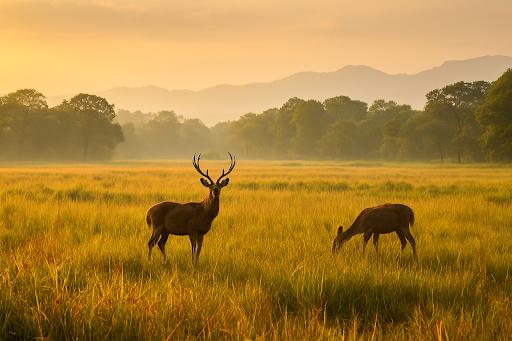
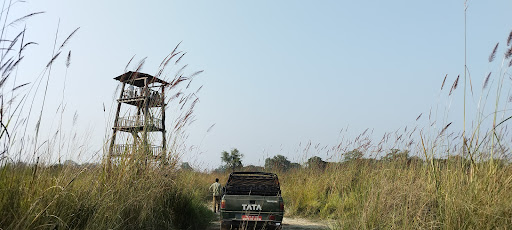
🦌 Travel Guide: Shuklaphanta National Park 📍 Location District: Kanchanpur, Sudurpashchim Province, Nepal Nearest City: Mahendranagar (Bhimdatta) – ~15 km away Border Access: Close to Banbasa (India–Nepal border) --- 🌿 Why Visit? Shuklaphanta is Nepal’s largest grassland national park, home to: 🦌 Swamp deer (barasingha) – the park shelters the largest population in Nepal. 🐅 Bengal tigers and leopards. 🦏 Occasional Indian one-horned rhinos and elephants. 🦜 Over 350 bird species, including the endangered Bengal florican. 🌳 Peaceful landscapes of sal forests, rivers, and wetlands. --- 🚶 Things to Do Jeep Safari: Spot deer, tigers, elephants, and more. Birdwatching: Especially rich during winter. Nature Walks: Guided treks through grassland and forest. Photography: Wide open grasslands are perfect for wildlife shots. Cultural Visits: Explore nearby Tharu villages for local traditions and food. --- 🌞 Best Time to Visit Nov – Feb: Pleasant weather, great for birdwatching. Mar – Apr: Best chance to spot big wildlife. Jun – Sep: Monsoon season, very green but fewer safaris. --- 🎟️ Entry Info Entry Gate: Majhgaon (main entrance) Permits: Nepali citizens – NPR 100 SAARC citizens – NPR 750 Foreigners – NPR 1,500 (approx.) Opening Hours: 6:00 AM – 6:00 PM (varies by season) --- 🛏️ Where to Stay Mahendranagar: Hotels and lodges with modern facilities. Near Park: Community homestays and eco-lodges for closer nature experience. --- 🚌 How to Get There By Road: From Kathmandu → ~12–14 hrs bus to Mahendranagar. From Dhangadhi → ~2 hrs by road. By Air: Kathmandu → Dhangadhi (1 hr flight) → drive to park. From India: Cross via Banbasa border (Uttarakhand) – very close. --- Nearby Attractions Bedkot Lake – serene freshwater lake surrounded by greenery. Linga Dham – natural Shiva linga formations, a pilgrimage spot. Dodhara–Chandani Suspension Bridge – one of Asia’s longest pedestrian bridges. --- ✅ Tip: Early morning and late afternoon safaris give the best chance of spotting wildlife. Carry binoculars and a good camera if you love birding.
Shankar BhattShankar Bhatt
Suklaphanta National Park offers an underrated, life-changing safari and sightseeing experience, unspoiled setting. A hidden gem for those seeking authentic nature encounters.
hotel
Find your stay

Pet-friendly Hotels in Sudurpashchim Province

Find a cozy hotel nearby and make it a full experience.

🦌 Travel Guide: Shuklaphanta National Park 📍 Location District: Kanchanpur, Sudurpashchim Province, Nepal Nearest City: Mahendranagar (Bhimdatta) – ~15 km away Border Access: Close to Banbasa (India–Nepal border) --- 🌿 Why Visit? Shuklaphanta is Nepal’s largest grassland national park, home to: 🦌 Swamp deer (barasingha) – the park shelters the largest population in Nepal. 🐅 Bengal tigers and leopards. 🦏 Occasional Indian one-horned rhinos and elephants. 🦜 Over 350 bird species, including the endangered Bengal florican. 🌳 Peaceful landscapes of sal forests, rivers, and wetlands. --- 🚶 Things to Do Jeep Safari: Spot deer, tigers, elephants, and more. Birdwatching: Especially rich during winter. Nature Walks: Guided treks through grassland and forest. Photography: Wide open grasslands are perfect for wildlife shots. Cultural Visits: Explore nearby Tharu villages for local traditions and food. --- 🌞 Best Time to Visit Nov – Feb: Pleasant weather, great for birdwatching. Mar – Apr: Best chance to spot big wildlife. Jun – Sep: Monsoon season, very green but fewer safaris. --- 🎟️ Entry Info Entry Gate: Majhgaon (main entrance) Permits: Nepali citizens – NPR 100 SAARC citizens – NPR 750 Foreigners – NPR 1,500 (approx.) Opening Hours: 6:00 AM – 6:00 PM (varies by season) --- 🛏️ Where to Stay Mahendranagar: Hotels and lodges with modern facilities. Near Park: Community homestays and eco-lodges for closer nature experience. --- 🚌 How to Get There By Road: From Kathmandu → ~12–14 hrs bus to Mahendranagar. From Dhangadhi → ~2 hrs by road. By Air: Kathmandu → Dhangadhi (1 hr flight) → drive to park. From India: Cross via Banbasa border (Uttarakhand) – very close. --- Nearby Attractions Bedkot Lake – serene freshwater lake surrounded by greenery. Linga Dham – natural Shiva linga formations, a pilgrimage spot. Dodhara–Chandani Suspension Bridge – one of Asia’s longest pedestrian bridges. --- ✅ Tip: Early morning and late afternoon safaris give the best chance of spotting wildlife. Carry binoculars and a good camera if you love birding.
Bhupendra Badal

Bhupendra Badal

hotel
Find your stay

Affordable Hotels in Sudurpashchim Province

Find a cozy hotel nearby and make it a full experience.

Get the Appoverlay
Get the AppOne tap to find yournext favorite spots!
Suklaphanta National Park offers an underrated, life-changing safari and sightseeing experience, unspoiled setting. A hidden gem for those seeking authentic nature encounters.
Shankar Bhatt

Shankar Bhatt

hotel
Find your stay

The Coolest Hotels You Haven't Heard Of (Yet)

Find a cozy hotel nearby and make it a full experience.

hotel
Find your stay

Trending Stays Worth the Hype in Sudurpashchim Province

Find a cozy hotel nearby and make it a full experience.

create-post
Turn your ideas into a post and inspire others!
Create

Reviews of Shuklaphanta National Park

4.4
(508)
avatar
4.0
7y

The Shuklaphanta National Park is a protected area in the Terai of the Far-Western Region, Nepal, covering 305 km2 (118 sq mi) of open grassland, forests, riverbeds and tropical wetlands at an altitude of 174 to 1,386 m (571 to 4,547 ft).1] It was gazetted in 1976 as Royal Shuklaphanta Wildlife Reserve. A small part of the reserve extends north of the East-West Highway to create a corridor for seasonal migration of wildlife into the Sivalik Hills. The Syali River forms the eastern boundary southward to the international border with India, which demarcates the reserve’s southern and western boundary.[2]

The Indian Tiger Reserve Kishanpur Wildlife Sanctuary is contiguous in the south; this coherent protected area of 439 km2 (169 sq mi) represents the Tiger Conservation Unit (TCU) Sukla Phanta-Kishanpur, which covers a 1.897 km2 (0.732 sq mi) block of alluvial grasslands and subtropical moist deciduous forests.[3]

The protected area is part of the Terai-Duar savanna and grasslands ecoregion and is one of the best-conserved examples of floodplain grassland.[4] It is included in the Terai Arc Landscape.The area was a favorite hunting ground for Nepal's ruling class and was declared a Royal Hunting Reserve in 1969. In 1973, the area was gazetted as Royal Sukla Phanta Wildlife Reserve, initially comprising 155 km2 (60 sq mi), and extended to its present size in the late 1980s.[6] A buffer zone of 243.5 km2 (94.0 sq mi) was added in May 2004.[1] In 2017, the status of the protected area was changed to a national park.

The name Suklaphanta was derived from one of the grasslands found inside the protected area.[7] The main grassland called Sukla Phanta is the largest patch of continuous grassland in Nepal covering an area of about 16 km2 (6.2 sq mi).[2]

The jungles of the Shuklaphanta National Park were once the site of an ancient kingdom. To this day, ruins of that kingdom can be seen in some places. Near Rani Tal, a lake in the reserve, there still remains a brick girdle, measuring 1,500 m (59,000 in) in circumference. It is considered by locals to be a remnant of the fort of Tharu king Singpal.[8]

Climate The climate of the region is subtropical monsoonal with mean annual rainfall of 1,579 mm (62.2 in) that occurs from June to September and is highest in August. The winter months of December and January are fairly cold with daytime temperatures of 7–12 °C (45–54 °F) and occasional frost. From February onwards temperatures rise up to 25 °C (77 °F) in March and reach 42 °C (108 °F) by end of April. When the first pre-monsoon rains reach the area in May, humidity increases.[6

Vegetation

Imperata cylindrica is one of the main grass species found in the park's phantas Some 700 species of flora are estimated in the park including 553 vascular plants, 18 pteridophytes, 410 dicots and 125 monocots.[1] Grassland constitutes almost half the reserve's vegetation. The main grass species are Imperata cylindrica and Heteropogon contortus. khagra reed (Phragmites karka) and Saccharum spontaneum grow in the marshes surrounding the seven small lakes. The dominant forest type is sal. Khair and sissoo grow alongside rivers. Grassland encroachment by tree and shrub saplings are major threats to the long-term existence of the main phantas. Trees outcompete any grasses growing under them, especially those that need plenty of sunlight. Tree seeds are dispersed all over the grasslands and generally germinate near existing trees. Additionally, trees encourage the growth of shade-loving grasses and inhibit growth of sun-loving species. This process of succession usually converts grassland into...

   Read more
avatar
5.0
31w

"Shuklaphanta National Park: Nepal’s Terai Treasure of Grasslands and Wildlife"

= Introduction

Located in the Terai region of far-western Nepal, established in 1976 as a wildlife reserve, upgraded to a national park in 2017. Covers 305 sq km in Kanchanpur district, extending to India’s border. Named after the vast Shukla Phanta grassland, the largest continuous grassland in Nepal’s Terai. Known for its rich biodiversity, especially swamp deer (barasingha) populations.

= Geographical Features

Flat Terai landscape with grasslands, wetlands, rivers, and sal forests. Key features: Shukla Phanta grassland, Rani Tal lake, Mahakali River. Elevation: 174–1,386 meters, with tropical and subtropical ecosystems. Borders India’s Dudhwa National Park, forming a transboundary conservation area.

= Biodiversity

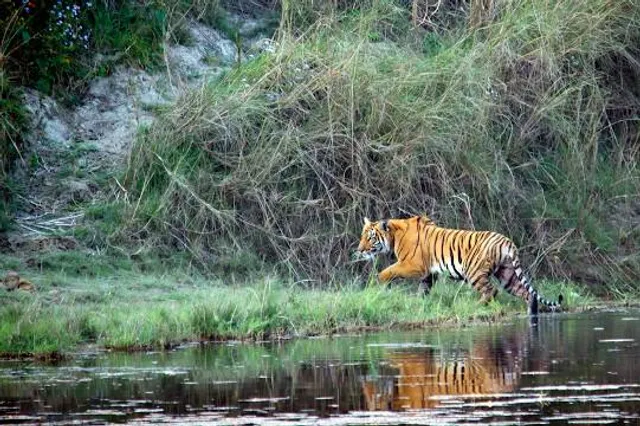
Flora: Sal forests, khair-sissoo forests, grasslands; supports tropical and subtropical vegetation Fauna: Large populations of swamp deer (largest in Nepal), Bengal tiger, Indian leopard, Asian elephant Other mammals: Spotted deer, hog deer, nilgai, wild boar, sloth bear Reptiles: Gharial, mugger crocodile, Indian rock python Birds: Over 424 species, including Bengal florican, sarus crane, white-rumped vulture, and migratory birds like great slaty woodpecker Notable for 10 of Nepal’s 12 protected bird species

= Tourism and Activities

Jungle Safaris: Jeep and elephant-back safaris for wildlife viewing. Birdwatching: Popular for rare and migratory species. Camping and Nature Walks: Guided tours in buffer zones. Cultural Sites: Nearby Tharu villages offer cultural experiences. Best Spots: Rani Tal for birdwatching, Shukla Phanta for deer spotting.

= Socio-Cultural Significance

Home to indigenous Tharu and other local communities. Tharu culture visible in traditional dances, festivals, and livelihoods. Buffer zone communities engaged in eco-tourism and conservation. Conservation efforts balance human-wildlife coexistence.

= Climate Change and Conservation Challenges

Threats: Poaching, human-wildlife conflict, grassland encroachment Climate impacts: Altered rainfall patterns, flooding risks to wetlands Conservation: Anti-poaching patrols, community-based programs, transboundary cooperation with India Recent success: Growing swamp deer and tiger populations

= Best Time to Visit

Autumn/Winter (Oct-Feb): Cool weather, clear skies, ideal for safaris and birdwatching Spring (Mar-May): Pleasant temperatures, blooming flora Monsoon (Jun-Sep): Heavy rains, flooding; limited access but lush greenery

= How to Get There

By Air: Fly from Kathmandu to Dhangadhi (1 hr), then drive to the park (1–1.5 hrs) By Road: From Kathmandu to Mahendranagar (12–14 hrs), then to park gate (30–45 mins) Local Access: Buses or private vehicles from Dhangadhi or Mahendranagar Permits: National Park entry permit (NPR 3,000 for foreigners, NPR 1,500 for SAARC)

= Final Thoughts

Pros: Rich biodiversity with rare species like swamp deer and Bengal florican Less crowded than Chitwan or Bardia, offering a peaceful experience Combines wildlife, birdwatching, and Tharu cultural immersion

-Cons: Limited tourist infrastructure (basic lodges, fewer luxury options) Remote location requires long travel...

   Read more

avatar
5.0
6y

Shuklaphanta National Park is a protected area in the Terai of the Far-Western Region, Nepal, covering 305 km2 (118 sq mi) of open grassland, forests, riverbeds and tropical wetlands at an altitude of 174 to 1,386 m (571 to 4,547 ft).[1] It was gazetted in 1976 as Royal Shuklaphanta Wildlife Reserve. A small part of the reserve extends north of the East-West Highway to create a corridor for seasonal migration of wildlife into the Sivalik Hills. The Syali River forms the eastern boundary southward to the international border with India, which demarcates the reserve’s southern and western boundary.[2]

Shuklaphanta National Park

IUCN category II (national park)


Rani Tal, a lake inside Shuklaphanta National Park


LocationNepal, Province No. 7Nearest cityBhimdattaCoordinates28°50′N 80°14′EArea305 km2 (118 sq mi)Established1976 as Wildlife Reserve, 2017 as National ParkGoverning bodyDepartment of National Parks and Wildlife Conservation

The Indian Tiger Reserve Kishanpur Wildlife Sanctuary is contiguous in the south; this coherent protected area of 439 km2(169 sq mi) represents the Tiger Conservation Unit (TCU) Sukla Phanta-Kishanpur, which covers a 1.897 km2 (0.732 sq mi) block of alluvial grasslands and subtropical moist deciduous forests.[3]

The protected area is part of the Terai-Duar savanna and grasslands ecoregion and is one of the best-conserved examples of floodplain grassland.[4] It is included in the Terai Arc Landscape.[5]

HistoryEdit

The area was a favorite hunting ground for Nepal's ruling class and was declared a Royal Hunting Reserve in 1969. In 1973, the area was gazetted as Royal Sukla Phanta Wildlife Reserve, initially comprising 155 km2(60 sq mi), and extended to its present size in the late 1980s.[6] A buffer zone of 243.5 km2(94.0 sq mi) was added in May 2004.[1] In 2017, the status of the protected area was changed to a national park.

The name Suklaphanta was derived from one of the grasslands found inside the protected area.[7] The main grassland called Sukla Phanta is the largest patch of continuous grassland in Nepal covering an area of about 16 km2 (6.2 sq mi).[2]

The jungles of the Shuklaphanta National Park were once the site of an ancient kingdom. To this day, ruins of that kingdom can be seen in some places. Near Rani Tal, a lake in the reserve, there still remains a brick girdle, measuring 1,500 m (59,000 in) in circumference. It is considered by locals to be a remnant of the fort...

   Read more
Page 1 of 7
Previous
Next