HTML SitemapExplore
logo
Find Things to DoFind The Best Restaurants

Cape Egmont Lighthouse — Attraction in North Island

Name
Cape Egmont Lighthouse
Description
Nearby attractions
Nearby restaurants
Nearby hotels
Related posts
🍽️📸 New Plymouth: A Winter Food
Keywords
Cape Egmont Lighthouse tourism.Cape Egmont Lighthouse hotels.Cape Egmont Lighthouse bed and breakfast. flights to Cape Egmont Lighthouse.Cape Egmont Lighthouse attractions.Cape Egmont Lighthouse restaurants.Cape Egmont Lighthouse travel.Cape Egmont Lighthouse travel guide.Cape Egmont Lighthouse travel blog.Cape Egmont Lighthouse pictures.Cape Egmont Lighthouse photos.Cape Egmont Lighthouse travel tips.Cape Egmont Lighthouse maps.Cape Egmont Lighthouse things to do.
Cape Egmont Lighthouse things to do, attractions, restaurants, events info and trip planning
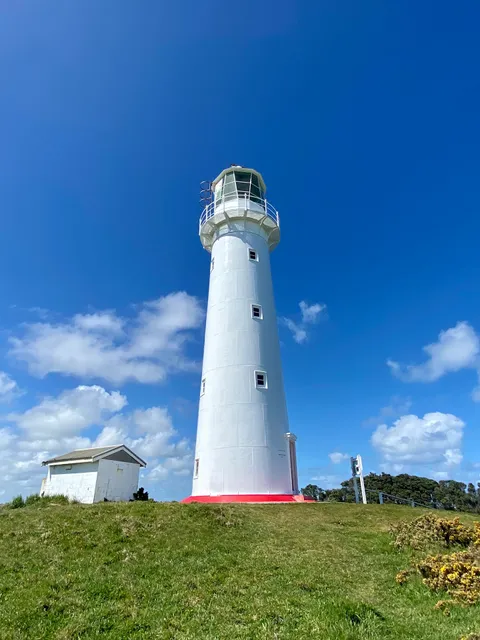
Cape Egmont Lighthouse
New ZealandTaranakiNorth IslandCape Egmont Lighthouse

Basic Info

Cape Egmont Lighthouse

377-379 Cape Road, Pungarehu 4685, New Zealand
4.3(369)
Open 24 hours
Save
spot

Ratings & Description

Info

Outdoor
Scenic
Cultural
Off the beaten path
attractions: , restaurants:
logoLearn more insights from Wanderboat AI.
Website
newzealand.com

Plan your stay

hotel
Pet-friendly Hotels in North Island
Find a cozy hotel nearby and make it a full experience.
hotel
Affordable Hotels in North Island
Find a cozy hotel nearby and make it a full experience.
hotel
The Coolest Hotels You Haven't Heard Of (Yet)
Find a cozy hotel nearby and make it a full experience.
hotel
Trending Stays Worth the Hype in North Island
Find a cozy hotel nearby and make it a full experience.

Reviews

Get the Appoverlay
Get the AppOne tap to find yournext favorite spots!
Wanderboat LogoWanderboat

Your everyday Al companion for getaway ideas

CompanyAbout Us
InformationAI Trip PlannerSitemap
SocialXInstagramTiktokLinkedin
LegalTerms of ServicePrivacy Policy

Get the app

© 2025 Wanderboat. All rights reserved.
logo

Posts

🍽️📸 New Plymouth: A Winter Food
Martina AliceMartina Alice
🍽️📸 New Plymouth: A Winter Food
Sudesh SilvaSudesh Silva
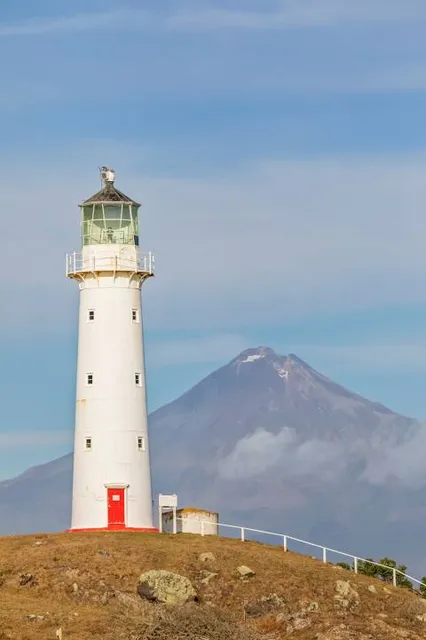
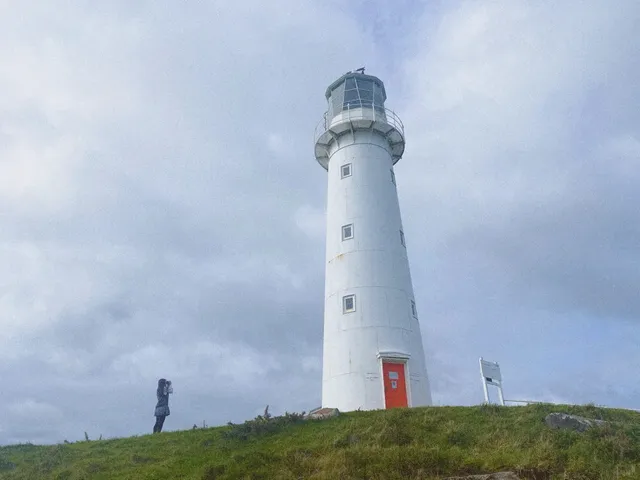
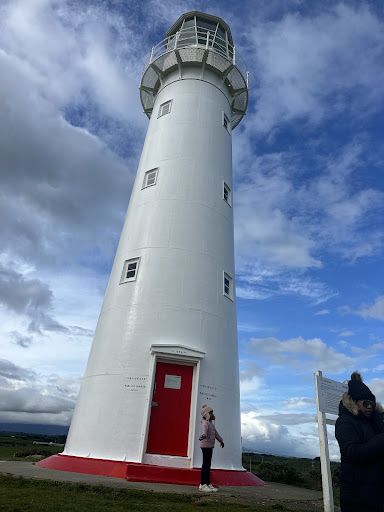
By day, the Cape Egmont Lighthouse visibly marks the western-most point of the Taranaki coast. By night, it flashes white light once every eight seconds, telling ships up to 22 nautical miles away exactly where they are. The lighthouse was built in London in the mid-1800s. In 1865, the cast-iron segments were shipped to New Zealand and assembled on Mana Island, north of Wellington. However, this spot proved unsatisfactory. Several shipping accidents later, it was thought that the Mana light was being confused with the lighthouse at Wellington Heads. In 1881, the tower was dismantled and carried in sections to Cape Egmont. The huge, cast iron sections would have been ferried ashore by surfboats, then dragged up to the site by bullock teams. Just a few miles away was the settlement of Parihaka, which at the time was the centre of a Maori non-violent movement led by Te Whiti O Rongomai and Tohu Kakahi. Using passive, but effective, resistance the people of Parihaka managed to delay the erection of the lighthouse. In reply, the colonial authorities stationed about 40 members of the Armed Constabulary at the tower to ensure its completion. The light finally shone on 1 August 1881. To find the lighthouse, which was automated in 1986, follow State Highway 45 to Pungarehu. Just south of town, turn right on Cape Road. Drive five kilometres to the lighthouse which is at the end of the road.
W R EdwardsW R Edwards
Cape Egmont lighthouse was officially lit on August 1,1881. Built in London, in 1865 the cast-iron segments were shipped to New Zealand and originally assembled on Mana Island, north of Wellington. The lighthouse was originally installed near Wellington before being moved to Taranaki in 1881. Its reconstruction was delayed by the passive resistance movement at nearby Parihaka, in protest at the confiscation of their Maori lands. On 14 July 1956, the vessel Calm grounded off the cape during a gale. As a result of an inquiry, a permanent keeper was placed back on the station. Keepers then remained at Cape Egmont Lighthouse until the light was automated in 1986. Officially, there are 23 lighthouses around the coastline of New Zealand with a further 75 mini-lighthouses (known as light beacons) around the country. These days the light beams are remotely operated from Wellington by Maritime NZ, and they still provide an important role protecting NZ's 15,000km of coastline.
See more posts
See more posts
hotel
Find your stay

Pet-friendly Hotels in North Island

Find a cozy hotel nearby and make it a full experience.

🍽️📸 New Plymouth: A Winter Food
Martina Alice

Martina Alice

hotel
Find your stay

Affordable Hotels in North Island

Find a cozy hotel nearby and make it a full experience.

Get the Appoverlay
Get the AppOne tap to find yournext favorite spots!
By day, the Cape Egmont Lighthouse visibly marks the western-most point of the Taranaki coast. By night, it flashes white light once every eight seconds, telling ships up to 22 nautical miles away exactly where they are. The lighthouse was built in London in the mid-1800s. In 1865, the cast-iron segments were shipped to New Zealand and assembled on Mana Island, north of Wellington. However, this spot proved unsatisfactory. Several shipping accidents later, it was thought that the Mana light was being confused with the lighthouse at Wellington Heads. In 1881, the tower was dismantled and carried in sections to Cape Egmont. The huge, cast iron sections would have been ferried ashore by surfboats, then dragged up to the site by bullock teams. Just a few miles away was the settlement of Parihaka, which at the time was the centre of a Maori non-violent movement led by Te Whiti O Rongomai and Tohu Kakahi. Using passive, but effective, resistance the people of Parihaka managed to delay the erection of the lighthouse. In reply, the colonial authorities stationed about 40 members of the Armed Constabulary at the tower to ensure its completion. The light finally shone on 1 August 1881. To find the lighthouse, which was automated in 1986, follow State Highway 45 to Pungarehu. Just south of town, turn right on Cape Road. Drive five kilometres to the lighthouse which is at the end of the road.
Sudesh Silva

Sudesh Silva

hotel
Find your stay

The Coolest Hotels You Haven't Heard Of (Yet)

Find a cozy hotel nearby and make it a full experience.

hotel
Find your stay

Trending Stays Worth the Hype in North Island

Find a cozy hotel nearby and make it a full experience.

Cape Egmont lighthouse was officially lit on August 1,1881. Built in London, in 1865 the cast-iron segments were shipped to New Zealand and originally assembled on Mana Island, north of Wellington. The lighthouse was originally installed near Wellington before being moved to Taranaki in 1881. Its reconstruction was delayed by the passive resistance movement at nearby Parihaka, in protest at the confiscation of their Maori lands. On 14 July 1956, the vessel Calm grounded off the cape during a gale. As a result of an inquiry, a permanent keeper was placed back on the station. Keepers then remained at Cape Egmont Lighthouse until the light was automated in 1986. Officially, there are 23 lighthouses around the coastline of New Zealand with a further 75 mini-lighthouses (known as light beacons) around the country. These days the light beams are remotely operated from Wellington by Maritime NZ, and they still provide an important role protecting NZ's 15,000km of coastline.
W R Edwards

W R Edwards

See more posts
See more posts

Reviews of Cape Egmont Lighthouse

4.3
(369)
avatar
5.0
24w

Located in a quite serene and tranquil landscape, Cape Egmont lighthouse stands as a prominent west coast landmark on the rugged Taranaki coastline, about seven kilometres away from Pungarehu on the state highway 45. Its flashing white light, once every eight seconds, guide ships up to 19 nautical miles away.

This distinctive cast-iron tower, reaching 20 meters in height, has a rich and migratory history. Originally manufactured in London in 1864, the lighthouse was first assembled on Mana Island near Wellington in 1865. However, its position proved problematic, often confused with the nearby Pencarrow Headlight, leading to several shipping accidents. Consequently, in 1877, the decision was made to dismantle the lighthouse and relocate it to a new site at cape Egmont.

The massive cast-iron segments were painstakingly transported by surfboats and then carted by bullock teams. The light finally shone at its new home on August 1, 1881. But it had been somewhat chaotic scenario in the early years by the presence of armed battalion stationed at the lighthouse due to the Taranaki land wars. It also underwent a period of resistance from the nearby Māori settlement of Parihaka, who opposed its construction. There had been records of lighthouse keepers constantly disobeying the army commanders controlling the area too.

The lighthouse was electrified in 1951, initially by diesel generators and in 1957 connected to the mains power. It was fully automated in 1986, and the original lens is now housed in a replica tower at the nearby Cape Egmont Boating Club, which also serves as a museum, offering visitors a deeper insight into the lighthouse's fascinating past and Taranaki's maritime heritage.

This lighthouse is surrounded by private lands so please take care and respect their privacy. There is a public carpark at the end of the road, few metres away from the light house. Please note there are no toilet facilities and camping or overnight stays...

   Read more
avatar
5.0
1y

By day, the Cape Egmont Lighthouse visibly marks the western-most point of the Taranaki coast. By night, it flashes white light once every eight seconds, telling ships up to 22 nautical miles away exactly where they are.

The lighthouse was built in London in the mid-1800s. In 1865, the cast-iron segments were shipped to New Zealand and assembled on Mana Island, north of Wellington. However, this spot proved unsatisfactory. Several shipping accidents later, it was thought that the Mana light was being confused with the lighthouse at Wellington Heads.

In 1881, the tower was dismantled and carried in sections to Cape Egmont. The huge, cast iron sections would have been ferried ashore by surfboats, then dragged up to the site by bullock teams.

Just a few miles away was the settlement of Parihaka, which at the time was the centre of a Maori non-violent movement led by Te Whiti O Rongomai and Tohu Kakahi.

Using passive, but effective, resistance the people of Parihaka managed to delay the erection of the lighthouse. In reply, the colonial authorities stationed about 40 members of the Armed Constabulary at the tower to ensure its completion. The light finally shone on 1 August 1881.

To find the lighthouse, which was automated in 1986, follow State Highway 45 to Pungarehu. Just south of town, turn right on Cape Road. Drive five kilometres to the lighthouse which is at the end...

   Read more
avatar
4.0
1y

Cape Egmont lighthouse was officially lit on August 1,1881.

Built in London, in 1865 the cast-iron segments were shipped to New Zealand and originally assembled on Mana Island, north of Wellington.

The lighthouse was originally installed near Wellington before being moved to Taranaki in 1881. Its reconstruction was delayed by the passive resistance movement at nearby Parihaka, in protest at the confiscation of their Maori lands.

On 14 July 1956, the vessel Calm grounded off the cape during a gale. As a result of an inquiry, a permanent keeper was placed back on the station. Keepers then remained at Cape Egmont Lighthouse until the light was automated in 1986.

Officially, there are 23 lighthouses around the coastline of New Zealand with a further 75 mini-lighthouses (known as light beacons) around the country.

These days the light beams are remotely operated from Wellington by Maritime NZ, and they still provide an important role protecting NZ's 15,000km...

   Read more
Page 1 of 7
Previous
Next