HTML SitemapExplore
logo
Find Things to DoFind The Best Restaurants

Tongariro National Park — Attraction in North Island

Name
Tongariro National Park
Description
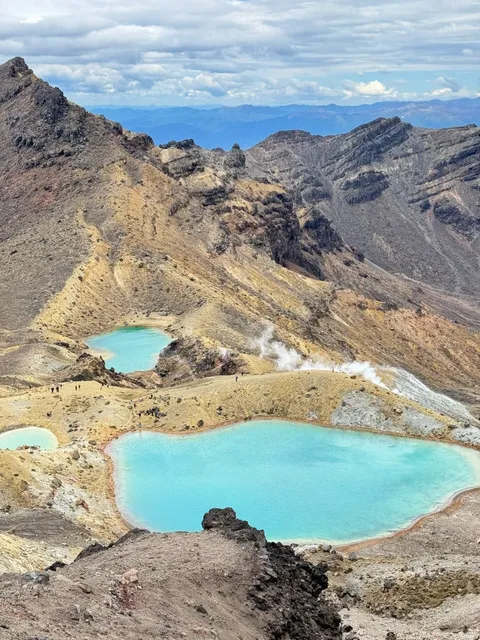
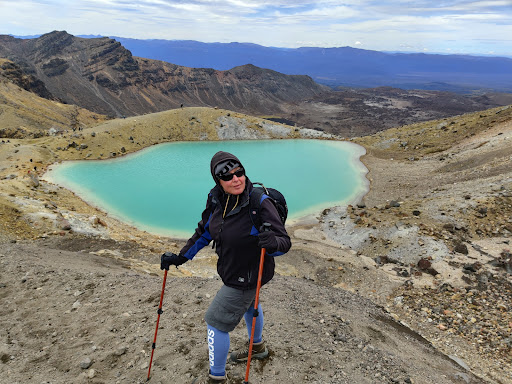
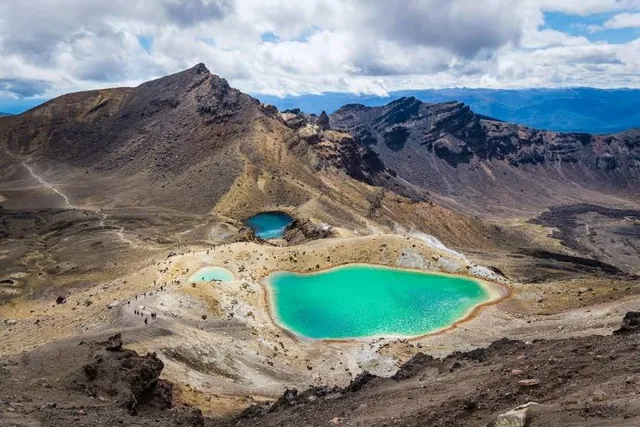
Tongariro National Park is on New Zealand's North Island. The park has 3 active volcanoes: Tongariro, Ngauruhoe (Mount Doom in “The Lord of the Rings" films) and Ruapehu with its ski slopes. The Tongariro Alpine Crossing trail passes the Emerald Lakes and boiling mud pools, culminating at still-active Red Crater. Park wildlife includes the brown kiwi and the whio, or blue duck. Tongariro River has rapids and trout.
Nearby attractions
Nearby restaurants
Nearby hotels
Related posts
New Zealand | Tongariro Alpine Crossing 🌋🇳🇿 New Zealand · Taupō|2 Days of Magical Reality 🌋✨
Keywords
Tongariro National Park tourism.Tongariro National Park hotels.Tongariro National Park bed and breakfast. flights to Tongariro National Park.Tongariro National Park attractions.Tongariro National Park restaurants.Tongariro National Park travel.Tongariro National Park travel guide.Tongariro National Park travel blog.Tongariro National Park pictures.Tongariro National Park photos.Tongariro National Park travel tips.Tongariro National Park maps.Tongariro National Park things to do.
Tongariro National Park things to do, attractions, restaurants, events info and trip planning
Tongariro National Park
New ZealandManawatū-WhanganuiNorth IslandTongariro National Park

Basic Info

Tongariro National Park

Manawatū-Whanganui Region 4691, New Zealand
4.8(2.6K)
Open 24 hours
Save
spot

Ratings & Description

Info

Tongariro National Park is on New Zealand's North Island. The park has 3 active volcanoes: Tongariro, Ngauruhoe (Mount Doom in “The Lord of the Rings" films) and Ruapehu with its ski slopes. The Tongariro Alpine Crossing trail passes the Emerald Lakes and boiling mud pools, culminating at still-active Red Crater. Park wildlife includes the brown kiwi and the whio, or blue duck. Tongariro River has rapids and trout.

Outdoor
Adventure
Family friendly
attractions: , restaurants:
logoLearn more insights from Wanderboat AI.
Phone
+64 7 892 3729
Website
doc.govt.nz

Plan your stay

hotel
Pet-friendly Hotels in North Island
Find a cozy hotel nearby and make it a full experience.
hotel
Affordable Hotels in North Island
Find a cozy hotel nearby and make it a full experience.
hotel
The Coolest Hotels You Haven't Heard Of (Yet)
Find a cozy hotel nearby and make it a full experience.
hotel
Trending Stays Worth the Hype in North Island
Find a cozy hotel nearby and make it a full experience.

Reviews

Get the Appoverlay
Get the AppOne tap to find yournext favorite spots!
Wanderboat LogoWanderboat

Your everyday Al companion for getaway ideas

CompanyAbout Us
InformationAI Trip PlannerSitemap
SocialXInstagramTiktokLinkedin
LegalTerms of ServicePrivacy Policy

Get the app

© 2025 Wanderboat. All rights reserved.
logo

Reviews of Tongariro National Park

4.8
(2,639)
avatar
5.0
4y

The benign Tongariro Alpine Crossing is a challenging 19.4km day hike. This is due  to the extreme alpine weather, terrain and the long distance, which  has resulted in the track having the highest number of search and rescues in New Zealand.  People simply get lost or tired (hypothermia) because of poor visibility and treachous weather conditions - basically get stuck up in the mountain.

This does not include another separate list for the majority of injuries that occur as people descend about 150 to 200 metres off Red Crater, and most of that are people slipping, tripping and falling, and hurting themselves in some way. It is a hellish descent through really loose volcanic gravel, sand and rock. I hate to think what it is like on a rainy day.

There are old mountaineers and bold mountaineers but not both. The Alpine Crossing's most telling statistic for fatalities is deaths,  88% were male. Don't be so reckless; respect mother nature,  she doesn't like that kind of behaviour.

Be prepared to turn back.

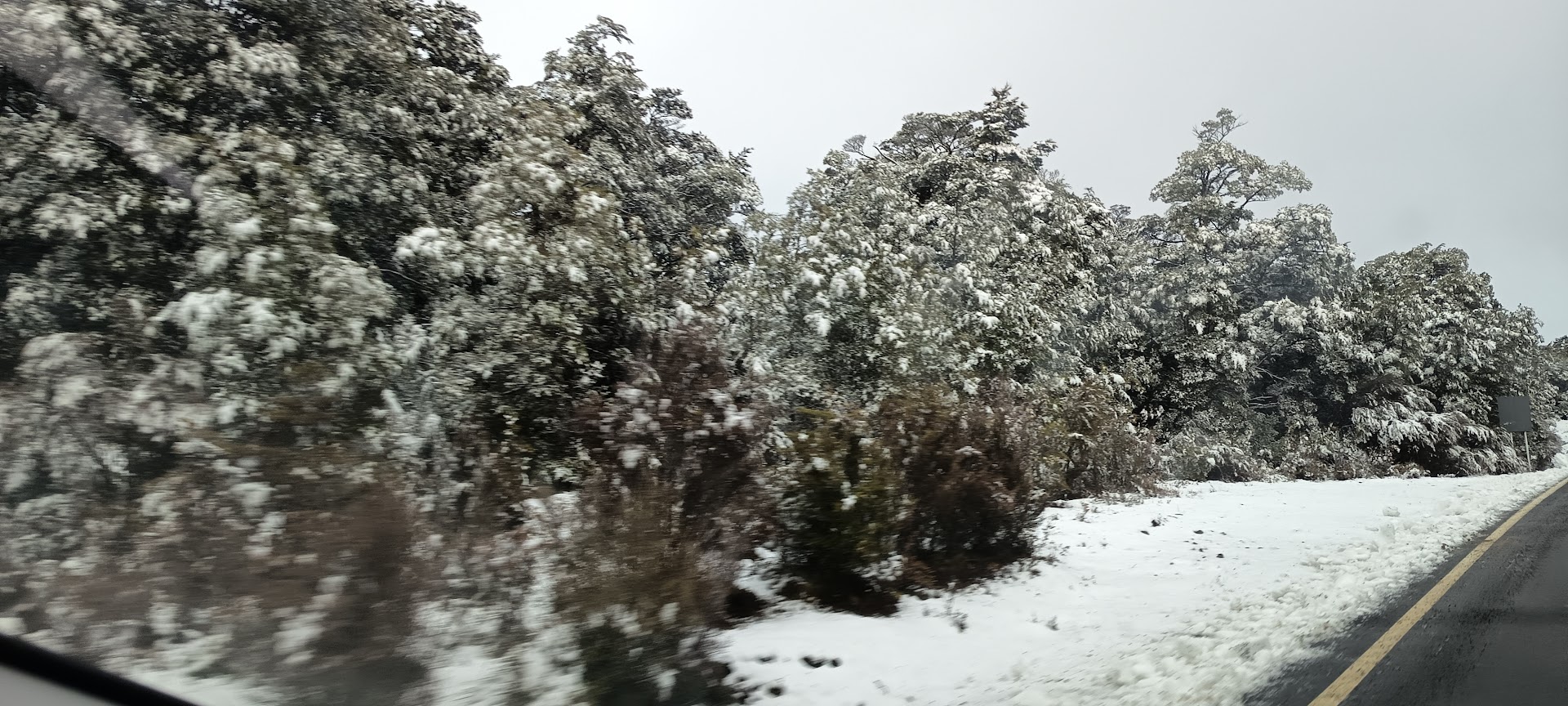
The alpine weather is often more extreme and catches people out completely. Be prepared for cold, wet, snow,  icy, or windy weather at any time of year.

Every 150 metres you climb up, you lose one degree Celsius, so if you're climbing 1000 meters you're going to drop seven degrees. The summit peaks at 1,886 metres for Tongariro.

At the top  the wind was howling like a jet engine. Not many people that I observed, dawdle at the summit. The sensation  you feel, is that wind is going to blow you off the side of the mountain, down  a very steep cliff.

There are a number of steam vents present, particularly around the popular Emerald Lakes area.

Steam vents should not be approached as they can be very hot and the ground unstable. You can get second degree burns or worse.

Finally, I am not going to sugar coat this hike. The first thing told to me by the mountain guide is don't drink any of the water. There is no drinkable water on the mountain, if you do drink the water you will get stomach cramps, diarrhea and dysentery.

The second thing told to me was "stay safe", the third thing was "did I have enough water?". The recommended amount to take is 3 litres of water. I drank 4.5 litres of water on the mountain. You just want to drink and drink the whole time you are on the mountain, as your body gets dehydrated as you sweat so much.

It is half a marathon to traverse the mountain.   Most people will get blisters on their toes and soles of your feet, if they are not use to it. Wear two pairs of socks. Take some band aid plasters tough strips that are waterproof.  Check your feet at the Emerald Lakes area. Your feet will thank you later.

Earlier, I had done three mountain hikes to build up stamina and endurance. This mountain hike was in a completely different ballpark  because of the long distance.

I got muscle leg cramps high up in the mountain. Then your body starts to shut down as your legs get stiff from fatigue.

In the immortal words of Sir Edmund Hillary when he climbed Mt Everest, "we knocked the...

   Read more
avatar
5.0
6y

Ahh the Tongariro Crossing was so very amazing. So i booked the shuttle which picks up from Taupo at 5:20am and so you begin the walk at 7am. It then picks you up from 2pm which was really good. The weather was thankfully really good the day we went. It takes a while to get to those cherished green lakes though, i hiked pretty decently paced and got to them at around 10am. Now getting down the other side of the peak is where the lakes are its steep and very difficult to keep balanced, you will need decent walking shoes or hiking boots. Some people went doen on their bums and slid - which i did for parts that were too steep. Now the green lakes you may think is near the end of the walk but its only just under half way. When you finish the green lakes and walk out of the crater there is another 10km of endless walking with not much to see, to get out, when you get to the rainforest area you are near the end. Also there is no toilet paper in the toilets in the middle of the climb, the ones at the beginning and end of the hike have paper but the others do not so bring some. Also no hand wash or any thing so bear this in mind. There are plenty of areas to take wonderful pictures. Take lots of water 3 liters per person. I also took a lot of nut based snacks for energy and baby wipes to refresh at the end. You will need tonnes of sunscreen, sunglasses and a hat. It was cold in the morning but after the sun gets to 11am i had stripped off all layers as the heat was intense. It was fantastic though. So worth it. Literally amazing when i look back at it. Also my phone said i had walked 22km after the hike not 19km so u sure how accurate...

   Read more
avatar
4.0
1y

Tongariro National Park, located in the North Island of New Zealand, is a breathtaking destination that offers a myriad of natural wonders and outdoor adventures. As one of the oldest national parks in the world and a UNESCO World Heritage Site, Tongariro boasts stunning landscapes, including active volcanoes, alpine meadows, and turquoise lakes.

The park is renowned for its diverse range of hiking trails, catering to all levels of fitness and experience. The most famous of these is the Tongariro Alpine Crossing, a challenging but rewarding day hike that takes you through volcanic terrain, past steaming vents, and alongside emerald lakes. The scenery along the way is simply awe-inspiring, with panoramic views of the surrounding mountains and valleys.

In addition to hiking, Tongariro National Park offers opportunities for skiing, snowboarding, and mountaineering in the winter months. The park is also rich in Maori cultural significance, with sacred sites and legends adding depth to the visitor experience.

Accommodation options in the park range from campsites to luxury lodges, ensuring that there's something to suit every traveler's preferences and budget. However, it's worth noting that booking accommodation well in advance, especially during the peak season, is advisable.

Overall, Tongariro National Park is a must-visit destination for nature lovers and outdoor enthusiasts alike. Its stunning beauty, diverse landscapes, and rich cultural heritage make it a truly...

   Read more
Page 1 of 7
Previous
Next

Posts

 New Zealand | Tongariro Alpine Crossing 🌋
Chiara De LucaChiara De Luca
New Zealand | Tongariro Alpine Crossing 🌋
🇳🇿 New Zealand · Taupō|2 Days of Magical Reality 🌋✨
Camille BiancaCamille Bianca
🇳🇿 New Zealand · Taupō|2 Days of Magical Reality 🌋✨
W R EdwardsW R Edwards
The benign Tongariro Alpine Crossing is a challenging 19.4km day hike. This is due  to the extreme alpine weather, terrain and the long distance, which  has resulted in the track having the highest number of search and rescues in New Zealand.  People simply get lost or tired (hypothermia) because of poor visibility and treachous weather conditions - basically get stuck up in the mountain. This does not include another separate list for the majority of injuries that occur as people descend about 150 to 200 metres off Red Crater, and most of that are people slipping, tripping and falling, and hurting themselves in some way. It is a hellish descent through really loose volcanic gravel, sand and rock. I hate to think what it is like on a rainy day. There are old mountaineers and bold mountaineers but not both. The Alpine Crossing's most telling statistic for fatalities is deaths,  88% were male. Don't be so reckless; respect mother nature,  she doesn't like that kind of behaviour. Be prepared to turn back. The alpine weather is often more extreme and catches people out completely. Be prepared for cold, wet, snow,  icy, or windy weather at any time of year. Every 150 metres you climb up, you lose one degree Celsius, so if you're climbing 1000 meters you're going to drop seven degrees. The summit peaks at 1,886 metres for Tongariro. At the top  the wind was howling like a jet engine. Not many people that I observed, dawdle at the summit. The sensation  you feel, is that wind is going to blow you off the side of the mountain, down  a very steep cliff. There are a number of steam vents present, particularly around the popular Emerald Lakes area. Steam vents should not be approached as they can be very hot and the ground unstable. You can get second degree burns or worse. Finally, I am not going to sugar coat this hike. The first thing told to me by the mountain guide is don't drink any of the water. There is no drinkable water on the mountain, if you do drink the water you will get stomach cramps, diarrhea and dysentery. The second thing told to me was "stay safe", the third thing was "did I have enough water?". The recommended amount to take is 3 litres of water. I drank 4.5 litres of water on the mountain. You just want to drink and drink the whole time you are on the mountain, as your body gets dehydrated as you sweat so much. It is half a marathon to traverse the mountain.   Most people will get blisters on their toes and soles of your feet, if they are not use to it. Wear two pairs of socks. Take some band aid plasters tough strips that are waterproof.  Check your feet at the Emerald Lakes area. Your feet will thank you later. Earlier, I had done three mountain hikes to build up stamina and endurance. This mountain hike was in a completely different ballpark  because of the long distance. I got muscle leg cramps high up in the mountain. Then your body starts to shut down as your legs get stiff from fatigue. In the immortal words of Sir Edmund Hillary when he climbed Mt Everest, "we knocked the bastard off."
See more posts
See more posts
hotel
Find your stay

Pet-friendly Hotels in North Island

Find a cozy hotel nearby and make it a full experience.

New Zealand | Tongariro Alpine Crossing 🌋
Chiara De Luca

Chiara De Luca

hotel
Find your stay

Affordable Hotels in North Island

Find a cozy hotel nearby and make it a full experience.

Get the Appoverlay
Get the AppOne tap to find yournext favorite spots!
🇳🇿 New Zealand · Taupō|2 Days of Magical Reality 🌋✨
Camille Bianca

Camille Bianca

hotel
Find your stay

The Coolest Hotels You Haven't Heard Of (Yet)

Find a cozy hotel nearby and make it a full experience.

hotel
Find your stay

Trending Stays Worth the Hype in North Island

Find a cozy hotel nearby and make it a full experience.

The benign Tongariro Alpine Crossing is a challenging 19.4km day hike. This is due  to the extreme alpine weather, terrain and the long distance, which  has resulted in the track having the highest number of search and rescues in New Zealand.  People simply get lost or tired (hypothermia) because of poor visibility and treachous weather conditions - basically get stuck up in the mountain. This does not include another separate list for the majority of injuries that occur as people descend about 150 to 200 metres off Red Crater, and most of that are people slipping, tripping and falling, and hurting themselves in some way. It is a hellish descent through really loose volcanic gravel, sand and rock. I hate to think what it is like on a rainy day. There are old mountaineers and bold mountaineers but not both. The Alpine Crossing's most telling statistic for fatalities is deaths,  88% were male. Don't be so reckless; respect mother nature,  she doesn't like that kind of behaviour. Be prepared to turn back. The alpine weather is often more extreme and catches people out completely. Be prepared for cold, wet, snow,  icy, or windy weather at any time of year. Every 150 metres you climb up, you lose one degree Celsius, so if you're climbing 1000 meters you're going to drop seven degrees. The summit peaks at 1,886 metres for Tongariro. At the top  the wind was howling like a jet engine. Not many people that I observed, dawdle at the summit. The sensation  you feel, is that wind is going to blow you off the side of the mountain, down  a very steep cliff. There are a number of steam vents present, particularly around the popular Emerald Lakes area. Steam vents should not be approached as they can be very hot and the ground unstable. You can get second degree burns or worse. Finally, I am not going to sugar coat this hike. The first thing told to me by the mountain guide is don't drink any of the water. There is no drinkable water on the mountain, if you do drink the water you will get stomach cramps, diarrhea and dysentery. The second thing told to me was "stay safe", the third thing was "did I have enough water?". The recommended amount to take is 3 litres of water. I drank 4.5 litres of water on the mountain. You just want to drink and drink the whole time you are on the mountain, as your body gets dehydrated as you sweat so much. It is half a marathon to traverse the mountain.   Most people will get blisters on their toes and soles of your feet, if they are not use to it. Wear two pairs of socks. Take some band aid plasters tough strips that are waterproof.  Check your feet at the Emerald Lakes area. Your feet will thank you later. Earlier, I had done three mountain hikes to build up stamina and endurance. This mountain hike was in a completely different ballpark  because of the long distance. I got muscle leg cramps high up in the mountain. Then your body starts to shut down as your legs get stiff from fatigue. In the immortal words of Sir Edmund Hillary when he climbed Mt Everest, "we knocked the bastard off."
W R Edwards

W R Edwards

See more posts
See more posts