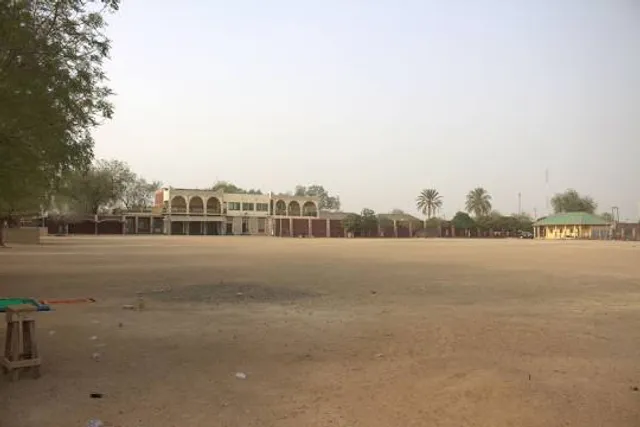
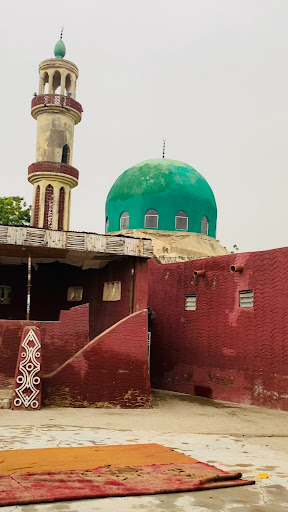
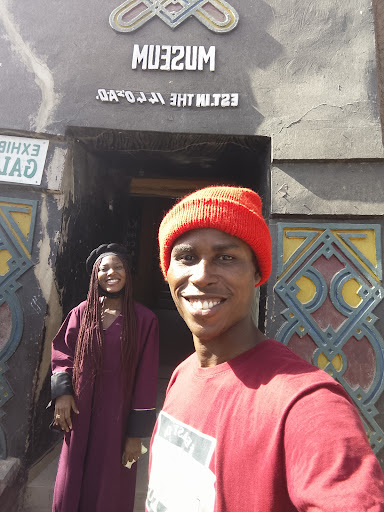
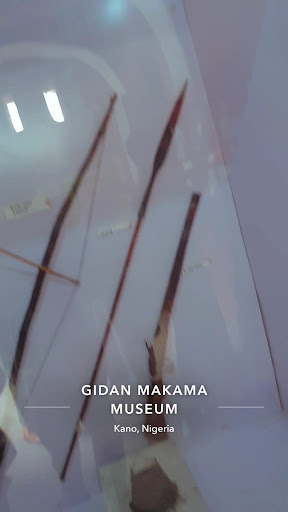
A brief history of Gidan Makama Museum Kano State, Nigeria. This building served as temporary palace of Kano before the current palace. Gidan Rumfa was constructed in the 15th century, The museum has a significant collections of arts, crafts and items of historic interest related to the Kano area. Located in a 15th-century historical building, which is recognised as a National Monument by the Government of Nigeria.
The museum is divided into eleven galleries, each with their own centre of focus. Galleries include the Zaure or the main entrance hall with displays of traditional materials, city walls and maps of Kano, the history of statehood, Kano in the 19th century, the Civil War, economy, industry and music. An open space inside the museum acts as a performance stage for a Koroso dance and drama group.
The house was originally built in the 15th century for Muhammad Rumfa then the young grandchild of the monarch who had just been appointed Makama Kano, a traditional title in Kano. Rumfa later became King of Kano and then moved to a new palace but subsequent Makamas lived in the building. After the British capture of Kano in 1903, the place briefly served as an office for the colonial officers in Kano. The structure was later divided into three parts. One section became a museum ran by the Department of Antiquities, another became a primary school and a third maintained the original intention as a residential building. Gidan Makama is now part of museums under management of the National Commission of Museums and Monuments and one of the old structures visualise traditional Hausa architecture. The structure originally contained mud walls typical of the period but in later years some modern renovation work has taken place.
Like i said earlier the museum has 11 galleries each containing materials, artifacts and pictures representing the historical heritage of the people.
1st gallery is about Hausa traditional architecture and includes building materials used by the people of Kano.
2nd gallery has the Kofar kabuga gates through which the British entered and subsequently captured Kano; it also has a map showing the walls of Kano
3rd gallery exhibits a traditional religious history of Kano in pictures and the story of the early invaders of Kano led by Bagauda
4th depicts the Fulani influenced history of Kano starting from the 19th century
5th gallery tells the story of Kano Civil war
6th gallery tells the story of old Kano economy and Durbar
7th gallery has the colonial period and pictorial history of 20th century political figures
8th includes the Islamic heritage of the people of Kano
9th shows various occupations of the people of Kano and includes farm instruments, basketwork and textiles
10th has music instruments
11th depicts the traditional Hausa bride's room.
Hope these would be useful to students who are interested in studying history
But im...
Read more
 Learn more insights from Wanderboat AI.