The Aqueduct of Skopje, while an impressive historical structure, unfortunately falls short of expectations due to its poor state of preservation and surroundings, warranting only a 2-star rating.
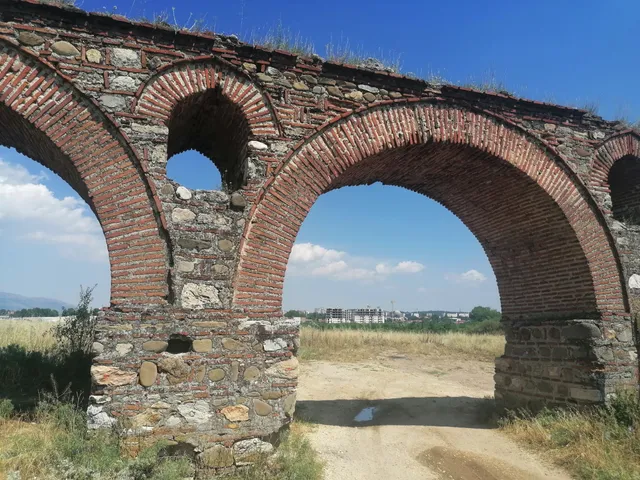
The aqueduct itself is undeniably a remarkable piece of ancient engineering, showcasing the architectural prowess of its time. Its sheer scale and the fact that it has survived for centuries are testament to its historical significance. However, the overall experience of visiting this site is severely compromised by several factors.
The most glaring issue is the deplorable condition of the area surrounding the aqueduct. Distressingly, the site has become something of a dumping ground, with litter and waste scattered around, creating an unsightly and unhygienic environment. This neglect not only detracts from the visual appeal of the monument but also raises concerns about the respect given to such an important historical landmark.
Furthermore, the aqueduct itself appears to be poorly maintained. The lack of proper care and preservation efforts is evident, potentially putting the structure at risk of further deterioration. There seems to be little done to protect or showcase this piece of history, leaving visitors to imagine what it might have looked like in its prime.
The absence of informational signage or guides compounds the disappointment. Visitors are left with little context about the aqueduct's history, purpose, or significance, missing out on an educational opportunity that could have enriched the experience.
While the aqueduct itself is undoubtedly impressive, the current state of the site makes it difficult to recommend as a must-see attraction. The journey to reach it doesn't feel justified given the underwhelming and somewhat disheartening experience upon arrival. Until significant improvements are made in terms of site maintenance, cleanliness, and visitor information, potential visitors might want to reconsider making the trip, despite the aqueduct's inherent historical...
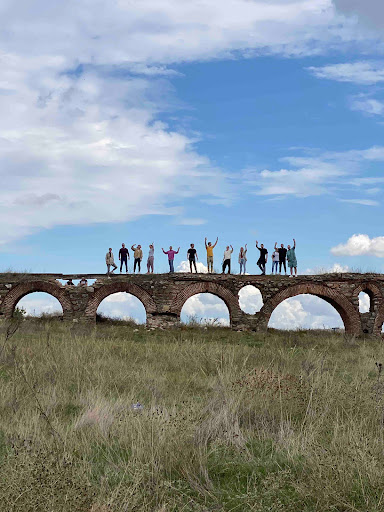
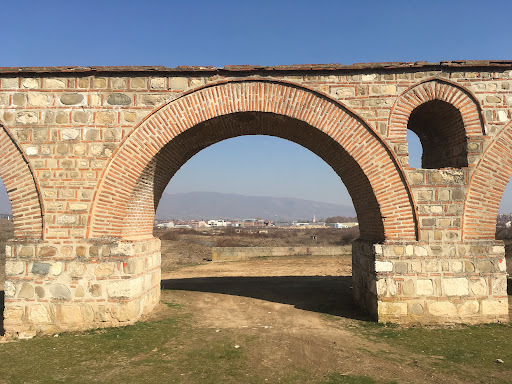
Read moreSkopje Aqueduct The Skopje Aqueduct is located near the village of Vizbegovo 2 km northwest from Skopje. The Skopje Aqueduct is the only aqueduct in Macedonia, and one of three largest and well preserved in the former Yugoslavia along with Diocletianus Aqueduct near Split, Croatia and Bar Aqueduct in Montenegro. The question of when the Skopje Aqueduct was built is unclear.
There are three theories: • during the reign of Rome (1st century); according to this theory the aqueduct fed water to Legionary settlement Scupi. • during the reign of Byzantine Empire (reign of Emperor Justinian I); according to this theory, the aqueduct shipped water to the new settlement Justiniana Prima. • during the reign of Ottoman Empire; according to this theory the aqueduct was built in the 16th century for a large number of Turkish public hamams. This aqueduct was in use until the eighteenth century. Only about 386 meters with 55 arches of this structure of stone and brick remain. It is assumed that the aqueduct took water from the spring Lavovec (village Gluvo in mountain Skopska Crna Gora), 9 kilometers (5.6 mi) northwest from Skopje and brought water to city center.
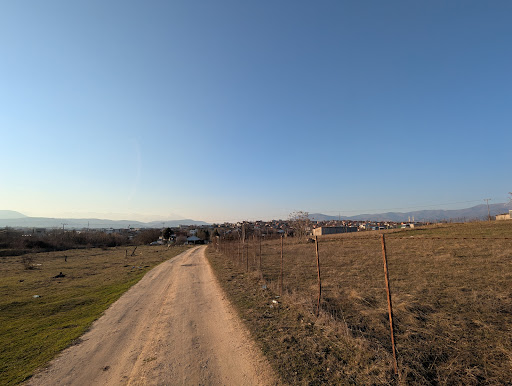
How to get there: If you leave the main road towards Kosovo at "Boulevard Slovenia" towards Skopje/Butel, turn right after about 100 meters into the dirt-track road, keep left and follow the (small) river Serava...
Read moreReally awesome experience for the more adventurous traveler. Not a typical tourist attraction. There was no one in sight. The aqueducts stand alone in a field and cross a river. Most tourists would probably find the site boring, but it's a unique local experience.
Getting there requires either walking, driving, or taking a taxi. Most travelers would find the walk uncomfortable, both in distance and from a security perspective, as you are eventually isolated. I would not recommend doing it alone for most people.
You pass through a very small neighborhood and reach the site. Unfortunately, there is litter everywhere. However, litter is a bit of a cultural trend here, so it's not particularly surprising.
The site is unmanaged and unkept. This is not a tourist attraction, but it is an historic relic and an experience of its own.
If this is your sort of thing, as it is mine,...
Read more