HTML SitemapExplore
logo
Find Things to DoFind The Best Restaurants

Austrått Fort — Attraction in Ørland

Name
Austrått Fort
Description
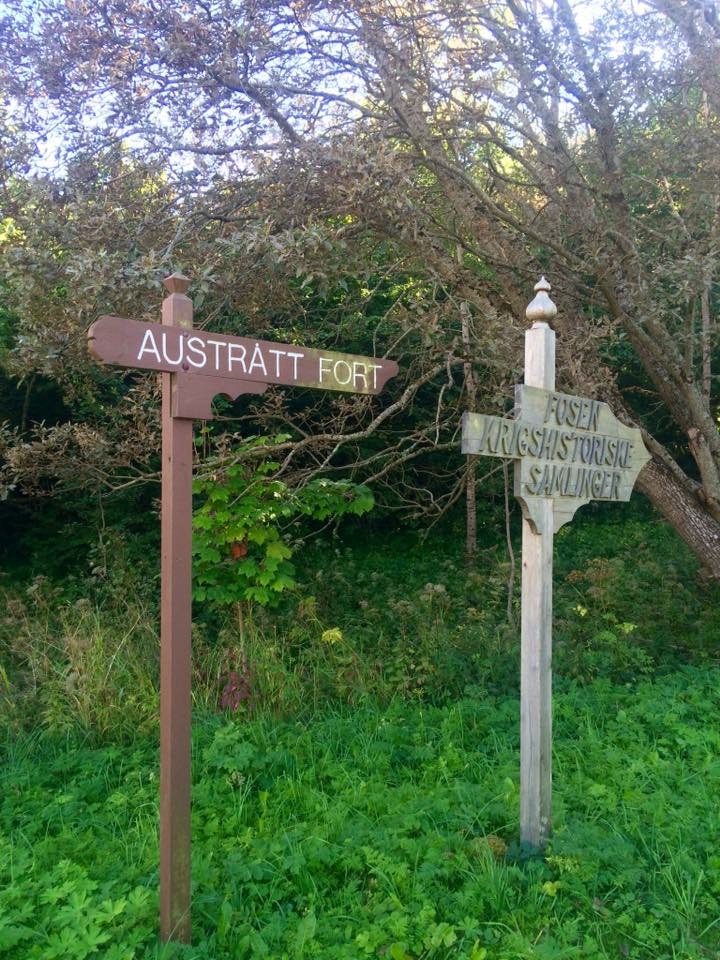
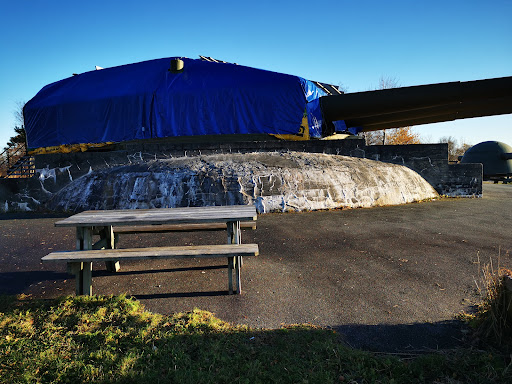
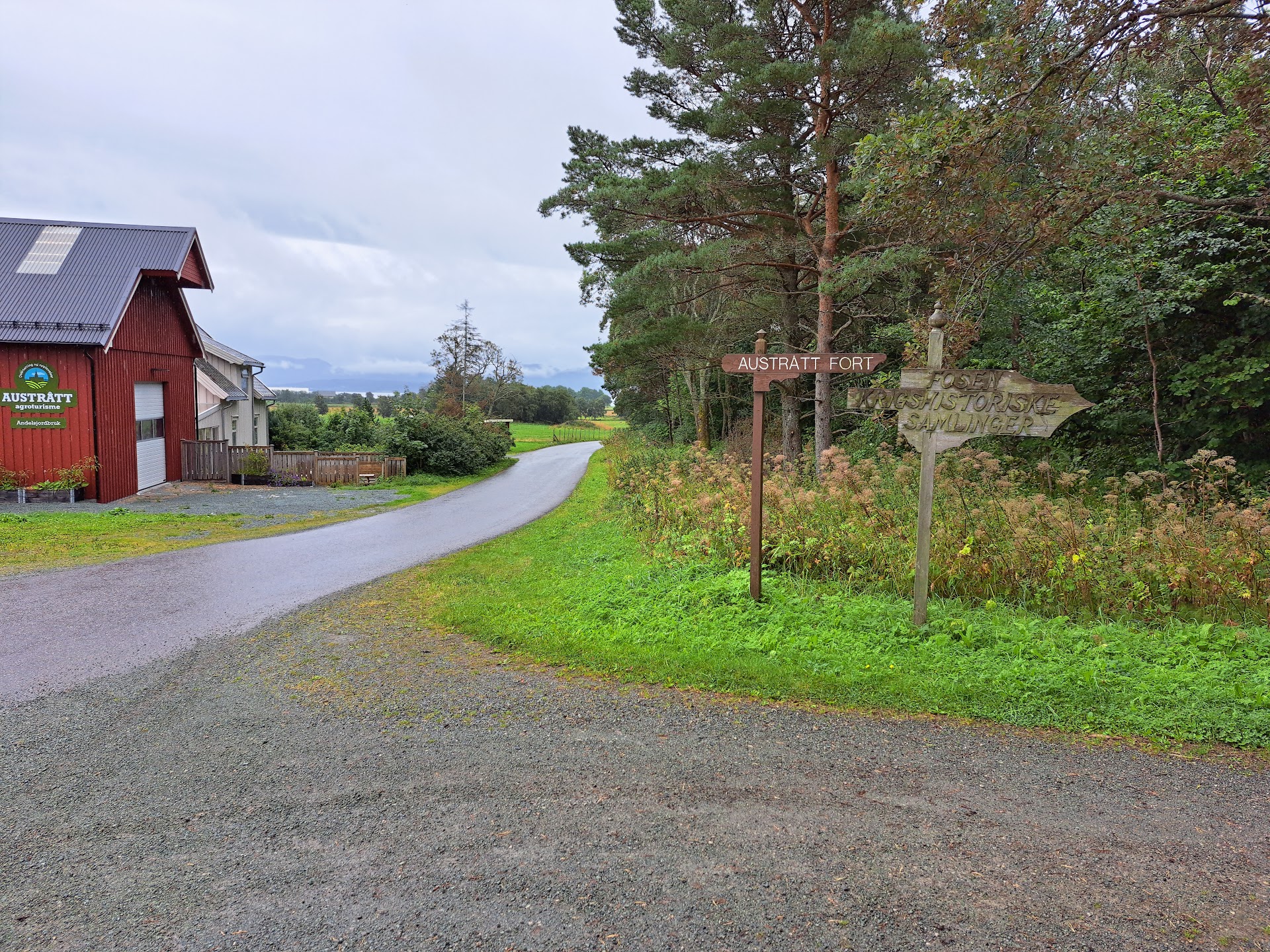
Austrått Fort is a disused coastal artillery site located at Austrått in Ørland, Norway. It was constructed in 1942 by the German Wehrmacht to protect the Trondheimsfjord during the German occupation of Norway during World War II.
Nearby attractions
Nearby restaurants
Nearby hotels
Austrått agroturisme
Lundahaugveien 44, 7140 Opphaug, Norway
Related posts
Keywords
Austrått Fort tourism.Austrått Fort hotels.Austrått Fort bed and breakfast. flights to Austrått Fort.Austrått Fort attractions.Austrått Fort restaurants.Austrått Fort travel.Austrått Fort travel guide.Austrått Fort travel blog.Austrått Fort pictures.Austrått Fort photos.Austrått Fort travel tips.Austrått Fort maps.Austrått Fort things to do.
Austrått Fort things to do, attractions, restaurants, events info and trip planning
Austrått Fort
NorwayØrlandAustrått Fort

Basic Info

Austrått Fort

Lundahaugen, 7140 Opphaug, Norway
4.6(304)
Closed
Save
spot

Ratings & Description

Info

Austrått Fort is a disused coastal artillery site located at Austrått in Ørland, Norway. It was constructed in 1942 by the German Wehrmacht to protect the Trondheimsfjord during the German occupation of Norway during World War II.

Cultural
Outdoor
Scenic
Family friendly
attractions: , restaurants:
logoLearn more insights from Wanderboat AI.
Phone
+47 72 51 55 10
Website
orland.no
Open hoursSee all hours
Fri11 AM - 4 PMClosed

Plan your stay

hotel
Pet-friendly Hotels in Ørland
Find a cozy hotel nearby and make it a full experience.
hotel
Affordable Hotels in Ørland
Find a cozy hotel nearby and make it a full experience.
hotel
The Coolest Hotels You Haven't Heard Of (Yet)
Find a cozy hotel nearby and make it a full experience.
hotel
Trending Stays Worth the Hype in Ørland
Find a cozy hotel nearby and make it a full experience.

Reviews

Get the Appoverlay
Get the AppOne tap to find yournext favorite spots!
Wanderboat LogoWanderboat

Your everyday Al companion for getaway ideas

CompanyAbout Us
InformationAI Trip PlannerSitemap
SocialXInstagramTiktokLinkedin
LegalTerms of ServicePrivacy Policy

Get the app

© 2025 Wanderboat. All rights reserved.
logo

Posts

Jeff CraneJeff Crane
Always a cool place to visit. History: Austrått Fort is a disused coastal artillery site located at Austrått in Ørland, Norway. It was constructed in 1942 by the German Wehrmacht to protect the Trondheimsfjord during the German occupation of Norway during World War II. The fort's centrepiece is a triple 28 cm SK C/34 (11-inch) gun turret from the German battleship Gneisenau, which was damaged in Kiel. The three-gun turret weighs 800 tons and was capable of firing 730-pound shells 38 kilometres (24 mi). The last firing took place in 1953 and the fort was decommissioned in 1968. It opened as a museum in 1991.[1] Like its sister battery at Sotra near Bergen, a shaft was cut out of the rocks for the huge former Gneisenau battleship gun turret. The triple 28cm SK C/34 turret became available after the discontinuation of the Kriegsmarine battleships building programme in 1942. Turret Anton was split up in three separate barrels and placed at Fort Rozenburg in the Netherlands. Turret Bruno was installed in a shaft on Sotra, Norway. Turret Caesar was emplaced halfway up occupied Norway. About 650 Yugoslavian slave laborers, mostly Serbs (Partisans and Chetniks) worked under awful conditions on the tunnels and bunkers around the hill. In a short time, a large underground system with supporting bunkers was finished. In August 1943 the guns were test-fired. No real engagements occurred during the remainder of the war, however. The underground barracks and turret shaft with its ammunition rooms are open to the public. Because the Norwegians kept the site in operating condition until 1968, it remains in a good state of preservation. Today it is one of the most complete examples of a World War II German coastal battery extant. In addition, the site still has its infantry defenses consisting of trenches and a recently renovated 4.7cm French-made anti-tank gun in working condition. The gun covers an anti-tank wall through the woods intended to protect the entrance of the complex.[2]
Miki MajkMiki Majk
Fort Austrått (MKB 4./507) (niem. Marine Artillerie Batterie 4./507 Örlandet) to nadmorski fort w Ørland w Sør-Trøndelag . Fort został zbudowany przez niemieckie siły okupacyjne podczas II wojny światowej . Bateria armat na Ørlandet składa się z jednej z potrójnych wież z niemieckiego krążownika liniowego „Gneisenau” . To jedyna tego typu potrójna wieża zachowana do dziś na świecie. Wraz z fortem Møvik , Fjell Festning i Trondenes , Austrått była jedną z największych baterii utworzonych wzdłuż wału atlantyckiego , niemieckiej linii obrony przed morzem. [1] Obiekt znajduje się w pobliżu Austråttborgen i jest otoczony przez obszar ochrony krajobrazu Austråttlunden od zachodu, północy i północnego wschodu. Działko na Lundahaugen było pierwotnie tylną wieżą C, „Gneisenau”. Wraz z odpowiadającymi im wieżami A i B była to główna artyleria na pokładzie. „Gneisenau” był 26/27. Luty 1942 zbombardowany przez brytyjskie bombowce, leżąc w pływającym doku w Kilonii . Iskry jednej z bomb zapaliły magazynek prochu wieży A. Doprowadziło to do spalenia całego zapasu prochu podczas gwałtownego pożaru. Ciśnienie pod pokładem stało się tak duże, że wieża A została uniesiona w swojej barbecie. Ze swoją własną maszyną „Gneisenau” pojechał do Gotenhafen, gdzie już planowano przebudowę na artylerię 38 cm, ale w czerwcu 1942 r. Odłożono ją na półkę. W końcowej fazie wojny „Gneisenau” został zatopiony, aby zablokować wejście do Gotenhafen. Broń na pokładzie została zdemontowana i ustawiona w różnych miejscach na lądzie. Wieża A została ustawiona jako pojedyncze armaty na niemieckim „ nasypie atlantyckim ” w Hoek van Holland na końcu szlaku żeglugi do Rotterdamu . Wieża B została zainstalowana w górskim obiekcie w Twierdzy Fjell w Sotrze , na zachód od Bergen. Wieża C została zainstalowana na Lundahaugen przez Austrått. Z tych trzech zachował się tylko Austrått. [2] Wieża składa się z trzech dział, a każda lufa waży ponad 50 ton. Stalowe płyty w kopule nad ziemią mają grubość 25 centymetrów. Wieża armatnia waży łącznie ponad 800 ton; jest obracany, dzięki czemu armaty mogą poruszać się na boki i schodzi 15 metrów i 5 pięter w dół góry. [2] Przeprowadzono szeroko zakrojone prace budowlane, aby ustawić wieżę armatnią na Lundahaugen. W skale wysadzono szyby i wokół szybu wieży, odlano miejsce na składy amunicji, elektrownię oraz zbiorniki na paliwo i wodę. Na tym samym terenie zbudowano również magazyny dla całej załogi wieży. Te górskie obiekty miały swoje własne wejścia w górach pod wieżą. Większy system wentylacji dostarczył powietrze do instalacji i dla silników wysokoprężnych w stacji maszyn. Do pracy wykorzystano 3-400 jugosłowiańskich partyzantów / jeńców wojennych . Łącznie ok. 640 Jugosłowian odwiedziło Austrått podczas wojny. Znajdowały się one w obozie Austrått , nędznym obozie jenieckim położonym na równinie na wschód od wieży, wzdłuż drogi doAustråttborgen . Niewolnicy zostali surowo potraktowani, a wielu z nich zginęło podczas pracy. Do transportu materiału z Niemiec do Austrått musiały być używane duńskie promy kolejowe zacumowane w Jektvika. Wejście do obiektu zlokalizowane jest po północnej stronie kopca. Oprócz armaty i jej parku maszynowego w obiekcie znajduje się obiekt, targi, skład amunicji, zaplecze sanitarne i maszynownia. W obiekcie znajdował się także celownik stereoskopowy. Celownik został przeniesiony z Lerberen do Lundahaugen po wycofaniu obiektu z użytku. Armaty chroniły bunkry i stanowiska karabinów maszynowych Polecam bardzo.Robi ogromne wrazenie
JE HermesJE Hermes
A marvel of technical ingenuity. It's amazing to see to what length the Germans went to install a former battleship gun turret into the rock. However, one must not forget the misery this undertaking caused. The tour guide did a fab job in explaining all the history, very informative.
See more posts
See more posts
hotel
Find your stay

Pet-friendly Hotels in Ørland

Find a cozy hotel nearby and make it a full experience.

Always a cool place to visit. History: Austrått Fort is a disused coastal artillery site located at Austrått in Ørland, Norway. It was constructed in 1942 by the German Wehrmacht to protect the Trondheimsfjord during the German occupation of Norway during World War II. The fort's centrepiece is a triple 28 cm SK C/34 (11-inch) gun turret from the German battleship Gneisenau, which was damaged in Kiel. The three-gun turret weighs 800 tons and was capable of firing 730-pound shells 38 kilometres (24 mi). The last firing took place in 1953 and the fort was decommissioned in 1968. It opened as a museum in 1991.[1] Like its sister battery at Sotra near Bergen, a shaft was cut out of the rocks for the huge former Gneisenau battleship gun turret. The triple 28cm SK C/34 turret became available after the discontinuation of the Kriegsmarine battleships building programme in 1942. Turret Anton was split up in three separate barrels and placed at Fort Rozenburg in the Netherlands. Turret Bruno was installed in a shaft on Sotra, Norway. Turret Caesar was emplaced halfway up occupied Norway. About 650 Yugoslavian slave laborers, mostly Serbs (Partisans and Chetniks) worked under awful conditions on the tunnels and bunkers around the hill. In a short time, a large underground system with supporting bunkers was finished. In August 1943 the guns were test-fired. No real engagements occurred during the remainder of the war, however. The underground barracks and turret shaft with its ammunition rooms are open to the public. Because the Norwegians kept the site in operating condition until 1968, it remains in a good state of preservation. Today it is one of the most complete examples of a World War II German coastal battery extant. In addition, the site still has its infantry defenses consisting of trenches and a recently renovated 4.7cm French-made anti-tank gun in working condition. The gun covers an anti-tank wall through the woods intended to protect the entrance of the complex.[2]
Jeff Crane

Jeff Crane

hotel
Find your stay

Affordable Hotels in Ørland

Find a cozy hotel nearby and make it a full experience.

Get the Appoverlay
Get the AppOne tap to find yournext favorite spots!
Fort Austrått (MKB 4./507) (niem. Marine Artillerie Batterie 4./507 Örlandet) to nadmorski fort w Ørland w Sør-Trøndelag . Fort został zbudowany przez niemieckie siły okupacyjne podczas II wojny światowej . Bateria armat na Ørlandet składa się z jednej z potrójnych wież z niemieckiego krążownika liniowego „Gneisenau” . To jedyna tego typu potrójna wieża zachowana do dziś na świecie. Wraz z fortem Møvik , Fjell Festning i Trondenes , Austrått była jedną z największych baterii utworzonych wzdłuż wału atlantyckiego , niemieckiej linii obrony przed morzem. [1] Obiekt znajduje się w pobliżu Austråttborgen i jest otoczony przez obszar ochrony krajobrazu Austråttlunden od zachodu, północy i północnego wschodu. Działko na Lundahaugen było pierwotnie tylną wieżą C, „Gneisenau”. Wraz z odpowiadającymi im wieżami A i B była to główna artyleria na pokładzie. „Gneisenau” był 26/27. Luty 1942 zbombardowany przez brytyjskie bombowce, leżąc w pływającym doku w Kilonii . Iskry jednej z bomb zapaliły magazynek prochu wieży A. Doprowadziło to do spalenia całego zapasu prochu podczas gwałtownego pożaru. Ciśnienie pod pokładem stało się tak duże, że wieża A została uniesiona w swojej barbecie. Ze swoją własną maszyną „Gneisenau” pojechał do Gotenhafen, gdzie już planowano przebudowę na artylerię 38 cm, ale w czerwcu 1942 r. Odłożono ją na półkę. W końcowej fazie wojny „Gneisenau” został zatopiony, aby zablokować wejście do Gotenhafen. Broń na pokładzie została zdemontowana i ustawiona w różnych miejscach na lądzie. Wieża A została ustawiona jako pojedyncze armaty na niemieckim „ nasypie atlantyckim ” w Hoek van Holland na końcu szlaku żeglugi do Rotterdamu . Wieża B została zainstalowana w górskim obiekcie w Twierdzy Fjell w Sotrze , na zachód od Bergen. Wieża C została zainstalowana na Lundahaugen przez Austrått. Z tych trzech zachował się tylko Austrått. [2] Wieża składa się z trzech dział, a każda lufa waży ponad 50 ton. Stalowe płyty w kopule nad ziemią mają grubość 25 centymetrów. Wieża armatnia waży łącznie ponad 800 ton; jest obracany, dzięki czemu armaty mogą poruszać się na boki i schodzi 15 metrów i 5 pięter w dół góry. [2] Przeprowadzono szeroko zakrojone prace budowlane, aby ustawić wieżę armatnią na Lundahaugen. W skale wysadzono szyby i wokół szybu wieży, odlano miejsce na składy amunicji, elektrownię oraz zbiorniki na paliwo i wodę. Na tym samym terenie zbudowano również magazyny dla całej załogi wieży. Te górskie obiekty miały swoje własne wejścia w górach pod wieżą. Większy system wentylacji dostarczył powietrze do instalacji i dla silników wysokoprężnych w stacji maszyn. Do pracy wykorzystano 3-400 jugosłowiańskich partyzantów / jeńców wojennych . Łącznie ok. 640 Jugosłowian odwiedziło Austrått podczas wojny. Znajdowały się one w obozie Austrått , nędznym obozie jenieckim położonym na równinie na wschód od wieży, wzdłuż drogi doAustråttborgen . Niewolnicy zostali surowo potraktowani, a wielu z nich zginęło podczas pracy. Do transportu materiału z Niemiec do Austrått musiały być używane duńskie promy kolejowe zacumowane w Jektvika. Wejście do obiektu zlokalizowane jest po północnej stronie kopca. Oprócz armaty i jej parku maszynowego w obiekcie znajduje się obiekt, targi, skład amunicji, zaplecze sanitarne i maszynownia. W obiekcie znajdował się także celownik stereoskopowy. Celownik został przeniesiony z Lerberen do Lundahaugen po wycofaniu obiektu z użytku. Armaty chroniły bunkry i stanowiska karabinów maszynowych Polecam bardzo.Robi ogromne wrazenie
Miki Majk

Miki Majk

hotel
Find your stay

The Coolest Hotels You Haven't Heard Of (Yet)

Find a cozy hotel nearby and make it a full experience.

hotel
Find your stay

Trending Stays Worth the Hype in Ørland

Find a cozy hotel nearby and make it a full experience.

A marvel of technical ingenuity. It's amazing to see to what length the Germans went to install a former battleship gun turret into the rock. However, one must not forget the misery this undertaking caused. The tour guide did a fab job in explaining all the history, very informative.
JE Hermes

JE Hermes

See more posts
See more posts

Reviews of Austrått Fort

4.6
(304)
avatar
5.0
8y

Always a cool place to visit. History: Austrått Fort is a disused coastal artillery site located at Austrått in Ørland, Norway. It was constructed in 1942 by the German Wehrmacht to protect the Trondheimsfjord during the German occupation of Norway during World War II. The fort's centrepiece is a triple 28 cm SK C/34 (11-inch) gun turret from the German battleship Gneisenau, which was damaged in Kiel. The three-gun turret weighs 800 tons and was capable of firing 730-pound shells 38 kilometres (24 mi). The last firing took place in 1953 and the fort was decommissioned in 1968. It opened as a museum in 1991.[1]

Like its sister battery at Sotra near Bergen, a shaft was cut out of the rocks for the huge former Gneisenau battleship gun turret. The triple 28cm SK C/34 turret became available after the discontinuation of the Kriegsmarine battleships building programme in 1942. Turret Anton was split up in three separate barrels and placed at Fort Rozenburg in the Netherlands. Turret Bruno was installed in a shaft on Sotra, Norway. Turret Caesar was emplaced halfway up occupied Norway. About 650 Yugoslavian slave laborers, mostly Serbs (Partisans and Chetniks) worked under awful conditions on the tunnels and bunkers around the hill. In a short time, a large underground system with supporting bunkers was finished. In August 1943 the guns were test-fired. No real engagements occurred during the remainder of the war, however.

The underground barracks and turret shaft with its ammunition rooms are open to the public. Because the Norwegians kept the site in operating condition until 1968, it remains in a good state of preservation. Today it is one of the most complete examples of a World War II German coastal battery extant.

In addition, the site still has its infantry defenses consisting of trenches and a recently renovated 4.7cm French-made anti-tank gun in working condition. The gun covers an anti-tank wall through the woods intended to protect the entrance of...

   Read more
avatar
5.0
6y

Fort Austrått (MKB 4./507) (niem. Marine Artillerie Batterie 4./507 Örlandet) to nadmorski fort w Ørland w Sør-Trøndelag . Fort został zbudowany przez niemieckie siły okupacyjne podczas II wojny światowej . Bateria armat na Ørlandet składa się z jednej z potrójnych wież z niemieckiego krążownika liniowego „Gneisenau” . To jedyna tego typu potrójna wieża zachowana do dziś na świecie.

Wraz z fortem Møvik , Fjell Festning i Trondenes , Austrått była jedną z największych baterii utworzonych wzdłuż wału atlantyckiego , niemieckiej linii obrony przed morzem. [1]

Obiekt znajduje się w pobliżu Austråttborgen i jest otoczony przez obszar ochrony krajobrazu Austråttlunden od zachodu, północy i północnego wschodu.

Działko na Lundahaugen było pierwotnie tylną wieżą C, „Gneisenau”. Wraz z odpowiadającymi im wieżami A i B była to główna artyleria na pokładzie. „Gneisenau” był 26/27. Luty 1942 zbombardowany przez brytyjskie bombowce, leżąc w pływającym doku w Kilonii . Iskry jednej z bomb zapaliły magazynek prochu wieży A. Doprowadziło to do spalenia całego zapasu prochu podczas gwałtownego pożaru. Ciśnienie pod pokładem stało się tak duże, że wieża A została uniesiona w swojej barbecie. Ze swoją własną maszyną „Gneisenau” pojechał do Gotenhafen, gdzie już planowano przebudowę na artylerię 38 cm, ale w czerwcu 1942 r. Odłożono ją na półkę. W końcowej fazie wojny „Gneisenau” został zatopiony, aby zablokować wejście do Gotenhafen.

Broń na pokładzie została zdemontowana i ustawiona w różnych miejscach na lądzie. Wieża A została ustawiona jako pojedyncze armaty na niemieckim „ nasypie atlantyckim ” w Hoek van Holland na końcu szlaku żeglugi do Rotterdamu . Wieża B została zainstalowana w górskim obiekcie w Twierdzy Fjell w Sotrze , na zachód od Bergen. Wieża C została zainstalowana na Lundahaugen przez Austrått. Z tych trzech zachował się tylko Austrått. [2]

Wieża składa się z trzech dział, a każda lufa waży ponad 50 ton. Stalowe płyty w kopule nad ziemią mają grubość 25 centymetrów. Wieża armatnia waży łącznie ponad 800 ton; jest obracany, dzięki czemu armaty mogą poruszać się na boki i schodzi 15 metrów i 5 pięter w dół góry. [2]

Przeprowadzono szeroko zakrojone prace budowlane, aby ustawić wieżę armatnią na Lundahaugen. W skale wysadzono szyby i wokół szybu wieży, odlano miejsce na składy amunicji, elektrownię oraz zbiorniki na paliwo i wodę. Na tym samym terenie zbudowano również magazyny dla całej załogi wieży. Te górskie obiekty miały swoje własne wejścia w górach pod wieżą. Większy system wentylacji dostarczył powietrze do instalacji i dla silników wysokoprężnych w stacji maszyn. Do pracy wykorzystano 3-400 jugosłowiańskich partyzantów / jeńców wojennych . Łącznie ok. 640 Jugosłowian odwiedziło Austrått podczas wojny. Znajdowały się one w obozie Austrått , nędznym obozie jenieckim położonym na równinie na wschód od wieży, wzdłuż drogi doAustråttborgen . Niewolnicy zostali surowo potraktowani, a wielu z nich zginęło podczas pracy. Do transportu materiału z Niemiec do Austrått musiały być używane duńskie promy kolejowe zacumowane w Jektvika.

Wejście do obiektu zlokalizowane jest po północnej stronie kopca. Oprócz armaty i jej parku maszynowego w obiekcie znajduje się obiekt, targi, skład amunicji, zaplecze sanitarne i maszynownia.

W obiekcie znajdował się także celownik stereoskopowy. Celownik został przeniesiony z Lerberen do Lundahaugen po wycofaniu obiektu z użytku.

Armaty chroniły bunkry i stanowiska karabinów maszynowych

Polecam bardzo.Robi...

   Read more
avatar
5.0
8y

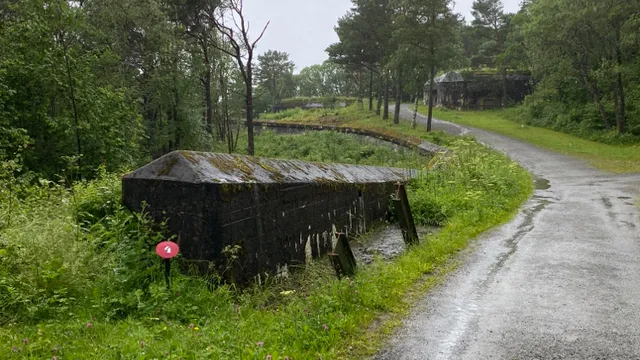
A must-see location in this area for anyone interested in military history. Turret is the same design as the 280mm guns on the Scharnhoerst battleship. The longest ship to ship gun hit in history was with this guns' brothers. Norways restoration is wonderful, with very knowledgeable and...

   Read more
Page 1 of 7
Previous
Next